
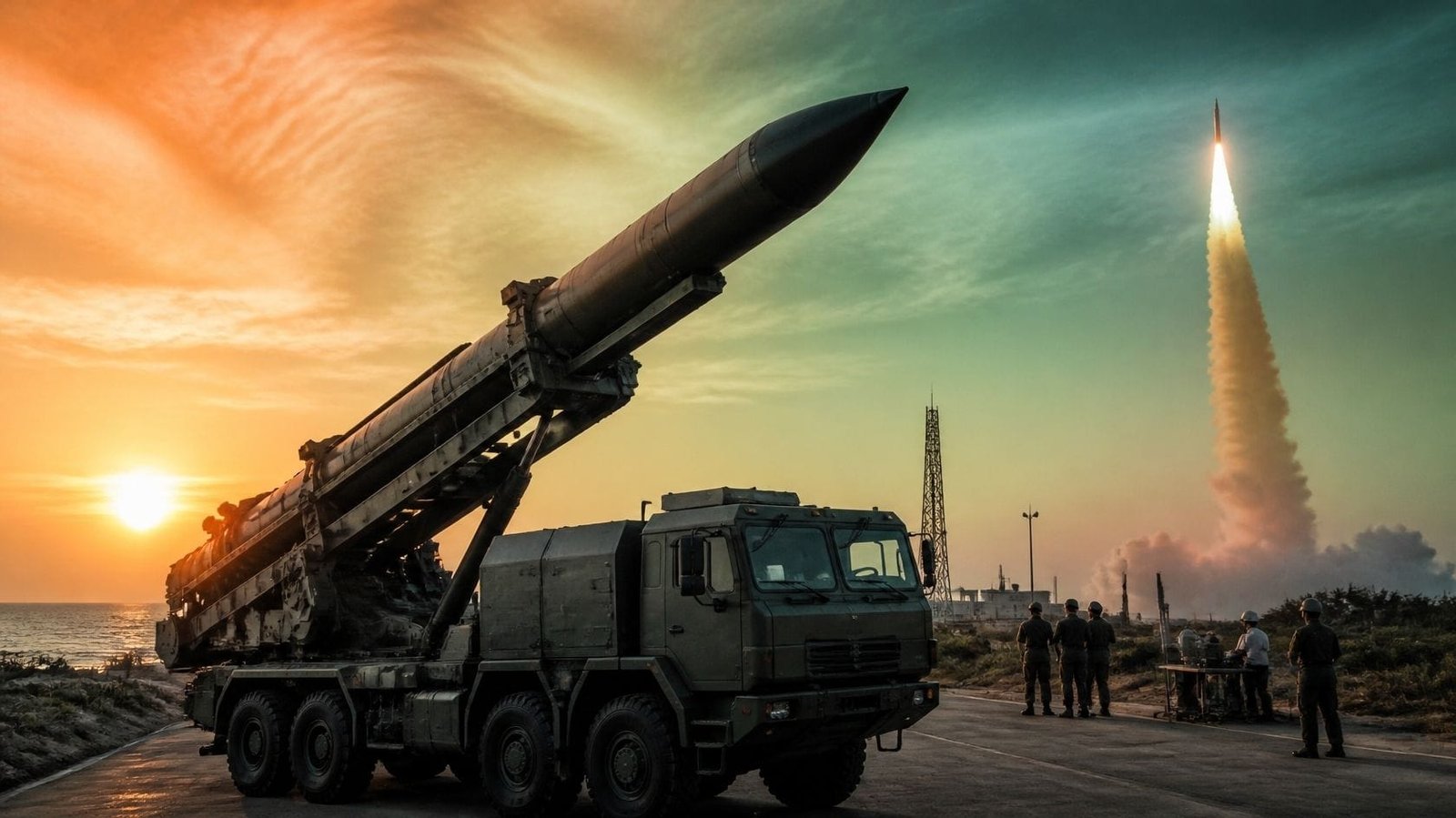
India's Pralay Missile: A New Strength in Indigenous Defence Technology
Importance of the Pralay Missile in India's Defence Capabilities
In the modern world, the national security of a country does not depend solely on the size of its armed forces. It also depends on technological capabilities, advanced weapon systems and strategic preparedness. Today, missile technology has become an important pillar of military strength. In this direction, India has developed the Pralay Missile to strengthen its indigenous defence capabilities. It is an advanced surface-to-surface quasi-ballistic missile designed primarily for conventional military operations.
The development of the Pralay Missile represents an important technological achievement of India's Defence Research and Development Organisation (DRDO). Its objective is to provide the Indian Armed Forces with a modern missile system capable of engaging different types of conventional targets according to operational requirements. Its indigenous technology also contributes to India's efforts to become self-reliant in the field of defence equipment.
The importance of such a missile has increased because India faces various security challenges along its borders. In such an environment, modern and reliable weapon systems help strengthen military preparedness and improve the country's ability to respond to emerging security challenges.
5 November 2026: Successful Flight Test of the Pralay Missile
The Pralay Missile achieved an important milestone on 5 November 2026, when the Defence Research and Development Organisation (DRDO) successfully conducted its flight test from Dr. APJ Abdul Kalam Island off the coast of Odisha. According to the official information released by the Ministry of Defence, the test was conducted at approximately 11:10 AM. This test was part of the missile's User Evaluation Trials.
According to the Ministry of Defence, all the designated objectives of the test were successfully achieved. Various test and tracking instruments deployed by the Integrated Test Range (ITR), Chandipur, provided data confirming the successful performance of the missile during the test.
Senior DRDO officials, along with representatives of the Armed Forces and the defence industry, were present during the test. The objective was not limited to demonstrating the missile's flight capability; it also involved assessing its operational readiness through user evaluation.
Pralay Missile Test: Key Facts (5 November 2026)
- Missile: Pralay
- Test Date: 5 November 2026
- Test Time: Approximately 11:10 AM
- Test Location: Dr. APJ Abdul Kalam Island, Odisha
- Testing Organisation: DRDO
- Type of Test: User Evaluation Trials
- Result: All designated test objectives were successfully achieved.
Role of Indigenous Organisations in the Development of the Pralay Missile
The development of the Pralay Missile is the result of collaborative efforts involving India's scientific and industrial capabilities. Its indigenous development has been undertaken by the Research Centre Imarat (RCI), Hyderabad, in collaboration with other DRDO laboratories. Bharat Dynamics Limited (BDL), an Indian defence public sector company, has also played an important role in its production. The company is one of the Development-cum-Production Partners of the missile.
The participation of research institutions and industrial organisations in this project demonstrates that India no longer wants to remain dependent only on the purchase of foreign defence technologies. Instead, the country is working to strengthen its domestic capabilities in the research, development and production of advanced weapon systems.
Why Is the Pralay Missile Important for India?
The importance of the Pralay Missile is not limited to the development of a new weapon. It represents an important connection between India's strategic preparedness, indigenous defence research and modern military requirements. Based on quasi-ballistic technology, this missile has been developed for use against conventional military targets.
Its development provides India with an opportunity to diversify its missile systems, increase domestic participation in defence production and encourage research in advanced military technologies. In addition, such projects help Indian scientists, engineers and defence industries gain technical experience and strengthen their manufacturing capabilities.
Therefore, the Pralay Missile can be considered an important step towards India's evolving defence strategy and self-reliance in military technology. Its operational deployment and formal induction into the Armed Forces will determine its actual strategic role in the coming years.
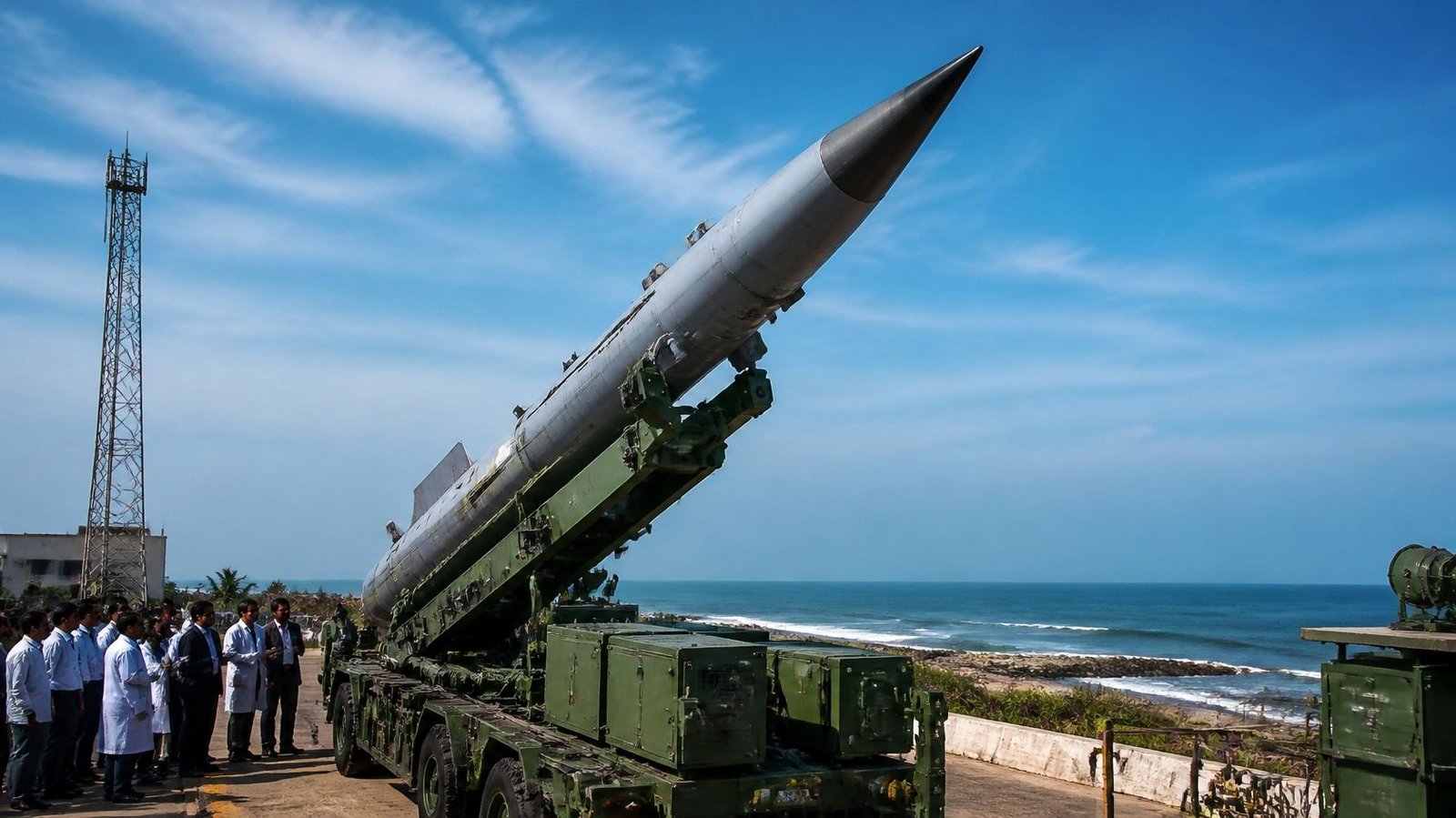
Development and History of the Pralay Missile
The development of the Pralay Missile was initiated with the objective of strengthening India's indigenous defence research capabilities. Considering the growing need for conventional missile systems in modern warfare and the security challenges along India's borders, the country began working towards developing a tactical missile that could be deployed within a short period and effectively engage different types of military targets. This requirement led to the advancement of the Pralay Missile project.
The project received approval in March 2015. Its development was undertaken under the Defence Research and Development Organisation (DRDO). The technical expertise gained from India's earlier missile programmes was utilised in the development of Pralay. In particular, the technological experience gained from the Prahaar tactical missile and the Prithvi Defence Vehicle (PDV) programme played an important role in its development.
Role of DRDO and Contribution of Research Organisations
Various DRDO laboratories and Indian defence industries worked together in the development of the Pralay Missile. The Research Centre Imarat (RCI), located in Hyderabad, played a major role in its indigenous development. Along with RCI, other DRDO laboratories contributed to the development of its propulsion system, control mechanisms, guidance, navigation and related technologies.
The contribution of research organisations such as the High Energy Materials Research Laboratory (HEMRL) was also important in this project. Solid-fuel-based propulsion technology is a major component of the missile's development. In addition, Bharat Dynamics Limited (BDL) was included among its Development-cum-Production Partners, helping strengthen indigenous defence manufacturing.
Major Organisations Associated with Pralay Missile Development
- DRDO: Research and development of the project.
- Research Centre Imarat: Major role in the indigenous development of the missile.
- HEMRL: Research related to high-energy materials and propulsion.
- Other DRDO Laboratories: Contribution to the development of various technological systems.
- Bharat Dynamics Limited: Development-cum-Production Partner and participant in manufacturing.
22 December 2021: First Successful Test of the Pralay Missile
22 December 2021 was an extremely important day in the development journey of the Pralay Missile. On this day, DRDO successfully conducted its maiden flight test from Dr. APJ Abdul Kalam Island, located off the coast of Odisha. According to the Ministry of Defence, during the test, the missile followed its designated quasi-ballistic trajectory and reached the designated target with high accuracy.
Through this test, the missile's control system, guidance system and mission algorithms were successfully validated. All subsystems performed satisfactorily during the test. Various sensors deployed along the eastern coast and tracking ships positioned in the sea monitored the missile's flight and collected the necessary data.
Major Achievements of the First Test
- The first successful flight test was conducted on 22 December 2021.
- The missile followed its designated quasi-ballistic trajectory.
- The control and guidance systems were validated.
- All subsystems performed satisfactorily.
- All designated mission objectives were successfully achieved.
23 December 2021: Second Successful Test on Consecutive Day
Just one day after the success of the first test, on 23 December 2021, DRDO successfully conducted the second flight test of the Pralay Missile. This was a remarkable achievement for India's missile development programme because two successful flight tests of a ballistic missile were conducted on two consecutive days.
During the second test, the missile was evaluated with a heavier payload and different range requirements. The objective was to assess its accuracy and performance under different conditions. Telemetry, radar and electro-optic tracking systems were used to monitor the test. This success provided further validation of the missile's design and development capabilities.
2022 to 2023: Testing and Technological Maturity
Following the initial successful tests in 2021, the development and evaluation process of the Pralay Missile continued. Further flight tests were conducted in December 2022. These tests assessed the missile's capabilities under different conditions and payload configurations.
The testing process continued in 2023 as well. The test conducted on 7 November 2023 was considered an important developmental milestone. Through this test, the designated mission objectives were achieved, and progress was made towards improving the system's operational readiness.
These tests helped advance the Pralay Missile beyond its laboratory and initial development stages, moving it towards becoming a more mature tactical weapon system. Subsequently, user evaluation and tests related to operational requirements gained greater importance.
Development Journey of the Pralay Missile: Major Milestones
| Year / Date | Major Development |
|---|---|
| March 2015 | Approval of the Pralay Missile project. |
| 22 December 2021 | First successful flight test. |
| 23 December 2021 | Second successful test on the consecutive day. |
| December 2022 | Further development and testing activities. |
| 7 November 2023 | Important developmental test. |
| 5 November 2026 | Successful flight test under user evaluation trials. |
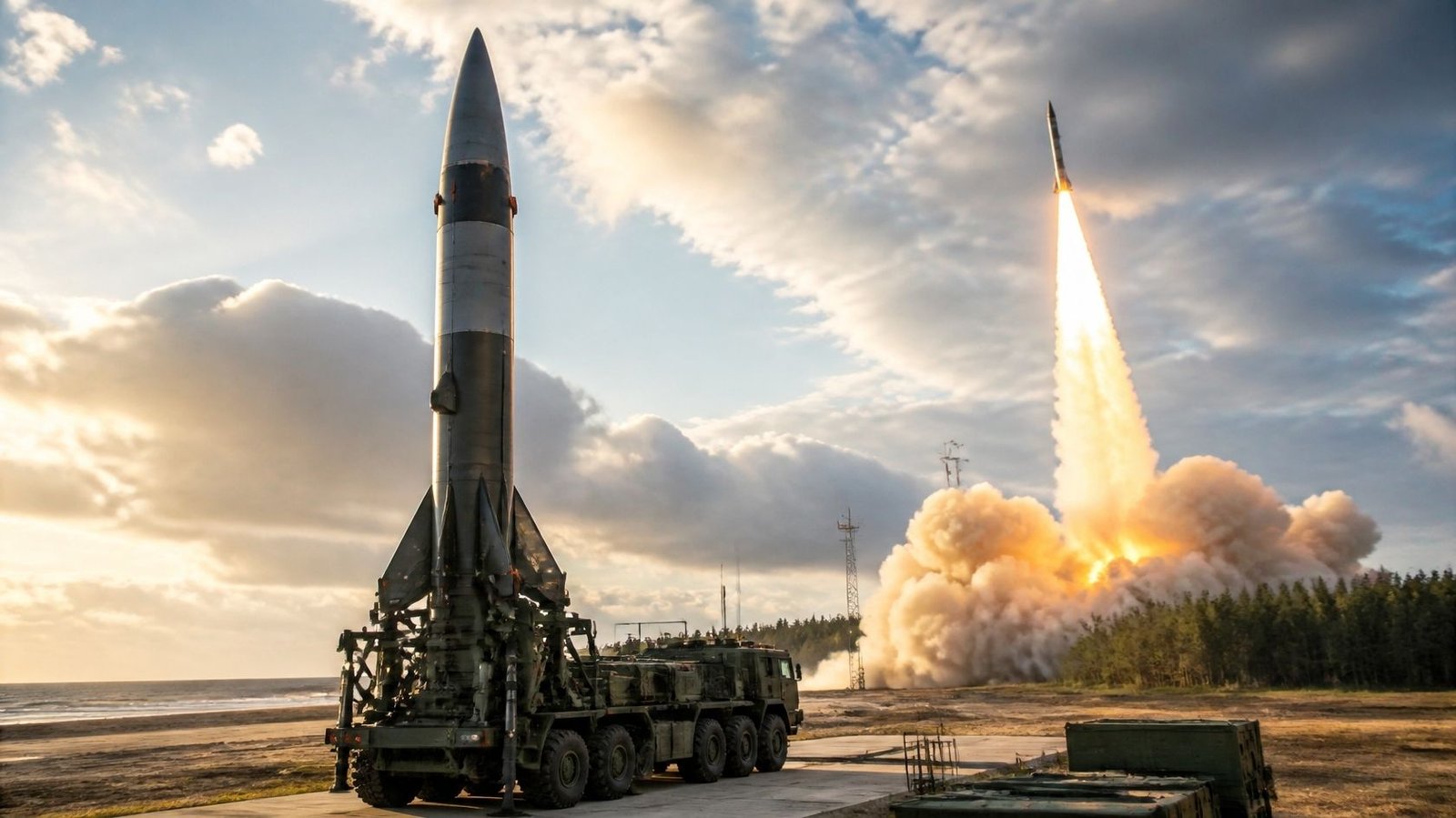
Technical Specifications and Working Mechanism of the Pralay Missile
The Pralay Missile is an advanced indigenous surface-to-surface quasi-ballistic missile developed by India. Its technical architecture includes a solid-fuel-based rocket motor, modern guidance and navigation systems, integrated avionics and a manoeuvrable flight trajectory. These technologies are intended to provide the missile with high accuracy, improved manoeuvrability and operational capabilities under different military conditions. Pralay has primarily been developed for use against conventional military targets.
1. Range and Strike Capability of the Pralay Missile
One of the most important characteristics of the Pralay Missile is its strike range. According to information released by the Ministry of Defence and DRDO, its specified range is approximately 150 to 500 kilometres. This capability provides the Indian armed forces with an additional option for engaging tactical targets located at different distances.
The actual range of the missile may depend on the weight of its payload and flight conditions. Therefore, the maximum range should not be considered identical for every payload configuration. Its mobile launching capability also makes it strategically important from a military perspective.
Major Technical Specifications of the Pralay Missile
- Missile Type: Surface-to-surface quasi-ballistic missile.
- Strike Range: Approximately 150–500 kilometres.
- Propulsion System: Solid-fuel-based rocket motor.
- Launching System: Mobile launcher.
- Guidance: Modern navigation and integrated avionics.
- Payload: Capability to carry different types of conventional warheads.
- Developer: DRDO and associated Indian defence institutions.
2. Solid Propellant Rocket Motor
The Pralay Missile uses a solid-fuel-based rocket motor. The primary function of the propulsion system is to provide the missile with the necessary speed and energy for flight. In solid propellants, fuel and oxidiser are present together in a solid composition. The gases produced during combustion are expelled through the rocket motor, and the resulting reaction force pushes the missile forward.
One of the major advantages of solid-fuel technology is its relatively simple storage and quick deployment capability. Compared with liquid-fuel-based systems, it does not require a separate fuel-filling process immediately before launch. This helps improve the operational readiness of mobile missile systems.
3. What Is Quasi-Ballistic Technology? (Quasi-Ballistic Trajectory)
One of the most notable features of the Pralay Missile is its quasi-ballistic flight technology. A conventional ballistic missile generally follows a relatively predictable trajectory after launch, primarily determined by gravity and its initial velocity. In contrast, a quasi-ballistic missile has the capability to modify its trajectory during flight.
This technology can make it more challenging to predict the missile's flight path and calculate its potential impact point. The ability to modify its direction and trajectory during flight creates additional challenges for modern air defence systems.
4. Guidance and Navigation System
The guidance and navigation system is extremely important for the successful operation of any modern missile. The Pralay Missile incorporates modern navigation technology and integrated avionics. These systems help manage information related to the missile's position, direction and designated flight path during its journey.
Published DRDO technical descriptions also mention inertial navigation and radar-based guidance technology during the terminal phase. These systems are intended to help maintain the missile's accuracy in reaching its designated target. However, the complete technical configuration of all these components is not publicly available.
5. Mobile Launcher and Payload Capability
The Pralay Missile can be launched using a mobile launcher. This means that it does not have to remain restricted to a fixed permanent launch site. Special military vehicles operating on road networks can transport the system to different locations. This improves its mobility and operational flexibility.
In addition, Pralay has been developed to carry different types of conventional warheads. Information released by DRDO in July 2025 also confirmed its capability to carry multiple types of warheads for different target requirements. This provides flexibility in using the missile according to different military needs.
Summary of the Technical Capabilities of the Pralay Missile
| Technical Feature | Description |
|---|---|
| Strike Range | 150–500 kilometres |
| Propulsion | Solid-fuel rocket motor |
| Flight Technology | Quasi-ballistic |
| Navigation | Modern navigation system |
| Avionics | Integrated avionics |
| Launching System | Mobile launcher |
| Payload | Different types of conventional warheads |
Conclusion: Technical Capabilities of the Pralay Missile
The technical architecture of the Pralay Missile demonstrates India's growing capabilities in modern defence research. Its strike range of 150 to 500 kilometres, solid-fuel propulsion, quasi-ballistic flight technology, modern navigation system and mobile launching capability make it an important indigenous tactical weapon system. Through these features, India is moving towards strengthening its conventional military capabilities and self-reliance in Defence Technology.
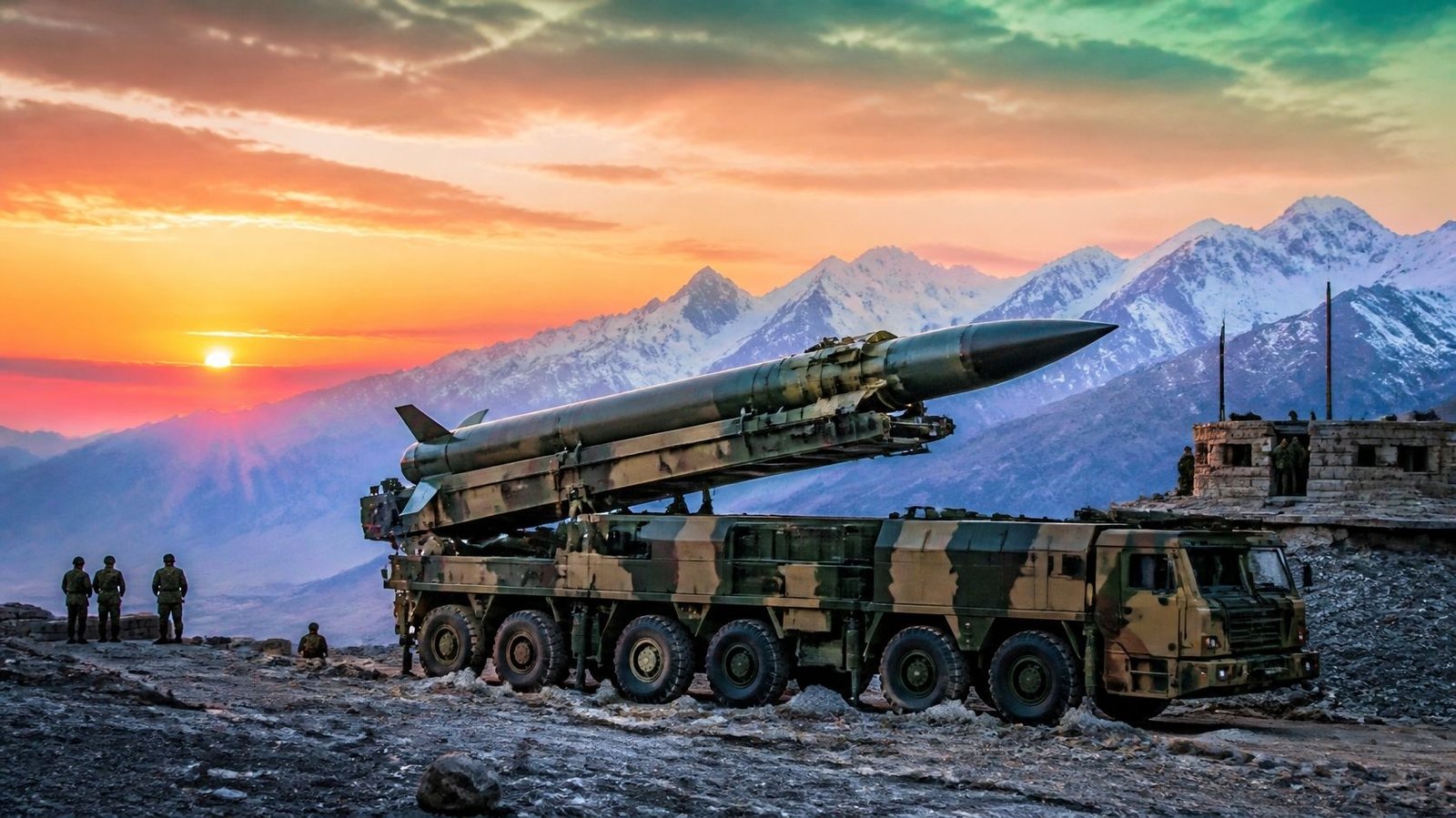
Strategic Importance of the Pralay Missile in India's National Security
India's security environment is influenced by complex regional challenges, evolving military technologies, and changing geopolitical conditions. In this context, the development of indigenous missile systems has become an important part of India's defence preparedness. The Pralay missile represents a significant step in strengthening India's conventional missile capabilities and enhancing its ability to respond to emerging security challenges.
1. Strengthening Border Security
India shares sensitive borders with countries that have different military capabilities and strategic objectives. Maintaining a credible defence system along these borders requires modern weapons, reliable surveillance, and effective military preparedness.
Pralay is a quasi-ballistic missile designed to provide a precision-strike capability. Its reported operational range of approximately 150 to 500 kilometres gives it the potential to support conventional military operations against selected targets within its range. Its mobility and compatibility with road-mobile launch platforms can also provide greater flexibility in deployment.
Such capabilities can contribute to India's ability to respond to security challenges while strengthening its conventional defence posture.
2. Enhancing Military Preparedness
Modern warfare requires weapons that can operate with accuracy, flexibility, and speed. Missile systems with mobile launch platforms and advanced guidance technologies can offer important operational advantages.
Pralay has been developed with modern navigation and guidance systems. Its quasi-ballistic flight profile is designed to provide a different operational capability from conventional ballistic missile systems. These features can improve the flexibility available to India's armed forces during conventional military operations.
3. Strengthening Conventional Deterrence
Conventional deterrence refers to the ability of a country to discourage hostile actions through credible conventional military capabilities. A strong and reliable missile system can become an important element of this defence strategy.
Pralay adds another capability to India's conventional missile inventory. Its development reflects India's effort to strengthen its ability to respond to regional military challenges without relying entirely on imported defence technologies.
The successful testing of the missile, including the demonstration of two missiles launched in quick succession in December 2025, has provided important evidence of progress in its development and operational evaluation.
4. Importance in the Regional Security Environment
The security environment in South Asia is shaped by India's strategic relationships with neighbouring countries, particularly China and Pakistan. Both countries continue to modernise their military capabilities, making technological development and defence preparedness important considerations for India.
In this environment, Pralay can contribute to India's conventional defence options. It provides an additional missile capability that may support military planning and strengthen India's ability to respond to different security situations.
However, the role of any missile system must be understood within the broader framework of national security, military doctrine, and responsible defence planning. A missile's strategic value depends not only on its technical specifications but also on how effectively it is integrated into the country's overall defence structure.
5. Supporting India's Defence Self-Reliance
One of the most important aspects of the Pralay missile programme is its contribution to India's indigenous defence manufacturing ecosystem. The missile has been developed by the Defence Research and Development Organisation (DRDO), with the Research Centre Imarat (RCI) and other DRDO laboratories playing important roles in its development.
Bharat Dynamics Limited (BDL) has also been associated with the programme as a development-cum-production partner. Such collaboration between research institutions and defence industries helps strengthen domestic technological capabilities.
Indigenous development can reduce dependence on foreign suppliers, support the growth of India's defence manufacturing sector, and create opportunities for further research and innovation. It also contributes to the broader objective of AAtmanirbhar Bharat in the defence sector.
6. Role in India's Future Defence Planning
The successful flight tests of Pralay represent an important stage in its development and user evaluation process. On 5 November 2026, DRDO successfully conducted another flight test of the missile as part of user evaluation trials. According to the Ministry of Defence, all the objectives of the test were achieved.
The successful completion of these trials is an important milestone. It indicates progress towards the missile's possible induction into the armed forces, although formal induction should be distinguished from successful testing and evaluation.
In the coming years, Pralay may become an important component of India's conventional missile capabilities, depending on the completion of the required evaluation and induction procedures.
Conclusion
The Pralay missile is an important achievement in India's indigenous Defence Technology programme. Its precision-guidance capability, quasi-ballistic flight profile, mobile launch platform, and reported range of 150–500 kilometres make it a significant addition to India's developing conventional missile capabilities.
Beyond its military role, the programme also demonstrates the growing strength of India's domestic defence research and manufacturing ecosystem. Pralay reflects India's broader objective of building a technologically advanced, self-reliant, and capable defence system to address future national security challenges.
References and Official Sources
- Press Information Bureau – Maiden Flight Test of Pralay Missile, December 2021
- Press Information Bureau – Successful Salvo Launch of Two Pralay Missiles, December 2025
- Press Information Bureau – Successful Flight Test of Pralay Missile, November 2026
- Defence Research and Development Organisation (DRDO) – Missiles and Strategic Systems
Comparison of Pralay with Other Indian Missiles
India has developed different categories of missile systems to meet its defence requirements. Among these, Pralay, BrahMos, Prithvi, and Agni are some of the important missile systems. Each has a different technology, range, speed, flight profile, and military role.
Comparing Pralay with other Indian missiles helps us understand its position within India's defence architecture. It also explains how Pralay differs from existing missile systems and what additional capabilities it may offer to the Indian armed forces.
1. Pralay vs BrahMos vs Prithvi vs Agni: Detailed Comparison
| Parameter | Pralay | BrahMos | Prithvi | Agni |
|---|---|---|---|---|
| Missile Type | Quasi-ballistic missile | Supersonic cruise missile | Ballistic missile | Ballistic missile series |
| Primary Role | Precision-strike capability against conventional military targets | Precision strikes against land-based and maritime targets | Short-range surface-to-surface strikes | Long-range strategic deterrence |
| Range | Approximately 150–500 km | Up to 290 km in the official BrahMos description; varies by version | Approximately 150, 250 and 350 km, depending on the version | Approximately 700 km to over 5,000 km, depending on the version |
| Propulsion Technology | Solid-fuel rocket motor | Solid-fuel booster and liquid-fuel ramjet engine | Liquid-fuel technology in the original versions | Solid-fuel rocket motor |
| Flight Profile | Quasi-ballistic trajectory | Cruise flight within the atmosphere | Ballistic trajectory | Ballistic trajectory |
| Speed Category | High-speed; a precise public speed figure is not available | Supersonic, approximately Mach 2.8 | Ballistic flight; speed varies by version | Ballistic flight; speed varies by version |
| Launch Platforms | Mobile land-based launcher | Land, sea and air-based platforms | Land-based launchers; naval variants have also been developed | Primarily mobile land-based launchers |
| Main Users | Developed for India's armed forces | Different variants serve the Indian Army, Navy and Air Force | Different variants developed for India's armed forces | Strategic role under India's Strategic Forces Command |
| Key Feature | Mobile launcher, solid propulsion and quasi-ballistic flight | Very high-speed cruise flight and multi-platform capability | Short-range ballistic missile capability | Long-range strategic missile capability |
Note: The ranges mentioned above are based on publicly available information. Actual capabilities may vary according to missile versions, payloads and technical configurations. The figures for the Agni and Prithvi families represent different versions rather than a single missile model.
2. Difference Between Pralay and BrahMos
Both Pralay and BrahMos contribute to India's modern conventional missile capabilities, but their flight technologies and military roles are different. Pralay is a quasi-ballistic missile, whereas BrahMos is a supersonic cruise missile.
BrahMos has been jointly developed by India and Russia. It uses a solid-fuel booster during the first stage and a liquid-fuel ramjet propulsion system during the second stage. The missile can travel at approximately Mach 2.8 and is available in variants launched from land, sea and air-based platforms.
In contrast, Pralay is an indigenously developed solid-propellant quasi-ballistic missile. Its declared range is approximately 150–500 kilometres. Its purpose is to provide a different type of precision-strike capability for conventional military operations.
3. Difference Between Pralay and Prithvi Missiles
Prithvi is one of India's earliest indigenously developed surface-to-surface ballistic missile systems. It was developed under the Integrated Guided Missile Development Programme (IGMDP). Different variants of the Prithvi series were designed to meet different operational requirements and range categories.
The publicly reported ranges of different Prithvi variants extend approximately from 150 to 350 kilometres. In comparison, Pralay has a declared range of approximately 150–500 kilometres. Pralay uses a solid-fuel rocket motor, modern navigation systems and a quasi-ballistic flight profile.
Therefore, it would not be accurate to describe Pralay simply as a newer version of Prithvi. Their design concepts, propulsion technologies and flight profiles are different. Pralay is a separate missile system developed to address modern military requirements.
4. Difference Between Pralay and Agni Missiles
Agni is India's family of long-range ballistic missiles. It has primarily been developed to support the country's strategic deterrence and national security requirements. Different versions, from Agni-I to Agni-V, have different ranges and technical capabilities.
According to publicly available information, Agni-I has a range of approximately 700 kilometres or more, while Agni-II, Agni-III and Agni-IV have progressively greater ranges. The declared range of Agni-V exceeds 5,000 kilometres.
In comparison, Pralay has a range of approximately 150–500 kilometres. Its purpose is not to perform the same role as long-range strategic missiles such as Agni, but to provide an additional option for conventional military requirements.
Therefore, Pralay and Agni should not be considered alternatives to each other. The Agni series represents India's long-range strategic missile capability, whereas Pralay has been developed to strengthen conventional strike capabilities in a shorter range category.
5. Pralay's Distinct Position in India's Defence System
The comparison of these four missile systems shows that India has developed different technologies to meet different military requirements. BrahMos provides high-speed cruise missile capability, Prithvi represents an important achievement in the development of short-range ballistic missiles, and the Agni series strengthens India's long-range strategic deterrence.
Pralay occupies a distinct position among these systems. Its declared range of 150–500 kilometres, solid-fuel propulsion, mobile launcher and quasi-ballistic flight profile make it an important additional option in India's conventional missile inventory.
The successful salvo launch of two Pralay missiles in quick succession on 31 December 2025 and the successful flight test on 5 November 2026 represent important milestones in its development and user evaluation process. However, successful testing and formal induction into military service are separate stages.
Conclusion
Pralay, BrahMos, Prithvi and Agni fulfil different requirements within India's defence architecture. It would not be appropriate to describe one missile as universally superior to the others because their technologies, ranges and military roles are different.
The most important feature of Pralay is that it provides India with a modern quasi-ballistic conventional missile capability in the 150–500 kilometre range category. It represents an important step forward in India's indigenous Defence Technology, research and military modernisation efforts.
References and Official Sources
- Press Information Bureau – Maiden Flight Test of Pralay Missile, December 2021
- Press Information Bureau – Successful Salvo Launch of Two Pralay Missiles, December 2025
- Press Information Bureau – Successful Flight Test of Pralay Missile, November 2026
- DRDO – BrahMos Missile System
- BrahMos Aerospace – BrahMos Missile: Technology and Capabilities
- CSIS Missile Threat – Missiles of India
Indigenous Defence Technology in India and the Future of the Pralay Missile
The importance of indigenous technology and domestic manufacturing is steadily increasing in India's defence policy. In the changing environment of modern warfare, importing weapons alone is not sufficient. A country needs to develop its own capabilities to design, manufacture, test and maintain defence systems according to its security requirements.
With this objective, India is encouraging collaboration among the Defence Research and Development Organisation (DRDO), public-sector defence companies, private industries and research institutions. The Pralay missile is an important example of the development of indigenous defence technology.
1. Atmanirbhar Bharat and Indigenous Defence Production
Under the Atmanirbhar Bharat initiative, India is making efforts to promote domestic manufacturing in the defence sector and reduce dependence on foreign imports. The development of indigenous weapon systems, local production of defence equipment and greater participation of Indian companies are important elements of this approach.
According to information published by the Press Information Bureau (PIB) in November 2025, India's defence production reached a record level of approximately ₹1.54 lakh crore in the financial year 2024–25, while defence exports stood at ₹23,622 crore. These figures reflect the expansion of India's domestic defence industrial base.
Projects such as the Pralay missile contribute to this process because their development requires expertise in research, engineering, testing, manufacturing and quality control.
2. DRDO's Role in the Development of the Pralay Missile
The indigenous development of the Pralay missile has been led by the Defence Research and Development Organisation (DRDO). The Research Centre Imarat (RCI), located in Hyderabad, and other DRDO laboratories have played important roles in its development.
Several technological subsystems are essential for developing a missile, including propulsion, guidance and navigation, control systems and other supporting technologies. Building domestic research and testing capabilities in these areas is important for India's long-term defence requirements.
On 5 November 2026, the Pralay missile successfully completed another flight test. According to the Ministry of Defence, all the objectives of the test were achieved. The test was conducted as part of the User Evaluation Trials.
3. Indian Defence Industry and Private-Sector Participation
Developing a modern missile system requires more than the efforts of research institutions alone. It also requires large-scale manufacturing, specialised equipment, high-quality components and a reliable industrial supply chain.
Bharat Dynamics Limited (BDL) is one of the development-cum-production partners associated with the Pralay programme. This collaboration between DRDO and the Indian defence industry helps translate research and development into manufacturing capabilities.
Through the Development-cum-Production Partner (DcPP) framework, public-sector and private-sector companies can participate in the development and production of defence systems. Such participation can help Indian industries build technical experience, manufacturing capabilities and quality standards.
4. Future Prospects of the Pralay Missile
The successful flight tests and user evaluation process are important stages in the development of Pralay. Following the successful test on 5 November 2026, the Ministry of Defence stated that the missile's induction into the armed forces had become imminent. However, formal approval, final evaluation and actual military deployment should be understood as separate stages.
In the future, Pralay may contribute to the following areas:
- Conventional Military Capability: It can provide the Indian armed forces with an additional quasi-ballistic missile capability in the declared range category of 150–500 kilometres.
- technological development: Its development can help strengthen indigenous expertise in guidance, navigation, propulsion and missile-control technologies.
- Domestic Manufacturing: The participation of Indian defence companies and supporting industries in production may expand.
- Research and Innovation: It can contribute to the development of new technologies, testing procedures and industrial capabilities for future defence projects.
5. Challenges Facing Indigenous Missile Technology
Developing indigenous defence technology is a long and complex process. A successful missile test is an important achievement, but further work is required in areas such as production, quality control, maintenance, reliability and evaluation according to military requirements.
Some of India's major challenges include domestic manufacturing of advanced electronic components, development of specialised materials, expansion of production capacity and continuous investment in research. Effective cooperation among private defence companies, MSMEs and research institutions is also essential.
Addressing these challenges can help India move beyond the development of individual missile systems and build broader indigenous defence technology capabilities.
Conclusion
The Pralay missile is an important achievement in India's indigenous defence technology and military modernisation efforts. The involvement of DRDO, the Research Centre Imarat and the Indian defence industry demonstrates the country's growing domestic research and manufacturing capabilities.
The future importance of Pralay will not be limited to its range or technical specifications. It also represents an opportunity to advance indigenous research, defence manufacturing, industrial collaboration and technological self-reliance. Its actual military role will become clearer after the completion of formal approval, evaluation and deployment procedures.
References and Official Sources
- Press Information Bureau – Successful Flight Test of Pralay Missile, 5 November 2026
- Press Information Bureau – Defence Atmanirbharta: Record Production and Exports, November 2025
- Press Information Bureau – Two Consecutive Successful Flight Tests of Pralay Missile, July 2025
- DRDO – Policy for Transfer of Technology 2025
- Press Information Bureau – Development-cum-Production Partner (DcPP) Model
Conclusion: Importance of the Pralay Missile in India's Defence Capabilities
The Pralay missile represents an important achievement in India's indigenous Defence Technology and missile development programme. It demonstrates the combination of modern technology, domestic research and collaboration within the Indian defence industry. Its quasi-ballistic flight profile, solid-fuel propulsion, modern guidance and navigation systems, and mobile launcher give it a distinct position among India's conventional missile capabilities.
With a declared range of approximately 150–500 kilometres, Pralay has been developed to address the conventional military requirements of the Indian armed forces. It performs a different technological and operational role from other Indian missile systems such as BrahMos, Prithvi and Agni.
From its first successful flight test in 2021 to the salvo launch of two missiles in 2025 and the successful test on 5 November 2026, Pralay has passed several important stages of development. The latest test was conducted as part of the User Evaluation Trials, and according to the Ministry of Defence, all the stated objectives were successfully achieved.
The importance of Pralay is not limited to its military capabilities. The involvement of DRDO, the Research Centre Imarat, Bharat Dynamics Limited and other Indian industries also demonstrates the country's growing indigenous research and manufacturing capabilities.
In the future, the missile may contribute to India's defence preparedness, conventional deterrence and indigenous defence production. However, its actual military role and operational status will become clear after the completion of formal approval, evaluation and induction procedures.
Frequently Asked Questions About the Pralay Missile (FAQs)
1. What is the Pralay missile?
Pralay is an indigenously developed surface-to-surface quasi-ballistic missile of India. It has been developed with modern guidance and navigation technology. Its objective is to strengthen the conventional strike capabilities of the Indian armed forces.
2. What is the range of the Pralay missile?
According to information released by DRDO and the Ministry of Defence, the declared range of the Pralay missile is approximately 150–500 kilometres.
3. Who developed the Pralay missile?
The Pralay missile has been developed under the leadership of the Defence Research and Development Organisation (DRDO). The Research Centre Imarat (RCI), Hyderabad, and other DRDO laboratories have contributed to its development.
4. When was the first test of the Pralay missile conducted?
The first successful flight test of the Pralay missile was conducted on 22 December 2021 from Dr APJ Abdul Kalam Island, off the coast of Odisha.
5. What type of fuel is used in the Pralay missile?
The Pralay missile uses a solid-propellant rocket motor. This is one of its major technological characteristics.
6. What is the meaning of a quasi-ballistic missile?
A quasi-ballistic missile follows some characteristics of a ballistic flight trajectory but can also make controlled changes to its flight path. Its trajectory may therefore differ from that of a conventional ballistic missile.
7. What is the difference between the Pralay and BrahMos missiles?
Pralay is a quasi-ballistic missile, whereas BrahMos is a supersonic cruise missile. Their propulsion technologies, flight profiles and military roles are different.
8. Which company is involved in the production of the Pralay missile?
DRDO plays the leading role in the development of Pralay. Bharat Dynamics Limited (BDL) is one of its development-cum-production partners. The Ministry of Defence also mentioned the participation of Bharat Electronics Limited (BEL) in its December 2025 announcement regarding the missile's salvo launch.
9. When was the latest successful test of the Pralay missile conducted?
On 5 November 2026, DRDO successfully conducted another flight test of the Pralay missile from Dr APJ Abdul Kalam Island, off the coast of Odisha. According to the Ministry of Defence, all the stated test objectives were achieved.
10. Has the Pralay missile been inducted into the Indian armed forces?
According to the Ministry of Defence announcement dated 5 November 2026, the induction of the missile system into the armed forces had become imminent following successful user evaluation trials. However, this announcement should not be interpreted as confirmation that formal military deployment has already been completed.
11. Why is the Pralay missile important for India?
Pralay provides India with an additional indigenously developed quasi-ballistic missile capability in the 150–500 kilometre range category. It also contributes to domestic defence research, manufacturing and technological self-reliance.
12. How is the Pralay missile related to the Atmanirbhar Bharat initiative?
Pralay has been developed through the participation of Indian defence research institutions and domestic defence industries. It supports indigenous technology development, local manufacturing, research and defence production, which are consistent with the objectives of Atmanirbhar Bharat.
Important Facts for Competitive Examinations
- Missile Name: Pralay
- Development Organisation: Defence Research and Development Organisation (DRDO)
- Major Development Laboratory: Research Centre Imarat (RCI), Hyderabad
- Missile Type: Surface-to-Surface Quasi-Ballistic Missile
- Range: Approximately 150–500 kilometres
- Propulsion: Solid Propellant Rocket Motor
- First Successful Test: 22 December 2021
- Salvo Launch of Two Missiles: 31 December 2025
- Latest Successful Test: 5 November 2026
- Development-cum-Production Partner: Bharat Dynamics Limited (BDL)
- Test Location: Dr APJ Abdul Kalam Island, off the coast of Odisha
Final Message
The Pralay missile is an important example of the transformation taking place in India's defence technology and the development of indigenous military capabilities. It demonstrates how scientific research, industrial collaboration and technological innovation are helping India develop modern defence systems according to its national security requirements.
References and Official Sources
- Press Information Bureau – Maiden Successful Flight Test of Pralay Missile, 22 December 2021
- Press Information Bureau – Successful Salvo Launch of Two Pralay Missiles, 31 December 2025
- Press Information Bureau – Two Consecutive Successful Flight Tests of Pralay Missile, July 2025
- Press Information Bureau – Successful Flight Test of Pralay Missile, 5 November 2026
- DRDO – Missiles and Strategic Systems