Manipur – Jewel of the East
Manipur, the beautiful eastern state of India, is often called the "Jewel of the East". In this article, I am sharing my learnings and impressions about this state—its natural beauty, rich cultural heritage, and unique traditions— in a way that is both informative and inspiring.
Introduction to Manipur
Manipur is an important state of eastern India, known for its scenic landscapes, traditional arts, and harmonious blend of communities. From serene lakes and green valleys to classical dance and festivals, the state offers a deep insight into the cultural diversity of North-East India.
Geographical Location of Manipur
Basic Details
Capital: Imphal
Location: Manipur is located in the north–east of India. It is bordered by Nagaland to the north, Mizoram to the south, Assam to the west and Myanmar to the east.
Area: Approximately 22,327 square kilometers.
Rivers and Natural Features
Major Rivers
- Iril
- Imphal
- Thoubal
Landscape and Lakes
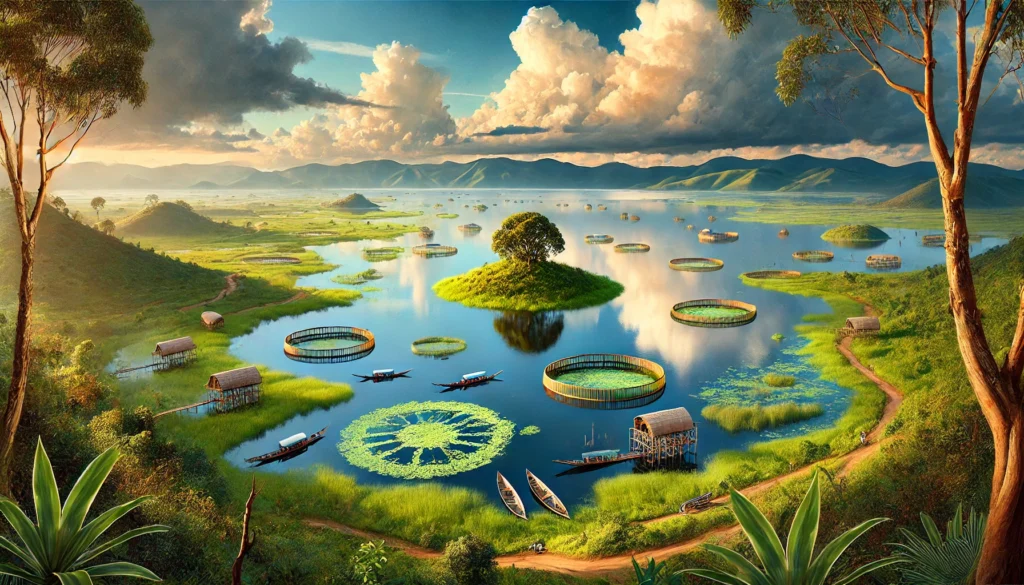
Manipur has a combINAtion of hilly areas, valleys and lakes. Loktak Lake, famous for its floating islands known as phumdis, is one of the most distinctive natural features of the state and an iconic part of its identity.
History of Manipur
Manipur has an ancient history and has long been the center of Manipuri civilization and culture. The state is also mentioned in the epic Mahabharata, which reflects its historical and cultural significance in the Indian subcontinent.
In the 19th century, Manipur became part of the British colonial empire. After India’s independence, Manipur officially joined the Union of India in 1949, shaping its modern political identity.
Population and Culture of Manipur
Population and Communities
Population: Around 28 lakhs (as per the 2021 census).
Major communities: The main communities living in Manipur are:
- Meitei (Hindu and others)
- Naga
- Kuki
- Pangal (Muslim)
Languages and Religions
Language: Manipuri (Meiteilon) is the official language of the state. In addition, Naga and Kuki tribes have their own languages and dialects, which add to the linguistic diversity.
Religion: Hinduism, Christianity and Islam are the major religions followed in Manipur. This religious diversity coexists with traditional beliefs and practices in many communities.
Economic Situation of Manipur
Main Occupation and Agriculture
Main occupation: Agriculture is the primary source of livelihood for a large part of the population. The fertile valleys support the cultivation of:
- Paddy (rice)
- Sugarcane
- Maize
- Turmeric
Handicrafts and Industries
Handicrafts: Bamboo craft and traditional weaving hold a special place in Manipuri culture. The handloom products, shawls and traditional dresses reflect the artistic skills of local artisans.
Industry: Tourism and the silk industry are important components of the state’s economy. With better connectivity and promotion, these sectors have the potential to generate more employment and income for local communities.
Culture and Traditions of Manipur
The culture of Manipur is rich, diverse and deeply rooted in its history. Traditional dance, festivals, music and sports form an integral part of daily life and community celebrations.
Dance
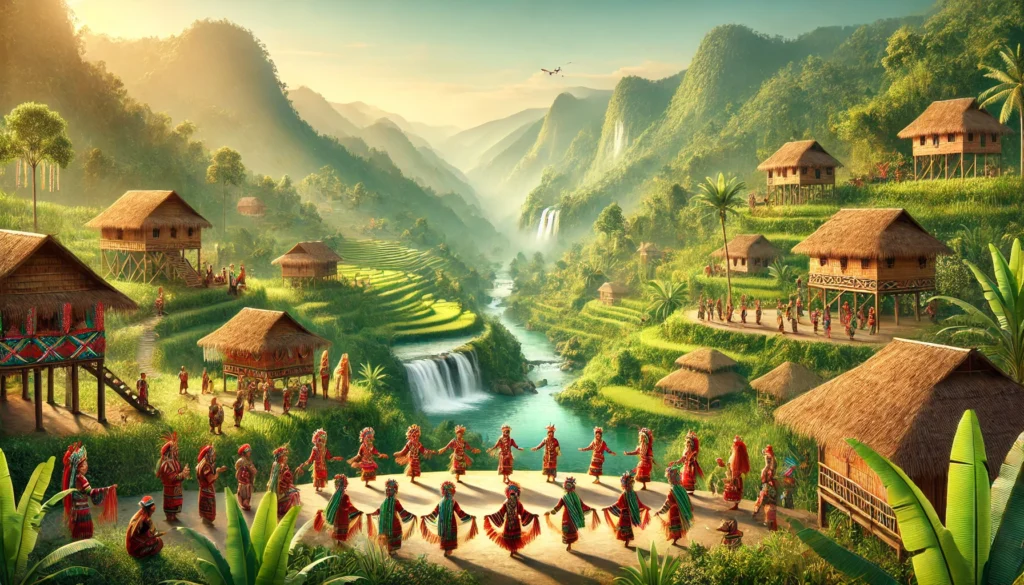
Manipuri classical dance is one of the most famous classical dance forms of India. Known for its grace, devotion and refined movements, it is a major cultural identity of Manipur and is often associated with themes from Vaishnavism and the life of Lord Krishna.
Festivals
Some of the major festivals celebrated in Manipur are:
- Yaoshang (Holi): A major festival that blends the spirit of Holi with local traditions.
- Sangai Festival: A cultural festival showcasing the art, dance, music, food and traditions of Manipur.
- Ningol Chakouba: A family festival where married daughters visit their parental homes.
- Cheiraoba: The Manipuri New Year, celebrated with rituals and family gatherings.
Sports
Manipur is considered the birthplace of the Polo game in India. The traditional form of polo, locally known as Sagol Kangjei, has a long history in the region and reflects the state’s love for horses and sports.
Major Tourist Spots in Manipur
Manipur offers a variety of tourist attractions that reflect its natural beauty and cultural legacy. Visitors can experience peaceful lakes, national parks, historical sites and vibrant festivals.
Important Places to Visit
- Loktak Lake: The largest freshwater lake in North-East India, famous for its floating phumdis.
- Keibul Lamjao National Park: The world’s only floating national park, home to the endangered Sangai deer.
- Kangla Fort: A historical fort in Imphal, symbolizing Manipur’s royal and political history.
- Thoubal Lake: A serene lake and a peaceful spot for nature lovers.

Sangai Festival Experience
The Sangai Festival is not just a celebration but also a window into the soul of Manipur. Through cultural performances, exhibitions and local cuisine, the festival highlights the unique identity of the state and attracts tourists from across India and abroad.
If you are interested in exploring more about India’s North-Eastern region, you can also read our article on Mizoram: Culture, Population and Tribal Life for a broader understanding of the neighbouring states.
Conclusion
Overall, Manipur is an important state of India due to its natural beauty, cultural diversity and historical importance. From ancient traditions and classical dance to modern sports and tourism, Manipur blends the old and the new in a unique way. Understanding Manipur helps us appreciate the wider cultural mosaic of India and the special role played by the North-East in shaping our national identity.
Frequently Asked Questions about Manipur
1. Why is Manipur called the "Jewel of the East"?
Manipur is called the "Jewel of the East" because of its picturesque hills, valleys, lakes and rich cultural heritage. Its natural beauty, traditional arts and harmonious communities make it one of the most unique and beautiful states in eastern India.
2. What is the capital of Manipur?
The capital of Manipur is Imphal, which is also the political and cultural hub of the state.
3. Which are the major rivers of Manipur?
The major rivers of Manipur are Iril, Imphal and Thoubal. These rivers play an important role in agriculture and the overall ecology of the state.
4. What is special about Loktak Lake?
Loktak Lake is special because it is famous for its floating islands called phumdis. It is the largest freshwater lake in North-East India and is a key source of livelihood, biodiversity and tourism for the people of Manipur.
5. Which communities live in Manipur?
Manipur is home to several communities, including the Meitei (Hindu and others), Naga, Kuki and Pangal (Muslim) communities. This diversity makes the social and cultural life of the state vibrant and dynamic.
6. What are the main occupations in Manipur?
The main occupation in Manipur is agriculture, with crops such as paddy, sugarcane, maize and turmeric being cultivated. Many people are also engaged in handicrafts, tourism and the silk industry.
7. Which festivals are famous in Manipur?
Some of the famous festivals of Manipur are Yaoshang (Holi), the Sangai Festival, Ningol Chakouba and Cheiraoba. These festivals showcase the traditions, family bonds and cultural richness of the state.
8. What is Manipuri classical dance known for?
Manipuri classical dance is known for its graceful movements, devotional themes and refined expressions. It often depicts stories related to Lord Krishna and Radha and is a major symbol of Manipuri culture.
9. How is Manipur connected to the game of polo?
Manipur is considered the birthplace of the game of polo in India. The traditional version of polo, known as Sagol Kangjei, has been played in Manipur for centuries and reflects the state’s strong equestrian tradition.
10. When did Manipur join the Union of India?
Manipur became part of the British colony in the 19th century and later joined the Union of India in 1949, shaping its modern political and administrative structure.
Geographical Location of Manipur
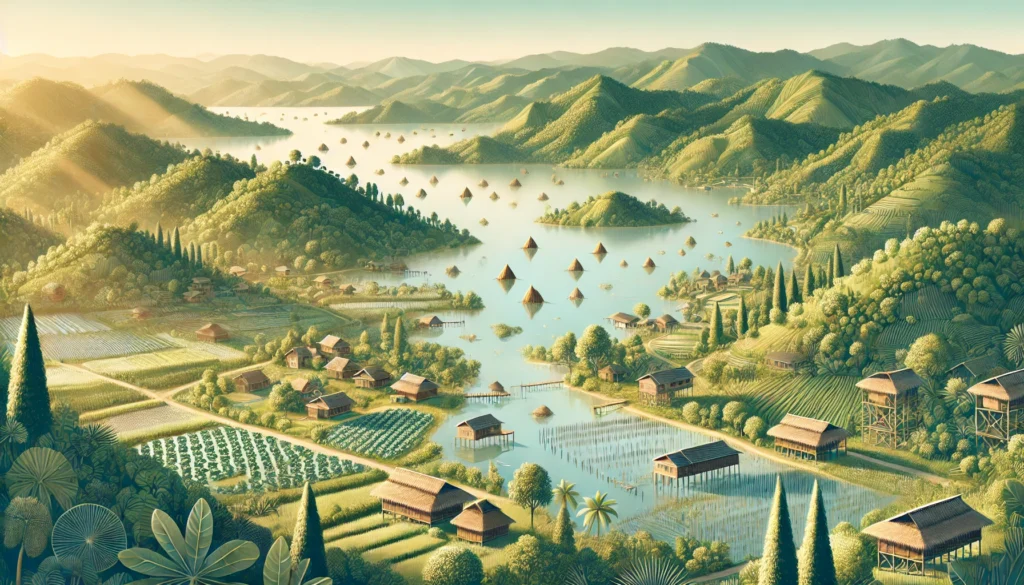
The geographical location of Manipur gives the state its unique natural beauty, climate, and ecological diversity. Located in the north-eastern part of India, Manipur plays an important role in the physical, cultural, and strategic landscape of the region.
Status and Extent
Location and Boundaries
Manipur is situated in the north-eastern region of India and shares both national and international boundaries.
The state lies between 23°83′ N to 25°68′ N latitude and 93°03′ E to 94°78′ E longitude.
Area and Topography
The total geographical area of Manipur is approximately 22,327 square kilometers. The state is broadly divided into two major physical regions:
Valley Region
The valley region lies in the central part of the state and is completely surrounded by hills.
- The main valley is the Imphal Valley
- Area: Approximately 1,500 sq km
- Most of Manipur’s population resides in this region
Mountainous Terrain
The hilly region covers nearly 90% of the total land area of Manipur.
- Average height: 2,000–3,000 meters
- Major ranges: Naga Hills and Kuki–Chin Hills
Natural Features of Manipur
Lakes
Loktak Lake is the largest freshwater lake in North-East India and is globally known for its floating islands called phumdis.
The lake plays a vital role in regulating the climate and maintaining the ecological balance of Manipur.
Rivers
Major rivers of Manipur include:
- Iril River
- Imphal River
- Thoubal River
- Barak River
These rivers support agriculture, drinking water supply, and the overall ecosystem of the state.
Flora and Wildlife
Dense forests of Manipur are rich in teak, sal, and medicINAl plants.
Keibul Lamjao National Park, the only floating national park in the world, is home to the Sangai deer, the state animal of Manipur.
Climate of Manipur
Manipur experiences a tropical monsoon climate.
- Summer (March–May): 16°C to 30°C
- Monsoon (June–September): Heavy rainfall
- Winter (October–February): Temperature may fall to 0°C
Geographical Importance of Manipur
Strategic Importance
Due to its proximity to Myanmar, Manipur holds strategic and commercial importance for India. It is often referred to as the “Eastern Gate of India”.
Ecological Balance
The forests, lakes, and rivers of Manipur play a key role in maintaining environmental balance in the North-Eastern region.
Natural Resources
Manipur is rich in water resources, fertile land, and mineral potential, which supports agriculture and future development.
Conclusion
The geographical location of Manipur not only enhances its natural beauty but also makes it economically, culturally, and strategically significant. Its valleys, mountain ranges, rivers, and biodiversity form the unique identity of the state.
Capital of Manipur – Imphal
Introduction to Imphal
Imphal is the capital and largest city of Manipur. Located at the heart of the Imphal Valley, the city is known for its cultural heritage, historical importance, and scenic surroundings.
Geographical Location of Imphal
- Location: Central Imphal Valley
- Elevation: About 790 meters (2,592 feet)
- Surrounded by lush green hills
Historical Significance
Kangla Fort
Kangla Fort is a symbol of Manipuri history and culture and was once the seat of Manipur’s kings.
World War II Connection
Imphal was the site of the historic Battle of Imphal between Japanese and Allied forces during World War II.

Culture and City Life
Cultural Centre
Imphal is the cultural heart of Manipur, famous for classical dance, art, handicrafts, and festivals.
Ima Market
Ima Market (Mother Market) is Asia’s largest women-run market and a unique example of women-led economic activity.
Modern Imphal
Imphal is developing rapidly with modern infrastructure.
- Imphal International Airport
- Educational institutions
- Medical facilities and sports complexes
Strategic Importance of Imphal
Imphal serves as the administrative, commercial, and tourism hub of Manipur. It is often referred to as the “Gateway to the East”.
Area Statistics
- Area of Imphal City: 36.50 sq km
- Area of Manipur State: 22,327 sq km
- Imphal Valley Area: 2,238 sq km (≈10%)
- Hilly Region: ≈90%
Rivers of Manipur
Major Rivers
Imphal River
The main river of Imphal Valley, supplying water to Loktak Lake and nearby areas.
Iril River
A major river supporting agriculture and joining the Imphal River.
Thoubal River
Flows through Thoubal district and is important for irrigation.
Barak River
The longest river of Manipur, flowing towards Assam and finally into the Bay of Bengal.
Khuga River
Flows through Churachandpur district; Khuga Dam aids power generation and water management.
Lamsang River
Provides water to villages in the Manipur Valley.
Importance of Rivers
- Agriculture: Irrigation support
- Drinking Water: Primary water source
- Hydroelectricity: Power generation
- Tourism: Scenic landscapes
These rivers are central to the ecological, economic, and cultural life of Manipur.
Related reading: Culture and History of Manipur
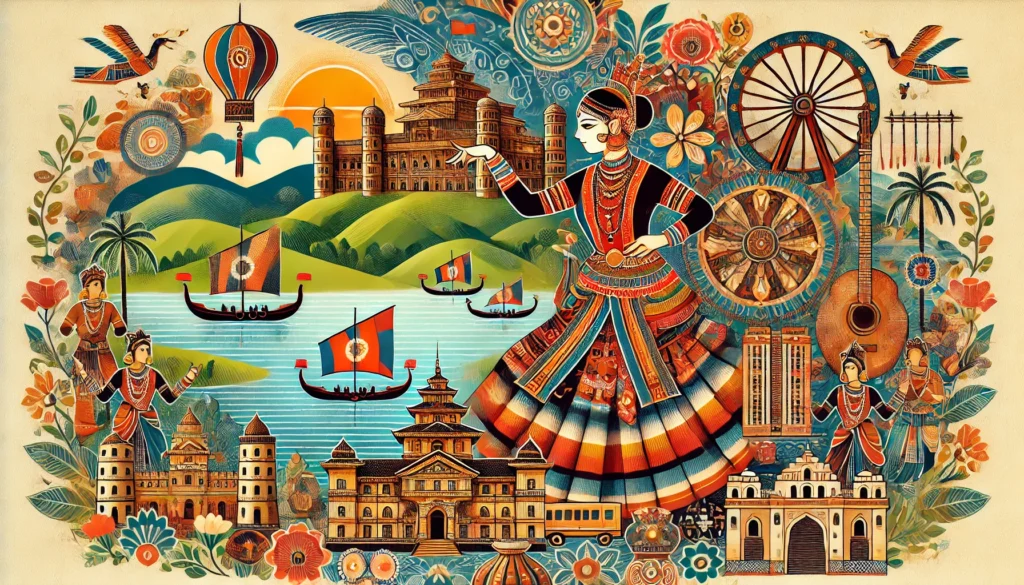
History and Culture of Manipur
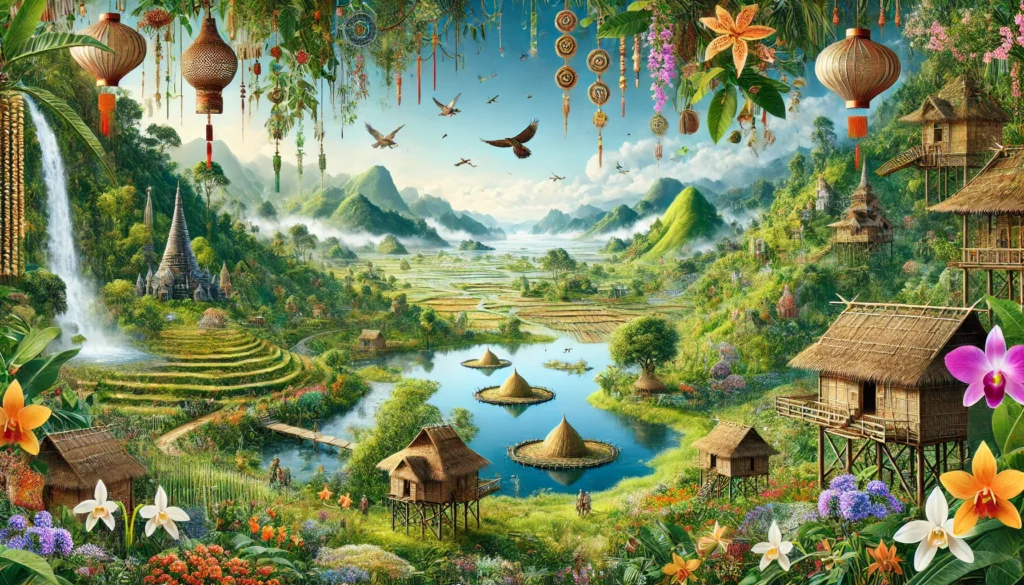
Manipur has an ancient, culturally rich, and politically diverse history. The region has not only been connected to the major civilizations of the Indian subcontinent but has also maintained deep cultural and trade relations with Southeast Asia. Its historical journey reflects resilience, cultural continuity, and a strong regional identity.
Ancient History of Manipur
Mention in the Mahabharata
Manipur is mentioned in ancient Indian texts such as the Mahabharata. According to legend, the marriage of Arjuna and the Naga princess Chitrangada took place in this region.
In ancient times, Manipur was known by names such as “Kangleipak” and “Mekalipak”.
Development of the Meitei Civilization
The Meitei community formed the core of Manipur’s early civilization.
- Nature-based belief systems were widely followed
- Worship of the Sun and the Moon was common
- Strong traditions of social organization and cultural practices developed
Medieval History of Manipur
Reign of King Pakhangba (33 AD)
According to Meitei mythology, King Pakhangba established the kingdom of Manipur and is considered its first ruler.
He introduced an organized system of governance and strengthened the political and cultural identity of Manipur.
Arrival of Vaishnavism (17th Century)
Vaishnavism spread in Manipur during the reign of King Garibniwaj (1709–1748).
- Vaishnav saints from Bengal influenced religious life
- Hindu Vaishnav traditions blended with local customs
- Manipuri classical dance and music flourished
Modern History of Manipur
Before the Advent of British Rule
During the 18th and early 19th centuries, Manipur maintained political relations with neighboring kingdoms and the Burmese Empire (Myanmar).
Between 1819 and 1826, Burma invaded Manipur. This period is locally remembered as “Ango Chi Long” or the “Seven Years of Devastation”.
British Intervention
After the Treaty of Yandaboo (1826), the influence of the British East India Company increased in Manipur.
- Manipur became a princely state under British India
- In 1891, the Anglo–Manipur War took place
- Manipur lost its independence and came under British control
Freedom Struggle and Merger with India
Role During World War II
Manipur gained strategic importance during the Second World War.
- The historic Battles of Imphal and Kohima were fought here
- The conflict involved Japanese forces and the Allied powers
- These events also influenced India’s freedom movement

Manipur After 1947
After India’s independence, Manipur adopted its own constitutional system in 1947.
In 1949, Maharaja Bodhchandra Singh signed the Merger Agreement with the Government of India, and Manipur became part of the Republic of India.
Post-Modern History
Union Territory and Statehood
- 15 October 1949: Manipur became a Union Territory
- 21 January 1972: Manipur was granted full statehood
Contemporary Developments
In recent decades, Manipur has faced cultural, political, and economic challenges.
Its position as the “Eastern Gateway of India” makes it strategically important for trade and connectivity with Myanmar and Southeast Asia.
Cultural and Historical Significance of Manipur
Manipuri Dance and Art
Manipuri classical dance evolved under the influence of Vaishnavism and is known for its grace, devotion, and spiritual expression.
Kangla Fort
Kangla Fort is the historical and cultural heart of Manipur and symbolizes the state’s royal legacy.
Ima Market
The famous Ima Market, run entirely by women, represents the economic independence and self-reliance of Manipuri women.
Conclusion
The history of Manipur is a powerful blend of cultural richness, political struggle, and social resilience. Its ancient traditions, classical art forms, and historic events make Manipur a proud and integral part of India’s diverse heritage.
Related article: Culture and Traditions of Manipur
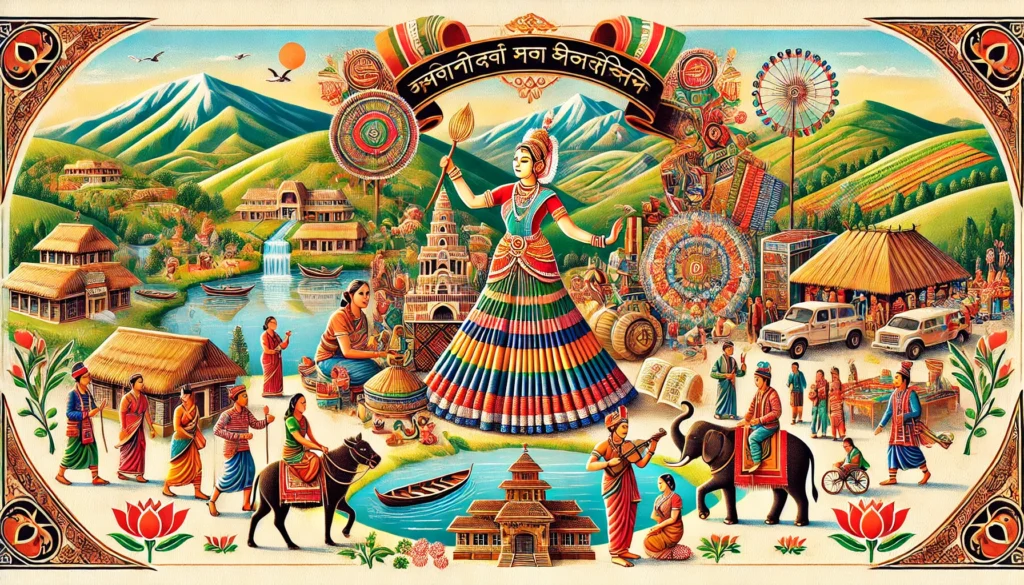
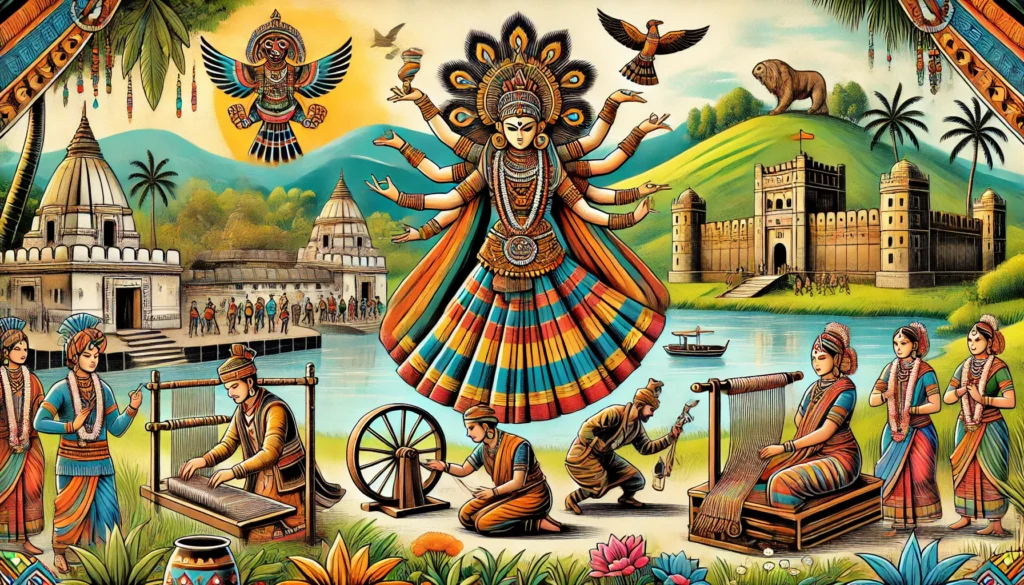
Culture and Traditions of Manipur
The culture of Manipur is extremely rich, diverse, and deeply rooted in its history, religion, society, and natural surroundings. Music, dance, literature, art, festivals, sports, and traditional customs form the foundation of Manipuri cultural life. The cultural identity of Manipur has been shaped by various communities such as the Meitei, Naga, Kuki, and Pangal, each of which has preserved its own traditions while contributing to the collective heritage of the state.
1. Dance and Music of Manipur
Dance and music occupy a central place in the cultural life of Manipur. These art forms are not merely entertainment but are closely associated with religious devotion, social life, and traditional values.
Dance Forms
Raas Leela (Manipuri Classical Dance)
The most famous and classical dance form of Manipur is Raas Leela. It is a graceful dance-drama based on the divine love story of Lord Krishna and Radha.
- Performed with soft movements and gentle expressions
- Accompanied by traditional instruments like Mridanga and Pakhavaj
- Usually performed on full moon nights, creating a spiritual and serene atmosphere
Other Traditional Dances
- Thang-Ta: A martial dance showcasing sword and shield techniques
- Pangal Dance: Performed by the Muslim community during social and religious occasions
- Laila Dance: A group dance associated with agricultural activities and community life
Music
Manipuri music is deeply connected with dance and religious ceremonies.
- Traditional instruments include Pakhavaj, Mridanga, Surungi (flute), and Sarangi
- Music enhances emotional expression in dance and storytelling
2. Literature and Art of Manipur
Literature
Manipuri literature reflects the philosophical, religious, and cultural depth of the society. Most literary works are written in the Meitei (Manipuri) language.
- Rich traditions of poetry, drama, and prose
- Religious texts, folk tales, and cultural poems are prominent
- Ancient poetic works like Irata and Maythirb are significant
Art and Handicrafts
Traditional art forms of Manipur are closely linked to religion and daily life.
- Wall paintings depicting Krishna–Radha and mythological scenes
- Handicrafts such as pottery (kulal), bamboo products, and canvas embroidery
- Handloom weaving is especially famous among women
3. Festivals and Celebrations
Festivals are an essential means of preserving and expressing the cultural traditions of Manipur. They promote unity, devotion, and social harmony.
Lai Haraoba
A major religious and cultural festival of the Meitei community, celebrated to honor local deities under the Sanamahi religion.
- Celebrated during May–June
- Includes traditional dances, songs, and rituals
Navratri
Celebrated mainly by the Meitei community and associated with the worship of Radha and Krishna.
- Special Raas Leela performances
- Night-long prayers and cultural programs
Yaoshang
Yaoshang is the Manipuri version of Holi, celebrated in March–April.
- Festival of colors, joy, and community bonding
- Popular among children and youth
Kuki Choiba
An important harvest festival of the Kuki community.
- Celebrated after the harvest season
- Symbolizes thanksgiving, unity, and brotherhood
Ira-i-thoi
A major festival of the Naga community, celebrated with traditional food, dances, and songs.

Chakhao Festival
An agricultural festival dedicated to Chakhao (black rice), a unique crop of Manipur.
Diwali and Eid
Diwali is celebrated by Hindu communities, while Eid-ul-Fitr and Eid-ul-Adha are celebrated by the Pangal (Muslim) community, reflecting religious harmony.
4. Traditional Clothing and Jewellery
Traditional Clothing
- Meitei Women: Phanek and Innaphi
- Meitei Men: Dhoti and Kurta
- Naga and Kuki Tribes: Colorful handwoven garments with symbolic patterns
Jewellery
Traditional jewellery includes bangles, necklaces, earrings, and handcrafted ornaments, worn especially during festivals and weddings.
5. Traditional Games and Sports
Sports are deeply embedded in Manipuri culture and are viewed as a way of life rather than mere recreation.
Traditional Sports
- Thang-Ta: A martial art combining swordplay and dance
- Hao-Lung: A traditional team ball game
Modern Sports
- Football
- Volleyball
- Boxing
- Badminton
- Basketball
- Kabaddi and Kho-Kho
Manipur has produced several national and international-level sportspersons, making it one of India’s most sports-oriented states.
6. Food and Cuisine of Manipur
Manipuri cuisine is known for its simplicity, healthiness, and use of natural ingredients.
- Chakhao: Famous black rice
- Iromba: Vegetable and fish-based dish
- Singju: Spicy salad
- Chamfut: Boiled seasonal vegetables
- Irai Mashu: Fish curry
7. Economic Life and Cultural Economy
The traditional economy of Manipur is closely linked with its culture.
Agriculture
- Main crops: Rice, maize, potato, pulses, sesame
- Traditional practices like Jhum cultivation are still followed
Handicrafts and Small Industries
- Handloom and weaving
- Bamboo and cane products
- Manipuri silk and khadi
Tourism and Trade
Cultural tourism based on festivals, dance, Loktak Lake, and historical sites is gradually growing. Border trade with Myanmar also contributes to local commerce.
Conclusion
The culture and traditions of Manipur represent a harmonious blend of diversity, spirituality, and historical depth. Its dance forms, music, festivals, sports, cuisine, and economic activities together form a living cultural system that continues to thrive. Rooted in traditional values yet open to change, Manipuri culture gives the state a unique and proud identity within India.
Related reading: Population and Culture of Manipur