
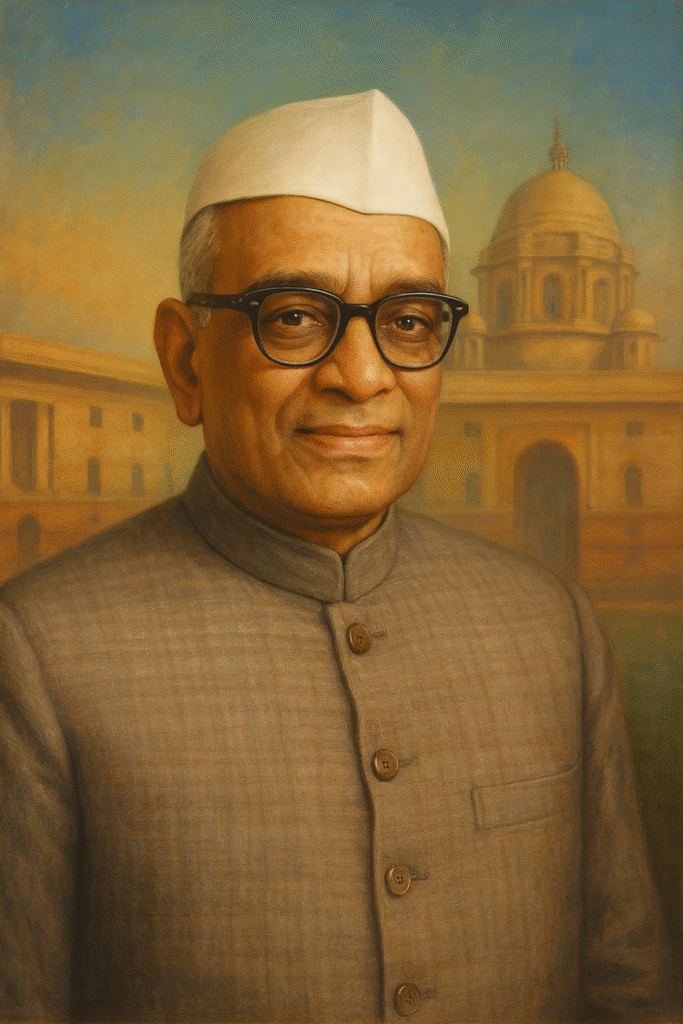
Biography of Shri Neelam Sanjiva Reddy
Neelam Sanjiva Reddy was an Indian freedom fighter and political leader who served as the sixth President of India from July 25, 1977, to July 25, 1982. He held several important constitutional and political positions, including Chief Minister of Andhra Pradesh, Speaker of the Lok Sabha, and Union Minister.
He played an important role in India's freedom movement and post-independence politics. His political career reflected his involvement in state administration, parliamentary affairs, and the constitutional responsibilities of the highest office in the country.
Early Life and Education
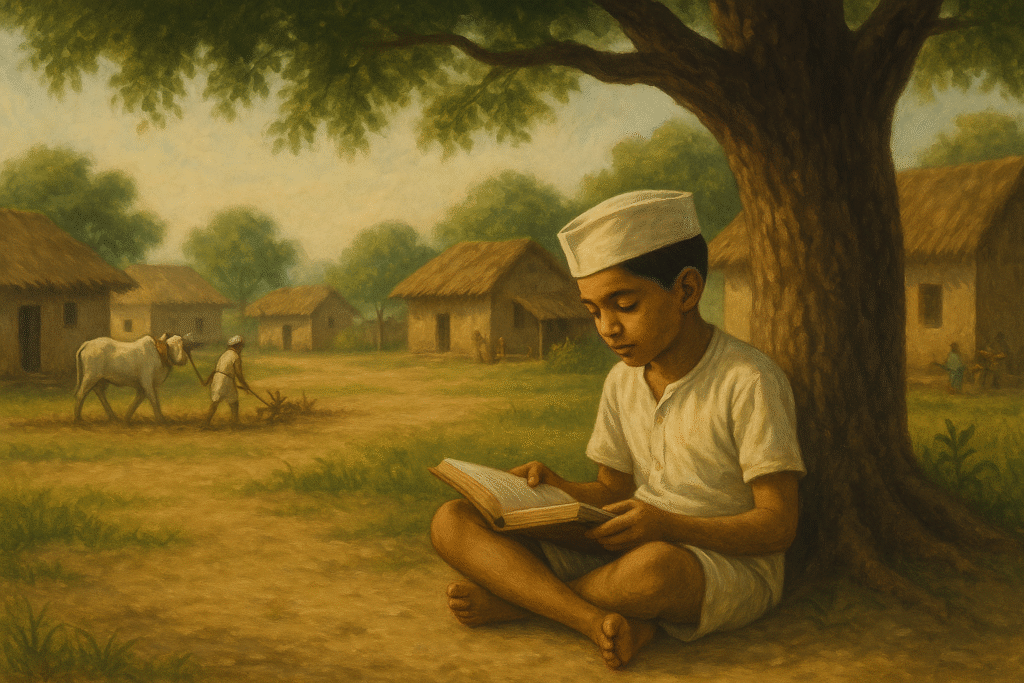
Shri Neelam Sanjiva Reddy was born on May 19, 1913, in Illur village in the Anantapur district of present-day Andhra Pradesh. He belonged to a farming family and grew up in a rural environment.
He received his early education at Theosophical High School, Adyar, Madras, and later studied at Government Arts College, Anantapur. During his college years, he became interested in India's freedom movement and gradually moved towards public and political life.
In 1931, he left his studies to participate in the Civil Disobedience Movement. His involvement in the freedom struggle led to several periods of imprisonment under British rule.
Entry into Politics and Freedom Struggle
Neelam Sanjiva Reddy became actively involved in the Indian freedom movement during the early 1930s. He joined the Indian National Congress and participated in political activities against British colonial rule.
In 1936, he became the Secretary of the Andhra Provincial Congress Committee, a position he held for several years. He also participated in the Quit India Movement and was imprisoned during the freedom struggle.
After independence, he continued his political activities and held important positions in the Congress organisation. He served as President of the Andhra Pradesh Congress Committee and later as President of the Indian National Congress from 1960 to 1962.
Tenure as Chief Minister of Andhra Pradesh
Neelam Sanjiva Reddy became the first Chief Minister of the newly formed state of Andhra Pradesh on November 1, 1956. He served two non-consecutive terms as Chief Minister.
- First Term: November 1, 1956, to January 11, 1960.
- Second Term: March 12, 1962, to February 29, 1964.
During his tenure, he was involved in the administration and development of the state. Agriculture and irrigation were among the important areas of public policy during his political career.
He resigned from the Chief Minister's office in February 1964 following a Supreme Court verdict in a case, as recorded in the official parliamentary biography.
Role as a Union Minister
After serving as Chief Minister, Neelam Sanjiva Reddy entered the Union Government and held important ministerial responsibilities.
- Minister of Steel and Mines: June 1964 to January 1966.
- Minister of Transport, Aviation, Shipping and Tourism: January 1966 to March 1967.
These responsibilities gave him experience in national administration and central government policymaking.
Tenure as Speaker of the Lok Sabha
Neelam Sanjiva Reddy was elected to the Fourth Lok Sabha in 1967 and became its Speaker. He served as Speaker from March 17, 1967, to July 19, 1969.
In July 1969, he resigned from the position of Speaker to contest the Presidential election against V. V. Giri. He lost that election.
Following the 1977 general elections, he returned to Parliament and was unanimously elected Speaker of the Sixth Lok Sabha on March 26, 1977. He resigned from this office in July 1977 before assuming the presidency.
The Path to Becoming President of India
The 1977 general elections brought a change in the central government, and the Janata Party came to power. Neelam Sanjiva Reddy emerged as a consensus candidate for the office of President of India.
In July 1977, he was elected unopposed as the sixth President of India. He became the first person in Indian history to be elected to the office of President without a contest.
He assumed office on July 25, 1977, and served until July 25, 1982. During his presidency, India experienced changes in government and political leadership, and he performed his responsibilities as the constitutional Head of State.
Contributions of Neelam Sanjiva Reddy
1. Political Leadership
Neelam Sanjiva Reddy held several important positions in the Indian National Congress and played a significant role in the political development of Andhra Pradesh. His experience included state administration, party organisation, and national politics.
2. Contribution to Parliamentary Institutions
As Speaker of the Lok Sabha, he presided over parliamentary proceedings and performed responsibilities related to the functioning of the House. He served as Speaker during two separate periods, in 1967–1969 and 1977.
3. Constitutional Responsibilities
As President of India, he performed the duties and responsibilities of the constitutional Head of State. His presidency coincided with an important period of political change in the country.
4. Contribution to Public Administration
His experience as Chief Minister and Union Minister connected him with several areas of administration, including agriculture, irrigation, steel, mines, transport, aviation, shipping, and tourism.
Characteristics of His Personality
Neelam Sanjiva Reddy came from a farming background and maintained an association with rural life throughout his career. His public life included participation in the freedom struggle, political organisation, state administration, parliamentary leadership, and constitutional responsibilities.
His election as President without opposition in 1977 was a notable event in India's parliamentary and constitutional history.

Recommended Reading
Explore this resource on Amazon for additional reading and learning material.
View Resource on AmazonDeath and Legacy
Neelam Sanjiva Reddy passed away on June 1, 1996. He is remembered for his long public career and for holding several important offices, including the first Chief Minister of Andhra Pradesh, Speaker of the Lok Sabha, Union Minister, and sixth President of India.
His political journey from the freedom movement to the highest constitutional office reflects the different stages of India's political development after independence.
Conclusion
The life of Shri Neelam Sanjiva Reddy represents an important chapter in the political history of modern India. From participating in the freedom struggle to serving as Chief Minister, Union Minister, Speaker of the Lok Sabha, and President of India, he held several significant public offices.
His election as President without opposition in 1977 remains a distinctive event in India's electoral history. His contributions to parliamentary institutions, state administration, and constitutional governance form an important part of his public legacy.
References
Entry of Shri Neelam Sanjiva Reddy Into Politics
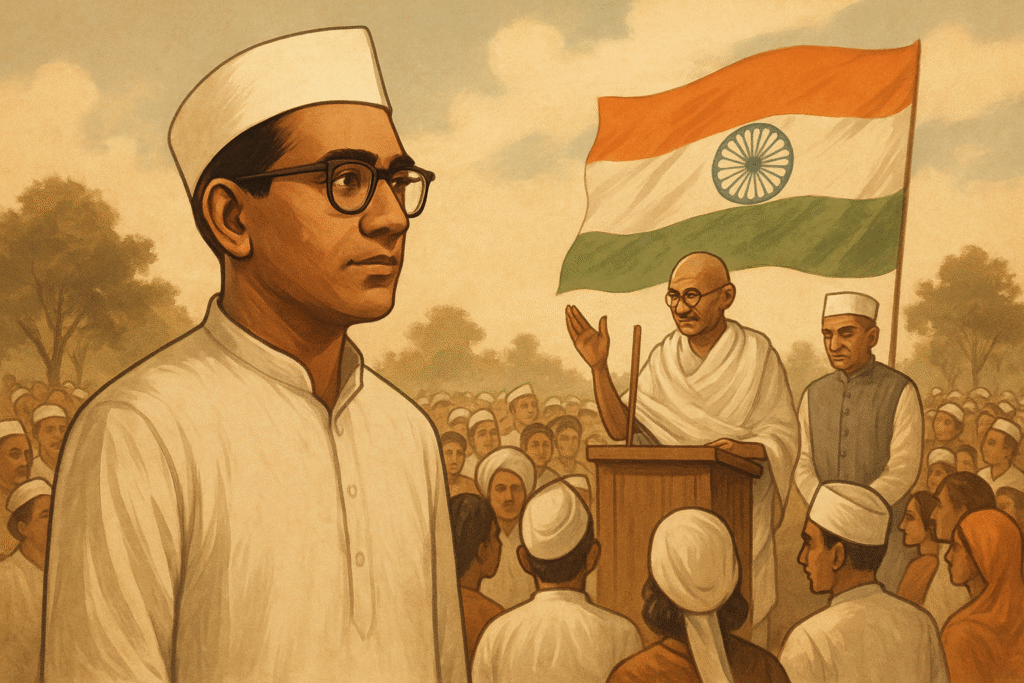
Shri Neelam Sanjiva Reddy entered public life during the Indian freedom struggle. Born on 19 May 1913 in Illur village, Anantapur district, he grew up during a period when nationalist activities against British colonial rule were gaining momentum. The ideas of Mahatma Gandhi and the activities of the Indian National Congress influenced his decision to participate in the freedom movement.
Freedom Struggle and Association with Congress
In 1931, while still a student, Neelam Sanjiva Reddy left his studies and joined the Indian freedom movement. He participated in nationalist activities and became associated with the Indian National Congress. His involvement in the movement led to imprisonment several times, particularly during the period 1940–1945.
His commitment to the national movement helped him develop political awareness, organisational experience and leadership abilities. These experiences became the foundation of his later political career.
Beginning of Organisational Political Career
In 1936, Neelam Sanjiva Reddy became the Secretary of the Andhra Provincial Congress Committee. He held this position for approximately ten years. This responsibility gave him an important role in organising Congress activities and strengthening the party in the Andhra region.
In 1946, he was elected to the Madras Legislative Assembly. In 1947, he also became a member of the Constituent Assembly of India, which was responsible for framing the Constitution of independent India.
Political Responsibilities Before Independence and After
After entering the Madras Legislative Assembly, Reddy continued to hold important organisational and administrative responsibilities. From 1949 to 1951, he served as the Minister for Prohibition, Housing and Forests in the Madras Government.
In 1951, he became the President of the Andhra Pradesh Congress Committee. When Andhra State was formed in 1953, he served as Deputy Chief Minister under Chief Minister T. Prakasam. These responsibilities strengthened his position as an important political leader in the Andhra region.
Rise in Andhra Pradesh Politics
The formation of Andhra Pradesh on 1 November 1956 marked an important stage in Neelam Sanjiva Reddy's political career. Following the reorganisation of states, he became the first Chief Minister of the newly formed Andhra Pradesh.
His earlier experience in the Congress organisation, the Madras Government and the Andhra State administration helped him take on this responsibility. He became one of the prominent political figures in the state.
First Tenure as Chief Minister
Neelam Sanjiva Reddy served as the first Chief Minister of Andhra Pradesh from 1 November 1956 to 11 January 1960. During this period, he was associated with the administration and development planning of the newly formed state.
In 1959, he was elected President of the Indian National Congress. He subsequently left the Chief Minister's office in January 1960 and focused on his responsibilities in the national Congress organisation.
Second Tenure as Chief Minister
Neelam Sanjiva Reddy returned to the office of Chief Minister on 12 March 1962. His second tenure continued until 29 February 1964.
In February 1964, he voluntarily resigned from the Chief Minister's position following a Supreme Court verdict in the Kurnool Road Transport Nationalisation case. His resignation was associated with his stated commitment to maintaining standards in public life.
He was an important figure in the political and administrative development of Andhra Pradesh during its formative years.
Major Administrative and Developmental Contributions
As Chief Minister, Neelam Sanjiva Reddy was involved in the administration and development planning of Andhra Pradesh. His period in office coincided with the early years of the newly reorganised state, when administrative integration and the development of major infrastructure were important priorities.
He is associated with the planning and development efforts relating to major irrigation projects, including Nagarjuna Sagar, Srisailam, Sriram Sagar and Vamsadhara. These projects became important milestones in the development of irrigation and Water Resources in the region.
His role in the early administration of Andhra Pradesh contributed to the development of the state's institutional and administrative framework.
Entry into National Politics
After leaving the Chief Minister's office in 1964, Neelam Sanjiva Reddy entered the Union Government. In June 1964, he became the Union Minister for Steel and Mines in the government led by Prime Minister Lal Bahadur Shastri.
In January 1966, he took charge of the portfolios of Transport, Aviation, Shipping and Tourism in the Union Government led by Prime Minister Indira Gandhi. He continued in these responsibilities until March 1967.
Role as Speaker of the Lok Sabha
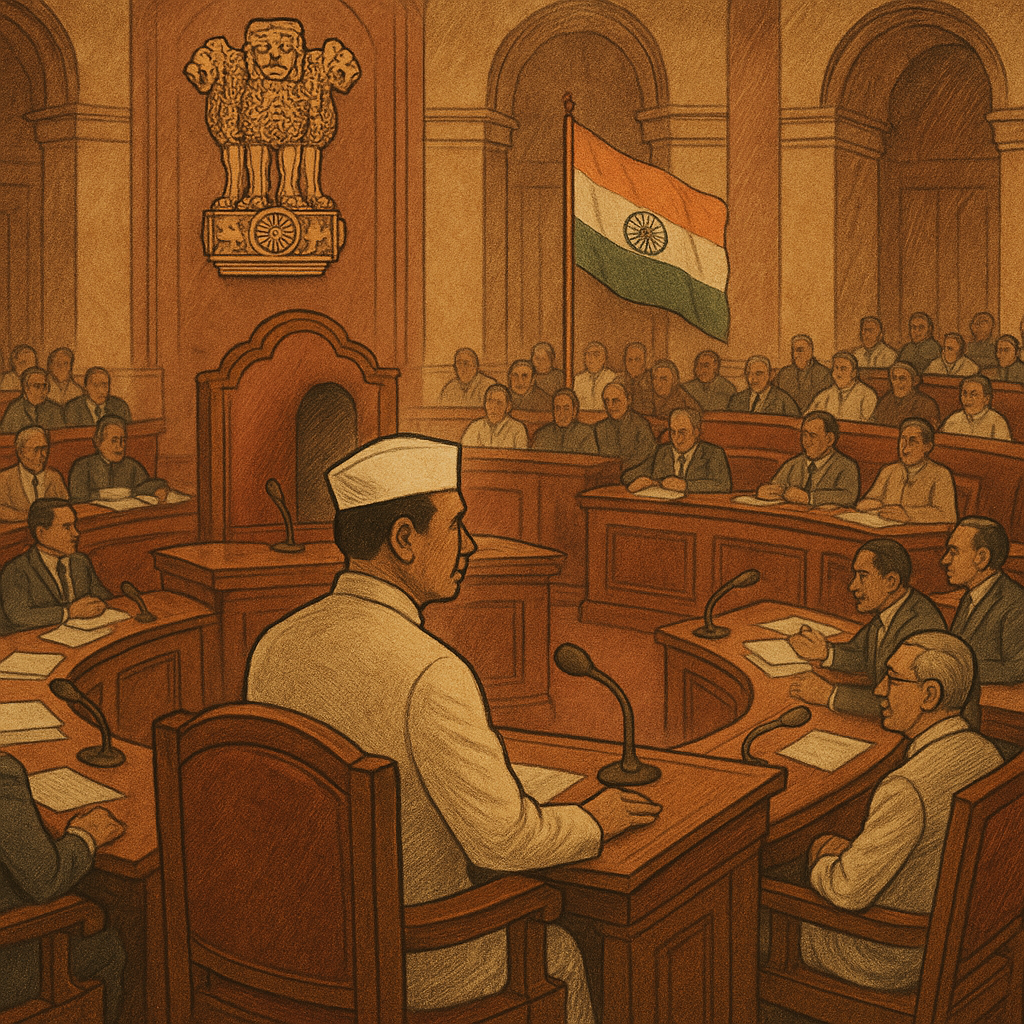
In 1967, Neelam Sanjiva Reddy was elected to the Fourth Lok Sabha from Andhra Pradesh. On 17 March 1967, he became the Speaker of the Lok Sabha. He held this office until 19 July 1969.
His experience as a legislator, minister and political organiser contributed to his work as the presiding officer of the Lok Sabha.
Presidential Election and Rise to the Highest Constitutional Office
In 1969, Neelam Sanjiva Reddy contested the Presidential election as the official candidate of the Indian National Congress. He lost the election to V. V. Giri.
Following the political changes of 1977, Reddy emerged as a consensus candidate supported by the Janata Party and other political groups. He was elected President of India unopposed in July 1977, becoming the first President of India to be elected unopposed.
He assumed office as the Sixth President of India on 25 July 1977 and served until 25 July 1982.
Recommended Reading
Readers interested in Indian history, political institutions and the lives of important national leaders may find this resource useful for additional learning.

Affiliate Disclosure: GSStudyHub may earn a commission from qualifying purchases at no extra cost to you.
In Short
Neelam Sanjiva Reddy entered the freedom movement in 1931 and became Secretary of the Andhra Provincial Congress Committee in 1936. He served as a minister in the Madras Government, Deputy Chief Minister of Andhra State and the first Chief Minister of Andhra Pradesh. He held the Chief Minister's office twice, from November 1956 to January 1960 and from March 1962 to February 1964. Later, he served as a Union Minister, Speaker of the Lok Sabha and the Sixth President of India from 1977 to 1982.
References
Neelam Sanjiva Reddy's Political Journey Before Becoming President
Shri Neelam Sanjiva Reddy was one of the prominent political leaders of India. His political career began with the Indian freedom struggle and gradually developed through his responsibilities in the Indian National Congress, the Andhra Pradesh Government, the Union Government and the Lok Sabha.
Before becoming the Sixth President of India in 1977, he served as the first Chief Minister of Andhra Pradesh, a Union Minister and the Speaker of the Lok Sabha. His political journey also included an unsuccessful attempt to become President in the 1969 Presidential Election.
Political Career and the 1969 Presidential Election
Neelam Sanjiva Reddy became an important leader of the Indian National Congress after participating in the freedom movement. He served as the President of the Indian National Congress from 1959 to 1962 and held important administrative responsibilities in Andhra Pradesh and the Union Government.
In 1967, he was elected to the Fourth Lok Sabha and became its Speaker on 17 March 1967. He continued in this position until 19 July 1969.
In 1969, following the death of President Dr. Zakir Husain, a Presidential Election was held. Neelam Sanjiva Reddy was nominated as the official candidate of the Indian National Congress. However, V. V. Giri also contested the election as an independent candidate.
V. V. Giri won the Presidential Election, defeating Neelam Sanjiva Reddy. This was an important turning point in Reddy's political career. He subsequently remained away from active parliamentary office for several years.
Return to Parliament in 1977
The Emergency imposed in India between 1975 and 1977 was followed by a major political change. The general elections of March 1977 resulted in the defeat of the Congress government led by Prime Minister Indira Gandhi and the formation of the Janata Party government under Morarji Desai.
Neelam Sanjiva Reddy returned to Parliament after being elected to the Sixth Lok Sabha from Nandyal constituency in Andhra Pradesh in 1977.
On 26 March 1977, he was elected Speaker of the Sixth Lok Sabha. He held this office until 13 July 1977, when he left the position following his election as President of India.
Election as the President of India in 1977
Following the formation of the Janata Party government, Neelam Sanjiva Reddy emerged as a consensus candidate for the Presidential Election of 1977. His long political experience and parliamentary background made him a widely accepted choice.
Several candidates filed nomination papers for the Presidential Election. However, after scrutiny, only Neelam Sanjiva Reddy's nomination papers were found valid. Consequently, he was declared elected unopposed on 21 July 1977.
This was a historic event because he became the first President of India to be elected without a contest.
On 25 July 1977, Neelam Sanjiva Reddy took the oath of office as the Sixth President of India. His election marked the beginning of a new phase in his political career.
Tenure of Shri Neelam Sanjiva Reddy as President
Neelam Sanjiva Reddy served as the Sixth President of India from 25 July 1977 to 25 July 1982. His presidency coincided with a period of considerable political change, including changes of government at the national level.
Constitutional Role and Responsibilities
As President, Reddy served as the constitutional Head of State. His responsibilities included performing constitutional duties, appointing the Prime Minister in accordance with the constitutional framework and participating in the legislative process through the powers assigned to the President under the Constitution.
His tenure took place during a period of parliamentary developments and political changes. The Janata Party government led by Morarji Desai came to power in 1977, followed by the government led by Charan Singh in 1979. After the 1980 general elections, Indira Gandhi returned as Prime Minister.
Presidential Leadership During Political Changes
During his presidency, India experienced changes in political leadership and government formation. The period demonstrated the importance of constitutional procedures and the role of the President within India's parliamentary system.
Reddy completed his five-year term on 25 July 1982. He was succeeded by Giani Zail Singh as the President of India.
Historical Importance of Neelam Sanjiva Reddy's Presidency
Neelam Sanjiva Reddy occupies an important place in Indian political history for several reasons. He was the first President of Andhra Pradesh, a two-time Speaker of the Lok Sabha and the first President of India to be elected unopposed.
His political journey from the freedom movement to the highest constitutional office reflects his long association with India's political and parliamentary institutions.
Recommended Reading

Readers interested in Indian history, constitutional institutions and the lives of national leaders may find this resource useful for further study.
Affiliate Disclosure: As an Amazon Associate, GSStudyHub may earn from qualifying purchases.
In Short
Neelam Sanjiva Reddy never served as the Vice President of India. He was Speaker of the Lok Sabha from 1967 to 1969 and again from March to July 1977. He contested the 1969 Presidential Election but lost to V. V. Giri. In 1977, he was declared elected President unopposed and served as the Sixth President of India from 25 July 1977 to 25 July 1982.