
Introduction
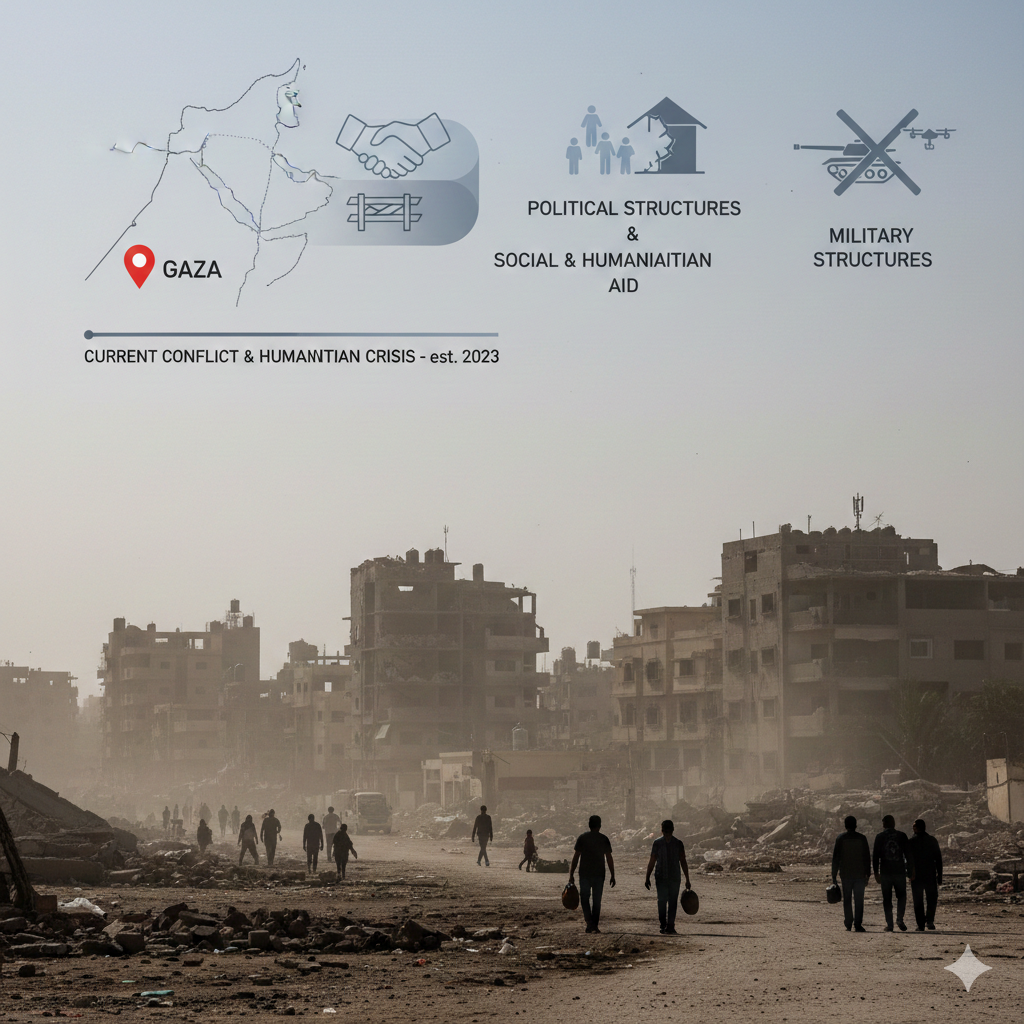
In this piece I share what I have learned while researching and reflecting on Hamas — formally known as Harakat al-Muqawamah al-Islamiyya. My aim is to present a balanced, factual overview: its origins, ideology, structure, major events, international responses, and the humanitarian and political consequences I observed.
Hamas is a Palestinian Islamist organization and political party, primarily active in the Gaza Strip and widely known for its armed confrontation with Israel. The group is viewed very differently across the world — from being considered a political actor or resistance movement by some to being officially designated a terrorist organization by others. :contentReference[oaicite:0]{index=0}
Establishment and History
FoUNding
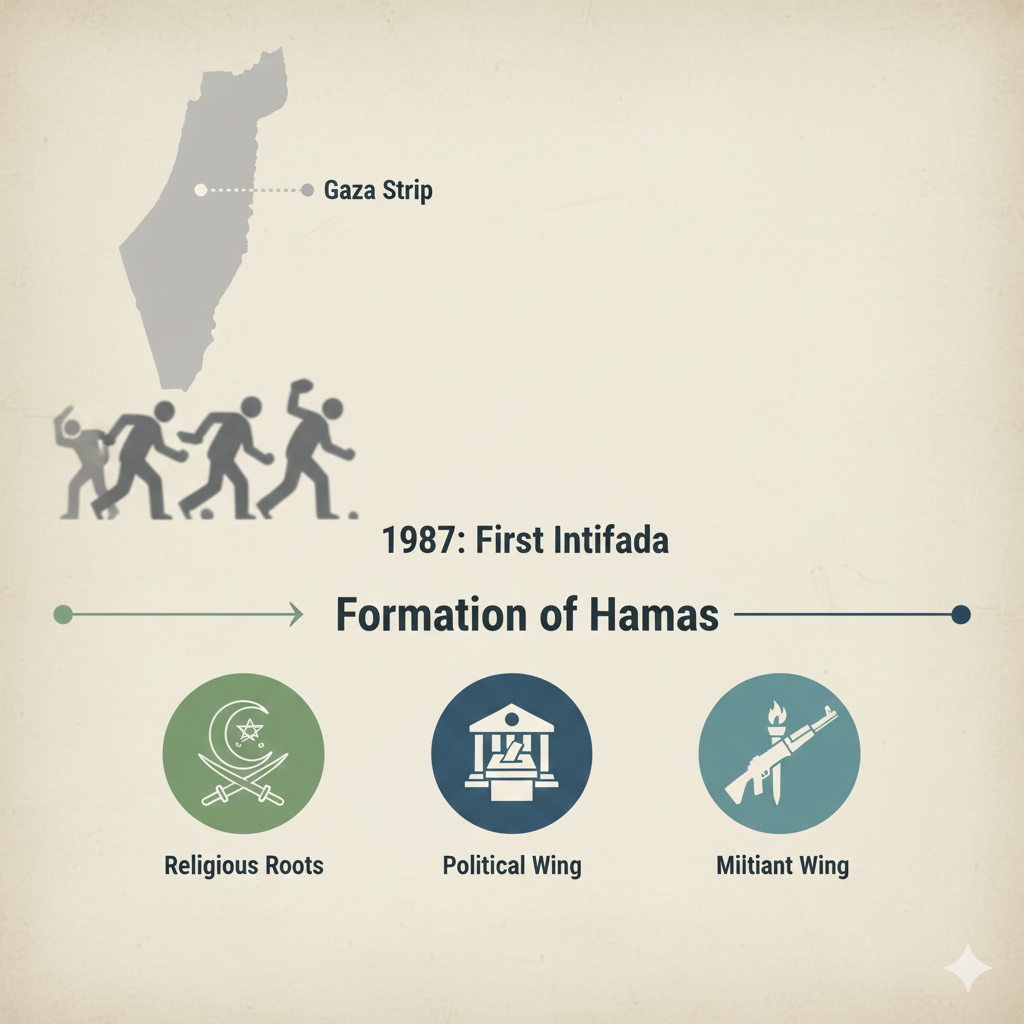
Hamas was officially formed in 1987 during the First Intifada (the Palestinian uprising). It grew out of the Palestinian branch of the Muslim Brotherhood and quickly became a major actor in Palestinian politics and resistance. :contentReference[oaicite:1]{index=1}
Founders
The organization's early leadership included prominent figures such as Sheikh Ahmed Yassin, Abd al-Aziz al-Rantisi, and Mohammed Taha. Their leadership shaped Hamas's early strategy of combining social services with political and armed action. :contentReference[oaicite:2]{index=2}
Ideology and Objectives
Hamas's stated ideology is grounded in Sunni Islamic principles and Palestinian nationalism. Its primary objectives have traditionally included:
- The replacement of the State of Israel with a Palestinian state governed by Islamic law (as stated in its founding charter and later documents).
- Armed resistance against Israeli military and civilian presence in the occupied territories.
- The establishment and enforcement of Islamic rule and Sharia within territories it controls.
Note: Different observers emphasize different aspects — political governance and social services on one hand, and armed militancy on the other — which is why global opinions about Hamas vary so widely.
Amazon Recommended Pick
Reliable performance • Customer trusted • Great value for money
- ✔ 100% Genuine Product
- ✔ Fast Amazon Delivery
- ✔ Easy Return Policy
Structure of Hamas
Hamas combines political, social, and military components. Two major branches are commonly described:
Political branch
The political wing conducts diplomacy, runs civil programs, and manages social services across Palestinian communities. It has representatives and offices that engage with regional and international actors.
Military wing — Izz ad-Din al-Qassam Brigades
The military wing, known as the Izz ad-Din al-Qassam Brigades (or Al-Qassam Brigades), is responsible for armed operations and militant activity. The Brigades have organized cells, training, and weaponry, and are widely reported as the primary militant arm of Hamas. :contentReference[oaicite:3]{index=3}
Major Events and Conflicts
Over the decades Hamas has been involved in several major political milestones and violent confrontations:
Key timeline
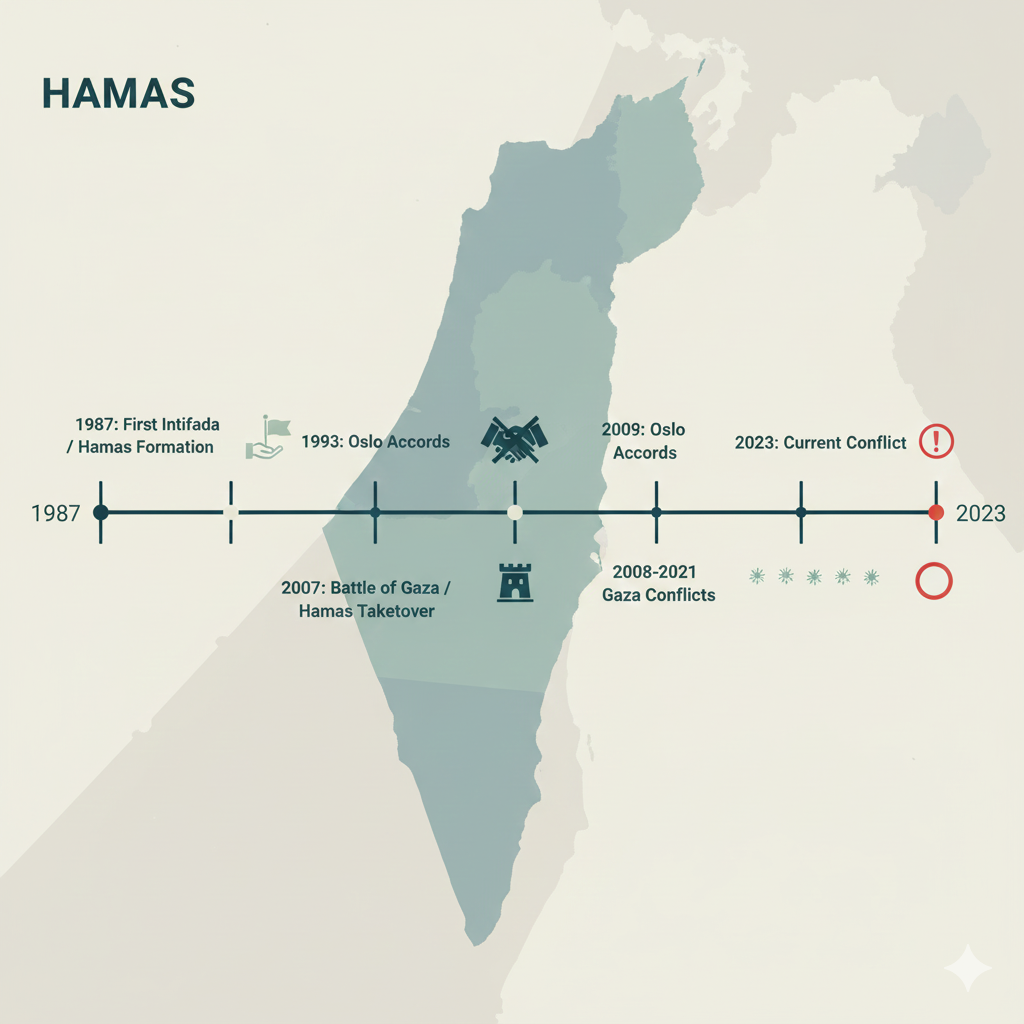
- 1993 — Opposed the Oslo Accords and remained outside the Oslo political framework.
- 2006 — Won the Palestinian legislative elections and formed a government.
- 2007 — Seized full control of the Gaza Strip after conflict with the Palestinian Authority.
- 2008, 2012, 2014, 2021 — Repeated cycles of intense fighting between Israel and Hamas in Gaza.
- October 7, 2023 — Hamas launched a large-scale attack on Israel, which led to a major escalation of the Israel–Hamas conflict and widespread humanitarian consequences. :contentReference[oaicite:4]{index=4}
International Recognition and Controversy
International responses to Hamas are mixed and often polarized:
- Several Western countries — including the United States, the European Union member states, Canada, Japan and others — have designated Hamas (or its military wing) as a terrorist organization. :contentReference[oaicite:5]{index=5}
- Some regional states, including Iran, Qatar, and Turkey, have provided varying degrees of support or engagement, reflecting different geopolitical priorities.
- The United Nations and many humanitarian organizations treat the Gaza situation as a complex political and humanitarian crisis, emphasizing the need to protect civilians and respect international humanitarian law.
Current Influence of Hamas
As of my research and observations, Hamas remains the de facto governing authority in the Gaza Strip and a central player in Palestinian politics. Its role in the region — political, military, and social — continues to have serious implications for peace efforts, humanitarian conditions, and regional stability. :contentReference[oaicite:6]{index=6}
Conclusion
Hamas is a controversial and multifaceted organization. For some it is seen as a resistance movement; for others it is a designated terrorist organization. Its combination of political governance, social services, and an armed wing makes it both influential and divisive. The future of Hamas, Gaza, and wider Israeli–Palestinian relations will profoundly affect the Middle East — and the humanitarian consequences for civilians must remain central to any policy or peace plan.
My main takeaways
- Conflicts of this kind rarely have simple answers — historical grievances, politics, and human suffering are intertwined.
- Understanding both political structures and humanitarian realities is essential for responsible commentary or action.
- Balanced, fact-based reporting and empathy for civilians should guide public discussion and policy decisions.
History of Hamas
Hamas: Detailed Description of the Founding and History
Establishment of Hamas: Background
The formal establishment of Hamas took place in 1987, but the socio-political background that shaped its creation had started developing several decades earlier.
1. Beginning of the Arab–Israeli Conflict (1948)
When Israel was created in 1948, Arab countries and the Palestinian population opposed its formation. Multiple wars broke out between Israel and its neighboring Arab states, resulting in Israel occupying Palestinian territories such as the Gaza Strip and the West Bank. These events strengthened the Palestinian independence movement.
2. Muslim Brotherhood and the Roots of Hamas
The ideological roots of Hamas lie in the Muslim Brotherhood—an Islamic organization founded in Egypt in 1928, whose goal was to establish governance based on Islamic (Sharia) law. During the 1950s and 1960s, the Muslim Brotherhood became increasingly active in Palestinian regions and established several social, educational, and religious institutions across Gaza and the West Bank.
Establishment of Hamas: First Intifada of 1987
1. 1987 – The First Intifada and the Birth of Hamas
In 1987, the First Intifada—a mass Palestinian uprising against Israel—broke out. One of the direct triggers was the killing of Palestinian civilians in Gaza by Israeli forces. During this uprising, Hamas was formally established.
Hamas was officially declared on 14 December 1987 by its founders:
- Sheikh Ahmed Yassin
- Abd al-Aziz al-Rantisi
- Mohammed Taha
2. Hamas’s Initial Objective
The primary goal of Hamas was not only to oppose Israel but also to establish an Islamic Palestinian state and bring Palestinian territories under Islamic governance. Hamas differed from secular Palestinian groups like Fatah and the Marxist or communist factions, as its foundations were entirely based on Islamic ideology.

Top Amazon Choice
Durable quality • Highly rated • Excellent value for money
- ✔ 100% Genuine Product
- ✔ Amazon Fulfilled Delivery
- ✔ Easy Return Policy
Hamas’ Early Period (1987–1993)
1. Armed Conflict Against Israel
In 1988, Hamas released its first official charter, which called for the elimination of Israel and the establishment of an Islamic state in all of historic Palestine. During this period, Hamas carried out suicide bombings, attacks on Israeli forces, and assaults targeting civilians.
2. The Oslo Accords (1993) and Hamas’s Opposition
In 1993, the Oslo Peace Agreement was signed between Israel and the Palestine Liberation Organization (PLO). Under this agreement, the Palestinian Authority (PA) was created and granted limited self-rule in parts of the West Bank and Gaza.
Hamas strongly opposed the agreement, arguing that it compromised Palestinian sovereignty and did not end Israeli occupation.
Political Evolution of Hamas (2000–2006)
1. Second Intifada (2000–2005)
- The Second Intifada began in 2000.
- During this period, Hamas intensified suicide bombings and rocket attacks against Israeli targets.
- Several Hamas leaders were killed by Israel, including Sheikh Ahmed Yassin (2004) and Abd al-Aziz al-Rantisi (2004).
2. 2006 Palestinian Elections and Hamas’s Victory
In the 2006 Palestinian legislative elections, Hamas won a majority and defeated Fatah, reshaping Palestinian political dynamics. This was the first time Hamas formally gained political power.
Hamas’s Control Over Gaza (2007–Present)
1. Civil War Between Fatah and Hamas (2007)
- In 2007, violent clashes erupted between Hamas and Fatah, often referred to as the Palestinian Civil War.
- Hamas took full control of the Gaza Strip, while Fatah maintained authority in the West Bank.
- Since then, Gaza has been governed by Hamas, and the Palestinian Authority (PA) governs the West Bank.
2. Wars Between Israel and Hamas (2008–2023)
Several major conflicts have taken place between Hamas and Israel:
- 2008–09: Israel launched a major military operation in Gaza.
- 2012: Another war broke out between Hamas and Israel.
- 2014: A 50-day war resulted in heavy casualties and widespread destruction.
- 2021: An 11-day conflict took place.
- 7 October 2023: Hamas launched a large-scale attack on Israel, triggering another major war.
Conclusion
The establishment of Hamas began with its armed struggle against Israel and its aim to enforce Islamic rule. In 1987, it emerged as a militant organization, and in 2006 it gained political power and took control of Gaza.
The conflict between Hamas and Israel continues today, and Hamas remains a significant force in Middle Eastern politics.
Ideology and Objectives of Hamas
Hamas: A Detailed Description of Ideology and Objectives
1. Ideology of Hamas
Hamas is an Islamic organization whose ideology is rooted in Islamic principles, Jihad (struggle), and Palestinian nationalism. Its ideological foUNdation is heavily influenced by the Muslim Brotherhood, an international Islamic movement.
Hamas believes that:
- Palestine is an Islamic land that must be liberated from Israeli control.
- The existence of Israel is illegitimate and should be ended.
- Jihad (Islamic struggle) is the only path to Palestinian freedom.
- Islamic governance and Sharia law must be implemented in Palestine.
In 1988, Hamas issued its first official charter, which outlined its ideological principles clearly.
2. Key Points of Hamas’ 1988 Charter
A. Opposition to Israel
According to Hamas, Israel is an illegal state that has forcibly occupied Palestinian land. Hamas rejects any peace agreement or cooperation with Israel. The organization emphasizes that it is not opposed to the Jewish people but to Zionist ideology.
B. Necessity of Jihad (Struggle)
Hamas considers Jihad as the only legitimate means to liberate Palestine. It accepts suicide attacks, rocket attacks, and armed conflict as valid methods of resistance. Hamas describes the conflict not just as a political struggle but as a religious obligation.
C. Establishment of an Islamic State
Hamas seeks to establish an Islamic state in Palestine governed by Sharia law. The organization considers this necessary for creating a unified Islamic nation.
D. Anti-Semitism and Anti-Western Views
Hamas believes Western nations—particularly the United States—support Israel and act unjustly towards Palestinians. The organization expressed anti-Semitic views in its original manifesto, though certain portions were softened in its 2017 revised document.
3. Main Objectives of Hamas
A. Elimination of Israel and Independence of Palestine
Hamas’ primary objective is to liberate all of Palestine from Israeli occupation. It seeks the restoration of pre-1948 Palestine, which includes the territory of modern-day Israel. Hamas considers the complete dissolution of Israel as the only true path to Palestinian freedom.
B. Militant Resistance and Jihad
Hamas rejects negotiations and long-term peace deals with Israel. Its military wing, the Al-Qassam Brigades, carries out suicide attacks, rocket launches, and armed missions against Israel.
C. Control Over Gaza and the West Bank
After winning the 2006 elections, Hamas established control over the Gaza Strip. The organization aims to consolidate its rule over all Palestinian territories, including the West Bank, which is currently administered by the Palestinian Authority (PA).
D. Building an Islamic Society Under Sharia
Hamas seeks to transform Palestine into an Islamic state governed by Sharia law. It promotes Islamic education, religious practices, and moral regulations for society, including women and youth.
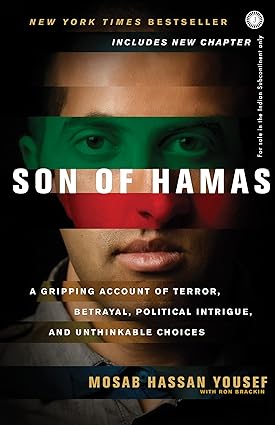
Amazon Choice Quality Product
Reliable performance • Trusted by customers • Great value
- ✔ 100% Genuine Product
- ✔ Amazon Fulfilled Delivery
- ✔ Easy Returns
E. Securing International Cooperation and Support
Hamas receives political, economic, and military support from countries like Iran, Qatar, and Turkey. Due to being designated a terrorist organization by many nations, Hamas relies heavily on covert financial support and regional alliances.
4. Changes in Hamas’ Ideology After 2017
In 2017, Hamas slightly modified its charter and introduced new positions:
- It stated that its struggle is not against Judaism but against the Israeli state and Zionism.
- It expressed willingness to accept a Palestinian state within the 1967 borders, though still refusing to recognize Israel.
- It signaled possible reconciliation with the Palestinian Liberation Organization (PLO).
However, the organization’s armed resistance strategy and hardline stance toward Israel remained unchanged.
5. Conclusion – Ideology & Objectives
The ideology and objectives of Hamas make it a radical Islamic organization committed to armed struggle and strict Islamic governance. Its primary goals include eliminating Israel, establishing Islamic rule in Palestine, and continuing Jihad as its core strategy. While some nations label Hamas as a terrorist organization, others view it as a symbol of resistance against occupation. Despite minor ideological modifications, Hamas’ fundamental principles remain rooted in Islamic nationalism and militant resistance.
Structure of Hamas
Detailed Description of the Structure of Hamas
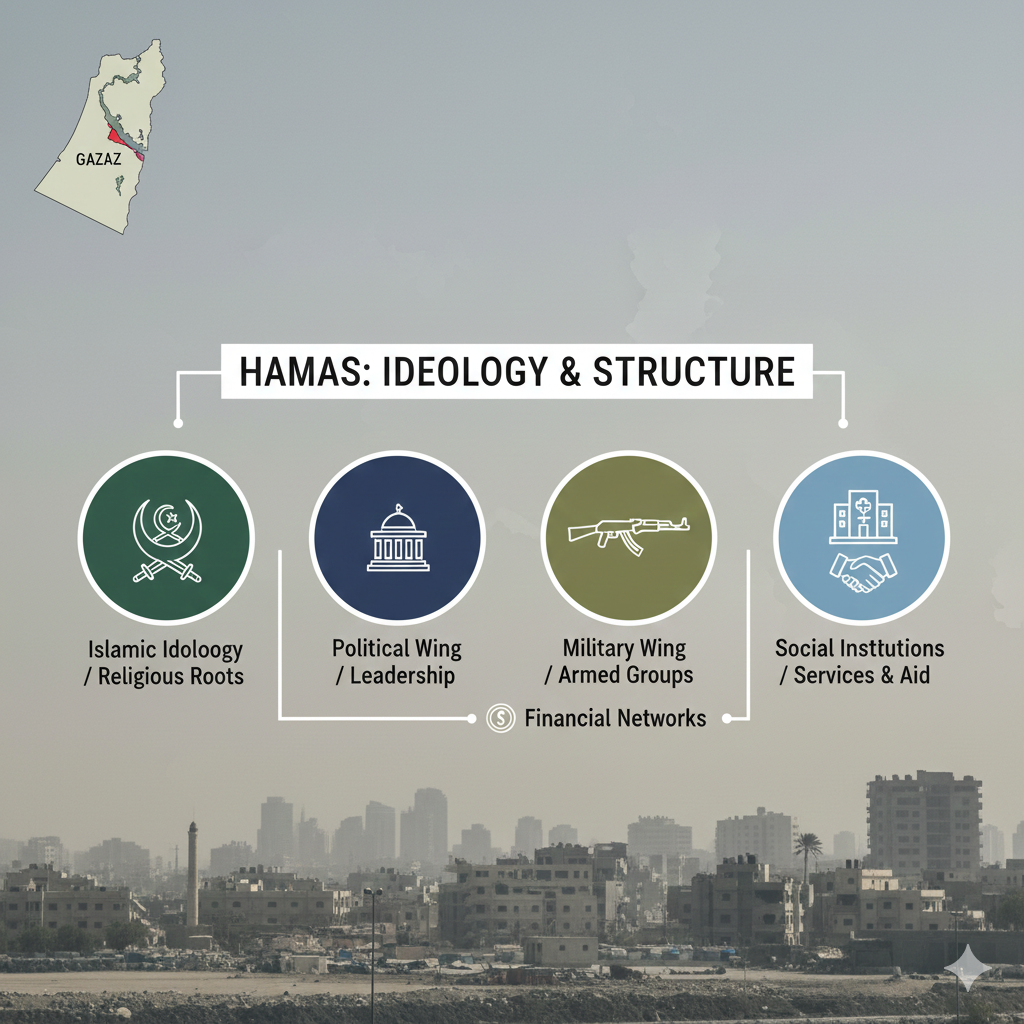
Hamas is a multidisciplinary organization with a political, military, social, and religious structure. These components allow Hamas to control political processes, influence society, and conduct armed operations simultaneously.
1. Political Structure of Hamas
Hamas functions not only as a militant group but also as a political organization with a comprehensive administrative framework.
A. Shura Council
The Shura Council is Hamas’ highest policy-making body. It formulates the organization’s strategies, programs, and long-term decisions. It includes representatives from Gaza, the West Bank, Lebanon, Qatar, Turkey, and other regions.
B. Political Bureau
The Political Bureau is the main administrative and decision-making body of Hamas. It oversees foreign relations, finances, military strategy, and political affairs. The head of the Political Bureau serves as the supreme leader of Hamas—currently Ismail Haniyeh.
C. Gaza Administration
After the 2007 conflict with Fatah, Hamas established full control over the Gaza Strip. It runs Gaza like an independent government, maintaining its own prime minister, ministries, police, courts, and administrative institutions.
2. Military Structure of Hamas
The military wing of Hamas is designed specifically for armed conflict against Israel and includes several layers.
A. Izz ad-Din al-Qassam Brigades
This is the primary military branch of Hamas, founded in 1991. The Brigades conduct rocket attacks, guerrilla warfare, suicide missions, and armed operations. They consist of thousands of trained fighters equipped with rockets, explosives, mines, and other modern weapons.
B. Security Forces
Hamas operates its own police and internal security forces in Gaza. These forces maintain law, order, and intelligence operations, helping strengthen Hamas’ control.
C. Tunnel Network
Hamas has constructed an extensive tunnel network beneath the borders of Israel and Egypt. These tunnels are used for attacks, smuggling weapons, transporting fighters, and storing supplies.
3. Social and Religious Structure of Hamas
A. Social Welfare Organizations
Hamas operates schools, hospitals, mosques, orphanages, and food distribution centers. It provides financial assistance to poor families, widows, and those affected by war—helping strengthen its support base.
B. Religious Institutions
Hamas runs mosques and religious schools to promote Islamic ideology. Its religious leadership advocates support for Jihad and motivates the public toward the organization’s goals.
4. Financial Structure of Hamas
A. International Funding
Hamas receives significant financial assistance from Iran, Qatar, Turkey, and other Islamic countries. Iran reportedly provides millions of dollars annually for military and economic support.
B. Local Taxes and Businesses
Hamas imposes taxes on trade and business activities in Gaza. It also receives financial contributions from local industries and business groups.
C. Weapons and Smuggling Networks
Hamas uses underground tunnels and regional networks to smuggle weapons and essential materials into Gaza.
5. Conclusion – Structure of Hamas
Hamas is a highly organized political, military, and social movement focused on Palestinian independence and Islamic governance. Its Political Bureau directs strategy, the Al-Qassam Brigades carry out military operations, and its Gaza administration functions like a separate government. Hamas strengthens its influence through social services, religious activities, financial networks, and international alliances.
Major Events of Hamas
Since its formation, Hamas has become an important force in the Palestine–Israel conflict. Its activities have had political, military, and diplomatic impacts. Below is a chronological description of major events related to Hamas.
1. Establishment of Hamas (1987) and the First Intifada (1987–1993)
- In 1987, massive protests against Israel began in the Palestinian territories, known as the First Intifada.
- During this time, in December 1987, Sheikh Ahmed Yassin and other leaders founded Hamas.
- Hamas gained popularity through armed resistance and Islamic ideology.
- It carried out multiple suicide attacks and armed assaults during this period.
2. 1993: Oslo Accords and Opposition from Hamas
- In 1993, the Oslo Peace Agreement was signed between the PLO and Israel, giving autonomy to the Palestinian Authority (PA).
- Hamas opposed the agreement because it recognized Israel as a legitimate state.
- Hamas saw it as a betrayal of the Palestinian cause and intensified its attacks.
3. 1994–1996: Suicide Attacks and Israeli Response
- In 1994, Israeli extremist Baruch Goldstein killed 29 Palestinian worshippers in Hebron.
- In retaliation, Hamas launched several suicide attacks in Israel.
- Between 1994–1996, Hamas attacks killed hundreds of Israeli civilians.
- Israel responded with severe military operations targeting Hamas.
4. 2000–2005: Second Intifada and Escalating Violence
- In 2000, the Second Intifada began after Ariel Sharon visited the Al-Aqsa Mosque.
- Hamas carried out several major suicide bombings inside Israel.
- In 2004, Israel killed Sheikh Ahmed Yassin and his successor Abd al-Aziz al-Rantisi in airstrikes.
- In 2005, Israel withdrew its troops from Gaza, which Hamas considered a victory.

Amazon Recommended Product
High quality • Customer favorite • Great performance
- ✔ 100% Genuine Product
- ✔ Fast & Secure Amazon Delivery
- ✔ Easy Return & Refund
5. 2006: Hamas Election Victory and Internal Conflict
- In 2006, Hamas won a landslide victory in Palestinian parliamentary elections.
- This triggered a power struggle between Hamas and Fatah.
- In 2007, a civil war erupted, killing hundreds.
- Eventually, Hamas took full control of Gaza while Fatah retained control of the West Bank.
6. 2008–2009: First Gaza War (Operation Cast Lead)
- In 2008, after multiple rocket attacks by Hamas, Israel launched Operation Cast Lead.
- More than 1,400 Palestinians and 13 Israelis were killed.
- Gaza suffered massive destruction, but Hamas retained control.
7. 2012: Operation Pillar of Defense
- In November 2012, Israel assassinated Hamas’ military chief Ahmed Jabari.
- In response, hundreds of rockets were fired from Gaza.
- Israel launched airstrikes, resulting in 160 Palestinian and 6 Israeli deaths.
8. 2014: Gaza War (Operation Protective Edge)
- A 50-day war erupted between Israel and Hamas in 2014.
- More than 2,200 Palestinians and 73 Israelis were killed.
- Gaza’s infrastructure suffered extensive damage.
9. 2021: Israel–Hamas Conflict
- In May 2021, clashes at the Al-Aqsa Mosque led to an 11-day conflict.
- Hamas fired over 4,000 rockets at Israel; Israel conducted hundreds of airstrikes.
- 250 Palestinians and 13 Israelis were killed.
10. 2023: October 7 Attacks and Israeli Response
- On October 7, 2023, Hamas launched a major attack on Israel, killing more than 1,200 people.
- Israel responded with extensive airstrikes and ground operations in Gaza.
- Thousands of Palestinian civilians were killed, and Gaza faced severe humanitarian crisis.
- The conflict continues, drawing global concern.
Conclusion
Hamas has played a major military role in the Palestine–Israel conflict. Its armed operations, including suicide attacks and rocket strikes, have repeatedly escalated violence. Various wars between Hamas and Israel have caused large-scale destruction and humanitarian crises in Gaza. The recent 2023 conflict has intensified international attention on the issue.
International Recognition and Controversy
There is significant global disagreement regarding Hamas. Some nations consider it a legitimate political movement, while others classify it as a terrorist organization. Recognition, sanctions, and controversies vary widely across countries.
1. International Recognition of Hamas
International recognition of Hamas can be divided into three categories:
A. Countries That Consider Hamas a Terrorist Organization
- United States (USA): Designated Hamas a terrorist organization in 1997.
- European Union (EU): Declared Hamas a terrorist organization in 2003.
- Israel: Considers Hamas its primary enemy.
- Canada, Japan, Australia, United Kingdom: All classify Hamas as a terrorist group.
- United Nations (UN): Does not list Hamas as a terrorist group but condemns its attacks.
B. Countries That Support or Legitimize Hamas
- Iran: Major financial and military supporter.
- Qatar: Provides political and economic assistance.
- Turkey: Offers political legitimacy and shelter to Hamas leaders.
- Russia: Recognizes Hamas as a political actor and holds talks with its leaders.
- Syria & Lebanon: Particularly Hezbollah in Lebanon supports Hamas.
C. Countries with Neutral or Mixed Positions
- China: Maintains relations with both Israel and Palestine; does not list Hamas as terrorist.
- India: Condemns Hamas attacks but does not officially designate it as terrorist.
- United Nations: Neutral stance but critical of Hamas violence.
2. Major Controversies Related to Hamas
A. Conflict and War with Israel
- Hamas launched thousands of rockets against Israel in 2008, 2012, 2014, and 2021.
- The October 7, 2023 attack triggered one of the deadliest wars.
- Israel accuses Hamas of terrorism; Hamas claims resistance against occupation.
B. Suicide Attacks and Civilian Casualties
- Hamas conducted numerous suicide bombings in the 1990s and 2000s.
- Rocket attacks often resulted in civilian deaths.
- Hamas calls it resistance; Israel and the West call it terrorism.
C. governance and Human Rights Violations in Gaza
- Since 2007, Hamas maintains authoritarian control over Gaza.
- Reports accuse Hamas of suppressing political opponents and restricting freedoms.
- Detentions, torture allegations, and crackdowns on rival factions have been documented.
D. International Economic Sanctions
- USA, EU, and other Western countries enforce financial sanctions on Hamas.
- Gaza faces blockades from Israel and Egypt, complicating economic activity.
- Despite sanctions, Hamas receives covert support from Iran, Qatar, and Turkey.
E. Power Struggle with the Palestinian Authority (PA)
- Political rift between Hamas and the PA since 2007.
- Hamas controls Gaza; the PA controls the West Bank.
- The divide weakens Palestinian unity and peace negotiations.
Conclusion
Globally, Hamas remains one of the most divisive political and militant organizations. While the US, EU, and Israel label it a terrorist group, nations like Iran, Qatar, and Turkey support it as a resistance movement. Its conflicts with Israel, internal governance in Gaza, human rights concerns, and power struggle with the PA continue to generate intense global debate.
Current Influence of Hamas
Detailed Description of the Current Influence of Hamas
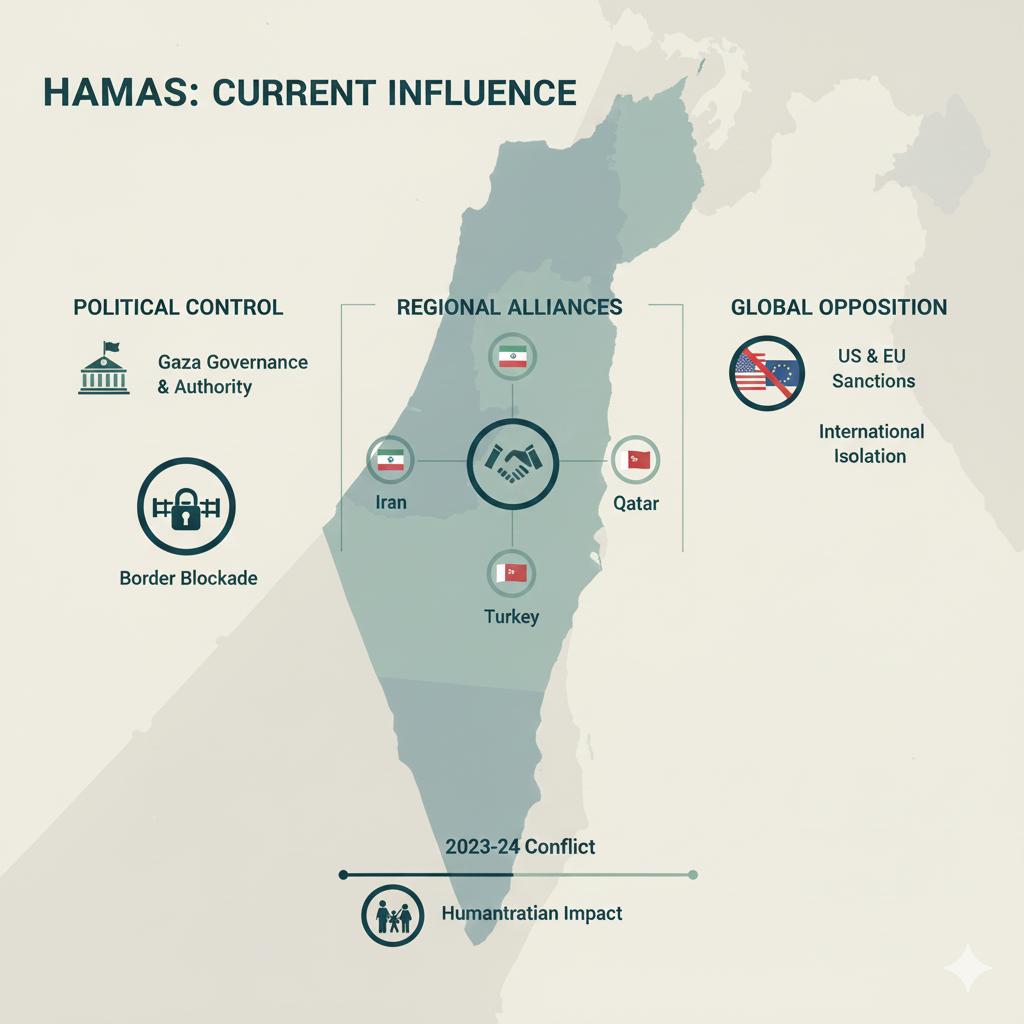
Hamas is currently one of the major forces in the Palestine–Israel conflict. The organization not only exercises full control over the Gaza Strip but has also expanded its influence at international, regional, and military levels. In recent years—especially after the October 7, 2023 attacks—Hamas has moved to the center of global politics.
1. Hamas’ Control Over the Gaza Strip
- Since 2007, Hamas has maintained full control over the Gaza Strip.
- The Palestinian Authority (PA) rules only in the West Bank, while Gaza remains UNder Hamas administration.
- Hamas controls Gaza’s security, administration, police, and government institutions.
- Israel and Egypt impose a strict blockade on Gaza’s borders, resulting in an ongoing humanitarian crisis.
2. Regional Influence of Hamas
The influence of Hamas extends throughout the Middle East.
A. Relations with Iran and Hezbollah
- Hamas receives military and financial assistance from Iran.
- Hamas maintains strong ties with Hezbollah, the Lebanon-based militant group.
- Both organizations coordinate on anti-Israel activities and support each other.
B. Relations with Arab Countries
- Hamas receives political and financial support from Qatar and Turkey.
- Saudi Arabia and Egypt once supported Hamas but now treat it with caution.
- Egypt has held negotiations with Hamas but continues to maintain strict control over Gaza’s borders.
3. Recent Conflict with Israel

Top Rated Amazon Choice
High quality • Customer favorite • Excellent performance
- ✔ 100% Genuine Product
- ✔ Fast & Secure Delivery
- ✔ Easy Return Policy
A. October 7, 2023 Attack and Its Consequences
- On October 7, 2023, Hamas launched a major attack on Israel, killing more than 1,200 civilians and soldiers.
- The attack included thousands of rockets, infiltration by fighters, and assaults on civilians.
- Israel responded with intense air and ground operations in Gaza, killing thousands of Palestinians.
- The conflict triggered a massive humanitarian crisis in Gaza and heightened regional tensions.
B. 2023–24 War and Global Response
- Israel launched large-scale air and ground operations to eliminate Hamas.
- The US and European countries supported Israel, while many Muslim countries backed Hamas.
- The United Nations and various Human Rights organizations expressed concern over rising civilian casualties.
- The conflict continued into 2024, increasing instability across the Middle East.
4. Global Support and Opposition to Hamas
A. Countries Supporting Hamas
- Iran, Turkey, Qatar, Lebanon, and Syria openly support Hamas.
- Russia and China do not classify Hamas as a terrorist organization and often justify its stance against Israel.
B. Countries Opposing Hamas
- The United States, Israel, European Union, Canada, Australia, Japan, and India consider Hamas a terrorist organization.
- The United Nations does not officially classify Hamas as terrorist but regularly condemns its attacks.
5. Political Influence of Hamas
- Hamas remains a major force in Palestinian politics.
- It governs Gaza completely, while the Palestinian Authority (PLO) governs the West Bank.
- Hamas won the 2006 Palestinian elections, but no elections have been held since.
- In 2021, scheduled Palestinian elections were canceled by President Mahmoud Abbas, indirectly enhancing Hamas’s political position.
6. Economic and Financial Influence of Hamas
- Hamas faces heavy Economic Sanctions, limiting its legal financial resources.
- It receives financial assistance from Iran, Qatar, and Turkey.
- Hamas also collects taxes, engages in smuggling, and profits from local trade inside Gaza.
- Israel and the United States have taken multiple steps to disrupt Hamas’s financial networks.
7. Future Influence of Hamas
Will the conflict between Hamas and Israel continue?
- Despite suffering heavy losses in the 2023–24 war, Hamas was not fully eliminated.
- Israel has vowed to eradicate Hamas completely, but this appears unlikely due to Hamas’s ideological strength and underground network.
- The future of Hamas will largely depend on support from Iran, Qatar, and Turkey.
Will Hamas shape the future of Palestine?
- Hamas remains a powerful player in Palestinian politics.
- If future elections take place, Hamas may gain significant support.
- Lack of progress in peace talks between Israel and the Palestinian Authority increases Hamas’s influence.
Conclusion
Hamas currently governs the Gaza Strip but faces widespread international opposition and economic sanctions. The October 7, 2023 attack and the subsequent war placed Hamas back at the center of global politics. While the US and Europe classify it as a terrorist organization, countries like Iran, Turkey, and Qatar continue supporting it. The future of Hamas will depend on Palestinian politics, regional alliances, and the continuing conflict with Israel. Instability in the Middle East is likely to persist in the coming years.

Amazon Choice Recommended
High quality • Customer favorite • Great value for money
- ✔ 100% Genuine Product
- ✔ Fast & Secure Delivery
- ✔ Easy Return Policy
References / Sources
- United Nations (UN) reports and official documents related to the Israel–Palestine conflict.
- International news agencies such as BBC, Al Jazeera, Reuters, Associated Press, and The Guardian.
- Research papers, analytical reports, and academic publications on Middle East politics.
- Human Rights organizations' reports including Amnesty International and Human Rights Watch.
- Trusted journals and think-tank resources like Brookings Institution, Carnegie Endowment, and International Crisis Group.
- Books and expert analyses on Palestinian movements and regional geopolitics.
- Official government statements, policy documents, and verified press releases.