
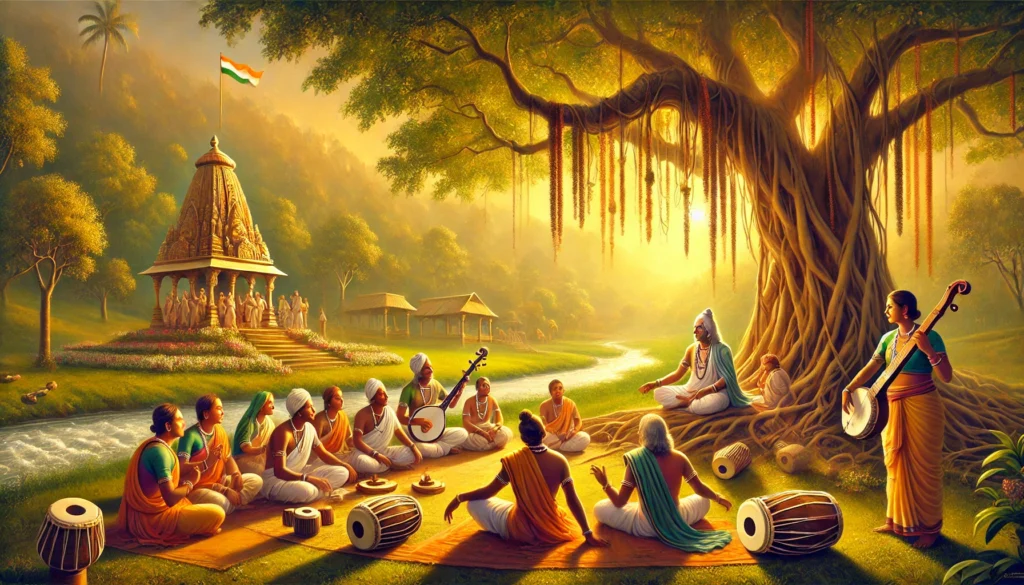
Bhakti and Sufi Movements were important religious and social reform movements in medieval India. They promoted personal devotion, spiritual equality, love, tolerance, and harmony among different communities.
Bhakti and Sufi Movements 2026: 10 Key Similarities and Their Impact on Indian Society
Why did the Bhakti and Sufi movements transform the social and religious fabric of medieval India so deeply? From challenging caste discrimination to promoting love, equality, and devotion, these movements played an important role in making spiritual ideas more accessible to ordinary people.
This guide explores the 10 most important similarities, core teachings, and social impacts of the Bhakti and Sufi movements, with special emphasis on topics frequently asked in UPSC, SSC, and other competitive examinations.
Quick Overview
Both movements emphasized personal devotion, love for God, spiritual discipline, and the importance of inner purity. Many Bhakti saints and Sufi mystics also questioned rigid religious practices and social inequalities, although their beliefs and traditions were not identical.
The influence of the Bhakti and Sufi movements can still be seen in Indian literature, music, poetry, religious traditions, and the country's composite cultural heritage.
Understanding these movements is important for developing conceptual clarity about medieval Indian history and preparing for competitive examinations.
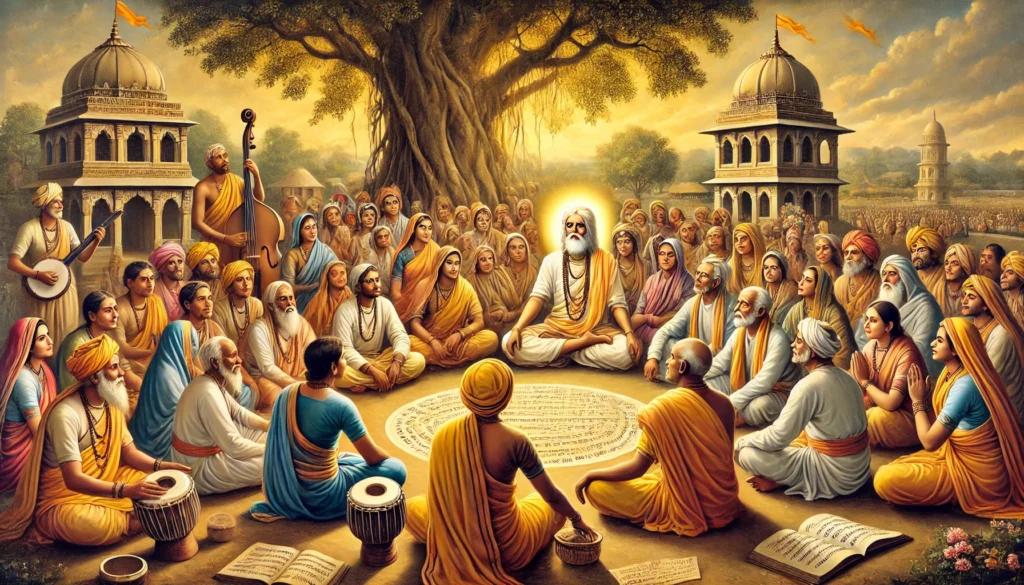
The Bhakti and Sufi Movements played a major role in shaping medieval Indian society by promoting devotion, love, spiritual values, and social harmony.
Similarities Between Bhakti and Sufi Movements
The Bhakti and Sufi movements were two influential religious and spiritual traditions in medieval India. Both helped make spiritual ideas more accessible to ordinary people by emphasizing personal devotion, love, and inner purity. Many Bhakti saints and Sufi mystics questioned rigid rituals and religious orthodoxy and encouraged people to focus on a direct spiritual connection with God. Their teachings also contributed to discussions about social equality, religious tolerance, and cultural interaction. This topic is important for UPSC, SSC, and other competitive examinations.
- Focus on Inner Devotion: Both movements emphasized personal devotion and love for God rather than relying solely on external rituals and formal religious practices.
- Promotion of Social Equality: Many Bhakti saints and Sufi mystics challenged social hierarchies and discrimination and emphasized the spiritual dignity of ordinary people.
- Religious Tolerance and Harmony: Their teachings often promoted love, compassion, mutual respect, and peaceful coexistence among different communities.
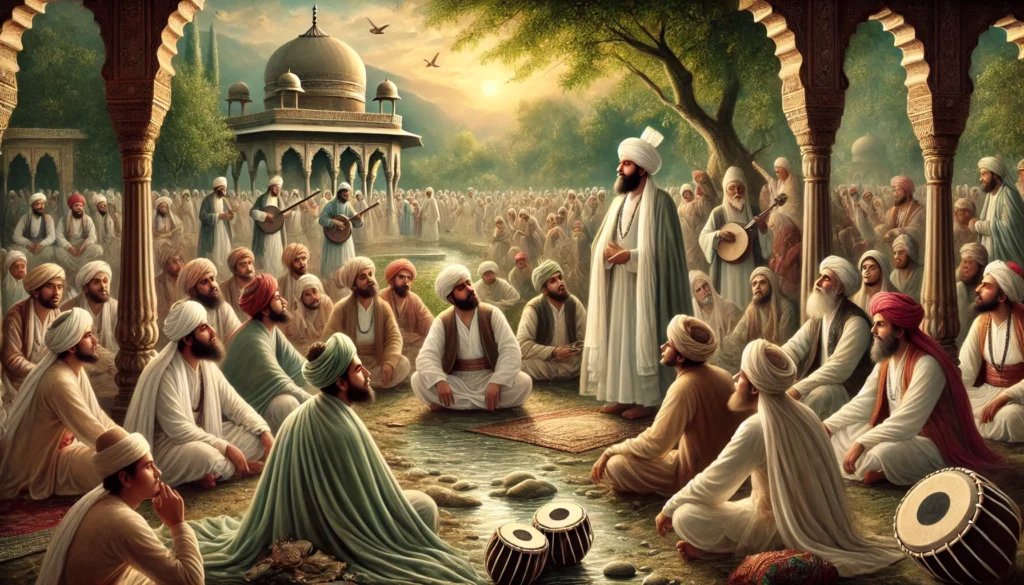
The Bhakti and Sufi Movements played an important role in shaping Indian society by promoting devotion, spiritual values, cultural interaction, and social harmony.
Bhakti and Sufi Movements: Comparative Overview
| Topic | Details |
|---|---|
| Time Period | Bhakti traditions: Early medieval period onward, with major developments between the 7th and 17th centuries. Sufism emerged earlier in West Asia; Sufi traditions became influential in India, particularly from the 12th century onward. |
| Core Idea | Emphasis on devotion, love for God, and inner spirituality. |
| Main Objective | To encourage a personal spiritual path and make religious teachings accessible to ordinary people. |
| Social View | Many saints and mystics challenged social hierarchies, caste discrimination, and social inequalities. |
| Religious Approach | Emphasized inner devotion and spiritual experience rather than excessive dependence on external rituals and formal practices. |
| Language Used | Regional and popular languages, including Tamil, Kannada, Awadhi, Braj, Punjabi, and Hindavi, helped spread their teachings. |
| Medium of Expression | Bhakti: Bhajans, Kirtans, devotional poetry. Sufi: Qawwali, Sufi poetry, and spiritual gatherings. |
| Key Institutions | Bhakti: Guru-disciple traditions and devotional communities. Sufi: Khanqahs and Dargahs. |
| Famous Personalities | Bhakti: Kabir, Tulsidas, Mirabai, Ramananda, and Chaitanya Mahaprabhu. Sufi: Khwaja Moinuddin Chishti, Nizamuddin Auliya, and Baba Farid. |
| Major Sufi Orders | Chishti, Suhrawardi, Qadiri, and Naqshbandi. |
| Impact on Society | Contributed to devotional literature, spiritual traditions, cultural exchange, and greater interaction among communities. |
| Exam Insight | Important for UPSC and SSC: Questions often focus on major saints, Sufi orders, teachings, similarities, and social impact. |
The influence of the Bhakti and Sufi Movements remains visible in Indian music, literature, devotional practices, and shared cultural traditions.
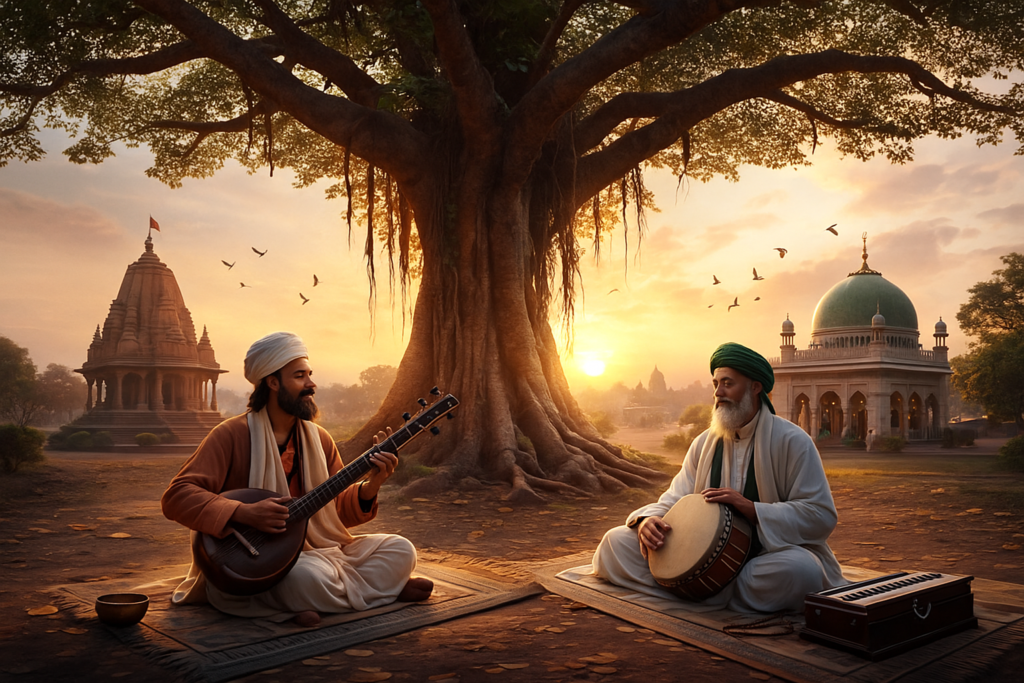
The Bhakti and Sufi Movements played an important role in shaping Indian society by promoting devotion, spiritual values, cultural interaction, and social harmony.
Key Features of Bhakti and Sufi Movements
| Topic | Details |
|---|---|
| Meaning | Bhakti: Devotion and loving attachment to God in Indian religious traditions. Sufism: The mystical and spiritual dimension of Islam, emphasizing closeness to God. |
| Time Period | Bhakti: Early roots and major developments from the early medieval period to the 17th century. Sufism: Emerged in the early centuries of Islam and became influential in India, particularly from the 12th century onward. |
| Core Principle | Love, devotion, spiritual discipline, and a personal relationship with God. Many traditions emphasized the guidance of a spiritual teacher. |
| View on Rituals | Many Bhakti saints criticized excessive ritualism and empty formalism. Sufi mystics emphasized inner purification and spiritual experience. Views on idol worship differed among Bhakti traditions. |
| Social Reform | Several saints and mystics challenged caste-based discrimination, social hierarchies, and inequalities, although their positions were not uniform. |
| Language | Used accessible regional and popular languages, including Tamil, Awadhi, Braj, Punjabi, and Hindavi, to communicate spiritual teachings. |
| Religious Harmony | Many Bhakti and Sufi teachers encouraged love, tolerance, mutual respect, and interaction across religious communities. |
| Medium | Bhakti: Bhajans, Kirtans, and devotional poetry. Sufi: Qawwali, Sufi poetry, and spiritual gatherings. |
| Guru Concept | Bhakti: Guru guides the devotee on the spiritual path. Sufi: Pir or Sheikh guides the Murid (disciple). |
| Key Institutions | Bhakti: Guru-disciple traditions, devotional communities, and some ashrams. Sufi: Khanqahs (spiritual centres) and Dargahs (shrines). |
| Important Saints | Bhakti: Kabir, Mirabai, Tulsidas, and Chaitanya Mahaprabhu. Sufi: Khwaja Moinuddin Chishti, Nizamuddin Auliya, Baba Farid, and Amir Khusro. |
| Major Sufi Orders | Chishti, Suhrawardi, Qadiri, and Naqshbandi. |
| Cultural Impact | Contributed to the development of devotional literature, music, poetry, and shared cultural traditions. |
| Political Impact | Ideas of tolerance and interaction among religious communities formed part of the wider cultural environment of medieval India. Akbar's policy of Sulh-i-Kul also reflected an approach to universal peace and tolerance. |
| Exam Insight | Important for UPSC and SSC: Questions frequently cover major saints, Sufi orders, teachings, features, similarities, and social impact. |
The influence of the Bhakti and Sufi Movements can still be seen in Indian music, literature, devotional practices, and cultural heritage.
Frequently Asked Questions (FAQs) About Bhakti and Sufi Movements
1. What was the Bhakti Movement?
The Bhakti Movement was a diverse religious and devotional tradition in medieval India that emphasized personal love and devotion to God. Many Bhakti saints questioned excessive ritualism and social inequalities and spread their teachings through regional languages.
2. What was the Sufi Movement?
The Sufi Movement was a mystical and spiritual tradition within Islam that emphasized love for God, inner purification, compassion, service, and spiritual guidance under a teacher known as a Pir or Sheikh.
3. What are the similarities between the Bhakti and Sufi movements?
Both traditions emphasized love, devotion, inner spirituality, and the guidance of spiritual teachers. Many saints and mystics also criticized excessive ritualism and encouraged compassion, tolerance, and respect for humanity.
4. Who were the major saints of the Bhakti Movement?
Major Bhakti saints included Kabir, Tulsidas, Mirabai, Surdas, Dnyaneshwar, Basavanna, Guru Nanak, and Chaitanya Mahaprabhu. They belonged to different regions and devotional traditions of India.
5. Who were the major Sufi saints?
Important Sufi saints in the Indian subcontinent included Khwaja Moinuddin Chishti, Baba Farid, Nizamuddin Auliya, Sheikh Bahauddin Zakariya, and other influential mystics associated with different Sufi orders.
6. What impact did the Bhakti and Sufi movements have on Indian society?
They contributed to devotional literature, music, spiritual traditions, and cultural interaction. Many Bhakti saints and Sufi mystics challenged social hierarchies and encouraged compassion and mutual respect, although their influence on social equality varied across regions and traditions.
7. Which languages were used by Bhakti saints?
Bhakti saints composed their teachings and devotional poetry in regional languages such as Awadhi, Braj, Marathi, Tamil, Punjabi, Telugu, and Kannada. This helped communicate spiritual ideas to wider sections of society.
8. What was the role of music and poetry in the Sufi Movement?
Music and poetry were important in several Sufi traditions, particularly the Chishti order in India. Qawwali, devotional poetry, and spiritual gatherings were used to express divine love and encourage spiritual reflection. Practices differed among Sufi orders.
9. How did the Bhakti and Sufi movements promote communal harmony?
Many Bhakti and Sufi teachers emphasized love, compassion, and respect for people from different communities. Their teachings and shared cultural spaces encouraged interaction between religious communities, although they did not eliminate all social or communal tensions.
10. Are the influences of Bhakti and Sufi movements still visible today?
Yes. Their influence remains visible in Indian devotional music, Qawwali, Bhajans, poetry, regional literature, religious practices, and the continuing cultural importance of Dargahs and other devotional centres.
Conclusion
The Bhakti and Sufi movements were influential spiritual and cultural traditions in medieval India that shaped religion, society, and literature. By emphasizing devotion, love, compassion, and inner spirituality, many saints and mystics questioned excessive rituals and social inequalities. Both traditions encouraged mutual respect and cultural interaction among different communities, leaving a lasting influence on India's religious and cultural heritage. For competitive examinations, understanding their similarities, major personalities, teachings, and social impact is essential for conceptual clarity and effective answer writing.
- Both movements emphasized love, devotion, and inner spirituality.
- Many saints and mystics challenged social hierarchies and discrimination.
- They used regional and popular languages to communicate spiritual teachings.
- They encouraged religious tolerance, mutual respect, and cultural interaction.
- For UPSC and SSC, focus on similarities, major saints, Sufi orders, teachings, and social impact.
Conclusion
The Bhakti and Sufi movements were transformative spiritual and cultural traditions in medieval India that reshaped religion, society, and culture. By promoting devotion, love, compassion, and inner spirituality, many saints and mystics challenged excessive rituals and social inequalities. Both movements encouraged religious tolerance, mutual respect, and cultural interaction, leaving a lasting impact on India's cultural heritage. For competitive examinations, understanding their similarities, key features, major personalities, and social impact is essential for conceptual clarity and effective answer writing.
- Both movements emphasized love, devotion, and inner spirituality.
- Many saints challenged social hierarchies and discrimination.
- Used regional languages to spread spiritual teachings among ordinary people.
- Encouraged religious tolerance, mutual respect, and cultural interaction.
- For UPSC and SSC, focus on similarities, major saints, teachings, and social impact.
References
- NCERT – history Textbooks: Medieval Indian History.
- IGNOU – Study Materials on Bhakti and Sufi Traditions in Medieval India.
- R. S. Sharma – Works on Indian History and Society (relevant historical background).
- B. L. Grover and Alka Mehta – A New Look at Modern Indian History (use only for relevant historical context, not as a primary source on medieval Bhakti-Sufi movements).
- Hazari Prasad Dwivedi – Research and writings on Bhakti literature.
- Guru Granth Sahib – Selected hymns and teachings associated with Guru Nanak and other Bhakti saints.
- Government of India – Indian Culture Portal.
- Academic research on Sufi traditions, Chishti and Suhrawardi orders, and medieval Indian culture.
- Historical studies on Amir Khusro, Qawwali, and Indo-Persian cultural traditions.
Note: These references provide a starting point for further study. For academic accuracy, consult the original publications and relevant chapters or pages before citing specific historical claims.