
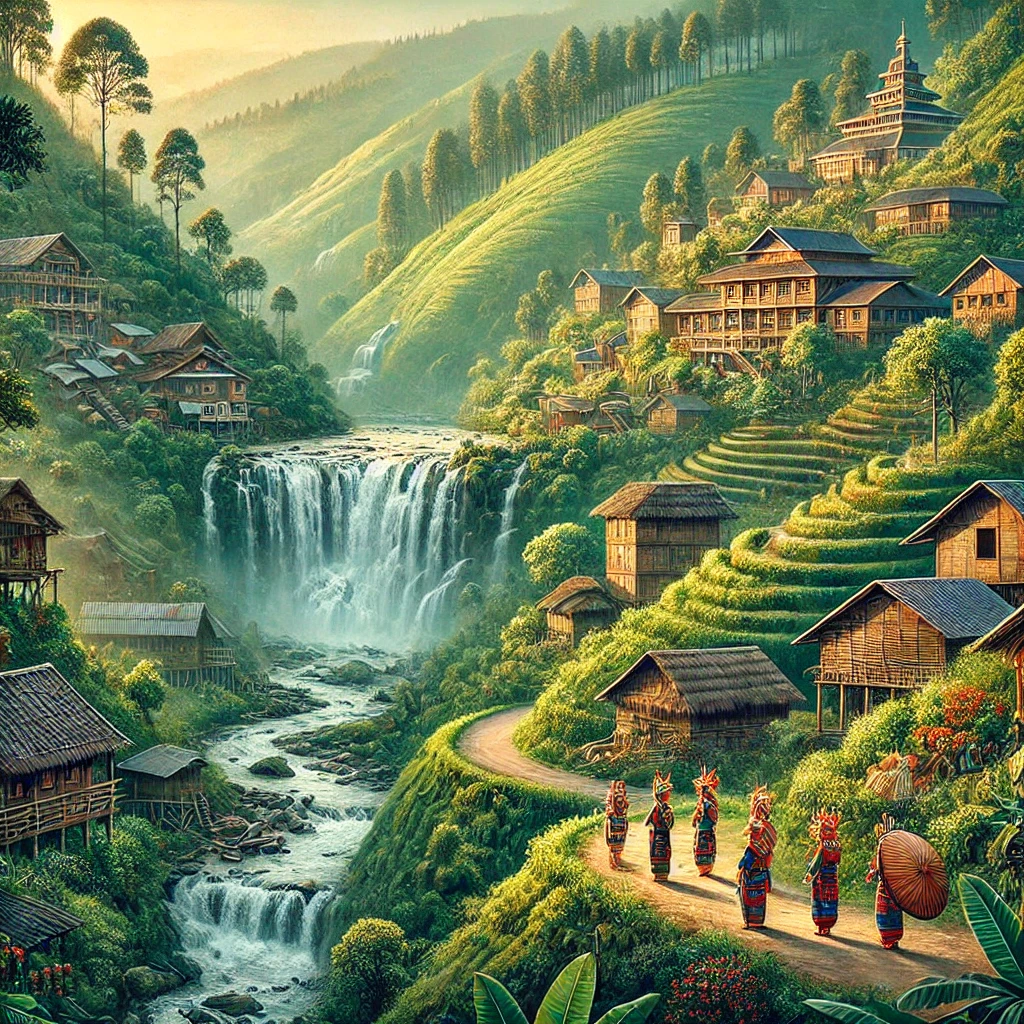
Mizoram: Land of Hills – Geography, Culture, Tourism & Unique Features
Mizoram is a beautiful, hilly state located in the north-eastern part of India. Often called the “Land of Hills”, it is famous for its natural beauty, rich culture, and strong community values. In this article, I share my learnings about Mizoram in a simple, story-like way so that students, travelers, and curious readers can understand this special state in depth.
Geographical Location of Mizoram
Mizoram is located in the north-eastern part of India and is known for its rolling hills and lush greenery. Its total area is 21,081 square kilometres.
Neighbouring States and Countries
Mizoram shares its borders with:
- Assam and Manipur to the north
- Myanmar and Bangladesh to the south
- Myanmar to the east
Major Rivers and Capital
The major rivers of Mizoram include the Tlang (Chinghil River) and the Lower Tuirial. The capital city, Aizawl, is perched on a hill at an altitude of about 1,132 m, giving it a unique and scenic landscape.
History of Mizoram
Understanding the history of Mizoram helps us see how this region evolved politically and socially.
- Earlier, Mizoram was part of the state of Assam and was known as the “Lushai Hills”.
- In 1972, it was given the status of a Union Territory.
- On 20 February 1987, Mizoram became the 23rd state of India.
Population and Tribes of Mizoram
The population of Mizoram is approximately 12 lakhs (estimated as of 2021). Despite its small population, the state has a rich tribal and cultural diversity.
Major Tribes
- Lushai
- Pawi
- Ralte
- Mar
Religions in Mizoram
About 90% of the population of Mizoram follows Christianity. However, people belonging to Buddhist, Hindu, and other religions also live here, reflecting peaceful coexistence and religious harmony.
Language and Identity
The official languages of Mizoram are Mizo (Lushai) and English.
Role of the Mizo Language
The Mizo language is a key part of the cultural and social identity of the people. It connects communities, preserves traditional stories, and strengthens their sense of belonging.
Culture and Traditions of Mizoram
The people of Mizoram are known for their rich culture, colourful festivals, and strong community life.
Festivals of Mizoram
Some of the important festivals celebrated in Mizoram include:
- Chapchar Kut (often written as “Arc” or similar in some sources)
- Mim Kut
These festivals celebrate the agricultural cycle, community bonding, and traditional customs.
Traditional Dance
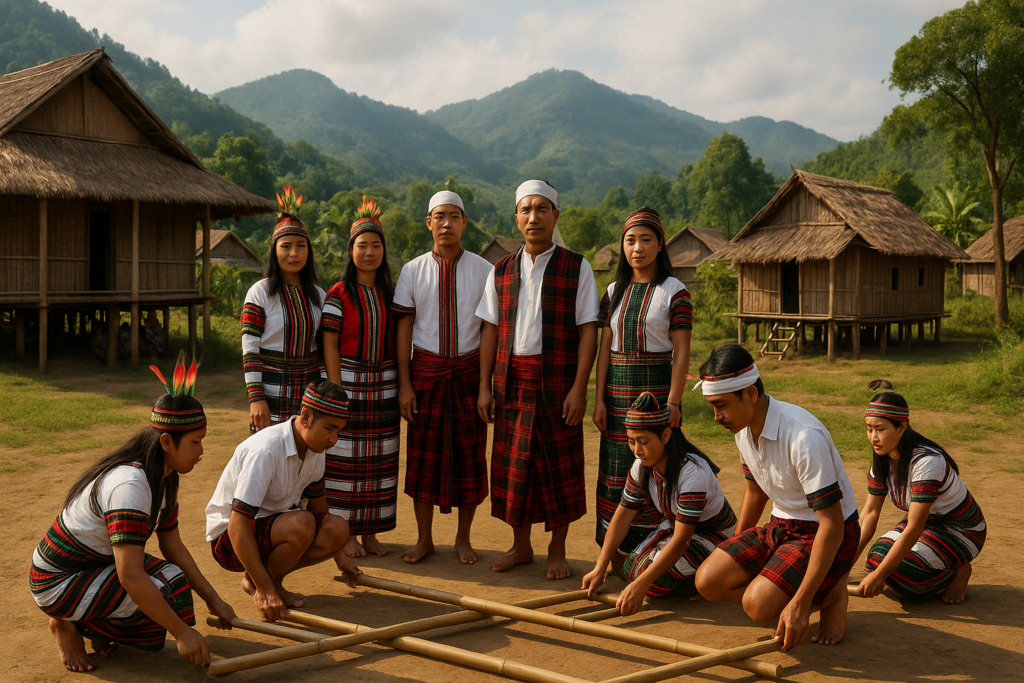
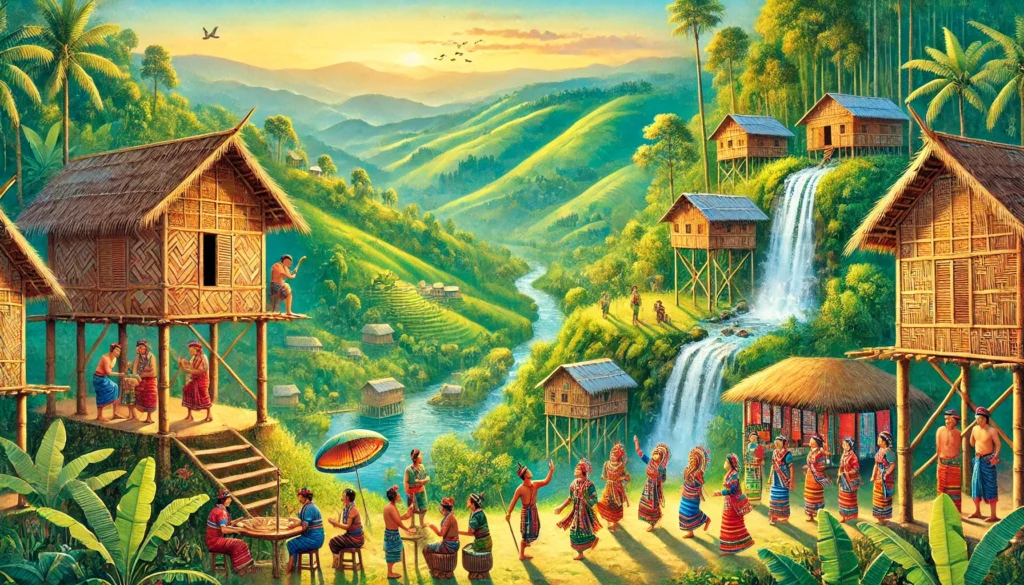
Mizoram’s traditional dance style, Cheraw, also known as the Bamboo Dance, is famous across the world. Dancers move gracefully between bamboo poles rhythmically tapped together, creating a visually stunning performance.
People and Lifestyle
The people of Mizoram are generally simple, friendly, and peace-loving. Community life, mutual respect, and cooperation are an important part of their social structure.
Natural Beauty and Tourism in Mizoram
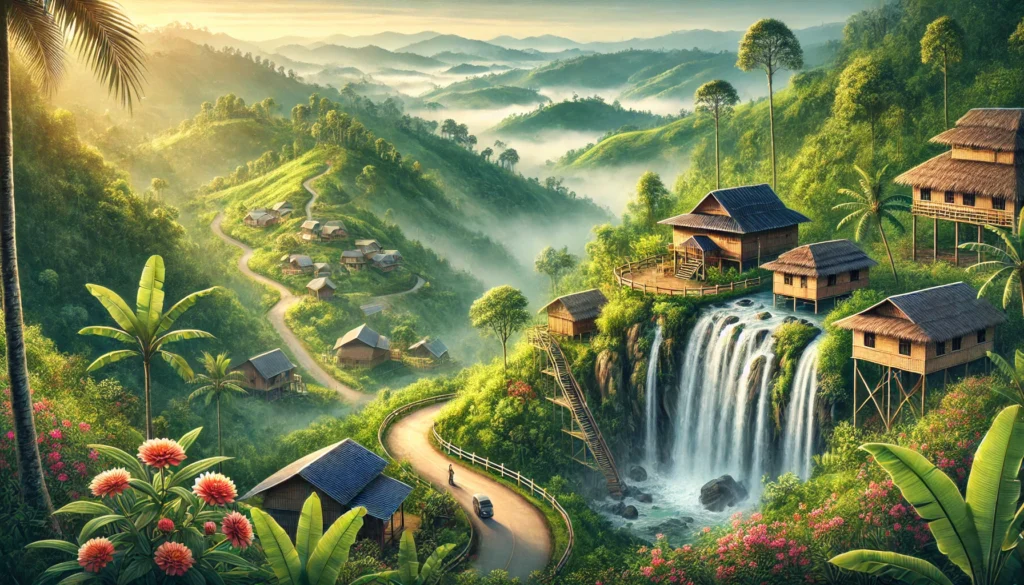
The natural beauty of Mizoram makes it a centre of attraction for tourists. Lush green hills, valleys, waterfalls, and pleasant weather create a peaceful environment.
Major Tourist Attractions
- Thenzawl (Thengpui) Wildlife Sanctuary
- Phawngpui National Park (also known as Blue Mountain National Park)
- Vanlawng (Vanlawang) Falls
These places are famous for their biodiversity, scenic views, and opportunities for nature-based tourism.
Villages and Vineyards
Reiek Village (often written as Reike/Reike) and Champhai are famous for:
- Traditional Mizo architecture
- Beautiful landscapes
- Vineyards and agricultural fields
For travelers who love nature, culture, and quiet places, Mizoram is a refreshing destination.
Economy of Mizoram
The economy of Mizoram is mainly based on agriculture.
Agriculture and Crops
Traditionally, Jhum cultivation (shifting cultivation) has been widely practiced in Mizoram. In recent years, efforts have been made to shift towards more permanent and sustainable forms of farming.
The major crops grown here include:
- Rice
- Maize
- Fruits
- Vegetables
Emerging Industries
In addition to agriculture, bamboo and silk industries have developed in recent years, creating new economic opportunities for the people.
To understand how Mizoram fits into India’s wider geographical and economic picture, you can also read about the geographical importance of India.
Politics and Administration of Mizoram
Mizoram has a democratic political system where people actively participate in governance and social welfare.
Legislative Assembly
The Mizoram Legislative Assembly has 40 seats. Elected representatives from different constituencies form the government and opposition.
Participatory Governance
The administrative system emphasises public participation, and people are generally aware and active in matters related to development, education, and community welfare.
Unique Features of Mizoram
Several features make Mizoram stand out among Indian states.
Cleanliness and Literacy
- Mizoram is considered one of the cleanest states in India.
- It is also known for its high literacy rate of around 91%.
Community Living and Zawlbuk / Zawbkai Concept
The people of Mizoram strongly believe in community living. A traditional system of community cooperation, often referred to as Zawbkhai (or similar community-based concepts like Zawlbuk), plays an important role in social life. It reflects the values of helping each other and working together.
Conclusion
Mizoram is a wonderful state, blessed with natural beauty, cultural diversity, and a peaceful lifestyle. From its green hills and rich festivals to its high literacy and strong community values, Mizoram shows how tradition and modern life can exist together in harmony.
As we learn about Mizoram, we also understand how each Indian state adds its own colour to the larger picture of India. The traditions and unique lifestyle of Mizoram make the diversity of India even richer and more inspiring.
FAQs about Mizoram
Q1. Why is Mizoram called the “Land of Hills”?
Mizoram is called the “Land of Hills” because most of its area is covered with rolling hills, valleys, and highlands. The hilly terrain and green landscapes give the state its unique identity.
Q2. What is the capital of Mizoram?
The capital of Mizoram is Aizawl. It is located on a hill at an altitude of about 1,132 metres and is the political, cultural, and administrative centre of the state.
Q3. Which are the main tribes living in Mizoram?
The main tribes in Mizoram are Lushai, Pawi, Ralte, and Mar. Each tribe has its own customs, traditions, and cultural practices.

Premium Amazon Product
High-quality build, reliable performance, and excellent everyday value — great choice for daily use.
Buy on AmazonQ4. What is Mizoram famous for?
Mizoram is famous for its natural beauty, clean environment, high literacy, rich culture, and community values. It is also known for the Cheraw (Bamboo Dance), colourful festivals, and scenic tourist places like Phawngpui National Park and Champhai.
Q5. Which languages are spoken in Mizoram?
The official languages of Mizoram are Mizo (Lushai) and English. The Mizo language plays a central role in the cultural and social identity of the people.
Q6. What type of farming is common in Mizoram?
Traditionally, Jhum cultivation (shifting cultivation) has been common in Mizoram. However, efforts are being made to move towards more permanent and sustainable agricultural practices.
Q7. Is Mizoram a good tourist destination?
Yes, Mizoram is an excellent tourist destination for those who love nature, peace, and culture. Its hills, waterfalls, wildlife sanctuaries, traditional villages, and vineyards make it ideal for eco-tourism and cultural tourism.
Geographical Location and History of Mizoram
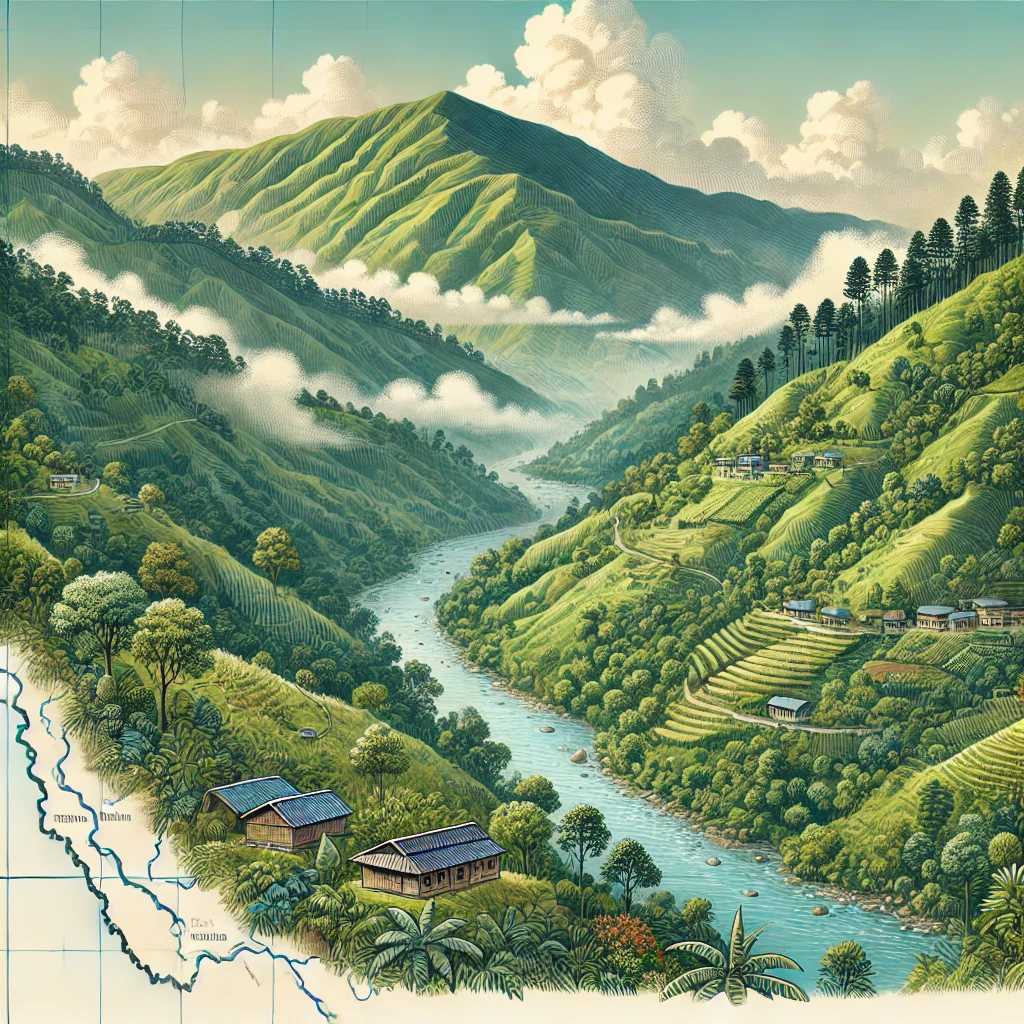
Mizoram is a beautiful and hilly state located in the north-eastern part of India. Its geography, climate, and historical journey have deeply shaped the lifestyle, culture, and economy of the region. Below is a detailed explanation of the geographical location and historical evolution of Mizoram.
Geographical Location of Mizoram
The geographical location of Mizoram plays a crucial role in its natural beauty, climate, biodiversity, and strategic importance. Situated among hills and valleys, the state is known for its diverse terrain and environmental richness.
Status and Extent
- Mizoram is situated in the foothills of the Eastern Himalayas.
- The state extends between 21°56′ N to 24°31′ N latitude.
- Its longitudinal extent lies between 92°16′ E to 93°26′ E longitude.
International and State Borders
- North: Assam and Manipur
- South and East: Myanmar (Burma)
- West: Bangladesh
Area
The total geographical area of Mizoram is 21,081 square kilometres, which accounts for approximately 0.64% of India’s total land area.
Mountain Geography
Mizoram is popularly known as the “Land of Hills” because almost its entire area is covered with hills and valleys. These hills run from north to south, creating a rugged and scenic landscape.
Major Hills and Peaks
- Phawngpui (Blue Mountain): The highest peak in Mizoram at 2,157 metres
- Lunglei Hills
- Humlang Hills
Rivers of Mizoram
Several small and large rivers flow through Mizoram, providing water for agriculture, daily use, and hydropower potential.
Major Rivers
- Tlang (Dhalai) River: The longest river in the state
- Chinghil River
- Tuirial, Tuivang, and Tuipui Rivers
Most of these rivers flow towards Myanmar and Bangladesh, contributing to irrigation beyond India’s borders.
Climate of Mizoram
Mizoram experiences a tropical climate.
- Summers are mild and pleasant
- Winters are cool but comfortable
- Average annual rainfall is about 2,500 mm
Vegetation and Biodiversity
Nearly 75% of Mizoram’s area is covered by forests, making it one of the most forest-rich states in India.
- Bamboo forests are widespread
- Sal trees and flowering plants are common
- Home to rare birds, animals, and plant species
Earthquake-Prone Zone
Mizoram lies in an earthquake-sensitive zone because it is located at the junction of the Indian Plate and the Burma Plate. Mild to moderate earthquakes occur frequently in the region.
Geographical Features and Significance
- Average Elevation: 900–1,200 metres above sea level
- Fertile Valleys: Used for agriculture between hill ranges
- Water Resources: Important for irrigation and hydropower
- Natural Resources: Bamboo and timber
Geographical Beauty of Mizoram
The combination of hills, rivers, valleys, and dense greenery makes Mizoram one of the most beautiful states of India. Its environmental balance and ecological richness give it special importance from a conservation point of view.
Thus, the geography of Mizoram not only enhances its natural beauty but also strongly influences its lifestyle, culture, and economy.

Premium Amazon Product
Excellent quality and dependable performance — a great choice for everyday use with trusted durability.
Buy on AmazonHistory of Mizoram
The history of Mizoram is shaped by tribal traditions, migration, colonial influence, struggle, and eventual peace. Its journey reflects resilience and cultural strength.
Ancient Period
The ancient history of Mizoram is mainly based on oral traditions and tribal folklore.
- Major tribes include Lushai, Pawi, Mar, and Ralte
- These tribes belong to the Tibeto-Burmese group
- The Mizo people believe their ancestors migrated from China and Myanmar
- Migration occurred mainly during the 16th and 17th centuries
Medieval History
During the medieval period, Mizoram was ruled by independent tribal communities.
- Society was organised under the Clan System
- Each village was headed by a chief
- Frequent conflicts occurred over territory
- Economy was based on agriculture and forest resources
British Rule (19th Century)
British Contact
- The British came into contact with the Mizo tribes in the mid-19th century
- Conflicts increased during the 1850s
Lushai Rebellion (1871–72)
The Mizo tribes revolted against British control, known as the Lushai Rebellion. The rebellion was suppressed, and British authority expanded over the region.
Formation of Lushai Hills
- By the 1890s, the region was named “Lushai Hills”
- In 1898, it officially came under British rule
Modern History
Missionary Influence and Christianity
- Christian missionaries arrived in the late 19th century
- Welsh missionaries began work around 1894
- Education and healthcare were introduced
- Christianity became the dominant religion
Post-Independence Period
- After 1947, Mizoram became part of Assam
- In 1950, it was declared the Lushai Hills District
Mizo Rebellion and Peace Accord
- In the 1960s, the Mizo National Front (MNF) demanded independence
- The rebellion peaked in 1966
- In 1986, the Mizoram Peace Accord was signed
Union Territory and Statehood
- In 1972, Mizoram became a Union Territory
- On 20 February 1987, Mizoram became the 23rd state of India
- Laldenga became the first Chief Minister
Contemporary Mizoram
Today, Mizoram is one of the most peaceful and clean states in India. It has a high literacy rate of about 91%, and its politics focus on stability, development, and social harmony.
The history of Mizoram is a blend of struggle and progress, making it a powerful symbol of peace, resilience, and development in India.
Population, Tribes and Language of Mizoram
Mizoram is known for its rich tribal culture, strong traditions, and peaceful social life. The population of the state is largely composed of indigenous tribes whose customs, languages, and lifestyle together form the unique identity of Mizoram. This section explains the population structure, major tribes, social traditions, and languages of Mizoram in detail.
Population and Tribes of Mizoram
The population of Mizoram reflects unity, discipline, and cultural harmony. Tribal communities dominate the demographic structure and play a central role in the social and cultural life of the state.
Population Details
Total Population
- As per the 2021 estimated data, the population of Mizoram is around 12 lakh.
- According to the 2011 Census, the population was 10,91,014.
Sex Ratio
The sex ratio of Mizoram is approximately 976 females per 1000 males, which indicates a balanced demographic structure.
Literacy Rate
- Overall literacy rate: around 91% (one of the highest in India)
- Male literacy rate: 93%
- Female literacy rate: 89%
Urban and Rural Population
- 52% of the population lives in urban areas
- 48% resides in rural areas
- Aizawl is the capital and the largest urban centre of Mizoram
Classification of Tribes
More than 90% of Mizoram’s population belongs to various tribal communities. These tribes mainly belong to the Tibeto–Burmese ethnic group. Their traditions, languages, and customs form the foundation of the state’s cultural identity.
Major Tribes of Mizoram
Lushai (Mizo)
- The largest and most prominent tribe of Mizoram
- The term “Mizo” means “people of the hills”
- Society is clan-based and lineage-oriented
- Main occupations include agriculture, crafts, and animal husbandry
Pawi
- A major sub-tribe of the Mizo community
- Mainly found in southern Mizoram
- Customs and traditions are similar to the Lushai tribe
Ralte
- A smaller but culturally important tribe
- Main occupation is agriculture
- Well known for traditional dance and music
Mara
- Mainly found in southern Mizoram, especially Saiha district
- Distinct social and cultural practices
- Their language is known as Mara
Lai
- Primarily resides in Champhai district
- Famous for dance, music, and traditional art forms
Other Tribes
- Hmar: Found in northern Mizoram; engaged in agriculture and forest-based activities
- Chakma: Follows Buddhism; mainly inhabits western Mizoram
- Bru (Reang): Found in border areas; known for unique cultural traditions

Premium Tech Accessory
High-quality build with reliable performance — perfect choice for everyday use and durability.
Buy on AmazonLanguage and Religion
Languages
- Main language: Mizo (Lushai)
- Other tribal languages: Mara, Pawi, Ralte, Hmar
- English is used for administration and education
Religion
- About 87% of the population follows Christianity
- Most Christians belong to Protestant denominations
- Other religions include Buddhism (mainly Chakma tribe), Hinduism, and a small Muslim population
Social Structure and Traditions
Mizo society is deeply rooted in community life and collective responsibility.
- “Zawbkhai” system promotes community cooperation
- Clan-based social structure with village chiefs
- Traditional festivals like Mim Kut and dances like Cheraw (Bamboo Dance) reflect cultural heritage
Lifestyle and Economic Activities
- Main occupation: Agriculture
- Traditional Jhum cultivation is still practiced
- Efforts are being made to shift towards sustainable farming
- Bamboo and wood play a vital role in daily life
Importance of Population and Tribes
The population and tribes of Mizoram represent cultural diversity, social harmony, and traditional wisdom. Their customs and way of life make Mizoram unique among Indian states.
Thus, the population and tribes of Mizoram form the backbone of the state’s identity and cultural richness.
Language of Mizoram
The languages spoken in Mizoram reflect its cultural depth and social diversity. Each tribe has its own linguistic identity, yet all communities remain united through a common language.
Major Language: Mizo (Lushai)
- Mizo is the most widely spoken and official language of Mizoram
- Also known as the Lushai language
- Belongs to the Tibeto–Burman language family
- Used in administration, education, and social communication
Other Tribal Languages
Lai Language
Spoken by the Lai tribe, mainly in and around Champhai district.
Mara Language
Spoken by the Mara tribe, mainly in southern Mizoram, especially Saiha district.
Pawi Language
Used by the Pawi tribe in southern Mizoram.
Hmar Language
Spoken by the Hmar tribe in northern Mizoram; slightly different from Mizo.
Chakma Language
Spoken by the Chakma tribe; belongs to the Indo-Aryan language family.
Bru (Reang) Language
Spoken by the Bru tribe in border regions of Mizoram.
Influence of English
- English is a major language of administration and education
- It is the second official language of the state
- Its influence increased due to missionary-led education
Linguistic Diversity and Unity
Although almost every tribe has its own language or dialect, the Mizo language acts as a lingua franca, uniting all communities. This linguistic diversity strengthens the cultural heritage of Mizoram.
Script
The Mizo language is written in the Roman script, a tradition introduced by Christian missionaries in the late 19th century.
Cultural Significance of Language
Languages in Mizoram preserve folklore, songs, oral traditions, and historical memory. They play a crucial role in maintaining the cultural identity and heritage of the people.
Thus, the languages of Mizoram form the foundation of its social and cultural structure, making the state’s identity truly unique.
Culture and Traditions of Mizoram
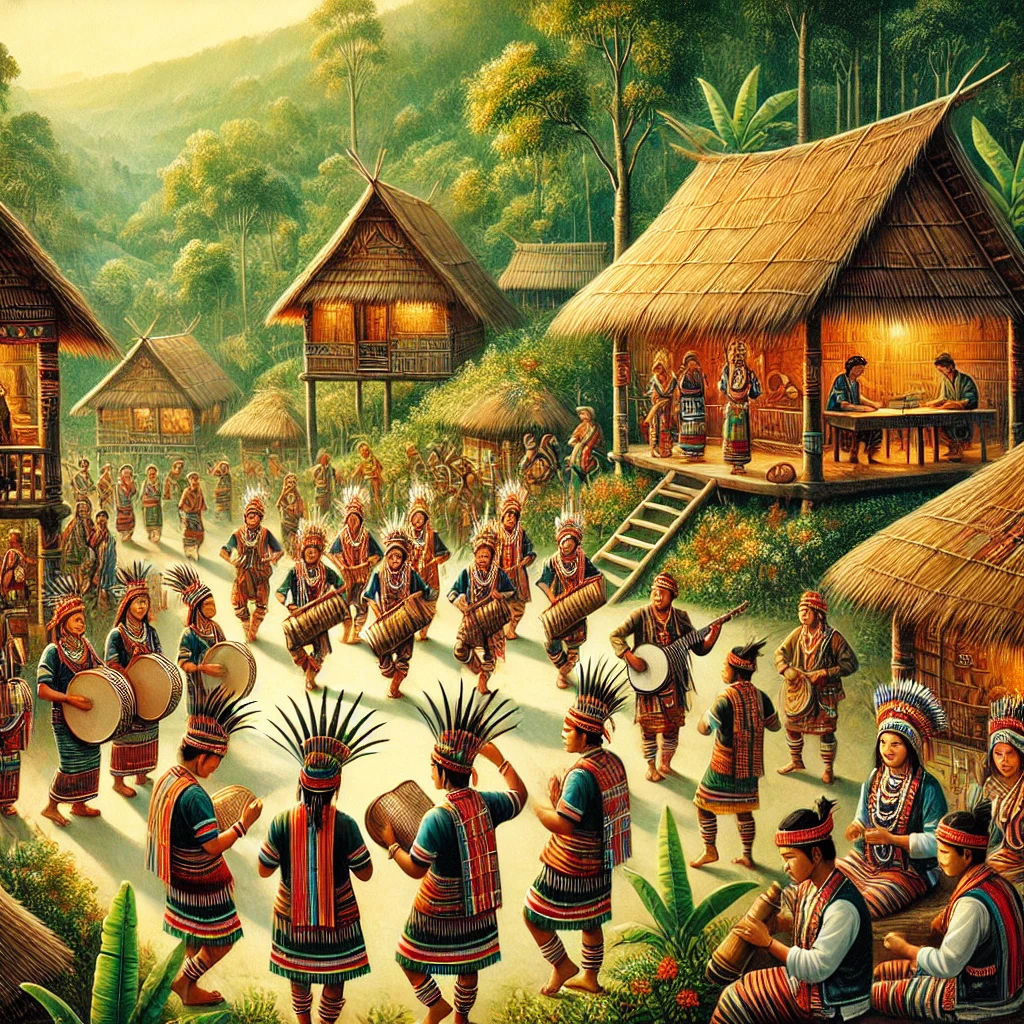
The culture and traditions of Mizoram are deeply rooted in its tribal heritage, strong community values, festivals, art forms, and close relationship with nature. The state is known for its peaceful society, simple lifestyle, and cultural richness. Let us understand the major aspects of the culture and traditions of Mizoram in detail.
1. Structure of Mizo Society
Mizo society is primarily based on community life. Most of the population is tribal, and their lifestyle is simple, disciplined, and closely connected to nature.
Tlawmngaihna – Core Social Value
The foundation of Mizo social life is the concept of “Tlawmngaihna”. It represents selfless service, helping others, discipline, honesty, and maintaining strong community spirit.
Family System
- The family is the basic unit of Mizo society
- The society is patriarchal
- The father is traditionally considered the head of the family
2. Traditional Outfits and Jewellery
Traditional Costumes
- Puanchei: A colourful and beautifully designed traditional dress worn by women
- Puan: Traditional attire worn by men
- Traditional clothes are made using bamboo and cotton weaving
Traditional Jewellery
Mizo jewellery is simple yet elegant and mostly made from natural materials such as bamboo, beads, and stone.
3. Folk Art and Music
Folk art and music are an integral part of Mizo culture and are closely linked with nature and community life.
Folk Songs and Dances
- Folk songs reflect nature, courage, love, and community life
- Famous folk dances include Cheraw (Bamboo Dance) and Khuallam
Musical Instruments
Traditional Mizo music uses bamboo-based instruments, drums, and wooden wind instruments, producing rhythmic and soothing sounds.
4. Festivals and Celebrations
Festivals in Mizoram are closely associated with agriculture, community unity, and religious faith. They bring people together and strengthen social bonds.
Chapchar Kut
Chapchar Kut is the most important festival of Mizoram. It is celebrated before the sowing of crops and is marked by:
- Traditional dances and music
- Community feasts
- Joyful social gatherings

Premium Amazon Product
High-quality build, dependable performance and great everyday value — ideal choice for users.
Buy on AmazonMim Kut
Mim Kut is a harvest-related festival celebrated to honour the souls of ancestors. It reflects respect for elders and traditions.
Pawl (Paval) Kut
This is a post-harvest festival symbolising happiness, gratitude, and community unity.
5. Religion and Religious Traditions
The majority of Mizoram’s population follows Christianity.
- The church plays a central role in social and cultural life
- Religious gatherings promote discipline and unity
- The Chakma tribe follows Buddhism
- The Bru tribe follows traditional indigenous beliefs
6. Food and Catering Culture
The food of Mizoram is simple, nutritious, and closely linked with local resources.
Main Food
- Rice is the staple food
- It is commonly eaten with fish, meat, and vegetables
Traditional Dishes
- Bai: A dish made from bamboo shoots, vegetables, and meat
- Champhut: A soup prepared from boiled vegetables
- Zu: Traditional rice-based drink (in cultural contexts)
7. Architecture of Mizoram
Traditional Mizo houses are made of bamboo and wood.
- Houses are built on hill slopes
- Designed to withstand heavy rainfall and natural conditions
- Architecture reflects harmony with nature
8. Sports and Entertainment
Traditional Games
Traditional games such as Insuknawr (stick fighting) are part of Mizo cultural heritage.
Modern Sports
- Football
- Volleyball
- Cricket
Cultural programs, folk dances, and music performances are common forms of entertainment.
9. Folk Beliefs and Customs
Life events such as birth, marriage, and death are observed in a simple and community-oriented manner.
- Strong respect for ancestors
- Special prayers and rituals for the departed
- Deep respect and faith in nature
10. Importance of Culture and Traditions
The culture and traditions of Mizoram reflect strong community cooperation, respect for nature, and social harmony. These traditions preserve the tribal heritage and give the state a unique cultural identity.
Thus, the culture and traditions of Mizoram are a precious part of its social life. They not only define the identity of the state but also contribute significantly to the cultural diversity of India.
Natural Beauty, Tourism, Economy and Politics of Mizoram
Mizoram, located in the north-eastern region of India, is known for its breathtaking natural beauty, rich tribal culture, agriculture-based economy, and stable political system. Hills, forests, rivers, festivals, and strong community values together make Mizoram a unique and peaceful state. This article explains the natural beauty and tourism, economic structure, and political-administrative system of Mizoram in detail.
Natural Beauty and Tourism of Mizoram
Mizoram is a natural paradise of lush green hills, tranquil lakes, enchanting waterfalls, dense forests, and colourful flowers. Its peaceful environment and vibrant tribal culture make it distinct from other tourist destinations in India.
1. Major Attractions of Natural Beauty
(a) Hills and Greenery
- Mizoram is known as the “Mountain Land of the North-East”
- The state has more than 21 hill and mountain ranges
- Rivers and valleys flowing through these hills enhance scenic beauty
- Phawngpui (Blue Mountain) is the highest peak of Mizoram, famous for biodiversity
(b) Lakes and Rivers
- Palak Lake: The largest and most famous natural lake of Mizoram
- Tamdil Lake: A man-made lake ideal for tourism and fishing
- Major rivers include Chhimtuipui and Tuivawl
(c) Waterfalls
- Vantawng Waterfall: The highest and most famous waterfall of Mizoram
- Lungseng Waterfall
- Pukjhung Waterfall
(d) Forests and Biodiversity
- Over 90% of Mizoram is covered by forests
- Rich in bamboo, teak, and medicinal plants
- Dampa Tiger Reserve is the largest wildlife sanctuary
- A paradise for bird watchers
2. Major Tourist Destinations
(a) Aizawl
- Capital city known for scenic beauty and culture
- Solomon’s Temple
- Durtlang Hills for panoramic views
(b) Champhai
- Known as the “Rice Bowl of Mizoram”
- Green valleys and vineyards
- Rih Dil Lake on the India–Myanmar border
(c) Saiha
- Located in southern Mizoram
- Famous for Palak Lake, fishing, and adventure tourism
(d) Vantawng, Lunglei and Hmuifang
- Vantawng for waterfalls
- Lunglei for scenic landscapes
- Hmuifang for trekking, camping and nature tourism
3. Adventure and Cultural Tourism
- Trekking and hiking in hills and forests
- River rafting on the Tuivawl River
- Bird watching and eco-tourism
- Village tourism and Cheraw (Bamboo Dance)
- Participation in festivals like Chapchar Kut and Mim Kut
4. Importance of Tourism
Tourism contributes significantly to Mizoram’s economy and helps preserve its cultural and natural heritage. The state government promotes eco-tourism, infrastructure development, and environmental conservation.
Economy of Mizoram
The economy of Mizoram is mainly based on agriculture, horticulture, forest resources, handicrafts, tourism, and services.
1. Agriculture and Horticulture
- Rice is the main food crop, also known as Mizo Rice
- Other crops include maize, wheat, potatoes, tea, ginger, spices, tobacco and cotton
Shifting Cultivation (Jhum Farming)
Traditional shifting cultivation is practiced, though the government is promoting sustainable agricultural methods.
Horticulture
- Oranges, pineapples, litchi and papaya
- Tea and coffee cultivation
2. Industry and Handicrafts
- Bamboo industry is the backbone of rural economy
- Production of baskets, furniture, paper and handicrafts
- Traditional Mizo jewellery and woodcraft
3. Trade and Commerce
- Trade with Indian states and neighbouring countries
- Border trade with Bangladesh and Myanmar
- Export of tea, spices, bamboo and wood products
4. Tourism and Services
Tourism, administration, education, and healthcare provide growing employment opportunities. Aizawl is the administrative and service hub.
5. Challenges in the Economy

Premium Amazon Product
High-quality product with reliable performance and excellent everyday utility — ideal choice for users.
Buy on Amazon- Difficult terrain and border location
- Lack of infrastructure and road connectivity
- Environmental impact of shifting cultivation
- Limited private-sector employment
Politics and Administration of Mizoram
Mizoram functions as a democratic state under the Indian Union, with special constitutional protections for tribal communities.
1. Political Structure
(a) Legislature
- Unicameral Legislative Assembly
- 40 elected members
- Term of 5 years
(b) Executive
- Chief Minister as executive head
- Governor as constitutional head appointed by the President
(c) Judiciary
- Under the Indian judicial system
- Jurisdiction of Gauhati High Court
2. Major Political Parties
- Mizo National Front (MNF)
- Indian National Congress
- Bharatiya Janata Party (BJP)
3. Election Process
- Assembly elections every 5 years
- One Lok Sabha seat
- MLAs participate in Presidential elections
4. Political History
The Mizo National Front rebellion in 1966 ended with the Mizoram Peace Accord of 1986, leading to full statehood in 1987.
5. Special Constitutional Status
Mizoram comes under the Sixth Schedule of the Indian Constitution, ensuring protection of tribal land, culture and autonomy.
6. Development Initiatives
- Road and connectivity projects
- Health and education reforms
- Tourism, agriculture and forest-based development
Conclusion
Mizoram stands out as a state of natural beauty, cultural richness, economic potential, and political stability. Its hills, forests, festivals, bamboo-based economy, and democratic governance together make it a unique and inspiring part of India.
Features of Mizoram
Mizoram, located in the north-eastern region of India, is known for its unique geographical, cultural, social, and economic features. The state attracts attention for its natural beauty, rich tribal heritage, peaceful lifestyle, and strong community values. Below are the major features that make Mizoram distinct among Indian states.
1. Geographical Features
Mountainous Region
Mizoram is a completely mountainous state. Most of its land is covered with hills, valleys, and dense forests. Due to its rugged terrain, it is often referred to as the “Land of Mountains”.
Climate
Mizoram has a tropical monsoon climate.
- Summers are mild and pleasant
- Winters are cool and comfortable
- Heavy rainfall occurs during the monsoon season
The rainfall supports agriculture, forests, and rich vegetation.
Vegetation and Biodiversity
The forests of Mizoram are rich in biodiversity.
- Teak, bamboo, and medicinal plants are commonly found
- Home to diverse species of birds, animals, and insects
2. Cultural Characteristics
Mizo Society
Mizoram is mainly inhabited by the Mizo tribal community. This community is known for its rich culture, customs, rituals, and disciplined lifestyle.
Language
- The official language of Mizoram is Mizo
- English is widely used in education and administration
- Hindi is also understood and spoken by some sections
Traditional Dance and Music
Dance and music are integral to Mizo culture.
- Cheraw (Bamboo Dance) holds special cultural significance
- Other traditional dances and folk music reflect community life
Festivals
Festivals in Mizoram are closely related to agriculture and seasons.
- Chapchar Kut
- Mim Kut
- Pawl (Tulu) Kut
These festivals include traditional dances, songs, and community feasts.
Traditional Clothing
Traditional attire worn by the people reflects tribal identity and cultural pride. Handwoven garments are an important part of Mizo heritage.
3. Historical Features
Freedom Struggle
During British rule, the Mizo people actively participated in movements and resistance against colonial control.
Mizo Insurgency
In 1966, a major insurgency was led by the Mizo National Front (MNF). The movement demanded greater autonomy and political rights.
1986 Peace Accord
The insurgency ended with the signing of the Mizoram Peace Accord in 1986. This agreement restored peace and led to the creation of Mizoram as a full-fledged Indian state.
4. Economic Characteristics
Agriculture-Based Economy
Agriculture is the backbone of Mizoram’s economy.
- Major crops include rice, maize, tobacco, fruits, and spices
Forest Resources
Mizoram’s vast forests provide valuable resources such as bamboo, timber, and medicinal plants.
Bamboo Industry
Bamboo is one of the most important natural resources of Mizoram. It is widely used in handicrafts, construction, furniture, and the paper industry.
Tourism
Tourism is a rapidly growing sector. Natural beauty, lakes, waterfalls, wildlife sanctuaries, and tribal culture attract visitors from across India.
5. Social Characteristics
Education
Mizoram has one of the highest literacy rates in India.
- Education is mainly imparted in Mizo and English

Premium Amazon Product
High-quality build with reliable performance and great everyday value — a trusted choice for users.
Buy on AmazonHealth Care
Healthcare facilities in Mizoram are relatively well developed. The state government runs various schemes to improve health services.
Social Organisation
Community organisations and local institutions play a vital role in social life. Efforts are also made to protect the rights of women and weaker sections.
6. Administrative and Political Features
Special Constitutional Status
Mizoram is included under the Sixth Schedule of the Indian Constitution. This provides special rights to tribal communities to protect their land, culture, and resources.
State Government
The state has a Legislative Assembly and a Chief Minister who administer state affairs.
Mizo National Front (MNF)
The MNF is a major regional political party and plays a significant role in Mizoram’s politics.
7. Environment and Natural Resources
Dense Forest Cover
More than 90% of Mizoram’s area is covered with forests, making it one of the most forest-rich states in India.
Climate and Rainfall
Heavy rainfall and a moderate climate support rich vegetation and ecological balance.
Wildlife Reserves
Mizoram has several wildlife sanctuaries and tiger reserves that protect biodiversity and natural ecosystems.
Conclusion
The features of Mizoram make it truly unique among Indian states. Its mountainous geography, rich tribal culture, historical struggles, strong community life, and abundant natural resources define its identity.
Through agriculture, forest-based industries, tourism, education, and social reforms, Mizoram is steadily progressing while preserving its cultural and traditional values. This balance between development and heritage makes Mizoram a remarkable and inspiring state of India.

Premium Amazon Product
High-quality build, reliable performance and excellent everyday value — ideal choice for users.
Buy on AmazonReferences
The information presented in this article has been compiled from reliable academic sources, government publications, and standard reference materials related to Indian geography, history, culture, and polity. The key references include:
- Government of India – Constitution of India (Provisions related to the Sixth Schedule)
- Census of India 2011 – Office of the Registrar General & Census Commissioner, India
- NCERT Textbooks – Geography, History, and Political Science (Classes IX–XII)
- Indian Polity – M. Laxmikanth
- Indian Culture and Heritage – NCERT Publications
- Government of Mizoram – Official reports, statistical handbooks, and policy documents
- Department of Tourism, Mizoram – Tourism brochures and official publications
- Ministry of Environment, Forest and Climate Change, Government of India – Forest and biodiversity reports
- Various academic journals, research articles, and general studies resources
This article is intended for educational and informational purposes. Every effort has been made to ensure accuracy and authenticity of the content.