

Introduction to Haryana
Haryana is a historically and culturally rich state located in the northwestern part of India. Known for its ancient roots and dynamic progress, Haryana represents a unique blend of tradition, heritage, agriculture, and modern development. With every visit, I have experienced the spirit of its people—simple yet strong, traditional yet forward-looking—which inspired me to share this informative and motivating story.
Geographical Location
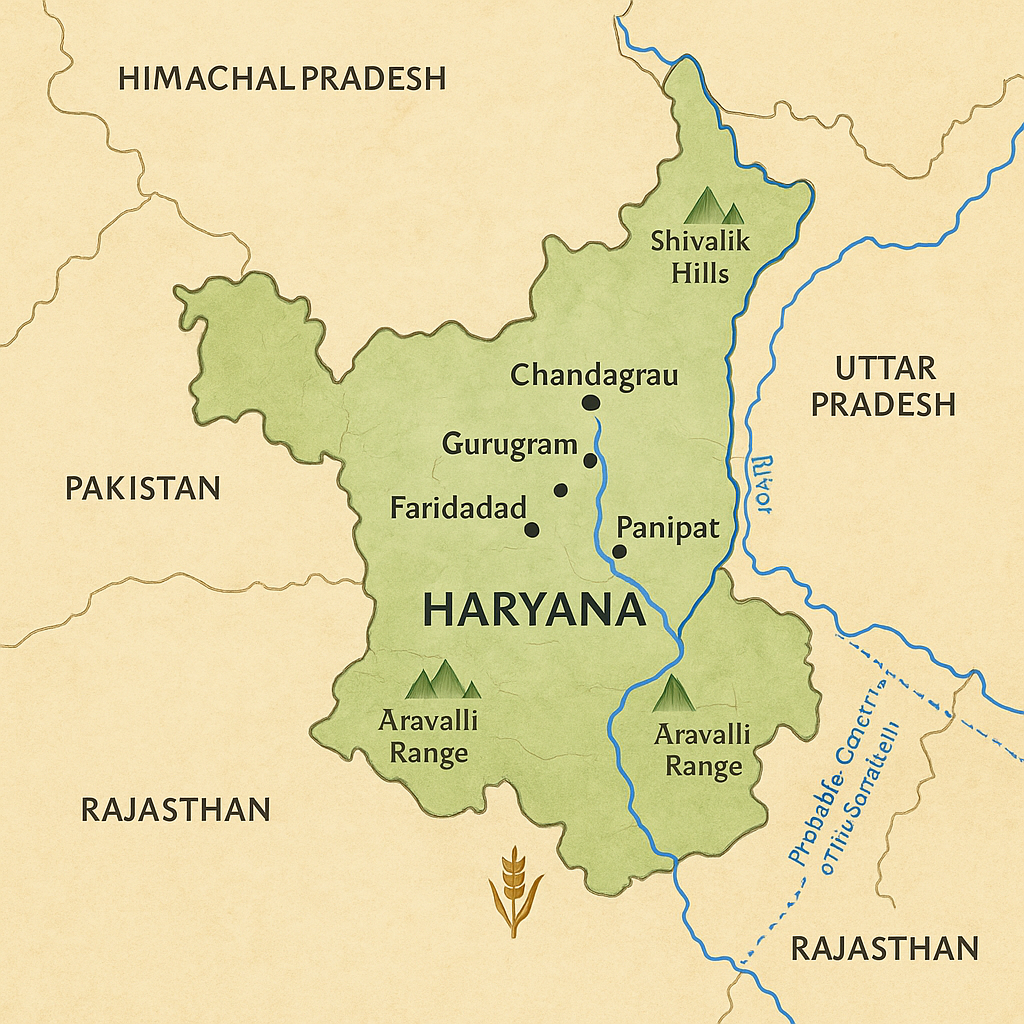
Haryana is bordered by Himachal Pradesh to the north, Uttar Pradesh to the east, Punjab to the west, and Yamuna River flows along its eastern side. The state covers an area of 44,212 square kilometers, making it one of the strategically important regions of northern India.
Historical Background
The historical significance of Haryana is deeply connected to the Mahabharata period. Kurukshetra, located in this state, was the main battleground of the Mahabharata war and is known as the sacred Geeta Updesh Bhoomi, where Lord Krishna delivered the Bhagavad Gita. Additionally, Haryana’s history is also associated with the Indus Valley Civilization, making it a cradle of ancient Indian culture.
Capital and Major Cities
Chandigarh
Chandigarh serves as the shared capital of both Haryana and Punjab. It is known for its modern architecture and high quality of life.
Gurugram
Gurugram is India’s major economic and IT hub, home to multinational companies, modern infrastructure, and a fast-paced urban lifestyle.
Faridabad
This city is one of the leading industrial centers of India, contributing significantly to Haryana’s economic growth.
Panipat
Known for its textile industry and famous historical battles, Panipat holds major economic and cultural importance.
Kurukshetra
A globally recognized spiritual and historical center, known for temples, lakes, and sacred sites linked to the Mahabharata.
Population and Language
According to the 2021 census, Haryana has a population of 2.89 crores. The primary spoken language is Haryanvi, a dialect of Hindi, while Hindi and English are the official languages used in administration and education.
Agriculture and Economy
Often called the “Granary of India”, Haryana plays a crucial role in India’s food production. Wheat and paddy (rice) are the major crops cultivated here. Haryana was the first state in the country to successfully provide electricity and irrigation to its entire agricultural region. Industrial areas like Faridabad and Panipat also contribute heavily to its growing economy, making the state a strong agricultural and industrial powerhouse.
Culture and Traditions
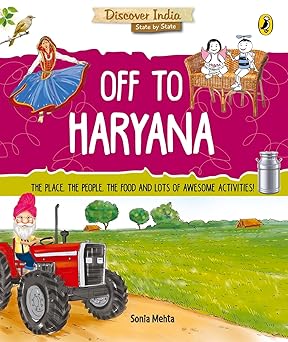
The culture of Haryana shines through its folk songs, dance traditions, fairs, and festivals. Its cultural expressions reflect joy, simplicity, and a deep connection to rural life.
Folk Songs
Ragini, traditional folk songs, and devotional bhajans hold a special place in Haryana’s cultural identity.
Folk Dances
Popular folk dances include Ghoomar, Jhumar, and Phaag, performed during celebrations and seasonal festivals.
Festivals
Teej, Basant Panchami, and Baisakhi are celebrated with immense enthusiasm, showcasing the state's festive spirit.
Popular Tourist Spots
Kurukshetra
Brahmasarovar and Jyotisar are key pilgrimage sites for visitors seeking spiritual and historical experiences.
Sultanpur Bird Sanctuary
A paradise for bird watchers, this sanctuary attracts migratory birds from across the world.
Panipat Fort
A historic fort representing the glory of medieval battles and architectural strength.
Morni Hills
Known for natural beauty, greenery, and peaceful surroundings, perfect for weekend getaways.
Dubai Mall, Gurugram
A symbol of modernity and luxury shopping, showcasing the urban development of the region.
Special Facts About Haryana
- Haryana launched the Beti Bachao, Beti Padhao campaign to promote girls’ education and improve the gender ratio.
- Haryana’s athletes have made India proud at the Olympics, Asian Games, and Commonwealth Games.
Conclusion
Haryana is a state known for its ancient glory, cultural heritage, agricultural excellence, and rapidly modernizing industries. It represents a beautiful balance between history and progress. From the sacred land of Kurukshetra to the futuristic skyline of Gurugram, Haryana continues to inspire millions—including me—with its unmatched legacy and dynamic spirit.
Geographical Location of Haryana
Haryana is a small but significant state located in the north-western part of India. Its geographical position makes it highly important from agricultural, business, strategic, and historical perspectives.
Status and Limitations
The total area of Haryana is 44,212 sq. km, which is approximately 1.3% of India’s total geographical area.
Bordering States and Regions
- North: Himachal Pradesh and Punjab
- East: Yamuna River (forms border with Uttar Pradesh)
- South: Chandigarh (common capital of Punjab and Haryana)
Geographic Latitude and Longitude
Haryana is located between 27°39′ to 30°55′ North Latitude and 74°27′ to 77°36′ East Longitude. It surrounds the national capital Delhi from three sides, giving it tremendous strategic importance.
Natural Features
Plains
Most of Haryana consists of vast plains situated in the Indo-Gangetic region. Being part of the Himalayan ecosystem, this area is extremely fertile and suitable for agriculture.
Rivers
- Yamuna River: The most prominent river, forming the eastern boundary of the state.
- Ghaggar River: Flows along the western border and is also known as the “Sukhi Nadi” or desert river.
- Remains of the ancient Saraswati River are also found in the region.
Climate
Haryana has a tropical climate with all three major seasons—summer, winter, and monsoon.
- Summer: Temperatures rise up to 45°C (May–June).
- Winter: Temperatures fall as low as 4°C (December–January).
- Monsoon: Rainfall occurs from July to September, averaging 500–600 mm.
Physiographic Regions
Haryana consists of four major physiographic divisions:
- Shivalik Hills: Lower Himalayan ranges in the north-east.
- Yamuna Valley Region: Extremely fertile land around the Yamuna River.
- South-western Dry Region: Adjacent to rajasthan, dry and less fertile.
- Aravalli Range: Found in southern districts like Gurugram, Rewari, and Mewat.
Natural Resources
Soil
Haryana’s soil is largely fertile and loamy, ideal for crops like wheat, paddy, and mustard.
Minerals
Minerals such as limestone, stone, and sand are found in various regions. Stone mining is particularly important in the Aravalli belt.
Geographical Importance
Strategic Location near Delhi
Haryana’s proximity to Delhi makes it a vital connection point for northern India. It provides essential transport routes and economic support to the national capital.
Transport and Communication
The state is connected by major national highways, including the historic Grand Trunk Road, making transportation efficient and widespread.
Agricultural Contribution
Its fertile plains make Haryana one of India’s largest agricultural contributors.
Geographic Challenges
- Water Crisis: Southern and south-western regions face water scarcity.
- Land Degradation: Mining and over-cultivation cause soil erosion in the Aravalli region.
Conclusion
 ⭐ Editor's ChoiceDiscover a highly rated product selected for its quality, functionality, and positive customer feedback.View Details & Reviews →Affiliate Disclosure: As an Amazon Associate, we may earn from qualifying purchases at no additional cost to you.
The geographical location of Haryana gives it both economic and historical importance. Its diverse natural features—rivers, plains, hills, and fertile soil—make it unique among Indian states. It beautifully balances nature, agriculture, and modern development.
History of Haryana
The history of Haryana is deeply woven into the ancient, medieval, and modern history of India. This land has witnessed the rise of civilizations, epic battles, empires, and India’s freedom struggle. It stands as a symbol of India’s cultural and political evolution.
Ancient Period
1. Vedic Civilization (2000–1500 BC)
- Haryana is considered one of the birthplaces of Vedic culture.
- The Saraswati River played a crucial role in shaping the Vedic civilization.
- Yagya, rituals, and the study of Vedas were common practices.
- Haryana was a significant part of the ancient region known as Aryavarta.
2. Mahabharata Period (1000 BC)
- Kurukshetra in Haryana was the battlefield of the epic Mahabharata.
- Here, Lord Krishna delivered the Bhagavad Gita to Arjuna.
- It was the center of the powerful Kuru dynasty.
3. Influence of Indus Valley Civilization
- Archaeological remains found in Hisar and Bhiwani link Haryana to the Harappan culture.
- Rakhigarhi, located in Haryana, is one of the world’s largest Indus Valley sites.
Medieval Period (7th–17th Century)
1. Gupta and Harsha Dynasties
- During the Gupta period (4th–6th century), Haryana prospered in art and trade.
- Harshavardhana ruled this region in the 7th century.
- Thanesar (Kurukshetra) served as his capital.
2. Invasion of Mahmud Ghazni
In 1014 AD, Mahmud of Ghazni passed through Haryana during his expedition to the Somnath Temple.
3. Battles of Panipat
The three battles of Panipat changed the political landscape of India:
- First Battle (1526): Babur defeated Ibrahim Lodi, laying the foundation of the Mughal Empire.
- Second Battle (1556): Akbar defeated Hemu, strengthening Mughal rule.
- Third Battle (1761): Ahmad Shah Abdali defeated the Marathas, paving the way for British influence.
Modern Period (18th–20th Century)
1. Maratha and Sikh Rule
After the Third Battle of Panipat, Marathas and later the Sikhs gained control over the region.
2. British Rule
- Haryana came under British control in 1803.
- The region played an active role in the Revolt of 1857.
- Raja Nahar Singh of Ballabhgarh fought bravely against the British.
3. Freedom Struggle
- People of Haryana participated in major movements led by Mahatma Gandhi.
- Revolutionaries like Lala Lajpat Rai contributed significantly to India's independence.
Haryana After Independence (Post-1947)
- After partition, Haryana was merged with Punjab.
- On 1 November 1966, Haryana became a separate state based on linguistic division.
- Hindi was declared the official language.
- Chandigarh became the shared capital of both Punjab and Haryana.
Conclusion
The history of Haryana reflects India's cultural, political, and spiritual evolution. From ancient Vedic traditions to medieval battles and contributions to India’s independence, Haryana holds a place of pride in Indian history.


Agriculture and Economy of Haryana
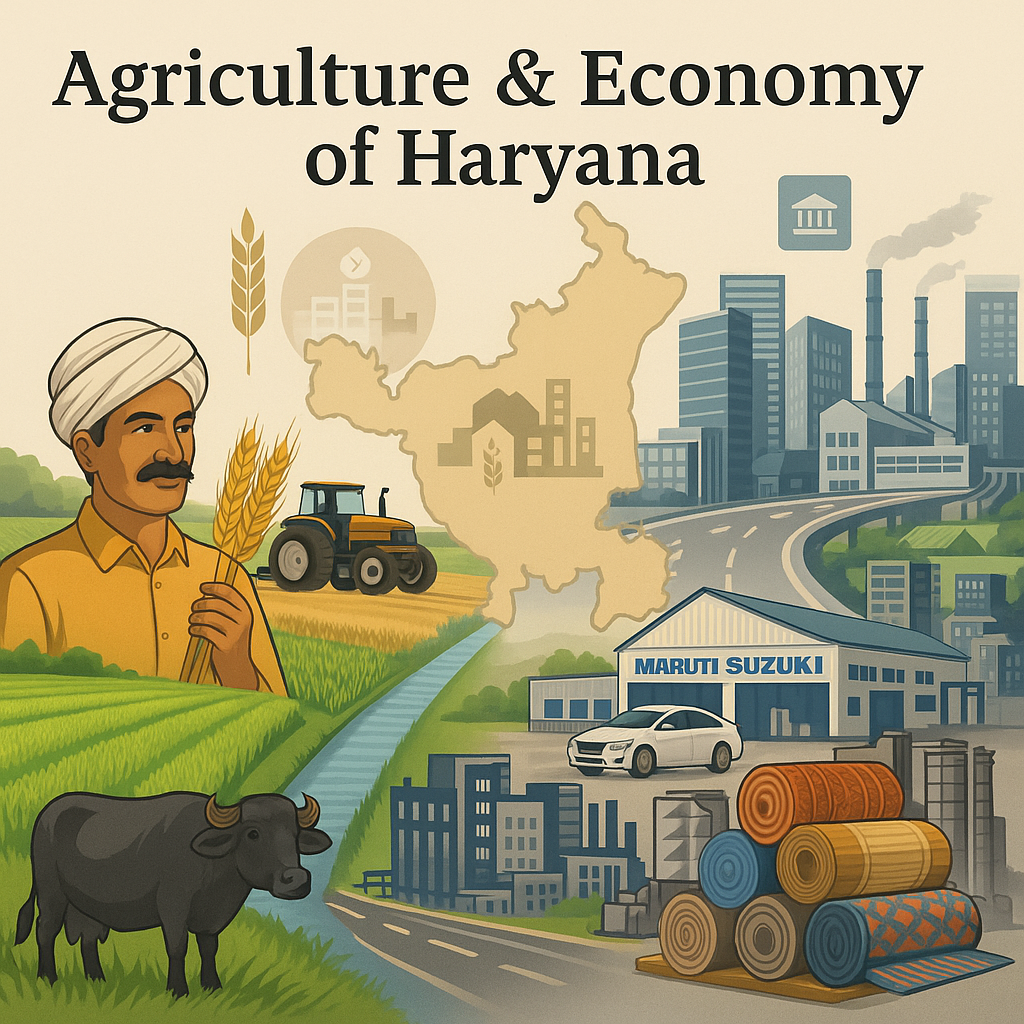
Haryana’s agriculture and economy form the core of its development and identity. Known as the “Granary of India” and the “Pioneer of the Green Revolution”, Haryana’s economy maintains a balance between agricultural progress and industrial growth.
1. Agriculture of Haryana
Importance of Agriculture
- Agriculture is the largest contributor to the state economy.
- About 80% of rural families depend on farming.
- Nearly 86% of Haryana’s total land is cultivable.
Major Crops
Kharif Crops
- Paddy, maize, millet, sugarcane, groundnut
- Haryana is one of the leading rice producers in India.
Rabi Crops
- Wheat, barley, mustard, gram
- The state is also a top wheat-producing region.
Other Crops
- Vegetables: Potato, tomato, onion
- Fruits: Guava, mango, orange
Impact of the Green Revolution
Haryana successfully adopted the Green Revolution in the 1960s–70s. This led to a major increase in irrigation facilities, fertilizers, and high-yield seeds, transforming Haryana into one of India’s biggest food grain producers.
Irrigation Status
Haryana is among the few states where 100% agricultural land has access to irrigation.
Major Irrigation Sources
- Canals: Bhakra–Nangal Project, Western Yamuna Canal
- Tubewells and pumps
Innovation in Agriculture
- Promotion of drip and sprinkler irrigation
- Encouragement for organic farming
- Digital initiatives like “Meri Fasal, Mera Byora” for fair crop valuation
Dairy Production and Animal Husbandry
Haryana is also known as the “Milk Bowl of India”. Buffaloes contribute significantly to milk production.
- Major breeds: Murrah and Sahiwal
2. Economy of Haryana
Gross State Domestic Product (GSDP)
Haryana’s GSDP crossed ₹10.5 lakh crore in 2022–23, making it one of the fastest-growing economies in India.
Major Sectors of the Economy
Agriculture and Allied Sectors
- Contribute about 18% of the state economy
- Crop production, dairy, and animal husbandry are key contributors
Industry and Construction
- Major industrial hubs: Gurugram, Faridabad, Panipat, Hisar
- Automobile: Maruti Suzuki headquartered in Gurugram
- Textile: Panipat known as the “Carpet Capital of the World”
- Steel: Hisar is a major steel production center
Industrial Development Regions
- Kundli–Manesar–Palwal (KMP) Expressway
- IMT (Industrial Model Township) Manesar

Service Sector
- Contributes nearly 50% to the economy
- Gurugram and Panchkula are major IT-BPO hubs
- Banking and finance sectors are rapidly expanding
Exports and Trade
- Major exports: Automobiles, textiles, agricultural products
- Trade benefits significantly from proximity to the NCR region
3. Major Government Schemes
Schemes for Agriculture
- Pradhan Mantri Fasal Bima Yojana: Provides insurance against crop damage
- Meri Fasal, Mera Byora: Ensures fair pricing and direct benefits to farmers
- Haryana Agriculture Policy: Promotes organic farming
Schemes for Industry
- Make in Haryana: Supports industrial growth
- Ease of Doing Business: Simplifies business procedures
Employment and Entrepreneurship
- Haryana Skill Development Mission provides training to youth
- Startups, especially in IT and technology, are being promoted
4. Challenges and Improvement Measures
Challenges in Agriculture
- Water scarcity, especially in south-west Haryana
- Falling groundwater levels
- Decreasing soil fertility due to excessive chemical use
- Lack of crop diversification
Improvement Measures
- Promoting micro-irrigation and water management
- Encouraging alternative cropping systems
- Expanding organic farming
Challenges in Industry
- Instability in electricity and water supply
- Low skill levels in industrial labor
Improvement Measures
- Development of renewable energy
- Skill development programs for workers
Conclusion
Haryana’s agriculture and economy provide a strong foundation for its balanced and prosperous development. The state has earned the title of “Granary of India” because of its agricultural strength. Rapid industrial and service sector growth has further transformed Haryana into a modern and self-reliant state.
Culture and Traditions of Haryana
The culture and traditions of Haryana reflect simplicity, hard work, and strong family values. Its music, dance, attire, food, festivals, and rituals give the state a unique cultural identity.
1. Culture of Haryana
1.1 Language and Literature
- Haryanvi is the primary spoken language of the state.
- Folk literature includes Raginis, poems, songs, and stories.
- Folk traditions reflect the lifestyle and values of rural Haryana.
1.2 Folk Arts and Crafts
- Pottery, wall paintings, and toy-making are prominent folk arts.
- Panipat’s carpet and rug industry is world-famous.
- Women create traditional embroidered clothes with intricate designs.
1.3 Music and Dance
- Folk music is vibrant and mostly based on Raginis.
Major Folk Dances
- Phag Dance: Performed during Holi.
- Dhamaal: Performed during harvest celebrations.
- Loor Dance: Performed by women, especially during festivities.
1.4 Costumes
- Men: Dhoti, kurta, and turban
- Women: Ghagra, choli, and dupatta
1.5 Cuisine
- Bajra roti, sangri sabzi, buttermilk
- Extensive use of butter and ghee
- Festival dishes include jaggery rice and kadhi
2. Traditions of Haryana
2.1 Family Life
Joint family system is common, and people deeply respect elders.
2.2 Religious Traditions
- Temples, gurudwaras, and religious rituals form a major part of daily life.
- Cow worship and havan are commonly performed.
2.3 Festivals and Fairs
- Holi and Diwali
- Lohri and Makar Sankranti
- Surajkund Mela – world-famous cultural fair
- Gaushala fairs with religious importance
2.4 Rural Traditions
- Panchayat system plays a key role in village society.
- Collective work, community decisions, and traditional values are respected.
- Khap Panchayats are known for traditional rulings.
3. Major Religious and Historical Places
- Kurukshetra: Mahabharata battlefield and sacred land.
- Jyotisar: Place where Lord Krishna delivered the Bhagavad Gita.
- Panipat: Known for three historic battles.
- Surajkund: Famous for crafts and cultural fairs.
- Agroha: Ancient city related to the Agarwal community.
4. Haryanvi Sports and Physical Traditions
- Wrestling (Dangal): Major traditional sport.
- Kabaddi: Widely played across rural Haryana.
- Haryana’s athletes have won many medals in Olympics and Commonwealth Games.
5. Modern Cultural Changes
- Urbanization has brought change in traditional lifestyles.
- Haryanvi music and films are gaining national popularity.
- The state government is taking steps to preserve and promote Haryanvi culture.
Conclusion
The culture and traditions of Haryana form its identity and pride. Its music, dance, food, and festivals reflect the joys and struggles of rural life. While holding on to its rich heritage, Haryana also embraces modernity with harmony.
Tourist Places in Haryana
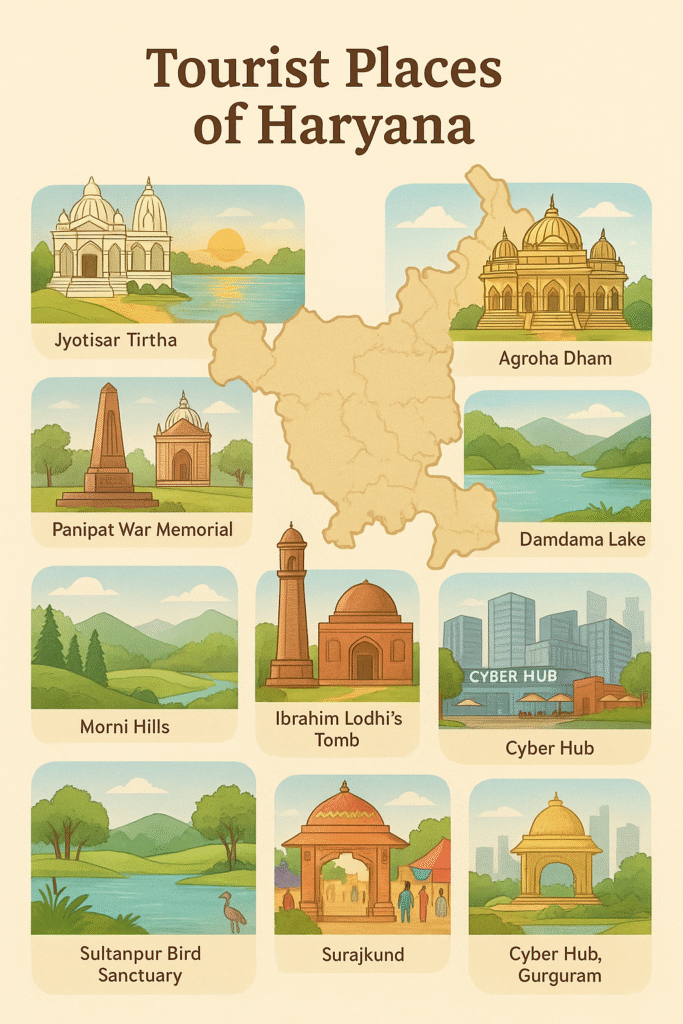
Haryana is known for its rich historical legacy, cultural vibrancy, and natural beauty. Its connection with the Mahabharata era and its diverse heritage make Haryana a fascinating destination for tourists. The state offers a perfect blend of religious, historical, natural, and modern attractions.
1. Religious Tourist Destinations
1.1 Kurukshetra
Kurukshetra is known as “Dharma Kshetra” and is the spiritual heart of the Mahabharata.
Major Landmarks
- Jyotisar Tirtha: The place where Lord Krishna delivered the teachings of the Gita to Arjun.
- Brahmasarovar: A sacred lake famous for religious rituals and holy baths.
- Shyamal Dham: A peaceful spiritual site and major attraction.
1.2 Panchkula
- Mata Mansa Devi Temple: One of the most important Shakti temples.
- Kalka Mata Temple: A sacred pilgrimage spot for devotees.
- Pinjore Garden: A Mughal-style garden known for its scenic beauty.
1.3 Agroha Dham (Hisar)
A major spiritual and historical site dedicated to Lord Agrasen, revered by the Agarwal community.
1.4 Sonipat
- Goharibaba Temple
- Khawaja Khizr’s Tomb: A site of religious and historical value
2. Historical Tourist Places
2.1 Panipat
Panipat is renowned for the three historic battles that shaped Indian History.
Major Landmarks
- Panipat War Memorial
- Tomb of Ibrahim Lodhi
- Salimgarh Fort
2.2 Hansi (Hisar)
A historically rich town known for its medieval forts.
- Gujarat Fort – A major attraction for history enthusiasts.
2.3 Surajkund (Faridabad)
Famous for the internationally acclaimed Surajkund Crafts Fair.
2.4 Rohtak
- Gurgaon Mound
- Tilarkheda Fort
3. Natural Tourist Spots
3.1 Morni Hills (Panchkula)
The only hill station in Haryana, popular for trekking and serene landscapes.
3.2 Sultanpur National Park (Gurugram)
A paradise for bird lovers. Migratory birds arrive here during winter.
3.3 Kalesar National Park (Yamuna Nagar)
Known for Asian elephants and diverse wildlife. A peaceful natural retreat.
3.4 Damdama Lake (Gurugram)
A popular spot for adventure sports, boating, and nature walks. Famous for its scenic views and weekend getaways.
4. Art and Cultural Tourist Destinations

4.1 Pinjore Garden (Panchkula)
A Mughal-style garden showcasing architectural beauty. Hosts an annual Mango Festival.
4.2 Surajkund Fair (Faridabad)
Organized every February, the Surajkund Fair displays traditional art and handicrafts from India and around the world.
4.3 Tau Devi Lal Botanical Garden (Gurugram)
A center dedicated to environmental conservation and biodiversity.
5. Adventure Tourist Destinations
5.1 Tilyar Lake Complex (Rohtak)
Ideal for picnics, boating, and outdoor adventure activities.
5.2 Bhindawas Wildlife Sanctuary (Jhajjar)
A popular destination for birdwatchers and nature enthusiasts. Home to many rare bird species.
5.3 Karna Lake (Kurukshetra)
A place of historical and scenic significance. According to legend, Karna donated his armor and earrings here.
6. Industrial and Modern Tourist Destinations
6.1 Cyber Hub (Gurugram)
A modern lifestyle, shopping, and entertainment hub with world-class cafes, restaurants, and malls.
6.2 Kingdom of Dreams (Gurugram)
India’s first live entertainment theatre showcasing Indian culture, drama, and performing arts.
6.3 Manesar (Gurugram)
A major industrial township with luxury resorts, cultural centers, and tourist attractions.
7. Fairs and Festivals
- Surajkund Handicrafts Fair
- Flower Festival (Panchkula)
- Holi, Baisakhi, and Diwali Fairs
Conclusion
The tourist destinations of Haryana offer a unique mix of natural beauty, historical heritage, and religious significance. Places like Kurukshetra and Panipat reflect the state’s ancient glory, while Morni Hills, Sultanpur Park, and Damdama Lake attract nature lovers. Modern attractions such as Cyber Hub and the Surajkund Fair showcase the progressive side of Haryana. Together, these places preserve Haryana’s culture and contribute significantly to the state’s tourism-driven economy.