
Introduction to Hezbollah
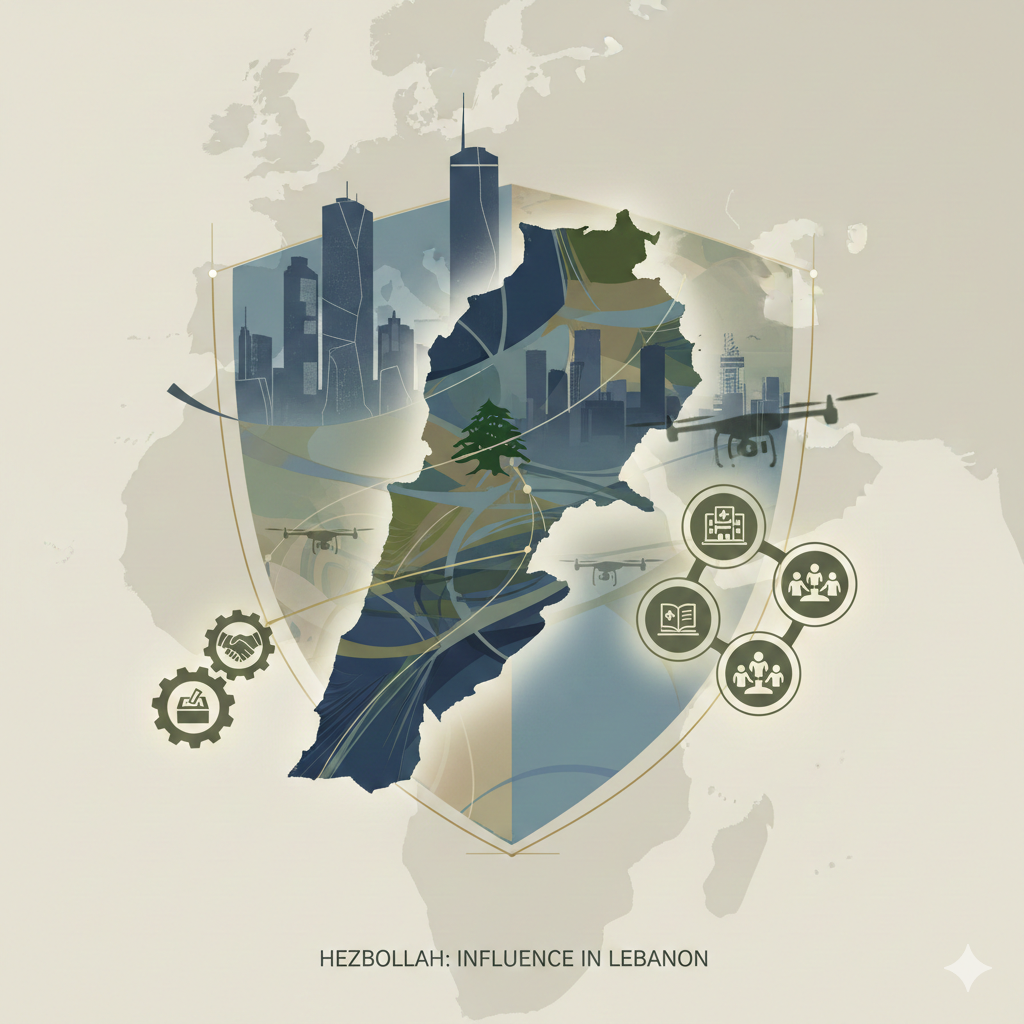
Hezbollah, meaning "Party of God", is a Shia Islamist political and armed organization based in Lebanon. It emerged in the early 1980s during the Lebanese Civil War and following Israel's invasion of Lebanon in 1982. Iran played a major role in its formation by providing ideological, financial, military, and organizational support through the Islamic Revolutionary Guard Corps (IRGC).
Over the decades, Hezbollah has developed into a significant actor in Lebanon's domestic politics and regional affairs. Its activities extend beyond armed confrontation to include parliamentary participation, political alliances, and social welfare services. At the same time, its independent military capabilities and regional activities have made it a subject of considerable international controversy.
Founding and Objectives of Hezbollah
Establishment
The emergence of Hezbollah is closely connected with the political and military conditions in Lebanon during the Lebanese Civil War (1975–1990). Israel invaded Lebanon in 1982 with the stated objective of targeting the Palestine Liberation Organization (PLO). The invasion and subsequent Israeli military presence in parts of Lebanon contributed to the emergence of several resistance groups.
During this period, Lebanese Shia militants influenced by Iran's 1979 Islamic Revolution began organizing into a movement. Iran provided support through the Islamic Revolutionary Guard Corps (IRGC), including training and military assistance. Hezbollah formally announced its ideological platform through its 1985 Open Letter, which outlined its political and religious positions.
The organization initially focused on opposing Israeli military presence in Lebanon. Over time, it developed a broader political role and became an important participant in Lebanon's political system.
Main Objectives
1. Resistance Against Israel
Opposition to Israel has remained one of Hezbollah's central ideological and political positions. The organization describes its armed activities as resistance against Israeli military actions and occupation. Its confrontations with Israel, particularly the 2006 Lebanon War and later cross-border conflicts, have significantly influenced regional security and diplomacy.
2. Representation of the Shia Community
Hezbollah has developed a strong support base among sections of Lebanon's Shia Muslim population. It participates in parliamentary politics, maintains political alliances, and operates social and charitable networks. Its political activities have made it an influential representative of part of the country's Shia community, although its positions and policies are also contested within Lebanon.
3. Islamic Political Ideology
Hezbollah's early ideological framework was strongly influenced by Iran's Islamic Revolution and the political doctrine of Ayatollah Ruhollah Khomeini. Its 1985 Open Letter expressed support for an Islamic system of governance. However, the organization later adjusted its political position to operate within Lebanon's religiously diverse political system. Its 2009 Political Document reflected this evolution and emphasized its participation in Lebanese national politics.
Recommended Study Resource
Explore this study resource on Amazon. Review the product description, specifications, customer feedback, and current price before purchasing.
Affiliate Disclosure: This article contains an Amazon affiliate link. We may earn a commission if you purchase through this link, at no additional cost to you.
Structure and Power of Hezbollah
1. Political Structure
Hezbollah is an established political participant in Lebanon. It has contested parliamentary elections since 1992 and has worked with other political parties and alliances to influence national decision-making. Its political activities include parliamentary representation, participation in government coalitions, and involvement in debates concerning national security and foreign policy.
2. Military Structure
Hezbollah maintains an organized armed structure that operates separately from the regular command structure of the Lebanese Armed Forces. Its military capabilities have included rockets, missiles, drones, and other weapons systems. Iran has been a major source of its military assistance, training, and equipment.
Hezbollah's military capabilities received significant international attention during the 2006 Israel–Lebanon War, when the organization fought Israeli forces for 34 days. Its continued possession of independent military capabilities has remained a major subject of debate in Lebanon and internationally.
3. Social and Economic Activities
Hezbollah has also developed a network of social and community services, particularly in areas where it has a strong support base. These activities have included healthcare facilities, educational services, charitable assistance, and community welfare programs.
These networks have helped the organization build social influence among sections of the population. However, the scale, funding, and political implications of these activities are subjects of continuing discussion and analysis.
Hezbollah and the Global Perspective
Hezbollah occupies a highly controversial position in international politics. Several governments classify the organization as a terrorist organization because of its armed activities and alleged involvement in attacks and regional conflicts.
The United States and the United Kingdom designate Hezbollah as a terrorist organization in its entirety. The European Union, by contrast, lists Hezbollah's military wing under its terrorist sanctions framework. National approaches differ, and these legal classifications should not be treated as identical.
Iran is Hezbollah's principal state supporter and has provided substantial financial, military, and organizational assistance. Syria has also played an important role in the organization's regional activities and supply networks.
Hezbollah's influence extends beyond Lebanon, particularly through its involvement in regional conflicts and relationships with allied groups. Its activities have affected relations between Lebanon, Israel, Iran, Syria, and several Western countries, making it an important subject in Middle Eastern geopolitics.
Conclusion
Hezbollah is a complex political and armed organization whose influence extends beyond Lebanon's domestic political system. Its development has been shaped by the Lebanese Civil War, the 1982 Israeli invasion, Iran's regional policies, and the changing political environment of the Middle East.
Through its political participation, military capabilities, and social networks, Hezbollah has become a significant actor in Lebanese and regional affairs. However, its independent armed structure, relationship with Iran, and confrontations with Israel continue to generate political disagreements and international controversy.
Understanding Hezbollah therefore requires examining its historical origins, ideological development, political role, military activities, and its broader impact on regional stability and international relations.
Founding and Objectives of Hezbollah
Establishment
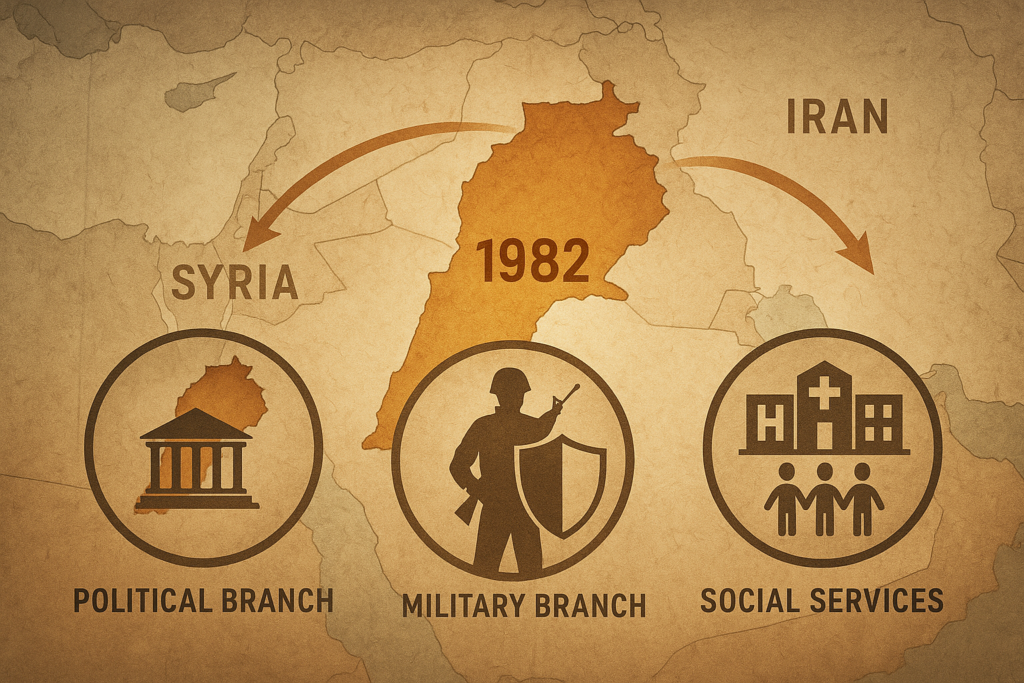
Emergence: Hezbollah emerged in the early 1980s, particularly following Israel's invasion of Lebanon in 1982. Its ideological platform was formally presented through its Open Letter in 1985.
Background
In 1982, Israel invaded Lebanon during the Lebanese Civil War. The invasion and subsequent Israeli military presence in parts of Lebanon contributed to the emergence of resistance movements, particularly among sections of the Lebanese Shia community.
Iran played a central role in supporting the development of Hezbollah. Its Islamic Revolutionary Guard Corps (IRGC) provided training, financial assistance, military support, and organizational guidance to Lebanese Shia militants. These groups gradually developed into the organization known as Hezbollah, meaning "Party of God".
Syria also became an important regional partner and played a significant role in Hezbollah's development and regional activities. The organization's formation was influenced by the Lebanese Civil War, the Israeli invasion, Iran's Islamic Revolution, and regional political competition.
Main Objectives
1. Resistance Against Israel
Opposition to Israel has been one of Hezbollah's central founding objectives. Initially, the organization focused on resisting Israeli military presence in Lebanon. Israel withdrew its forces from most of southern Lebanon in May 2000, but Hezbollah continued to maintain its armed structure and oppose Israeli policies.
Hezbollah has subsequently engaged in several military confrontations with Israel, including the 2006 Lebanon War and the conflicts that escalated after October 2023.
2. Representation of the Shia Community
Hezbollah presents itself as a defender of Lebanon's Shia Muslim community. It has developed political, religious, and social networks to strengthen its influence among sections of the community.
Through parliamentary participation, political alliances, and social welfare activities, Hezbollah has become an influential actor in Lebanon's political system. However, its policies and armed activities are also contested by several Lebanese political groups.
3. Islamic Political Ideology
Hezbollah's early ideological framework was strongly influenced by Iran's Islamic Revolution and the doctrine of Wilayat al-Faqih, or the Guardianship of the Islamic Jurist.
Its 1985 Open Letter expressed support for an Islamic system of governance. However, the organization later adapted its political approach to Lebanon's religiously diverse political environment. Its 2009 Political Document reflected this evolution and emphasized its role within Lebanese national politics.
4. Expanding Iran's Regional Influence
Hezbollah maintains close political, ideological, and military relations with Iran. It has also developed relationships with other organizations supported by Iran, including groups in Iraq, Hamas, and the Houthi movement in Yemen.
Hezbollah has played a significant role in Iran's regional network of allied organizations. Its involvement in the Syrian Civil War in support of Bashar al-Assad's government also strengthened its regional military role and relationship with Iran.

Recommended Study Resource
Explore this study resource on Amazon. Check the product description, specifications, customer reviews, and current price before making a purchase.
Affiliate Disclosure: This article contains an Amazon affiliate link. We may earn a commission if you purchase through this link, at no additional cost to you.
Conclusion: Founding and Objectives
Hezbollah emerged in the early 1980s in response to the political and military conditions in Lebanon, particularly the 1982 Israeli invasion. Its development was strongly influenced by Iran's Islamic Revolution and the support provided by the IRGC.
Initially focused on resistance against Israel and the representation of Lebanon's Shia community, Hezbollah gradually developed into a political, military, and social organization with significant regional influence.
Structure and Power of Hezbollah
Hezbollah is a multidimensional organization with interconnected political, military, and social structures. These components have enabled it to maintain influence within Lebanon and participate in wider regional developments.
- Political Structure: Parliamentary participation and political alliances.
- Military Structure: Armed Forces and military capabilities.
- Social and Economic Networks: Welfare services, community institutions, and financial networks.
1. Political Structure
Hezbollah functions as an established political organization in Lebanon. It has participated in parliamentary elections since 1992 and has held seats in the Lebanese parliament and positions in successive governments.
Its political leadership operates through internal decision-making institutions, including the Shura Council. The Secretary-General is the organization's most prominent public leadership position.
Hassan Nasrallah served as Secretary-General from 1992 until his death in September 2024. His death marked a major leadership change for the organization. Hezbollah's political influence has faced additional challenges following its military losses and changes in Lebanon's political environment.
Hezbollah has also formed political alliances with different Lebanese groups, including Shia, Sunni, and Christian political actors. However, its political influence and role in government have changed over time.
2. Military Structure
Hezbollah maintains an organized armed structure separate from the regular command structure of the Lebanese Armed Forces. Its military capabilities have included rockets, missiles, drones, anti-tank weapons, and specialized combat units.
Iran has been a major source of military assistance, training, funding, and equipment. Hezbollah has also developed operational experience through confrontations with Israel and its involvement in the Syrian Civil War.
(A) Weapons and Military Capabilities
Hezbollah's reported military inventory has included short- and medium-range rockets, precision-guided missiles, anti-tank weapons, unmanned aerial vehicles, and other military equipment.
Its military capabilities received international attention during the 2006 Israel–Lebanon War. However, the conflicts since October 2023 and subsequent Israeli military operations have significantly affected its leadership, infrastructure, and weapons stockpiles.
Estimates of its remaining arsenal vary. A November 2026 Congressional Research Service report cited an Israeli military estimate from March 2026 that Hezbollah possessed fewer than 13,000 rockets and missiles. This figure should be treated as an attributed estimate rather than a confirmed independent inventory.
(B) Military Organization
Hezbollah's military organization includes specialized units and operational structures. Some publicly known components include:
- Radwan Force: An elite unit associated with specialized military operations and combat training.
- Rocket and Missile Units: Responsible for operating and maintaining the organization's rocket and missile systems.
- Intelligence and Surveillance: Activities associated with information gathering, reconnaissance, and operational security.
- Unmanned Aerial Systems: The organization has used drones for surveillance and military operations.
The exact size, deployment, and internal organization of these units are not fully transparent and may change as a result of military developments.
3. Social and Economic Structure
(A) Social Programmes
Hezbollah has developed a network of social and community services, particularly in areas where it has a strong support base. These activities have included healthcare services, educational institutions, charitable assistance, religious centres, and reconstruction support.
These programmes have contributed to the organization's social influence among sections of Lebanon's population. They have also helped it maintain political and community networks.
(B) Economic and Financial Networks
Hezbollah receives substantial financial and material support from Iran. According to the United States Department of State, Iran has provided the organization with significant funding, training, weapons, explosives, and organizational assistance.
International governments have also imposed sanctions on individuals and entities alleged to be involved in financing Hezbollah. Some governments have accused networks associated with the organization of involvement in illicit financial activities, including money laundering and drug trafficking. Such allegations should be distinguished from independently established facts about every individual or institution.
Assessment of Hezbollah's Overall Strength
- Political Influence: Hezbollah has a longstanding parliamentary presence, although its influence in Lebanon's political system has faced significant challenges since 2025.
- Military Capabilities: It retains armed capabilities, although its leadership, weapons stockpiles, and military infrastructure have suffered substantial losses.
- Economic Resources: Iran remains a major source of financial and material support.
- Social Influence: Its community institutions and welfare networks continue to form an important part of its domestic presence.
Conclusion: Structure and Power of Hezbollah
Hezbollah is a complex organization whose political, military, and social structures have shaped Lebanon's domestic politics and regional security environment. Its close relationship with Iran and its military confrontation with Israel have made it one of the most prominent non-state actors in the Middle East.
However, the conflicts since 2023 have significantly affected its leadership and military capabilities. Its future influence will depend on developments in Lebanon's political system, the implementation of disarmament arrangements, its relationship with Iran, and the broader security situation in the region.
Hezbollah and the Global Perspective
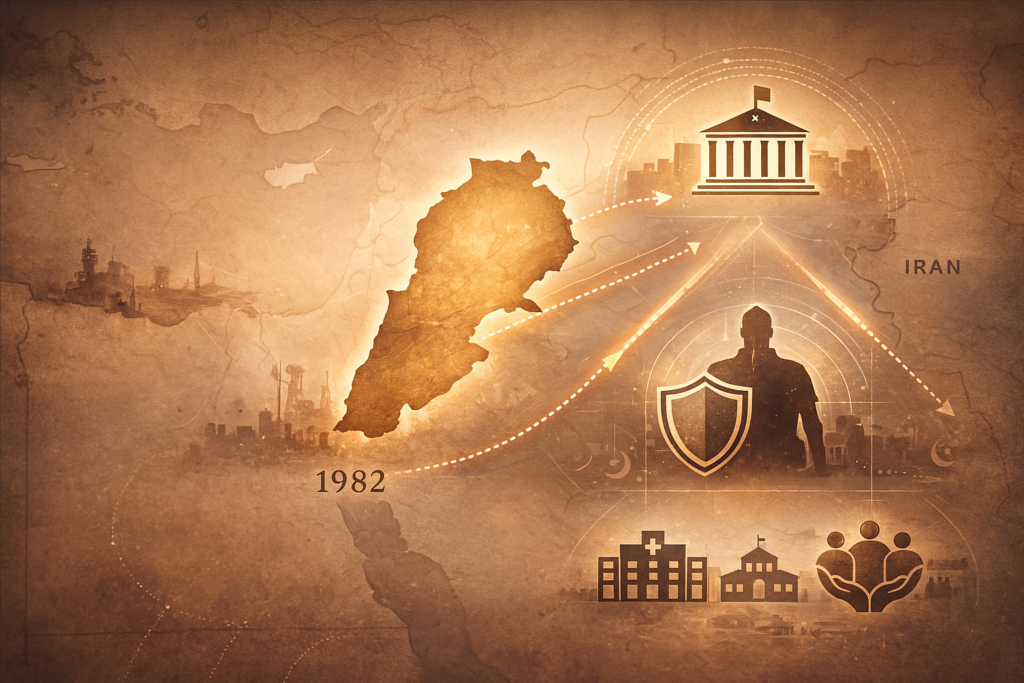
Hezbollah is not merely a domestic political organization in Lebanon; it has developed into an influential regional actor with international connections. Its role is interpreted differently by governments and political groups around the world. Some actors describe it as a resistance movement against Israel, while several governments designate it as a terrorist organization because of its armed activities and alleged involvement in attacks.
These contrasting positions influence international diplomacy, regional alliances, economic sanctions, and security policies across the Middle East.
1. Global Perspective on Hezbollah
(A) Supporting Countries and Organizations
Hezbollah has maintained relationships with several governments and non-state organizations. However, the nature and extent of their support differ.
Iran
- Iran is Hezbollah's principal state supporter.
- It has provided substantial financial assistance, weapons, training, and organizational support.
- The Islamic Revolutionary Guard Corps (IRGC) has played an important role in developing Hezbollah's military capabilities.
- Hezbollah is an important part of Iran's network of regional allied organizations, often described as the Axis of Resistance.
Syria
- Under Bashar al-Assad, Syria was an important regional ally of Hezbollah and Iran.
- Syrian territory served as an important route for the movement of weapons and logistical supplies to Hezbollah.
- During the Syrian Civil War, Hezbollah fought alongside Assad's government and played a significant military role in several operations.
- The fall of Assad's government in December 2024 fundamentally changed the political environment in Syria and created uncertainty for Hezbollah's traditional supply routes and regional position.
Russia
- Russia and Hezbollah were both involved in the Syrian conflict, although their military roles and objectives were not identical.
- Russia maintained diplomatic contacts with Hezbollah and other political actors in Lebanon.
- Russia's relationship with Hezbollah should not be interpreted as equivalent to Iran's direct financial and military support.
Palestinian Groups: Hamas and Others
- Hezbollah and Hamas have maintained political and strategic relations based largely on their opposition to Israel.
- Hezbollah has maintained contacts with Palestinian factions and has provided different forms of assistance to some groups.
- Their relationship has included political coordination and regional cooperation, although they remain separate organizations with different leadership structures and objectives.
(B) Opposing Countries and Organizations
Several governments oppose Hezbollah because of its armed activities, regional involvement, and independent military structure within Lebanon. Their legal classifications and policy approaches are not identical.
United States of America (USA)
- The United States designated Hezbollah as a Foreign Terrorist Organization (FTO) on 8 October 1997.
- Washington has linked Hezbollah to several attacks, including the 1983 bombings in Beirut.
- The United States imposes financial sanctions on Hezbollah, its supporters, and entities accused of financing its activities.
- It also supports the Lebanese Armed Forces and calls for the Lebanese state to establish control over all armed groups in the country.
European Union (EU)
- In July 2013, the European Union added Hezbollah's military wing to its terrorist sanctions list.
- The EU's designation does not cover the entire political organization in the same way as the United States' designation.
- The EU has also maintained diplomatic engagement with Lebanese political institutions and supported assistance to Lebanon.
Israel
- Israel considers Hezbollah one of its major security threats because of its military capabilities and presence along the Lebanon–Israel border.
- The 2006 Lebanon War was fought between Israel and Hezbollah for 34 days.
- Since October 2023, repeated cross-border attacks and Israeli military operations have caused extensive destruction and displacement in Lebanon and northern Israel.
- Israel has continued military operations against Hezbollah targets, particularly in the context of the renewed conflict in 2026.
Saudi Arabia and Other Gulf Countries
- Saudi Arabia and several Gulf countries oppose Hezbollah's regional activities and its close relationship with Iran.
- The Gulf Cooperation Council (GCC) designated Hezbollah as a terrorist organization in 2016.
- Some Gulf governments have imposed sanctions and restrictions on individuals and entities associated with Hezbollah.
- Hezbollah has also been accused of supporting Houthi forces in Yemen, an allegation that has contributed to regional tensions.

Recommended Study Resource
Explore this study resource on Amazon. Review its product description, specifications, customer feedback, and current price before making a purchase.
Affiliate Disclosure: This article contains an Amazon affiliate link. We may earn a commission if you purchase through this link, at no additional cost to you.
2. Hezbollah's Global Activities and Influence
(A) Military Activities
Hezbollah's military activities have extended beyond Lebanon, particularly through its involvement in the Syrian Civil War. It fought alongside Bashar al-Assad's forces and developed relationships with several Iran-backed organizations in the region.
Hezbollah has also maintained political and operational relationships with groups in Iraq, Yemen, and the Palestinian territories. However, the nature of these relationships varies, and it would be inaccurate to describe every regional group as being directly controlled by Hezbollah.
Its military capabilities, regional connections, and history of armed confrontation with Israel have made it an important subject in international security and Middle Eastern geopolitical analysis.
(B) Allegations and Major Terrorist Attacks
Hezbollah has been linked by several governments and investigations to attacks outside Lebanon. The following incidents are particularly important in understanding its international controversy.
- 1983 – Beirut Bombings: The attacks on the United States Embassy and the US Marine barracks in Beirut killed 241 American military personnel in the Marine barracks bombing. Hezbollah and Iran-backed networks have been linked to these attacks in US investigations and legal proceedings.
- 1994 – AMIA Bombing, Argentina: The bombing of the Argentine Jewish Mutual Association (AMIA) in Buenos Aires killed 85 people. Argentine investigators and authorities have accused Hezbollah and Iranian officials of involvement. Hezbollah has denied responsibility.
- 2005 – Assassination of Rafik Hariri: The assassination of former Lebanese Prime Minister Rafik Hariri led to a major international investigation. The Special Tribunal for Lebanon convicted Hezbollah members in absentia in connection with the attack, but did not find evidence that Hezbollah's leadership as an organization was responsible.
These incidents have significantly influenced international perceptions of Hezbollah and contributed to its designation by several governments.
(C) Economic and Financial Activities
Hezbollah's financial resources come from several sources, with Iran serving as its principal state supporter. Its financial networks have also attracted international scrutiny and sanctions.
- Iranian Assistance: Financial and material support from Iran has been central to Hezbollah's funding.
- Financial Networks: International authorities have identified and sanctioned individuals and entities accused of providing financial assistance to Hezbollah.
- Business Activities: The organization has been associated with various economic and commercial networks.
- Alleged Illicit Activities: Several governments have accused networks associated with Hezbollah of involvement in money laundering, drug trafficking, and other illicit financial activities.
Allegations concerning illicit financial activities should be assessed using specific investigations, court findings, and official sanctions records. They should not automatically be attributed to every business or individual connected to Lebanon's Shia community.
3. Hezbollah's Challenges and Future
(A) Growing International Pressure
Hezbollah faces continued international pressure through financial sanctions, diplomatic isolation, and military operations. The United States and several allied governments have sought to restrict its access to international financial networks and weaken its military capabilities.
Sanctions on Iran and changes in regional political relationships have also created challenges for Hezbollah's financial and logistical networks. Nevertheless, Iran has continued efforts to provide support to the organization.
(B) Political and Economic Instability in Lebanon
Lebanon has experienced a prolonged economic crisis, political divisions, institutional weaknesses, and disputes over the role of armed organizations outside state control.
Hezbollah's independent military structure remains a major issue in Lebanese politics. Critics argue that it weakens state sovereignty and exposes Lebanon to regional conflicts. Its supporters, however, describe its military capabilities as a means of deterring Israeli military action.
Public opinion within Lebanon is divided. The organization's political influence and social support have been affected by military losses, economic conditions, and disagreements over the country's future security arrangements.
(C) Israel and Regional Conflicts
Relations between Israel and Hezbollah remain a major source of regional instability. Renewed fighting in 2026 has caused extensive destruction, civilian casualties, and large-scale displacement in Lebanon.
In June 2026, a US-mediated framework involving Israel and Lebanon envisaged the eventual withdrawal of Israeli forces following the verified disarmament of non-state armed groups. However, implementation has faced significant difficulties, particularly over the question of Hezbollah's disarmament.
As of November 2026, the future of this arrangement remains uncertain. The possibility of further military escalation continues to create risks for Lebanon, Israel, and the wider Middle East.
Conclusion
Hezbollah remains an influential political and armed organization whose activities have implications far beyond Lebanon. Its close relationship with Iran, regional alliances, political participation, and military capabilities have made it a major actor in Middle Eastern geopolitics.
At the same time, its armed activities, international terrorist designations, involvement in regional conflicts, and independent military structure have generated strong opposition from several governments and political groups.
The organization's future will depend on developments in Lebanon, its relationship with Iran, regional security arrangements, and the outcome of efforts to establish state control over all armed groups. Understanding Hezbollah therefore requires examining both its domestic role and its wider international impact.
Sources / References
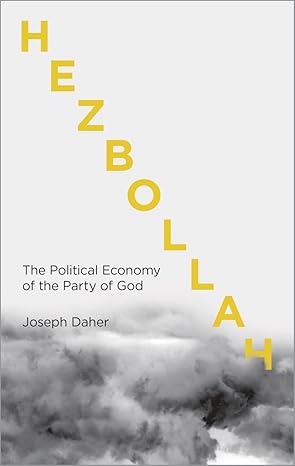
Recommended Study Resource
Explore this resource on Amazon. Review the product description, specifications, customer feedback, and current price before purchasing.
Affiliate Disclosure: This article contains an Amazon affiliate link. We may earn a commission if you purchase through this link, at no additional cost to you.
Research Sources
- Political reports and publications on Lebanon and Middle Eastern affairs.
- International news agencies, including BBC, Al Jazeera, and Reuters.
- Official reports and documents from the United Nations Security Council.
- Government statements and official publications from Iran, Lebanon, and the United States.
- Research papers and analytical studies on Middle East geopolitics.
- Historical documents, military assessments, and policy research reports.