Global Power Balance and the Multipolar World
A Journey Through Shifting Geopolitics, Gaza, and the New World Order
Introduction - The Crumbling Sandcastles and the Dawn of a New Era
The world is no longer as it was described in the textbooks of my youth. I remember staring at the world map as a child, convinced that nations were static, borders were etched in stone, and power centers were permanent fixtures of history. However, as my understanding matured through observation and experience, I realized that global politics is akin to the waves of an ocean—capable of washing away even the most imposing sandcastles in a single tide.
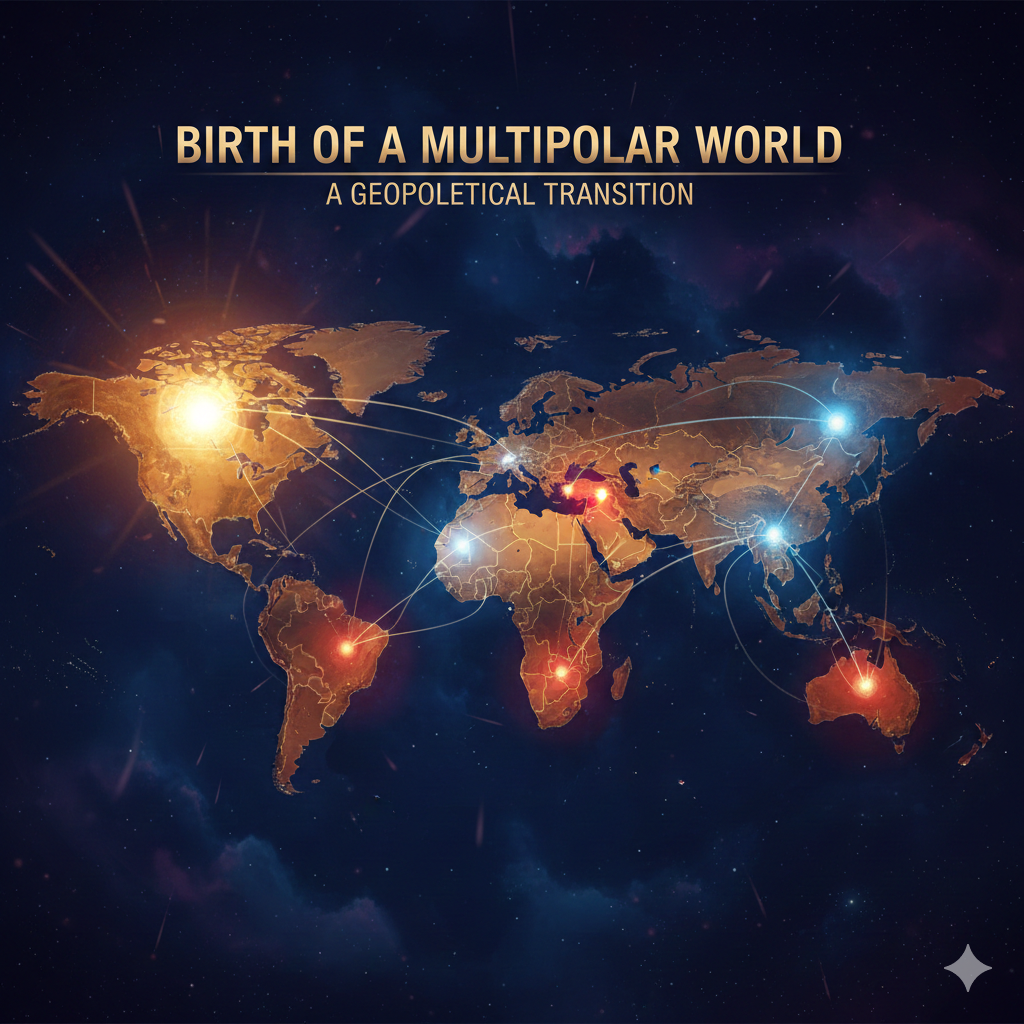
Today, when we witness the plumes of smoke rising from the streets of Gaza or the reopening of decades-old wounds in the Israel-Palestine conflict, we aren't just seeing a local war. We are witnessing the "labor pains" of a new world. The Old World Order is fracturing, and a complex, Multipolar World is being born in its place.
My journey of learning has taught me that power is never stationary. It flows—from West to East, from closed diplomatic rooms to the vocal protests on the streets. Through this article, I want to take you on a journey to understand how the current Middle East crisis is not just a regional tragedy, but a catalyst redefining the global Balance of Power.

✔ Easy to use and maintain
✔ Ideal for daily home or office use
✔ Popular choice among Amazon customers
History of the Multipolar World: From One Pole to Many
History is more than a collection of dates; it is a narrative of the 'transfer of power.' To comprehend the gravity of the Gaza crisis and modern geopolitics, we must briefly look back at the path that brought us here.
The End of the Cold War and 'The Unipolar Moment'
When the Soviet Union collapsed in 1991, the world transitioned from a 'Bipolar' to a 'Unipolar' state. The United States emerged as the sole superpower. During that era, it was widely believed that all major global decisions would be made in Washington. The equations of the Middle East revolved around this single axis of power. Whether it was the Oslo Accords or the Gulf War, the will of America was effectively the 'Global Will.'
The 21st Century and the Diffusion of Power
However, the wheel of time never stops. Following the 9/11 attacks, while the U.S. became entangled in the 'War on Terror,' new players were quietly preparing their entrance onto the global stage:
- The Economic Rise of China: Which fundamentally altered the global trade balance.
- The Resurgence of Russia: Seeking to reclaim its lost military prestige and influence.
- India and the Global South: Nations like India made it clear they would no longer be mere satellites of any bloc, choosing instead the path of 'Strategic Autonomy.'
The Rise of Multipolarity and the Middle East
This era marked the true beginning of Multipolarity. We saw Russia intervening in Syria, China brokering peace between Iran and Saudi Arabia, and India proposing the India-Middle East-Europe Economic Corridor (IMEC).
This new equilibrium of power is the backdrop against which the Gaza Conflict is currently playing out. It is no longer just a territorial dispute; it has become a litmus test for global leadership. Is the U.S. still the sole 'Global Policeman,' or are we now living in a world where multiple centers of power dictate the peace?
What Have We Learned So Far?
- Change is Constant: No superpower maintains absolute hegemony forever.
- Complexity: In a Multipolar world, the lines between friend and foe are blurred. National interest is the only permanent North Star.
The Middle East crisis: Gaza as the Epicenter of a New Cold War
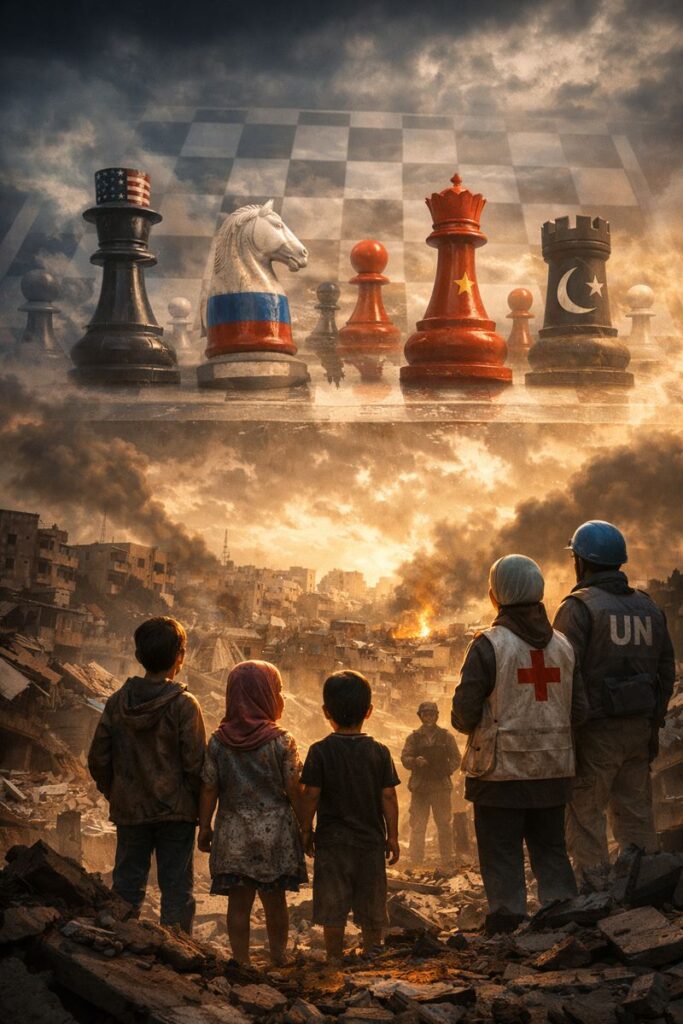
As I delved deeper into the complexities of the Gaza-Israel conflict, I realized that the tragedy UNfolding on the ground is mirrored by a high-stakes chess game being played in the corridors of power in Washington, MoSCOw, and Beijing. Gaza is no longer just a localized struggle for land; it has become the "Zero Point" of modern geopolitics, where the old rules of diplomacy are being burned to the ground.
The United States - A superpower’s Dilemma
For decades, the United States has been the primary architect of Middle Eastern security. However, the current escalation in Gaza has placed Washington in a precarious position. On one hand, there is the historical and strategic commitment to Israel; on the other, there is a growing need to maintain credibility with the Global South and Arab partners.
The dilemma is clear: Every veto in the UN Security Council and every shipment of munitions further polarizes global opinion. In a Multipolar World, the U.S. can no longer simply command a consensus—it must now compete for it.
Russia’s Strategic Pivot - From Ukraine to the Levant
Russia’s involvement in the Middle East has been nothing short of a masterclass in opportunistic diplomacy. For Vladimir Putin, the Gaza conflict serves as a vital distraction from the Ukraine War.
- Narrative Building: Russia uses the crisis to highlight what it calls "Western Double Standards"—contrasting the international response to Ukraine with the response to Gaza.
- The Regional Broker: By maintaining ties with both Iran and various Palestinian factions, Moscow positions itself as an alternative to the U.S., appealing to those who feel neglected by Western policies.
China’s "Soft Power" Diplomacy and Economic Interests
China’s approach to the Israel-Palestine conflict is markedly different. While the U.S. provides military hardware, China provides diplomatic mediation. Following the successful brokering of the Iran-Saudi Arabia rapprochement, Beijing sees the Gaza crisis as an opportunity to cement its status as a "Peace Maker."
China’s goal is not military dominance but stability for trade. Through the Belt and Road Initiative (BRI), China seeks a Middle East that is connected and consumer-ready, rather than a region embroiled in perpetual conflict. Its support for a two-state solution is often framed in the language of justice and sovereignty—terms that resonate deeply with developing nations.

✔ Easy to use and maintain
✔ Suitable for home, office, and travel
✔ Well-reviewed by Amazon customers
The Iran Factor - The Multi-Polar Proxy
We cannot discuss Gaza without discussing Iran. In the Multipolar landscape, Iran has aligned itself closely with the Russia-China axis (through the SCO and BRICS+). This "Axis of Resistance" challenges U.S. hegemony in the region, turning the Gaza conflict into a testing ground for non-Western weaponry and asymmetric warfare.
Strategic Insights: The Power Triangle
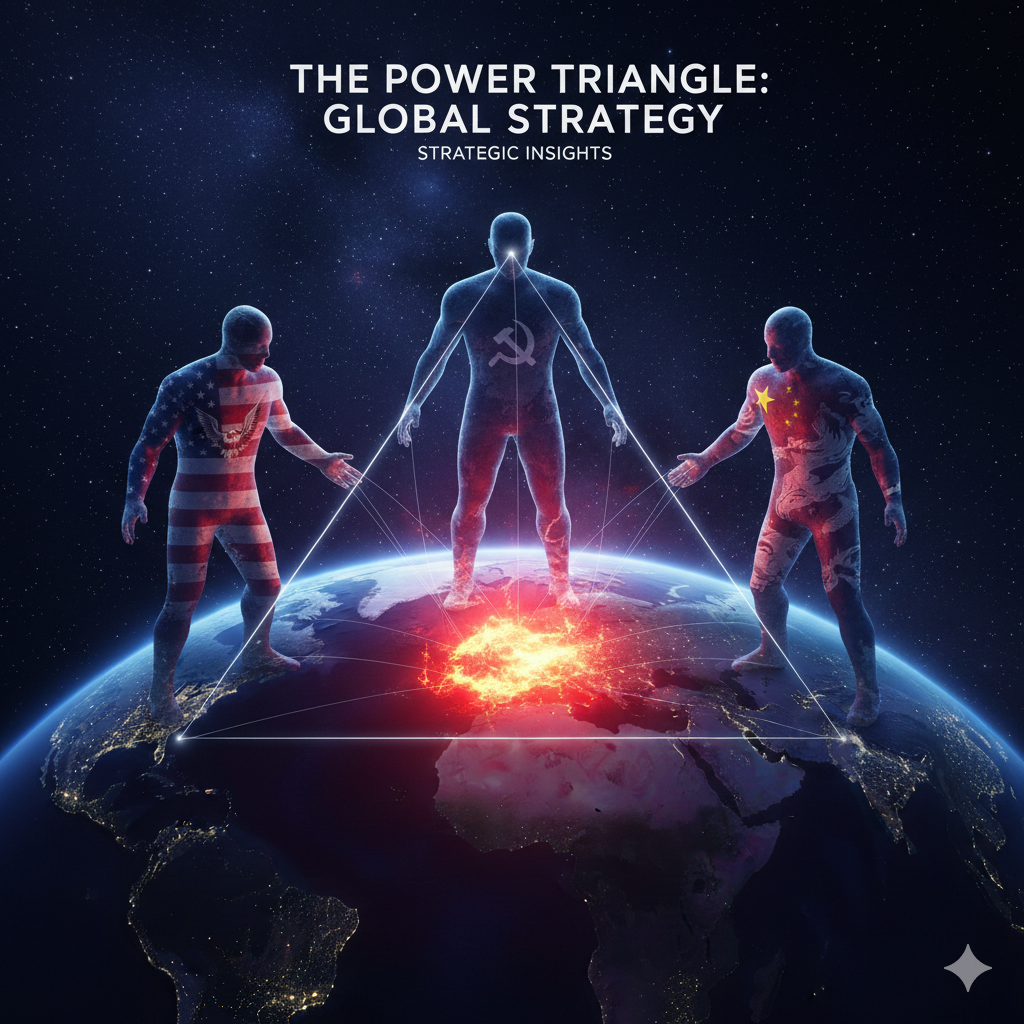
The Gaza conflict has revealed a three-way split in global strategy:
- USA: Struggling to maintain the status quo and defend its traditional alliances.
- Russia: Exploiting chaos to weaken Western moral authority and pivot global attention.
- China: Building a long-term diplomatic alternative to Western leadership through "Neutrality."
The Global South: A New Voice in the Multipolar Arena
Perhaps the most significant shift I have observed during the Gaza-Israel crisis is the refusal of the Global South to remain silent. Nations like India, Brazil, South Africa, and Indonesia are no longer content with being "spectators" to history. They are now active participants, demanding a world order that is equitable and just.
South Africa’s Legal Challenge and Moral Leadership
The decision by South Africa to take the crisis to the International Court of justice (ICJ) was a landmark moment in Multipolarity. It signaled that international law is not a tool reserved for the West, but a shield that can be used by any nation to challenge the actions of powerful states. This move resonated deeply across the developing world, shifting the moral center of gravity away from traditional Western capitals.

✔ Easy to use and maintain
✔ Ideal for home, office, and everyday tasks
✔ Loved by Amazon customers
India’s Strategic Balance and 'Vishwa Mitra' Policy
India’s stance has been a masterclass in Strategic Autonomy. By condemning terrorism while simultaneously advocating for a sovereign Palestinian state and sending humanitarian aid, India has maintained its role as a bridge-builder. In a Multipolar World, India represents a "third way"—one that prioritizes stability, dialogue, and the welfare of the Global South.
The Red Sea Crisis and Global Economic Fragility
The conflict in Gaza did not stay within its borders; it spilled over into the vital arteries of global trade. The Red Sea Crisis and the disruption of the Suez Canal route have shown how a regional conflict can paralyze the global economy.
- Supply Chain Disruptions: Rising freight costs and delayed shipments have impacted inflation worldwide.
- The Energy Factor: The threat to oil and gas transit routes has forced nations to rethink their energy security and accelerate the shift toward localized resources.
Humanity vs. Geopolitics - The Hard Lessons Learnt
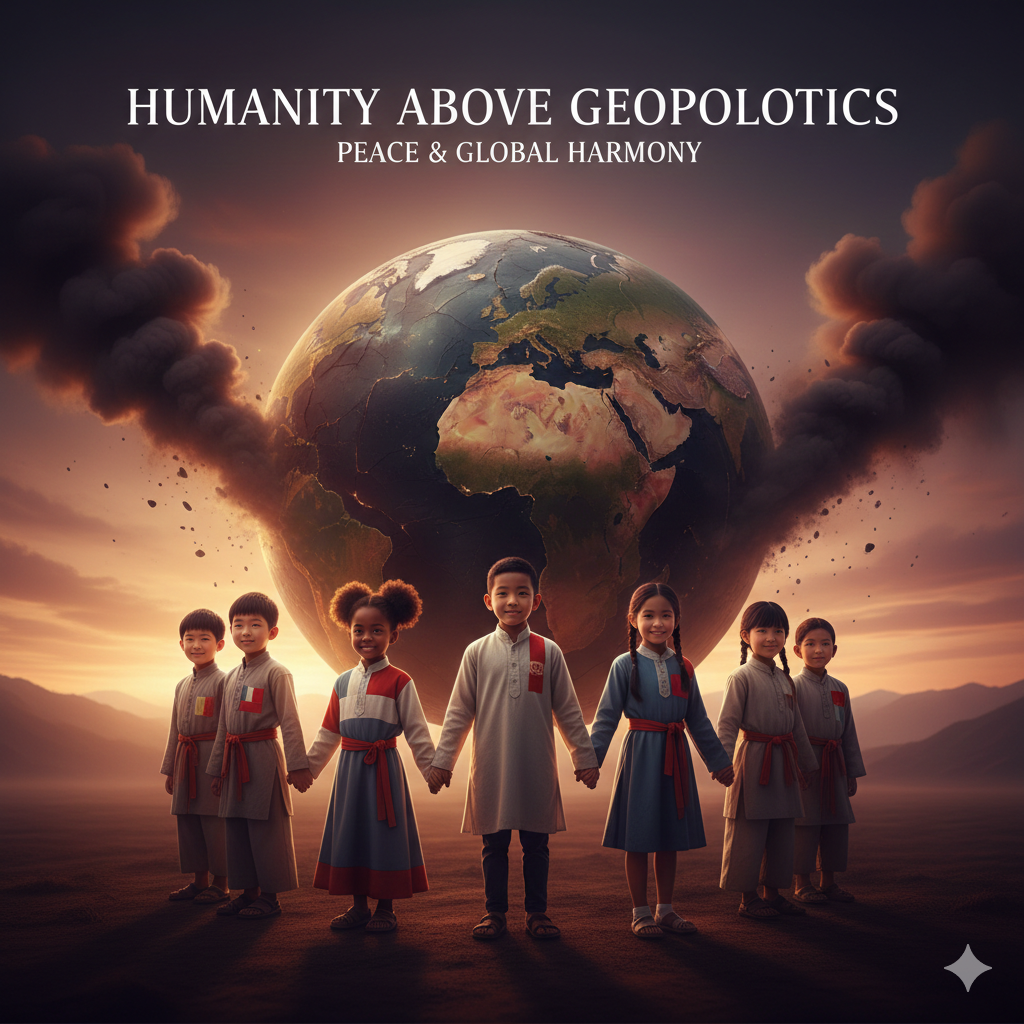
Beyond the maps and the missiles, my deepest learning from this crisis is about the human cost. In the pursuit of 'Balance of Power,' we often forget that power is meaningless if it cannot protect the most vulnerable.
The images of children in Gaza and the grief of families in Israel remind us that a Multipolar world must be more than just a competition between giants. It must be a world where empathy is as much a part of diplomacy as strategy. Education and awareness are our only tools against the cycle of generational hate.
Global South & Economic Insights
- Decentralization of Justice: The Global South is now setting the moral and legal agenda.
- Interconnectedness: Geopolitical stability is now a prerequisite for global economic survival.
- The Human Imperative: A Multipolar world must prioritize collective humanity over individual hegemony.