
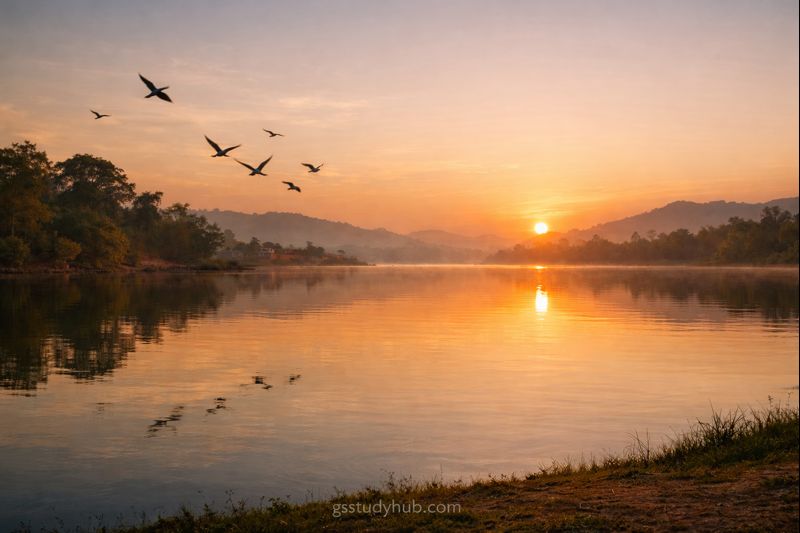
Introduction: A Journey That Changed My Perspective
Lakes of India are among the most important freshwater resources supporting ecology, biodiversity, and human life.
Lakes of India are not just large water bodies; they are living symbols of nature, culture, and the deep connection between humans and the environment. For a long time, I saw lakes only as beautiful landscapes, perfect for photographs and travel memories. But as I began to visit different lakes across the country, I realized that each lake tells a unique story of life, balance, and coexistence.
As I explored more destinations, I started to understand how the Lakes of India influence local communities, traditions, and even regional economies. The calm water reflecting the sky, the gentle sound of waves, the birds flying freely, and the simple lifestyle of people living near the lakes taught me lessons that no classroom ever could.
In this article, I will share the natural beauty of the Lakes of India, their ecological importance, and the life-changing lessons I learned from my experiences. Through this, I hope to inspire readers to appreciate, respect, and protect these priceless natural treasures.
Importance of Lakes in India
Lakes of India are not only natural water reservoirs but also the backbone of the country’s ecological balance, economy, and cultural heritage. Since ancient times, human civilizations have flourished around lakes and water bodies. Even today, Lakes of India support millions of people by providing water, food, livelihood opportunities, and environmental stability.
The importance of Lakes of India extends beyond beauty and tourism. Lakes play a crucial role in maintaining climate balance, conserving biodiversity, and reducing the impact of natural disasters. Without healthy lakes, the vision of a sustainable and balanced environment is impossible.
Environmental Balance
Lakes help regulate local temperatures and maintain moisture in the atmosphere. They act as natural habitats for a wide variety of plants, fish, birds, and other wildlife, thereby supporting rich biodiversity.
When lakes remain clean and well-maintained, the entire ecosystem stays in harmony. However, pollution, encroachment, and unplanned urbanization are disturbing this balance and posing serious threats to the environment.
Contribution to Water Conservation
Lakes of India store rainwater and help recharge groundwater levels. In both rural and urban areas, lakes serve as important sources of drinking water, irrigation, and industrial use.
Proper conservation and restoration of lakes can significantly reduce future water scarcity. Therefore, from the perspective of water security, lakes hold immense importance for India’s sustainable development.
Major Lakes of India
Lakes of India are spread across diverse geographical regions, from the snow-covered Himalayas to the plains and coastal belts. India is home to thousands of small and large lakes that are known for their natural beauty, geographical uniqueness, and cultural importance. Some lakes are major tourist attractions, while others play a vital role in biodiversity conservation and water management.
These lakes not only showcase the wonders of nature but also remind us of the urgent need to protect and conserve our precious water resources for future generations. The diversity of Lakes of India reflects the country’s rich ecological and cultural heritage.
Famous Lakes of North India
North India has many beautiful lakes that are famous for their scenic landscapes and historical significance. Surrounded by mountains, valleys, and forests, these lakes attract travelers from all over the world. Several iconic examples of Lakes of India can be found in this region.
Dal Lake
Dal Lake is located in Srinagar, Jammu and Kashmir, and is often called the "Pride of Kashmir." It is famous for its houseboats, shikaras, and the lush gardens surrounding it. Dal Lake is not only a major tourist destination but also an important source of livelihood for local communities.
Watching the sunrise over the calm waters of Dal Lake creates a sense of peace and teaches the value of patience and balance in life.
Nainital Lake
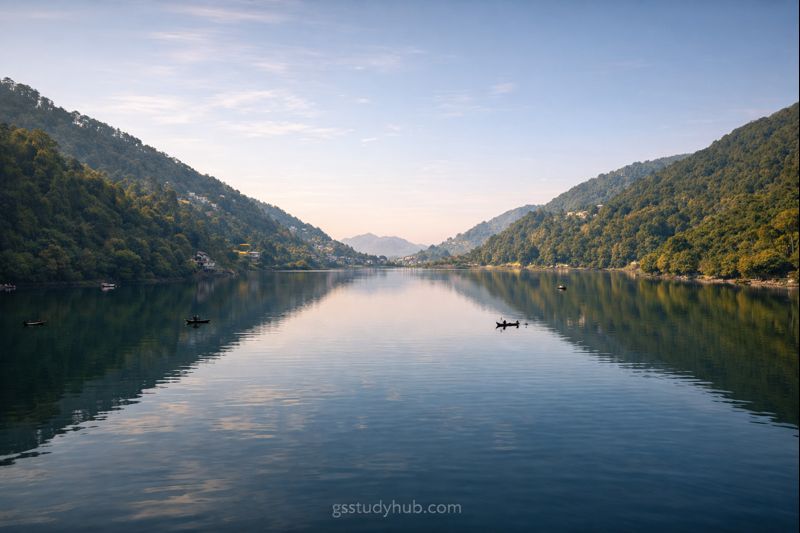
Nainital Lake is situated in the hill town of Nainital in Uttarakhand. The lake is surrounded by green hills and is known for its breathtaking beauty. Boating, lakeside walks, and the cool mountain breeze are some of the main attractions here.
Nainital Lake reminds us that spending time close to nature refreshes the mind, body, and soul.
Lakes of South India
South India is known for its lush landscapes, calm atmosphere, and rich water resources. The lakes of South India are not only symbols of natural beauty but also play a crucial role in environmental conservation, fisheries, agriculture, and tourism. These southern water bodies form an important part of the diverse Lakes of India.
Several lakes in South India are recognized as Ramsar Sites, highlighting their international ecological importance. These lakes also support the livelihoods of thousands of local communities.
Vembanad Lake
Vembanad Lake, located in the state of Kerala, is the largest freshwater lake in India. It is famous for its vast backwater network, coconut groves, and peaceful surroundings. The lake is an important center for tourism as well as for fishing and agriculture.
Spending time near Vembanad Lake teaches us the value of living in harmony with nature. It also reminds us that protecting water resources is a shared responsibility for present and future generations.
Lakes of Eastern and Western India
The lakes of Eastern and Western India are known for their geographical diversity and ecological importance. These lakes play a vital role in maintaining environmental balance and also support tourism, fisheries, and local economies.
Lakes of Eastern India
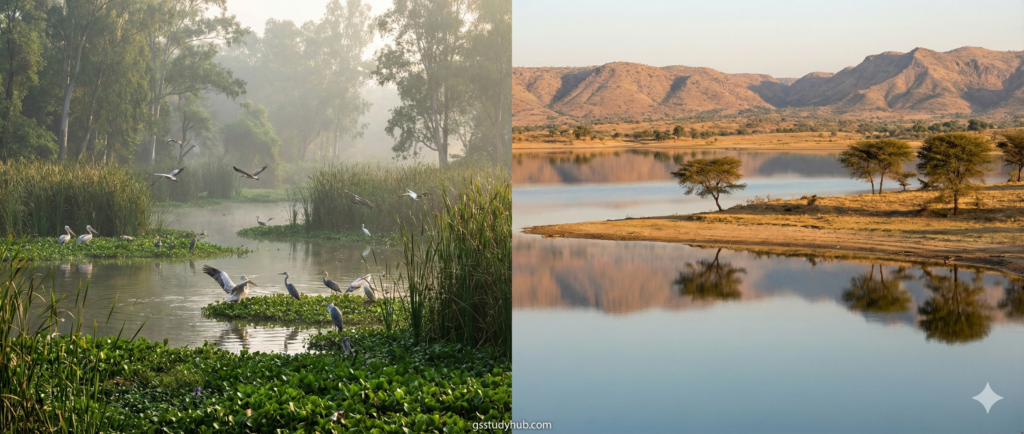
Lakes in Eastern India are rich in biodiversity and serve as important habitats for migratory birds. States such as Odisha, West Bengal, and Bihar are home to several ecologically significant lakes.
These lakes teach us that when nature is protected and respected, it rewards us in countless ways.
Lakes of Western India
Lakes of Western India are especially important in arid and semi-arid regions where water conservation is a major challenge. In states like Rajasthan and Gujarat, lakes have traditionally served as key rainwater harvesting systems.
They remind us that even with limited resources, wise management can sustain life and prosperity.

- Durable and reliable quality
- Ideal for everyday use
- Trusted Amazon sellers
- Great value for money
Challenges Facing Indian Lakes
Today, many lakes in India are facing serious threats. Rapid urbanization, industrialization, and population growth are putting immense pressure on these precious water bodies. The condition of the Lakes of India reflects the urgent need for sustainable water management practices.
Pollution
Discharge of domestic waste, sewage, and industrial effluents into lakes is causing severe water pollution. This harms aquatic life and makes the water unsafe for human use.
Encroachment and Illegal Construction
Encroachment around lakes and unplanned construction are shrinking their natural boundaries and reducing their water-holding capacity.
Impact of Climate Change
Irregular rainfall, prolonged droughts, and rising temperatures are affecting lake water levels. Many lakes are gradually drying up as a result.
To overcome these challenges, governments, communities, and individuals must work together to protect and restore India’s lakes.
Conservation Measures for Lakes
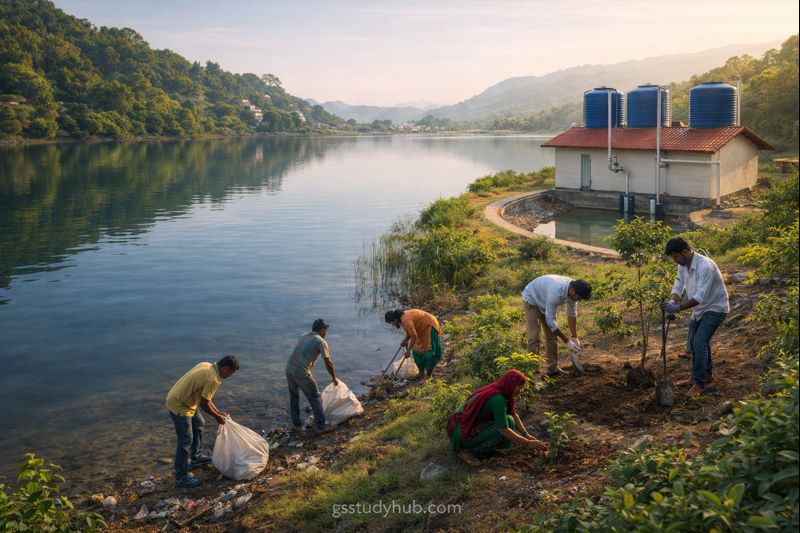
Protecting the Lakes of India is not only the responsibility of the government but a shared duty of every citizen. If timely and effective actions are not taken, future generations may face severe water scarcity.
Pollution Control
Strict regulations should be enforced to prevent domestic waste, plastic, and industrial effluents from entering lakes. Establishing sewage treatment plants and strengthening solid waste management systems are essential steps.
Preventing Encroachment
Immediate action must be taken against illegal construction and encroachment around lakes. Clearly demarcating lake boundaries and declaring them protected zones can help preserve their natural structure.
Promoting Rainwater Harvesting
Rainwater harvesting systems can significantly improve water levels in lakes. Making rooftop rainwater harvesting mandatory in urban and rural areas can be a highly effective measure.
Public Participation and Awareness
Conservation efforts become more successful when local communities are actively involved. Awareness programs through schools, colleges, and social organizations can educate people about the importance of lakes and their protection.
Effective Implementation of Government Schemes
Government programs related to water conservation and lake restoration must be implemented effectively at the ground level to bring visible and lasting change.
If we begin with small steps today, we can restore our lakes and ensure they remain clean, vibrant, and life-sustaining for generations to come.
My Personal Lessons
Spending time around the lakes of India not only showed me the beauty of nature, but also gave me a new way of looking at life. Every lake, every shore, and every gentle wave taught me something meaningful.
Coexistence Is Possible
People, animals, birds, and plants living around lakes depend on each other and create a balanced ecosystem. This made me realize that if humans learn to live in harmony with nature, development and conservation can go hand in hand.
There Is Strength in Silence
Observing the calm waters of a lake taught me that the solution to many problems lies not in noise, but in patience and inner peace. Decisions made with a calm mind are often wiser and more effective.
Small Actions Create Big Change
When I saw local communities making small efforts to clean and protect lakes, I understood that every individual contribution matters. Even a small step can become the beginning of a big transformation.
These experiences inspired me to become a more responsible citizen and to fulfill my duty toward protecting nature.
Conclusion
The Lakes of India are priceless natural treasures that support life, culture, and ecological balance. Through my journeys and experiences, I have learned that if we take meaningful steps today to protect and restore these lakes, we can offer future generations a safer and water-secure world.
The importance of conserving the Lakes of India goes beyond environmental policies and government initiatives. Lake conservation should not remain limited to plans alone; it must become a part of our everyday lives. When each individual understands their responsibility and makes small but consistent efforts, real change becomes possible.
Let us all pledge to work together to keep these lakes clean, vibrant, and life-sustaining for generations to come.
Frequently Asked Questions (FAQs)
Which is the largest lake in India?
Vembanad Lake in Kerala is the largest freshwater lake in India, while Chilika Lake is the largest brackish water lake in terms of area.
Why are lakes important for the environment?
Lakes play a vital role in water conservation, groundwater recharge, biodiversity protection, and maintaining climate balance.
What are the main causes of lake pollution?
Domestic waste, sewage discharge, industrial effluents, plastic waste, and encroachment are the major causes of lake pollution.
How can individuals contribute to lake conservation?
By reducing plastic use, avoiding littering, adopting rainwater harvesting, and participating in local conservation initiatives, individuals can help protect lakes.
Are lakes of India suitable for tourism?
Yes, many lakes in India are popular tourist destinations and offer breathtaking natural beauty, boating, and peaceful surroundings.
References
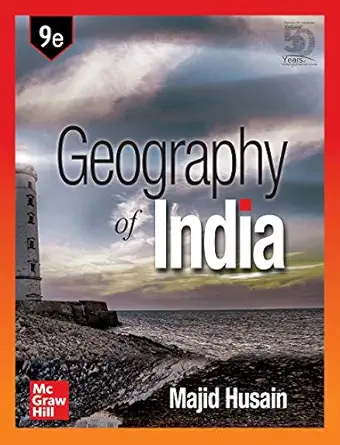
- High-quality and durable design
- Ideal for study and reference
- Trusted Amazon sellers
- Great value for money
- Ministry of Jal Shakti – Water resources reports
- Ramsar Convention – Wetlands database
- National Wetlands Atlas (ISRO)
- CPCB – Water quality reports
- UNEP – Freshwater ecosystem publications
- Books and journals on Indian geography and environment