
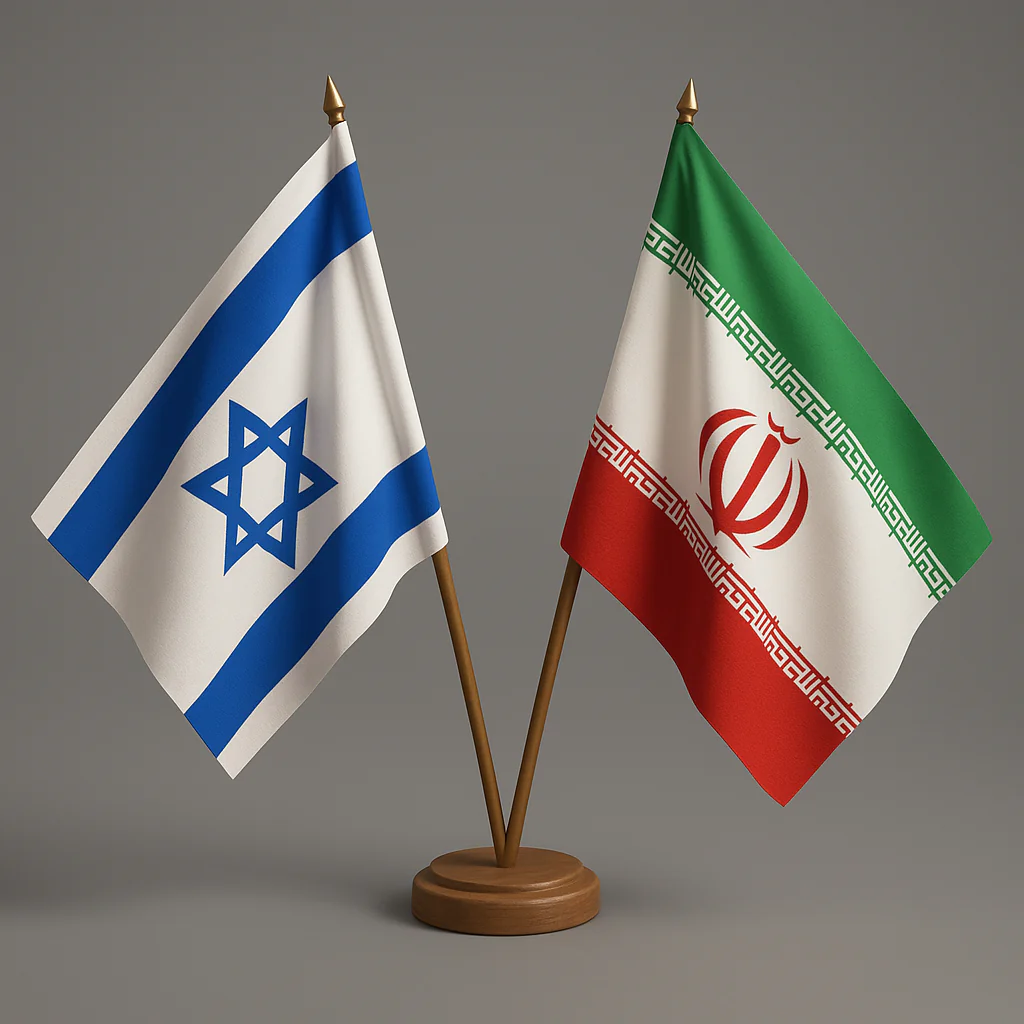
Israel and Iran Dispute — My Learnings and a Short Story of a Regional Rivalry
I have spent time studying and reflecting on the Israel–Iran dispute. This piece combines facts with personal observations so readers can understand the conflict's layers — historical, religious, political, strategic, military, and diplomatic — and take away practical lessons about diplomacy and restraint.
1. Historical background
My first lesson was simple: history matters. Israel and Iran had a different relationship before 1979. After Israel's founding in 1948, Iran (then still often called Persia in international discourse) was among the first Muslim-majority countries to recognize Israel, and for years the two states maintained relatively cordial ties.
Everything shifted with the 1979 Iranian Revolution. The new Islamic Republic under Ayatollah Khomeini adopted a strong anti-Israel posture and reframed its foreign policy in ideological terms; from that point the relationship became adversarial and set the stage for decades of indirect confrontation.
| Period/Event | Importance |
|---|---|
| 1948–1979 | Recognition and pragmatic ties between Israel and pre-revolution Iran. |
| 1979 Iranian Revolution | Ideological confrontation began; Iran adopted an anti-Israel state posture. |
Source note: historical recognition and the 1979 turning point are widely documented in diplomatic histories and open sources.
2. Religious and ideological conflicts
When I analyzed motives, the religious and ideological dimensions stood out. Iran's political identity after the revolution fused Shia revolutionary ideology with foreign policy that casts Israel as an illegitimate, "occupying" entity. Israel, by contrast, is rooted in Zionism — the idea that the Jewish people have a right to a national homeland in the Middle East.
How ideology shapes action
Because of these opposing narratives, the conflict often becomes symbolic: not only territory or power, but also legitimacy and identity. Iran supports Palestinian and anti-Israel groups (for example, Hamas and Hezbollah) as part of a broader ideological alignment against Israel.
3. Nuclear program and security concerns
One of the most consequential elements I learned to watch closely is nuclear capability. Israel views an Iranian nuclear weapon as an existential threat; Israel's policy options reflect a willingness to pursue covert and overt measures to delay or degrade Iran's nuclear progress.
Methods and responses
Over the years, responses have included cyber operations and targeted attacks against individuals connected to nuclear development. The Stuxnet cyber operation (widely reported as a joint U.S.–Israeli effort) damaged Iranian centrifuges and signaled the arrival of cyberwarfare as an instrument of state policy. :contentReference[oaicite:0]{index=0}
Diplomatic tools — notably efforts to revive or enforce limits (the nuclear deal known as the JCPOA) — have also been central. The failure or weakening of such diplomatic arrangements increases regional tensions. :contentReference[oaicite:1]{index=1}
4. Proxy War — the theater of regional influence

Awesome Amazon Product
Buy on AmazonAnother key learning: the Israel–Iran dispute is often fought by proxy. Rather than full-scale direct war, many confrontations play out through allied groups and local fronts across the Levant and beyond.
| Area | Pro-Iran groups | Typical Israeli response/goal |
|---|---|---|
| Lebanon | Hezbollah | Border skirmishes, deterrent strikes; Israel seeks to limit Hezbollah's capabilities. |
| Syria | Iranian militias and advisers | Israeli strikes on shipment hubs, airbases used by Iran-backed groups. |
| Gaza Strip | Hamas, Islamic Jihad (Iran support) | Military responses to rocket attacks and cross-border fire. |
| Yemen / Red Sea | Houthi rebels (aligned with Iran) | Threats to shipping lanes and regional trade routes. |
5. Political and diplomatic level
Politics and diplomacy are the other side of the coin. Iran's rhetoric and some official policies have sought to oppose both the United States and Israel. Meanwhile, Israel has worked to build coalitions and isolate Iran diplomatically; a notable milestone was the Abraham Accords in 2020, when Israel normalized relations with several Arab states, including the UAE and Bahrain — a development that altered regional alignments. :contentReference[oaicite:2]{index=2}
Shifts among Arab states
Historically, many Arab countries opposed Israel. In recent years some have moved closer to Israel for shared strategic and economic interests, which has complicated Iran's influence in the region.
6. Recent events (2020–2024) — snapshots
From my study and living through these years, several episodes stand out:
- 2020: Abraham Accords — diplomatic normalization between Israel and the UAE/Bahrain. :contentReference[oaicite:3]{index=3}
- 2021: The Gaza escalation / Israel–Palestine crisis that year included significant exchanges of fire and civilian casualties on both sides. :contentReference[oaicite:4]{index=4}
- 2022–2024: A series of targeted strikes, covert operations and continued tensions: reports cited incidents such as strikes in Syria and attacks on individuals tied to nuclear programs. (Multiple open-source reports document these patterns.) :contentReference[oaicite:5]{index=5}
- 2023–2024: Nuclear diplomacy remained unstable; attempts to revive or enforce the JCPOA faltered at times, increasing distrust. :contentReference[oaicite:6]{index=6}
These items are summaries of complex events; each has extensive reporting and analysis behind it.
7. Possible future scenarios
Thinking ahead, I consider three broad possibilities — and each taught me a different lesson about risk management and the value of diplomacy:
Escalation
If fighting were to expand in Gaza or Lebanon, local clashes could escalate into more direct confrontation between Israel and Iranian-backed forces. My takeaway: small incidents can cascade if deterrence fails.
Nuclear crisis
If Iran develops a nuclear weapon, Israel's declared doctrine permits pre-emptive action; such a scenario risks wider war. This made me appreciate how arms control and verification matter more than ever. :contentReference[oaicite:7]{index=7}
Mediation and diplomacy
Finally, mediation by international actors (the U.S., EU, UN) can reduce risk — though such efforts require mutual incentives and confidence-building measures to succeed. My personal learning: diplomacy is difficult but indispensable.
Conclusion — personal learnings and a cautious hope
The Israel–Iran dispute is not a single-issue conflict. It is a multifaceted contest — historical, religious, ideological, military, and diplomatic — where most fighting today occurs indirectly through proxies and covert actions. Unless a significant diplomatic initiative takes hold, proxy confrontations and periodic escalations are likely to continue.
What I learned and want readers to take away
- Understand history first — narratives drive policy. Context matters.
- Non-military tools (diplomacy, sanctions, verification) can reduce risk more sustainably than strikes alone.
- Watch proxy theaters (Lebanon, Syria, Gaza, Yemen) — they are early warning indicators.
- Invest in reliable information and check multiple sources before drawing conclusions.
In my own work as a researcher and observer, these lessons changed how I read headlines and judge risks: complexity requires patience and multiple perspectives. I remain cautiously hopeful that sustained diplomacy can lower the temperature in the long run.
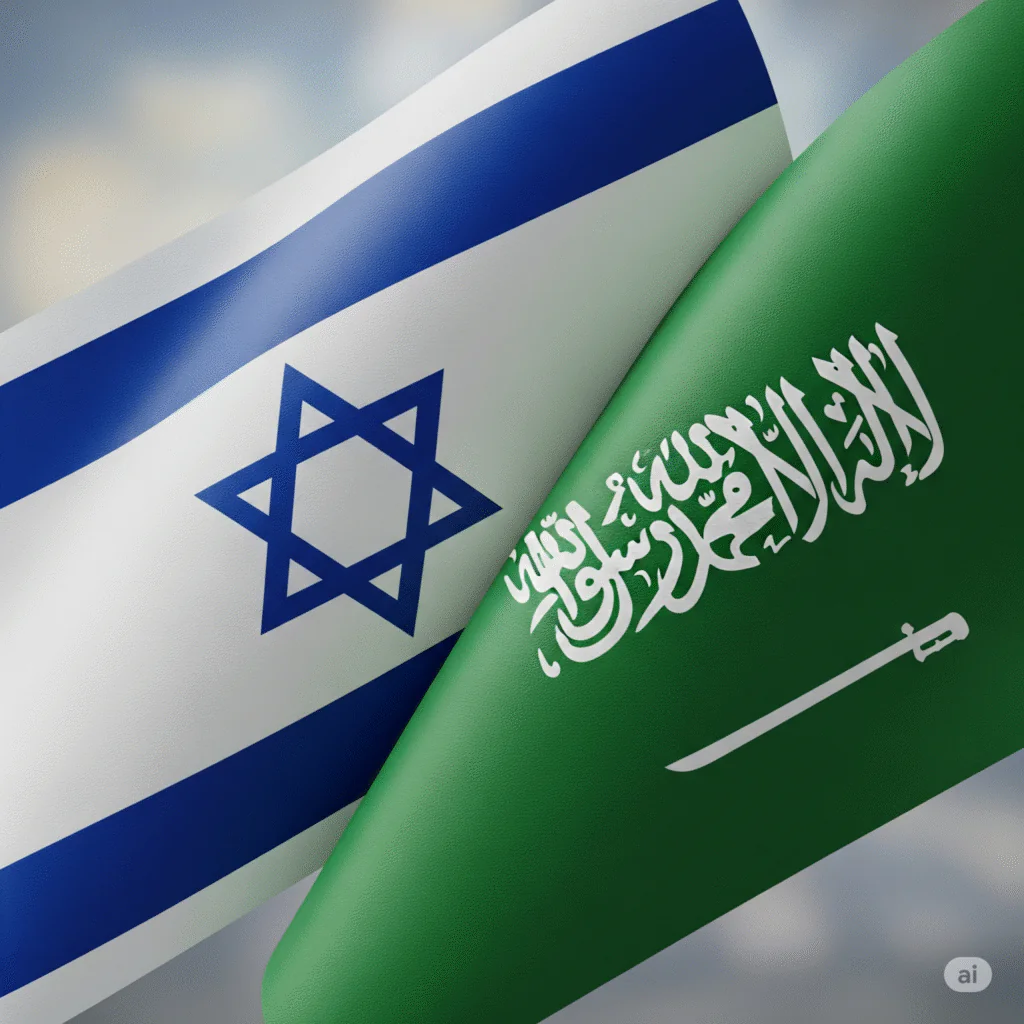
1. Historical Background: The Beginning of Relations Between Israel and Iran and the History of Confrontation
The deep ideological and political conflict that we see today between Israel and Iran was not always the same. The roots of this relationship date back to the mid-20th century, and over time, it changed due to revolution, religious radicalization, and geopolitical shifts. Below is a chronological and detailed history of this transformation:
(i) 1948–1979: Pre-Revolution Era
| Point | Description |
|---|---|
| Establishment of Israel (1948) | When Israel was founded, most Muslim countries refused to recognize it. However, Iran under Shah Mohammad Reza Pahlavi did recognize Israel. |
| Diplomatic relations | Iran and Israel maintained secret but strong diplomatic and military ties, including trade, intelligence sharing, and arms supply. |
| Oil trading | Iran was a major oil supplier to Israel. |
| Common Enemy – Arab Nations | Both nations faced challenges from Arab countries, which resulted in a strategic partnership. |
(ii) 1979: Iranian Islamic Revolution – Beginning of Confrontation
| Point | Description |
|---|---|
| Return of Khomeini | In 1979, Ayatollah Ruhollah Khomeini led the Islamic Revolution. Iran became an Islamic Republic and the Shah was removed from power. |
| Change in policy towards Israel | The new Iranian government labeled Israel as an “enemy nation” and “Satan’s state.” All relations were ended immediately. |
| Palestine Support | Iran began openly supporting the Palestinian cause and groups like Hamas and Hezbollah. |
| Israeli Embassy Closure | Israel’s embassy in Tehran was closed and handed over to the Palestinian authorities. |
(iii) 1980–2000: Cold Conflict and Proxy Strategy
| Subject | Description |
|---|---|
| Iran–Iraq War (1980–88) | Israel secretly supplied some weapons to Iran to counter Iraq, yet both countries remained official enemies. |
| The rise of Hezbollah | In the 1980s, Iran established Hezbollah in Lebanon, a Shia militia that carried out attacks against Israel. |
| Proxy wars | Iran avoided fighting Israel directly but funded, armed, and trained groups opposing Israel. |
(iv) 2000–2020: Peak Tensions and the Nuclear Conflict
| Subject | Description |
|---|---|
| Iran’s nuclear program | Israel believes Iran is trying to acquire nuclear weapons and opposes it strongly on global platforms. |
| Israel’s reactions |
|
| Abraham Accords (2020) | Israel normalized relations with UAE and Bahrain, further isolating Iran in the region. |
(v) 2021–2024: Open Confrontation and Possibility of War
| Year | Event |
|---|---|
| 2021 | Israel–Hamas War in Gaza; Iran supported Hamas. |
| 2022 | Israel increased attacks on Iranian targets in Syria. |
| 2023 | Failure of JCPOA nuclear deal increased tensions further. |
| 2024 | The ongoing Gaza War saw Iran accused of orchestrating attacks on Israel. |

Awesome Amazon Product
Buy on AmazonConclusion
The evolution of Israel–Iran relations from cooperation to hostility is rooted primarily in the 1979 Islamic Revolution. Today, the conflict is no longer just political or military—it is deeply religious, ideological, and strategic.
2. Religious and Ideological Conflict: Israel vs. Iran
The Israel–Iran conflict is not only geopolitical or military; it has a deeper religious and ideological foundation. Both nations draw their political legitimacy, religious identity, and national ideology from opposing belief systems. The roots lie in the Islamic Revolution, Jewish nationalism, and the religious politics of the Middle East.
(i) Religious Differences and Fanaticism
| Party | Religious Perspectives |
|---|---|
| Iran | A Shia Islamic Republic based entirely on the ideology of the Islamic Revolution (1979). |
| Israel | A Jewish State established as a secure homeland for Jews, rooted in religious texts describing Israel as the Holy Land. |
Iran’s Religious Ideology
Iran’s government follows “Wilayat-e-Faqih” (rule of religious leaders). Ayatollah Khomeini emphasized that the Islamic State must oppose the enemies of Islam, foremost among them Israel. Iran refers to Israel as the “Zionist Regime,” accusing it of illegally occupying Palestine.
“It is our religious duty to destroy Israel.” – Ayatollah Khomeini
Religious Identity and Nationalism of Israel
Israel’s establishment is rooted in Judaism and the ethnic identity of the Jewish people. Jerusalem and Israel are considered sacred in Jewish belief. Israel defines itself as a “Jewish Democratic Nation,” which religious hardliners in the Muslim world reject.
“This land is the birthplace of the Jewish nation, and we will defend it at all costs.” – Israeli leaders
(ii) Palestine Issue – Center of the Religious Conflict
For Iran, the Palestinian struggle is not only political—it is a religious duty. Iran supports:
- Hamas (Sunni Islamist group)
- Islamic Jihad
- Hezbollah (Shia group in Lebanon)
Iran describes this fight as the “Liberation of Quds (Jerusalem)” and celebrates it annually on “Quds Day.”
(iii) Ideological Conflict: Revolution vs. Nationalism
| Iran | Israel |
|---|---|
| Islamic Revolution | Zionism and national identity |
| Aims to spread Islamic rule globally | Restoration of the Jewish homeland |
| Labels the U.S. and Israel as “Big Satan” and “Little Satan” | Identifies itself as a secular-leaning democracy |
(iv) Conflict of Religious Symbols
| Subject | Iran | Israel |
|---|---|---|
| Jerusalem | The third holiest site (Al-Aqsa Mosque); symbol of Islamic pride | The holiest site of Judaism (Western Wall, Temple Mount) |
| Al-Quds Force | A special Iranian military unit formed to "defend Jerusalem" | Views such units as direct threats to its security |
Conclusion
The religious and ideological conflict between Israel and Iran is the internal engine driving their confrontation. Iran sees itself as the defender of Islam and considers the destruction of Israel a religious obligation, while Israel is determined to protect its national and religious identity. This struggle is not merely about geography—it is about faith, identity, and existence. Hence, resolving it is extremely complex and sensitive.
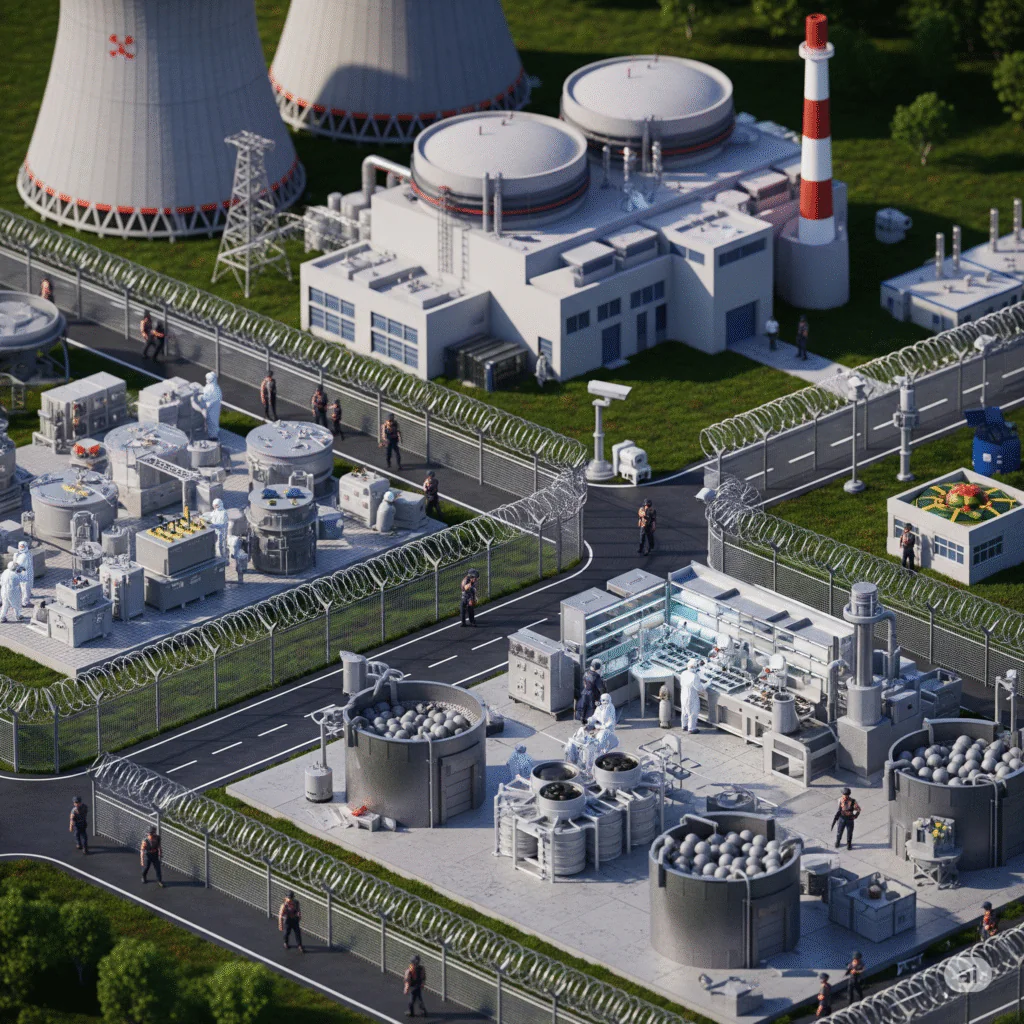
3. Nuclear Program and Security Concerns: The Most Sensitive Issue of Tension Between Israel and Iran
The most significant and potentially catastrophic factor in the confrontation between Israel and Iran is Iran’s nuclear program. Israel believes that if Iran acquires nuclear weapons, it would pose a direct threat to its national security and very existence. Iran, however, defends its nuclear pursuit as a matter of national rights and energy security, although the West and Israel remain deeply suspicious.
(i) Iran’s Nuclear Programme: Background
| Year | Major Events |
|---|---|
| 1957 | Nuclear cooperation began between the U.S. and Iran under the "Atoms for Peace" program. |
| 1979 | All Western cooperation stopped after the Islamic Revolution. |
| 2002 | Iran’s secret nuclear sites at Natanz and Arak were revealed. |
| 2003–2015 | IAEA investigations, Western sanctions, and negotiations continued. |
| 2015 | Iran and P5+1 nations (U.S., Russia, China, France, UK, Germany) signed the JCPOA; Iran limited enrichment and sanctions were lifted. |
| 2018 | The U.S. under the Trump administration withdrew from JCPOA, raising tensions. |
| 2021–2024 | Iran again increased enrichment levels, escalating Israeli concerns. |
(ii) Israel’s Main Security Concerns
| Worry | Description |
|---|---|
| Existential Crisis | Israel is a geographically small country; even a single nuclear strike could cause catastrophic damage. |
| Iran’s Rhetoric | Statements by Iranian leaders such as “Israel is a cancerous tumor” and “Israel will be wiped off the map” have increased Israeli fear and mistrust. |
| Nuclear Shadow & Proxy Groups | If Iran becomes a nuclear power, groups like Hamas and Hezbollah may act more aggressively under Iran’s protection. |
(iii) Israel’s Strategic Responses
| Strategy | Description |
|---|---|
| Pre-emptive Strike Doctrine | Israel believes in eliminating threats before they grow. This doctrine was applied in the 1981 attack on Iraq’s Osirak reactor and the 2007 strike on Syria's Al-Kibar reactor. |
| Cyber Warfare | The 2010 Stuxnet virus (widely believed to be created by the U.S. and Israel) damaged centrifuges at Iran’s Natanz facility. |
| Assassination of Scientists | Several Iranian nuclear scientists were killed, including Mohsen Fakhrizadeh in 2020, with Israeli involvement suspected. |
| Diplomatic Pressure | Israel urges the U.S. and European nations to maintain strict sanctions and avoid any nuclear agreement without strong verification mechanisms. |
Awesome Amazon Product
Buy on Amazon(iv) Analysis of JCPOA (Joint Comprehensive Plan of Action)
| Party | Idea |
|---|---|
| Iran | Considers JCPOA as a path to freedom from “unjust restrictions.” |
| Israel | Views the deal as “deception through compromise,” arguing it allows Iran to maintain limited nuclear infrastructure. |
| United States | Obama administration supported it; Trump administration withdrew; Biden administration sought renegotiation. |
(v) 2023–2024: Increasing Tensions and Nuclear Threat
| Year | Event |
|---|---|
| 2023 | IAEA reported that Iran enriched uranium to 60%—close to weapons grade. |
| 2024 | Israeli military officials warned: “If Iran crosses the red line, we will take action.” |
| 2024 | U.S.–Israel joint military drills simulated attacks on Iranian nuclear sites. |
Conclusion
Iran’s nuclear program is not merely a strategic threat for Israel—it is an existential crisis. While Iran views its nuclear progress as a sovereign right, Israel maintains a clear policy: “Iran must not be allowed to develop nuclear weapons at any cost.” This issue extends beyond Israel and Iran, posing a serious risk to Middle Eastern stability and global peace.
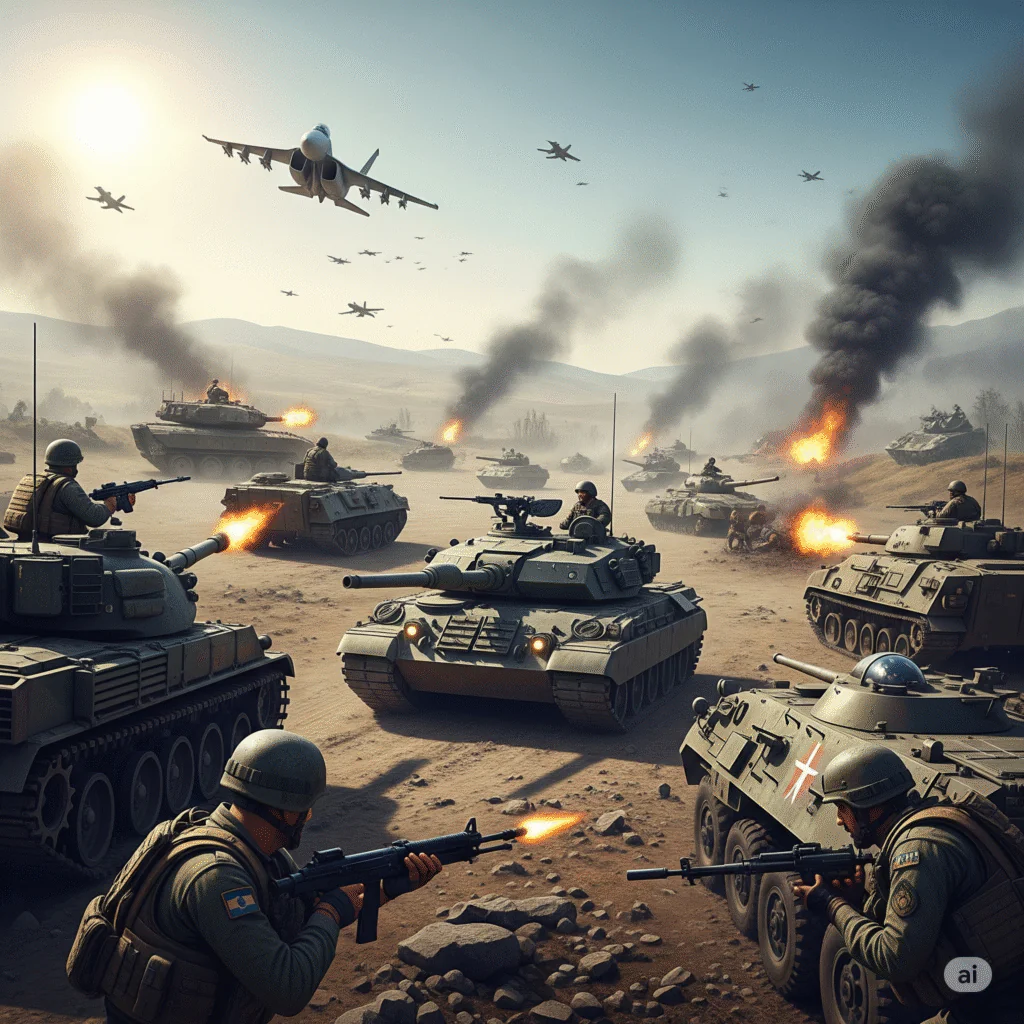
4. Proxy War: Indirect Conflict Between Israel and Iran
The conflict between Iran and Israel has rarely taken the form of a direct war. Instead, it has primarily unfolded through proxy wars—situations where both nations operate against each other indirectly using militias, armed groups, and third-party actors. Iran uses regional militias to pressure Israel, while Israel targets these same groups and their bases.
(i) What Is a Proxy War?
A proxy war occurs when two powerful states avoid direct confrontation and instead use third-party militias, factions, governments, or organizations to challenge each other.
The Israel–Iran proxy conflict spans across:
- Syria
- Lebanon
- Gaza Strip
- Yemen
- Iraq
(ii) Iran’s Major Proxy Organizations
| Organization | Location | Role |
|---|---|---|
| Hezbollah | Lebanon | Shia militant group founded by Iran in the 1980s; fought several wars with Israel (notably in 2006). |
| Hamas | Gaza Strip | Sunni group receiving Iranian financial and military support; conducts rocket attacks on Israel. |
| Islamic Jihad Movement (PIJ) | Gaza | More radical than Hamas; conducts rocket and tunnel attacks; heavily backed by Iran. |
| Shia Militias (PMF) | Iraq | Controlled by Iran’s IRGC; target U.S. and pro-Israel interests. |
| Houthi Rebels | Yemen | Iran-backed group; conducted drone and missile attacks on Israel during the 2023–24 Gaza War. |
(iii) Israel’s Response – The Shadow War
| Strategy | Description |
|---|---|
| Surgical Strikes | Israel targets Iranian weapons depots, bases, and convoys in Syria and Lebanon. |
| Intelligence Network | Mossad operates deep inside Iran and within its proxy groups. |
| Drones and Cyber Attacks | Israel employs drones, cyber warfare, and targeted killings against Iranian operatives. |
| Retaliation (2024) | After Iran launched 300+ drones and missiles at Israel, Israel responded with strikes inside Iran. |
(iv) Major Events – Timeline
| Year | Event |
|---|---|
| 2006 | Hezbollah–Israel War in Lebanon. |
| 2012–2020 | Syrian Civil War: Iran deployed thousands of fighters; Israel carried out frequent airstrikes. |
| 2019 | Israel conducted strikes on pro-Iran bases in Iraq and Syria. |
| 2021 | Gaza War: Hamas and PIJ fired thousands of rockets with Iranian assistance. |
| 2023–24 | Houthi and Iraqi militias attacked Israel during the Gaza conflict. |
(v) Regional Impact
| Area | Situation |
|---|---|
| Lebanon | Heavily dominated by Hezbollah; frequent tensions with Israel. |
| Syria | Iran maintains strong military presence; Israel frequently strikes Iranian assets. |
| Gaza | Hamas and PIJ rely on Iranian funding, drones, and rockets. |
| Iraq & Yemen | Iran-backed militias target U.S. and Israeli interests. |
Conclusion
The Iran–Israel proxy war has expanded the conflict from local to regional levels, creating widespread instability across the Middle East. Iran’s low-cost, high-impact strategy through militias is matched by Israel’s military and intelligence countermeasures. This indirect conflict could escalate into a direct war—an outcome that would be disastrous for the entire region.
5. Conflict at the Political and Diplomatic Level: Israel vs. Iran
The Israel–Iran conflict is not only military or nuclear—it has a deep, complex diplomatic dimension. Both nations attempt to isolate or weaken each other through international forums, United Nations platforms, global alliances, and regional partnerships.
(i) Disruption of Diplomatic Relations
| Point | Description |
|---|---|
| Before 1979 | Iran and Israel had active diplomatic, defense, and trade ties. |
| After the 1979 Islamic Revolution | Iran labeled Israel a “devil nation” and severed all diplomatic ties. |
| Today | No diplomatic relations; both deny each other’s political legitimacy. |
(ii) Iran’s Global Diplomatic Strategy
| Strategy | Example |
|---|---|
| Portraying Israel as an “illegal state” | Advocacy in the OIC and Arab nations. |
| Raising the issue of Palestine | Highlighting Palestinian suffering in international forums. |
| Mobilizing Global South | Anti-U.S.–Israel sentiment in Africa, Asia, and Latin America. |
| UN Support | Backing anti-Israel resolutions. |
| “Quds Day” | Global anti-Israel protest campaign. |
(iii) Israel’s Global Diplomatic Strategy
| Strategy | Example |
|---|---|
| Building a global coalition | Strategic ties with the U.S., Europe, and Arab states. |
| Abraham Accords | Normalization with UAE, Bahrain, Morocco, and Sudan. |
| Highlighting Iran’s nuclear threat | Appeals at UN, G7, and IAEA forums. |
| Mossad and cyber diplomacy | Leaks on Iran’s nuclear and terror operations. |
| Engagement with India, Africa, Asia | Cooperation in tech, agriculture, defense to counter Iran’s narrative. |
(iv) Role of the United States
| Point | Description |
|---|---|
| Israel’s strongest ally | Provides military, economic, and diplomatic support. |
| Leader of sanctions | Trump’s “Maximum Pressure Campaign” on Iran after JCPOA withdrawal. |
| Biden Administration | Attempted restarting JCPOA while considering Israel’s concerns. |
| Military cooperation | Joint missile defense, intelligence sharing, and exercises. |
(v) Conflict in the United Nations
| UN Body | Situation |
|---|---|
| UNGA | Iran pushes resolutions declaring Israel’s occupation “illegal.” |
| UNSC | The U.S. frequently vetoes anti-Israel resolutions. |
| IAEA | Monitors Iran’s nuclear program; Israel uses reports to highlight threats. |
| UNHRC | Israel faces criticism over Palestinian issues; Iran for human rights abuses. |
(vi) Regional Diplomacy – Arab and Asian Fronts
| Area | Role |
|---|---|
| Arab Countries | UAE, Saudi Arabia, and Bahrain growing closer to Israel to counter Iran. |
| Türkiye and Qatar | Maintain balanced policies, sometimes siding with Iran or Israel. |
| India and China | Both maintain ties with Israel and Iran; China invests more in Iran, India deepens defense ties with Israel. |
Conclusion
The diplomatic conflict between Iran and Israel has become a central factor in global politics. Israel aims to isolate Iran through Western and Arab alliances, while Iran positions itself as the defender of Palestine and the Muslim world. This diplomatic rivalry shapes global trade, intelligence operations, nuclear negotiations, and regional alliances.
6. Recent Events (2020–2024): Israel–Iran Conflict
Between 2020 and 2024, the Israel–Iran conflict escalated rapidly, becoming more intense and dangerous. Events ranged from cyber warfare and proxy conflicts to direct military confrontations.
(i) 2020: Abraham Accords and Iran’s Anger
Israel normalized relations with UAE, Bahrain, Sudan, and Morocco under the Abraham Accords.
Iran condemned these agreements as a “betrayal of the Islamic faith,” calling them a U.S.–Israel–Arab attempt to encircle Iran.
(ii) 2021: Gaza War and Iran’s Indirect Role
In May 2021, Hamas and PIJ launched over 4,000 rockets at Israel.
Iran openly admitted providing military and financial support to Hamas.
Israel conducted hundreds of airstrikes targeting Hamas infrastructure and leadership.
(iii) 2022: Nuclear Talks Collapse & Cyber Warfare
Attempts to restart the JCPOA failed.
Both sides escalated cyber warfare—hacks targeted Iran’s fuel network and Israel’s water supply systems.
(iv) 2023: Escalation in Syria and Lebanon
Israel launched multiple airstrikes on Iranian bases in Syria.
Hezbollah escalated attacks along Israel’s northern border.
The U.S. and Israel increased joint military drills.
(v) 2023–2024: Hamas–Israel War and Iran’s Direct Intervention
- October 7, 2023: Hamas launched a surprise attack killing over 1,200 civilians.
- Israel launched a full-scale military offensive in Gaza.
- Iran-backed groups (Hezbollah, Houthis, Iraqi militias) joined the conflict.
April 13, 2024 – Historic Event
For the first time, Iran launched 300+ drones and missiles directly at Israel.
Israel, the U.S., Britain, and Jordan intercepted most of them.
April 18, 2024 – Israel Strikes Back
Israel launched missile strikes near Isfahan, close to Iran’s nuclear facilities.
This brought the two nations dangerously close to direct war.
(vi) Global Response
- The U.S. and Europe urged de-escalation.
- The UN called for restraint.
- Russia and China supported Iran politically but warned against open war.
7. Possible Future: The Direction of the Israel–Iran Conflict
The future of the Israel–Iran conflict concerns the entire world. Both nations have drawn their “red lines,” and even a small miscalculation can ignite a regional war.
(i) Possible Scenarios
| Scenario | Description |
|---|---|
| 1. Limited War | Short-term missile and drone exchanges like the events of 2024. |
| 2. Full-Scale Regional War | An Israeli strike on Iran’s nuclear sites could trigger widespread retaliation. |
| 3. Diplomatic Deal | A renewed nuclear agreement mediated by the U.S. or Europe. |
| 4. Cyber War & Covert Attacks | Assassinations, cyberattacks, and shadow warfare. |
| 5. Israel–Saudi Arabia Agreement | If Saudi Arabia normalizes ties with Israel, Iran will see it as a major threat. |
(ii) Nuclear Threat: The Most Serious Concern
If Iran acquires nuclear weapons, Israel may launch direct military action. A nuclear arms race could spread across the Middle East, with Saudi Arabia and Turkey seeking similar capabilities.
(iii) Global Impact
| Area | Effect |
|---|---|
| Oil & Energy Prices | Instability in the Gulf may lead to global price surges. |
| Rise in Terrorism | Groups like ISIS may exploit regional instability. |
| Refugee Crisis | Millions may flee from Syria, Lebanon, Gaza, and Iran. |
| Impact on India | Oil prices rise and risks increase for Indian workers in the Gulf. |

Awesome Amazon Product
Buy on AmazonConclusion
The Israel–Iran conflict is now a ticking nuclear time bomb. Unless a political solution emerges, the region risks a full-scale war or a nuclear crisis with global consequences.
Conclusion: Israel–Iran Conflict
The Israel–Iran conflict has evolved into a multidimensional ideological, religious, strategic, and geopolitical confrontation. It is not merely hostility between two nations, but a layered historical and contemporary struggle.
Key Points to Summarize:
- History & Religion: Since the 1979 Islamic Revolution, Iran has labeled Israel an “enemy of Islam,” framing the conflict in ideological and religious terms.
- Nuclear Threat: Israel views Iran’s nuclear ambitions as an existential threat and is determined to stop it.
- Proxy Wars: Iran surrounds Israel through groups like Hamas, Hezbollah, and Houthis, while Israel responds with targeted strikes.
- Diplomatic Rivalry: Israel uses Western alliances and the Abraham Accords to isolate Iran; Iran appeals to the Muslim world and the Global South.
- Events 2020–2024: Drone warfare, missile attacks, and strikes on sensitive nuclear sites pushed the conflict close to a direct war.
- Future Uncertainty: Without diplomacy, the conflict may escalate into a regional or nuclear crisis affecting global peace, energy, and stability.
Ethical & Human Perspective
The greatest victims are ordinary citizens—children in Gaza, youth in Tehran, and families in Tel Aviv. The international community has a shared responsibility to prioritize dialogue over conflict.
🕊️ Final Thoughts
“The Israel–Iran conflict is not just about weapons but about ideologies shaping the future. Without meaningful dialogue, it could drag not just two nations—but the entire world—toward destruction.”
References
- Jay Mens, “A War Without a Name: The Iran-Israel Relationship in Historical Perspective”, Belfer Center for Science and International Affairs, Harvard Kennedy School, 2024.
- Al Jazeera, “Iran and Israel: From allies to archenemies” (2023).
- The Washington Post, “How Israel and Iran’s conflict went from covert to all-out fighting”.
- ISW (Institute for the Study of War), “Iran Update Special Edition: Israeli Strikes on Iran, June 12, 2025”.
- CSIS, “Iran’s Options for Retaliating Against Israel”.