
Introduction — Theme and Approach
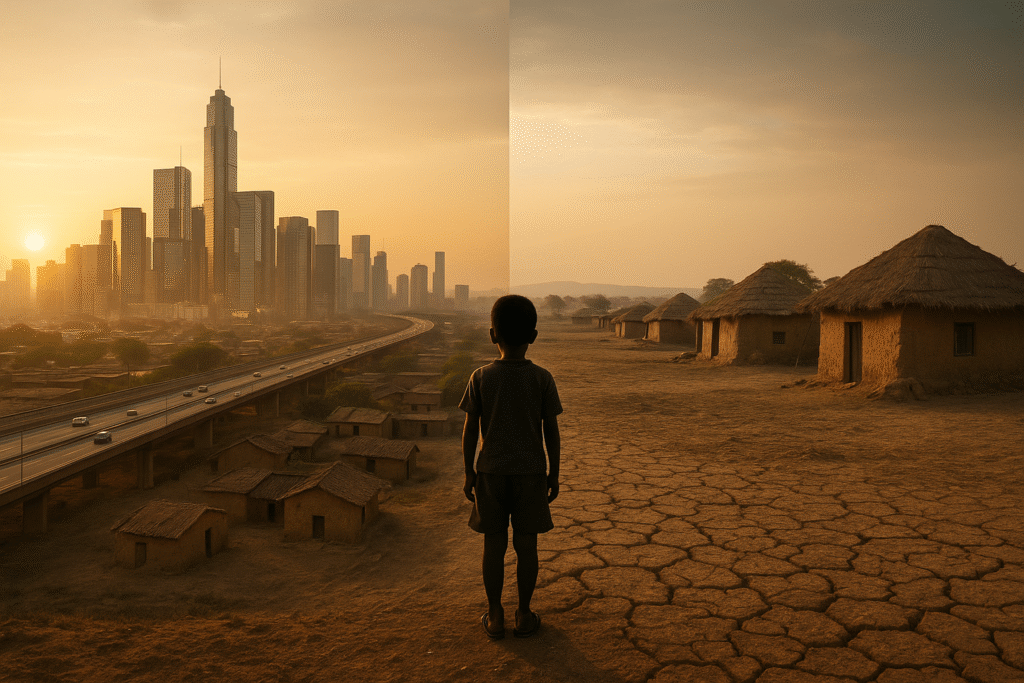
Global poverty and inequality remain among the most critical challenges of the modern world. Global poverty is not just an economic issue but is deeply interconnected with social, political, and human dimensions. In this article, I will use my own experiences, observations, and real-life interactions as a narrative foundation to explore how global poverty and inequality emerge, why they persist, and what meaningful steps can be taken to reduce global poverty worldwide. The approach is both inspirational and educational, offering analytical depth while motivating readers to understand the issue from a human-centered perspective and become part of the solution to global poverty.
Story — A Bigger Lesson from Personal Experience
The Beginning: A Small Moment That Changed My Perspective
My understanding of global poverty and inequality began with a simple yet deeply eye-opening moment. During a visit to a rural area, I saw a young boy working alongside his father instead of attending school. There was a spark of curiosity and a desire to learn in his eyes, but circumstances had forced him to choose labor over education. That moment made me realize that global poverty is not just the absence of money; it is the absence of opportunities — and this is where inequality truly begins.
Struggles and Barriers: The Harsh Reality of the System
As I interacted with more families, I discovered that their challenges were not limited to financial hardship. Lack of access to quality education, healthcare, employment, social security, and financial services created multiple layers of inequality. Some had no land, some were denied bank loans, and many women could not use their skills due to social restrictions. It became clear that inequality is not simply a result of personal choices but is deeply rooted in structural shortcomings.
An Incident That Touched My Heart
An elderly woman once told me, “We are not poor because we don’t work hard. We are poor because our hard work is never valued.” Her words stayed with me for a long time and became a turning point in my journey. They pushed me to look deeper into the causes of inequality and to understand how systems, not just individuals, shape people’s lives.

Causes of Global Poverty and Inequality
1. Historical and Institutional Factors
Global poverty and inequality are not merely the outcomes of present-day conditions; their roots run deep into history. Colonial rule, unequal land distribution policies, and restricted access to resources created long-lasting disparities. While some groups moved ahead with privileges and opportunities, others remained trapped in cycles of deprivation and limited growth.
2. Economic Factors
Unequal wages, unemployment, and limited access to stable job opportunities contribute significantly to global poverty. Millions work in informal sectors without job security or social protection, resulting in unstable incomes. Additionally, the benefits of economic growth often fail to reach all segments of society, widening the gap between the rich and the poor.
3. Social and Political Factors
Discrimination based on caste, gender, race, religion, and class continues to restrict access to education, healthcare, employment, and leadership roles. Lack of political representation among marginalized groups and weak policy frameworks further deepen inequality and sustain global poverty in many regions.
4. Lack of Education and Skills
Limited access to quality education and skill development remains one of the biggest contributors to poverty. Low levels of education reduce future opportunities, earning potential, and social mobility. When generations remain cut off from education, breaking the cycle of global poverty becomes extremely difficult.
5. Inequality in Health and Nutrition
Poor access to healthcare services exposes disadvantaged communities to illness, malnutrition, and reduced productivity. Medical expenses often push families deeper into poverty, leading to school dropouts, job loss, and long-term economic instability that reinforces global poverty.
6. Limited Access to Financial Services
A major cause of global poverty is the lack of access to banking, loans, credit, and insurance. Without financial tools to save, invest, or manage risks, people are unable to build assets or improve their income. This widens the economic gap further.
7. Unequal Distribution of Government Policies and Resources
When public policies are not inclusive, or when resources are concentrated among already privileged groups, marginalized communities fall further behind. Inequitable distribution of funds across sectors like education, healthcare, and infrastructure often leads to structural inequality that sustains global poverty.
Impact: Economic, Social and Psychological
1. Economic Impact
The most visible consequences of poverty and inequality appear at the economic level. When individuals lack stable income, productive resources, or job security, their overall economic capacity declines. Poverty reduces savings and investment potential, slowing down long-term economic growth. In many countries, inequality negatively affects GDP expansion, entrepreneurship, and innovation, creating a cycle where wealth becomes concentrated in the hands of a few.
2. Social Impact
Inequality weakens the social fabric of communities. When access to education, healthcare, security, and opportunities is uneven, society becomes divided, distrustful, and less cohesive. This often leads to greater social tension, discrimination, and reduced social mobility. One of the most severe social impacts is that disadvantaged groups remain excluded from mainstream development for generations.
3. Impact on Education
Poverty is one of the biggest barriers to education. Many children are forced to drop out of school to support their families, limiting their future opportunities. Poor-quality schools, lack of learning materials, and malnutrition further hinder their cognitive development and academic performance. This affects not only individuals but also the overall human capital of a nation.
4. Impact on Health and Nutrition
Access to quality healthcare is severely restricted in poorer communities. As a result, illnesses become more common, mortality rates rise, and life expectancy declines. Malnutrition—especially among children and mothers—reduces physical strength, cognitive growth, and productivity. Healthcare expenses also push families deeper into poverty, triggering long-term economic instability.
5. Psychological Impact
Poverty affects mental health as deeply as physical well-being. Constant financial stress leads to anxiety, depression, insecurity, and reduced self-esteem. Children in poverty-stricken environments often internalize feelings of inferiority, which affects their learning ability, confidence, social skills, and long-term decision-making.
6. Social Instability and Crime
High levels of inequality often result in greater social unrest. Lack of opportunities and unequal distribution of resources can lead to frustration, violence, and rising crime rates. Studies show that societies with extreme inequality tend to experience higher levels of conflict because people lack faith in social justice and fairness.
Practical Solutions and Policy Recommendations
1. Prioritizing Education and Skill Development
One of the most effective ways to reduce poverty and inequality is by ensuring access to quality education and skill development for all. This includes strengthening early education, digital learning opportunities, vocational training programs, and targeted scholarships. When people gain relevant skills, their employability and income increase, helping break the intergenerational cycle of poverty.
2. Strengthening Social Protection Systems
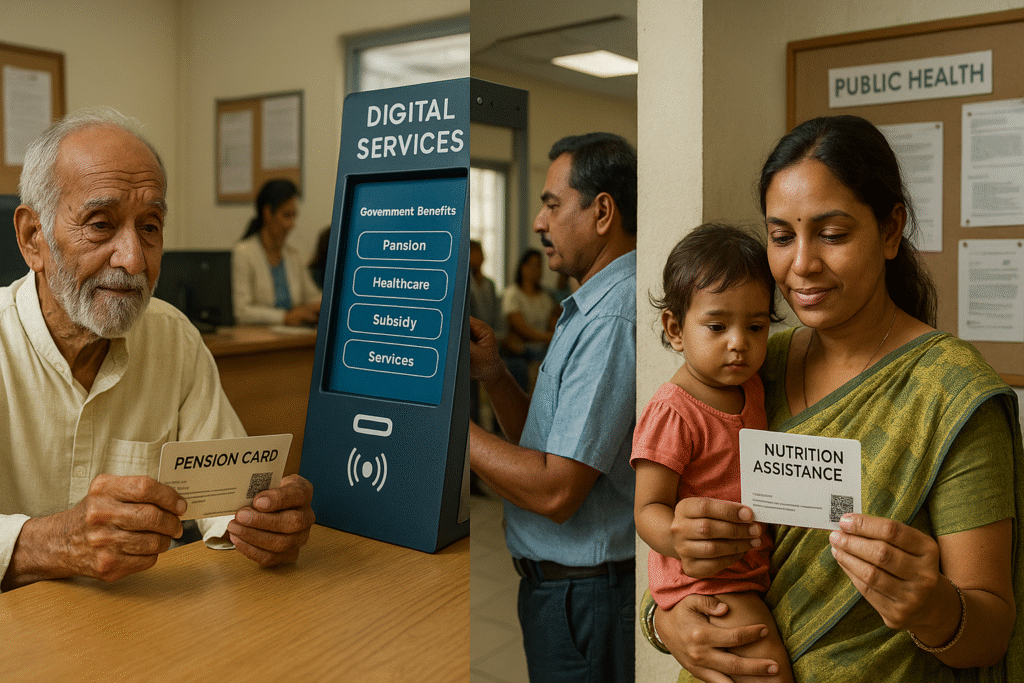
Robust social safety nets—such as pensions, health insurance, subsidies, minimum income support, and employment guarantee programs—provide stability to vulnerable communities. A strong protection system shields families from falling deeper into poverty during economic shocks. Improving transparency, accessibility, and technology-driven delivery can significantly enhance the effectiveness of these programs.
3. Employment Generation and Empowering MSMEs/Small Enterprises
Micro, small, and medium enterprises (MSMEs) play a crucial role in job creation and poverty reduction. Ensuring easy access to credit, digital tools, training, and market linkages can boost their productivity and enable them to generate sustainable livelihoods. Rural industries, women-led enterprises, agricultural value chains, and local entrepreneurship models are highly effective in reducing inequality.
Promoting Local Entrepreneurship
Community-based models such as Self-Help Groups (SHGs), Farmer Producer Organizations (FPOs), and cooperative enterprises help build economic strength at the grassroots level. These models enable communities to increase their income and take ownership of development initiatives.
4. Ensuring Equitable Access to Healthcare
Equal access to healthcare is essential for reducing poverty. Affordable primary healthcare, nutrition programs, maternal care, vaccinations, and emergency medical services prevent families from falling into economic distress due to illness. Improved health outcomes directly contribute to greater productivity and economic stability.
5. Financial Inclusion and Access to Banking
Financial inclusion—ensuring that every individual has access to banking, credit, insurance, savings schemes, and digital payment systems—is a powerful tool for reducing inequality. It enables people to save, invest, manage risks, and start small businesses, ultimately strengthening their economic resilience.
6. Fair Tax Policies and Equitable Resource Distribution
Governments must adopt progressive taxation, transparent budgeting, and increased public spending on welfare, education, and healthcare. When wealth and public resources are concentrated among privileged groups, inequality widens. Fair tax systems help redistribute resources and build a more just and balanced society.
Key Policy-Level Reforms
Land reforms, stable agricultural pricing systems, increased budget allocation for health and education, women’s safety and representation, and support for technological innovation can bring long-term structural changes and reduce inequality significantly.
7. Active Participation of Communities and Civil Society
NGOs, youth groups, volunteers, and local communities play a vital role in awareness, skills training, women empowerment, and local development initiatives. Community participation ensures that anti-poverty programs are more inclusive, sustainable, and aligned with real needs.
Case Studies and Successful Examples
1. National-Level Success: Bangladesh’s Microfinance Model
Bangladesh is widely recognized for its remarkable progress in reducing poverty. Microfinance programs led by institutions such as Grameen Bank and BRAC have empowered millions, especially women, by providing small loans, entrepreneurship training, and financial literacy. These initiatives helped families start small businesses, increase savings, and become economically independent. The success of this model has inspired similar programs across the world, demonstrating that targeted local solutions can significantly reduce poverty and inequality.
2. Community-Based Model: India’s Self-Help Group (SHG) Movement
India’s Self-Help Groups (SHGs) represent one of the most effective grassroots models for poverty reduction and women’s empowerment. In this system, women form groups to save money, access microloans, and engage in income-generating activities such as tailoring, dairy farming, handicrafts, and food processing. Beyond economic benefits, SHGs have improved women's decision-making power, confidence, and social status. This model has successfully strengthened rural livelihoods and reduced inequality by promoting community-driven economic development.
3. Education-Based Success: Kerala’s Human Development Model
Kerala has consistently invested in education, healthcare, and social welfare for decades. As a result, the state enjoys high literacy rates, improved life expectancy, and a strong public health system. Kerala’s model illustrates how long-term investment in human development leads to sustained reductions in poverty and inequality. It reinforces the principle that strong public services form the foundation for equitable economic growth.
4. Technology-Driven Solutions: Digital India and Direct Benefit Transfers (DBT)
India’s rapid advancements in digital governance—through systems such as Aadhaar, Jan Dhan accounts, and UPI—have transformed financial inclusion. Government benefits now reach citizens directly through Direct Benefit Transfers (DBT), reducing corruption, increasing transparency, and ensuring timely support for vulnerable households. This technology-driven model shows how digital infrastructure can make anti-poverty programs more efficient and impactful.

Personal and Community Actions — What You Can Do Today
Reducing poverty and inequality is not solely the responsibility of governments and institutions. Individuals and communities also play a vital role. Small, consistent actions can collectively lead to large-scale social transformation.
- Volunteer locally: Offer your time to NGOs, schools, training centers, or families in need within your community. Even a few hours of support can have a meaningful impact.
- Support education: Contribute to school supplies, fees, nutrition programs, or mentorship for underprivileged children. Education is one of the strongest tools to break the cycle of poverty.
- Promote and support local businesses: Choose products from small shopkeepers, artisans, farmers, and women entrepreneurs. This strengthens the local economy.
- Spread digital and financial literacy: Help community members understand banking, UPI payments, insurance, loans, and savings schemes. Financial awareness empowers people economically.
- Initiate community projects: Organize group activities such as skill training, waste management, food donation drives, book donation campaigns, women’s groups, or employment support programs.
- Engage in policy awareness: Communicate local issues to authorities, participate in public meetings, and advocate for inclusive policies. Active citizenship accelerates social change.
- Promote compassion and social harmony: Encourage equality, respect, empathy, and cooperation to reduce social tension and build stronger communities.
Conclusion and Inspiring Call to Action on Global Poverty
Global poverty and inequality are not just statistical challenges or policy debates— they represent the lived experiences of millions of people whose lives are shaped by limited opportunities, hardship, and unfulfilled dreams. Throughout this article, we explored how global poverty is created, how inequality deepens, and how these issues impact economies, societies, and individual well-being. Yet the most powerful truth we discovered is this: meaningful change is possible— and it begins with collective will and consistent effort.
Every individual, community, and institution holds the power to reduce global poverty and contribute to a more just and equitable world. When access to education, healthcare, employment, technology, and social protection becomes fair and inclusive, development no longer remains the privilege of a few—it becomes a shared experience for all.
This is the moment to move beyond observation and become active participants in change. Whether it is supporting a child’s education, empowering local businesses, advocating for better policies, volunteering in your community, or simply promoting empathy and equality in everyday life—every action matters in the fight against global poverty.
Start with one small step today, because small actions, when multiplied, lay the foundation for large and lasting social transformation. A society built on equality, dignity, and opportunity is not an idealistic dream— it is a reality we can create together by addressing global poverty through awareness, compassion, and purposeful action.
Change begins with your intention. It grows with your action.
FAQ — Frequently Asked Questions
1. What is the simplest definition of poverty?
Poverty is a condition in which an individual or family does not have enough resources or opportunities to meet basic needs such as food, shelter, healthcare, education, and security. It is not just the absence of money but also the absence of opportunity.
2. How is inequality measured?
Inequality is measured using various indicators such as the Gini Coefficient, Palma Ratio, and the P90/P10 income ratio. These indicators show how evenly or unevenly income and resources are distributed within a society.
3. What is considered the biggest cause of poverty?
Some of the major causes of poverty include lack of education, limited access to resources, insufficient employment opportunities, and socio-economic discrimination. Structural inequalities often trap families in long-term poverty.
4. How can I help reduce poverty at a personal level?
You can volunteer locally, support education, promote small businesses, spread digital and financial literacy, or start small community initiatives. Small, consistent actions can create meaningful long-term impact.
5. Can government policies reduce poverty and inequality?
Yes, inclusive policies—such as investments in education and healthcare, job creation, social protection programs, and financial inclusion initiatives—are highly effective in reducing poverty. Sound public policy ensures equal opportunities and helps lower long-term inequality.

References
- World Bank Report — Global Poverty Overview (Comprehensive data on global poverty trends and statistics)
- United Nations Development Programme (UNDP) — Human Development Report (Research on human development, education, health, and inequality)
- OECD Report — Inequality and Income Distribution (Analysis of income distribution, taxation, and structural inequality)
- Brookings Institution — The Future of Global Poverty (Insights on shifting patterns of global poverty and long-term projections)
- Research Publications by Grameen Bank and BRAC (Studies on microfinance, women empowerment, and rural development)
- Government of India — NITI Aayog & Economic Survey (Official data on poverty, social protection, and inequality in India)
- World Health Organization (WHO) — Health Inequality and Access to Care (Global analysis of healthcare disparities and their impact)
- Academic and University Research Papers (Studies on socio-economic inequality, opportunity gaps, and policy solutions)