Introduction: Understanding the Human Side of Global Food Insecurity
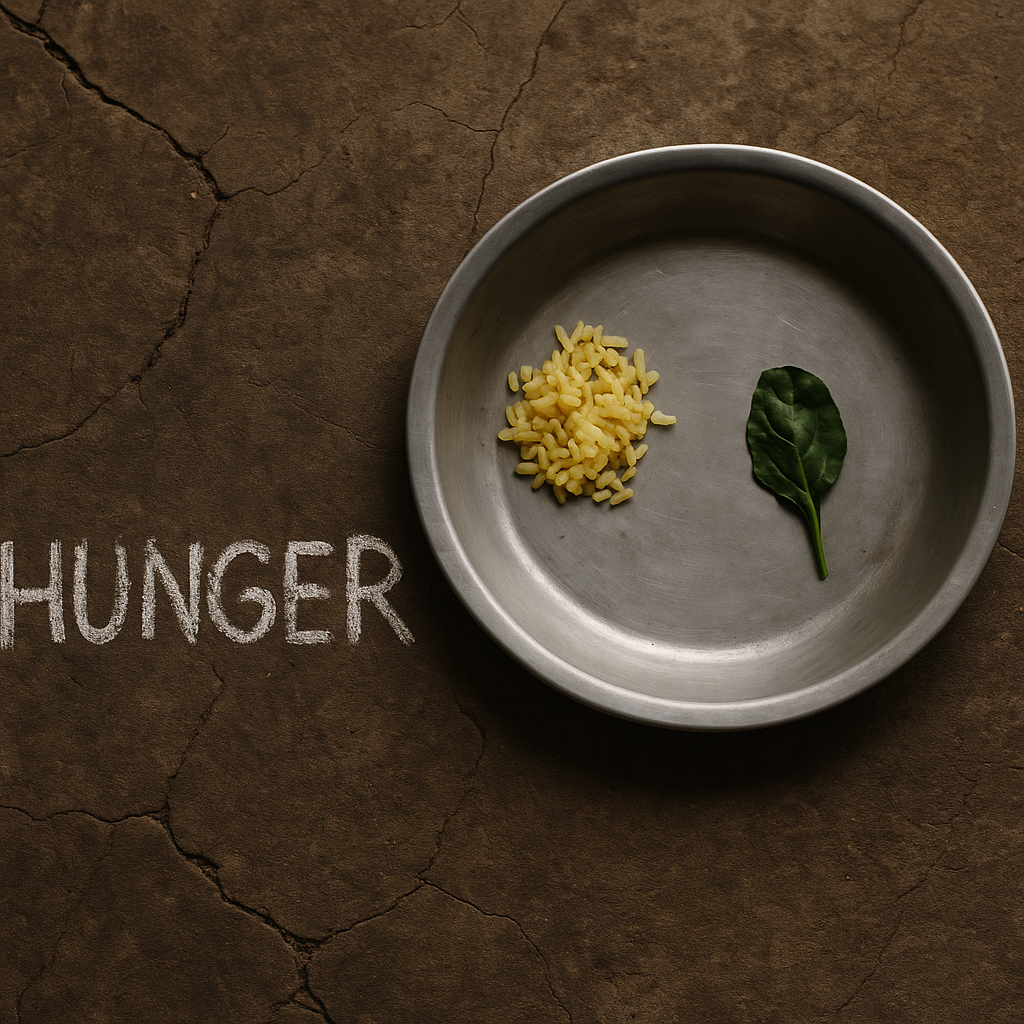
Global food insecurity is not just a topic for reports, news headlines, or international conferences. It is a real, urgent, and deeply human crisis that affects millions of people every single day. When we talk about food insecurity, we are not only referring to empty plates—we are talking about broken systems, disrupted lives, and the silent struggles of families who fight daily for their basic right to adequate food. The issue is complex and multi-layered, shaped by climate change, conflict, rising prices, unequal access to resources, and economic instability. Yet at its core, food insecurity is about people—their stories, their pain, and their hope.
This article is not meant to be just an academic explanation. It is a journey—one that connects facts with feelings, and global realities with personal experiences. Over the years, I have witnessed situations where families, despite working hard from dawn to dusk, were unable to put enough food on their table. I have seen small farmers helplessly watch their crops fail due to unpredictable weather. I have spoken to parents who skipped meals so their children could eat. These moments made me realize that hunger does not discriminate; it affects anyone, anywhere, and at any time.
Global food insecurity is not the problem of one continent, one country, or one community. It is a shared challenge—one that exposes the vulnerabilities of our global food systems and demands urgent, collective action. Behind every grain of food lies a long chain of efforts: farmers, transporters, markets, policies, and global trade. When any link in this chain weakens, millions suffer. When entire plates remain empty, it is not merely a family problem—it is a sign of systemic failure that we can no longer ignore.
Through this article, I aim to combine personal reflections, real-world observations, and evidence-based insights to help you understand the depth of this global crisis. My intention is not only to inform but also to inspire—to encourage you to think about your role, your community, and the small but powerful actions you can take. Global food insecurity is a challenge that requires empathy and awareness as much as it requires policy and innovation. And perhaps, as you read further, you will find that this story is not just mine—it is a story that connects us all.
My Story: When I Witnessed Food Insecurity Up Close
Food insecurity, for many people, appears as a distant problem—something seen in documentaries, newspaper photographs, or academic reports. But for me, it became a deeply personal reality, something that shaped my understanding of human struggle and resilience. Over the past several years, I have met families, children, workers, and farmers whose daily lives revolve around one painful question: “Will we have enough food today?” Their stories stayed with me, echoing in my thoughts long after I had left their homes. They are the moments that changed the way I see the world and forced me to understand that food insecurity is not just about hunger—it is about dignity, survival, and hope.
First Experience: The Drought-Stricken Village
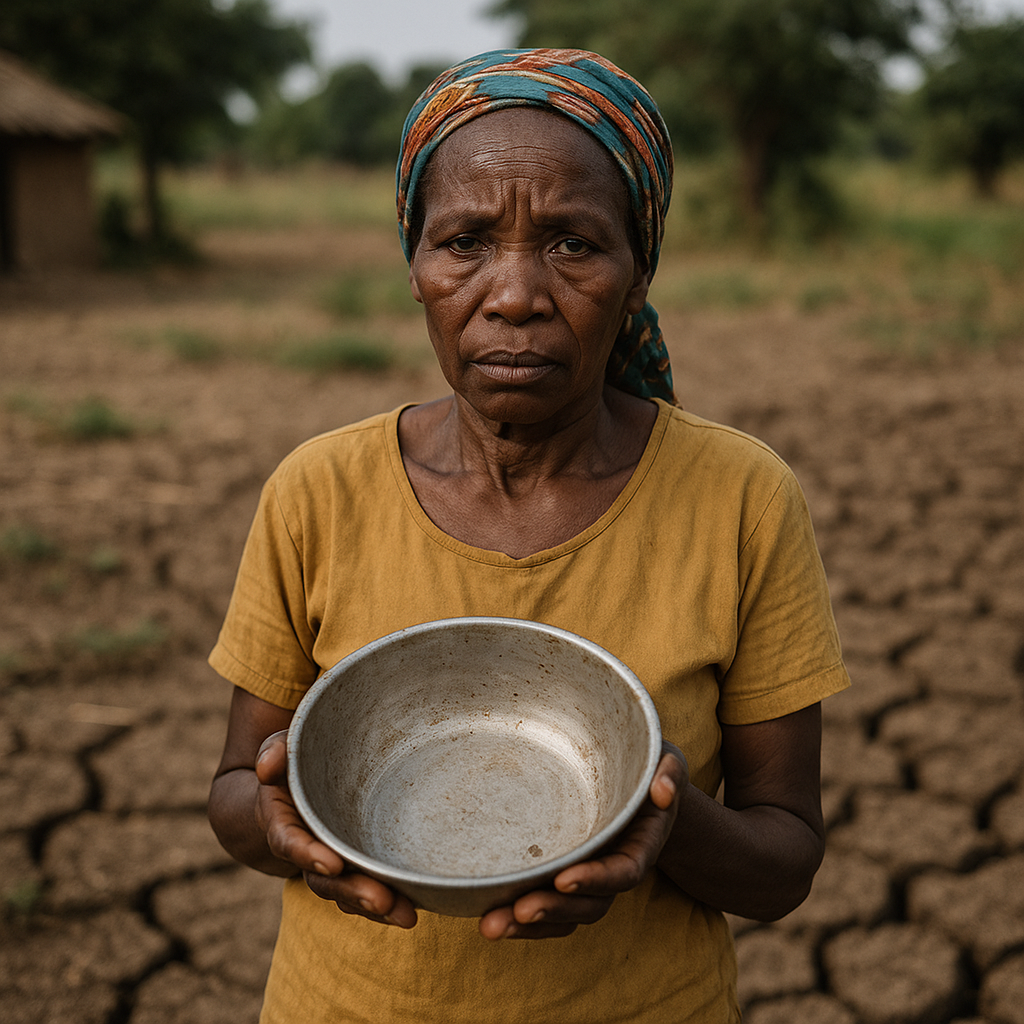
My first profound encounter with food insecurity came in a small rural village where the land had not seen proper rain for almost two years. The fields were cracked, the wells nearly dry, and the crops only half-grown. I visited a farming family whose lives had been turned upside down by the drought. As I entered their small home, I felt a heavy silence lingering in the air—one that spoke louder than words. The walls, made of mud and clay, carried tools that once symbolized productivity, but now only reminded them of their helplessness.
The farmer’s wife told me they ate only once a day, usually a thin porridge or rice boiled in salted water. Their children looked visibly weak, their energy drained by constant undernourishment. When I asked the farmer what hurt him the most, he replied softly, “I can tolerate hunger, but watching my children go hungry is unbearable.” In his eyes, I saw a pain deeper than physical hunger—an emotional burden that no parent should have to endure. That moment made me realize that food insecurity is as much an emotional crisis as it is an economic one.
Second Experience: Hidden Hunger in the Big City
Food insecurity is often assumed to be a rural issue, but my second major experience proved otherwise. In a busy city, I had known a rickshaw driver who used to greet everyone with a cheerful smile. Over time, I noticed he had become unusually weak and exhausted. One day, I asked if everything was okay. He hesitated and then said, “Earnings have dropped. Prices have gone up. We now buy only half the groceries we used to.”
He explained how flour, vegetables, and lentils were becoming unaffordable. Despite working all day, his family could no longer eat properly. His words carried a quiet despair—the kind that people hide behind tired smiles. In big cities, hunger doesn't always look like starvation; sometimes it hides in rising expenses, stagnant wages, and the silent struggle of those who fall through the cracks of urban inequality.
The Mother Who Changed My Thinking
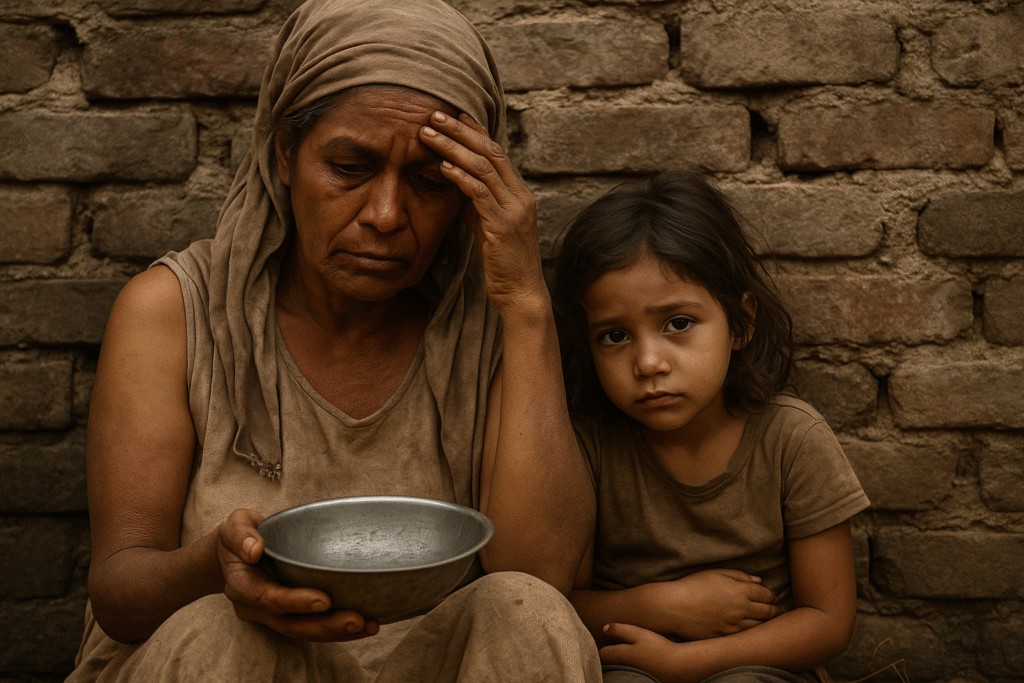
One of the most unforgettable moments in my journey occurred in a crowded slum during a community outreach program. I saw a mother dividing a small portion of food among her children, intentionally leaving nothing for herself. When I gently asked why she wasn’t eating, she smiled and said, “Mothers don’t eat to fill their stomach. They eat to fill their hearts. My heart is full when my children eat.”
Her words struck me deeply. In that single sentence, she revealed the immense sacrifice countless parents make every day. Food insecurity is not just a statistics-driven crisis—it is made up of millions of individual stories of sacrifice, endurance, and silent suffering. That mother taught me that behind every empty plate lies a story the world rarely sees.
Third Experience: Hungry Students in a School
Another experience that changed my perspective took place in a government school where a mid-day meal program was running. I noticed that many children eagerly waited for lunchtime—their eyes fixed on the food before it was served. A teacher told me that a large number of students arrived at school without breakfast, and for some, the mid-day meal was the only full meal of the day.
One child walked up to me and asked, “Sir, will we get a little extra today?” His innocent question stayed with me for days. When children begin to feel insecure about whether they will get enough food, it reflects a deep flaw in our system. Childhood should be a time of learning, growth, and joy—not hunger.
What These Experiences Taught Me
Through all these encounters, one truth became crystal clear to me: hunger does not differentiate. It does not see borders, religion, language, or gender. It affects anyone who falls into the cracks of inequality, conflict, climate crises, or economic hardship. Food insecurity may appear as a global issue, but it is experienced at the most personal level—inside homes, families, and human hearts.
These experiences taught me that the problem is not always the lack of food; often, it is the lack of access, distribution, affordability, or political will. There may be enough food in the world, but if systems fail, people still go hungry. Every family I met had a different reason behind their struggles—climate change, rising prices, unemployment, poor policies, or displacement. Yet, all their stories pointed toward the same reality: food is a fundamental right, not a privilege.
Lessons from My Journey
My journey through these experiences convinced me that we cannot remain silent observers while others suffer. Governments and organizations play a crucial role, but communities and individuals matter just as much. Small acts—donating, spreading awareness, reducing food waste, supporting local farmers, or advocating for better policies—can collectively create large waves of change.
As you read the next sections of this article, I hope you will not just understand the global causes and impacts of food insecurity but also reflect on the human stories behind them. Because in the end, this crisis is not about numbers—it is about people. And the more we understand their stories, the better we can contribute to building a world where no one goes to sleep hungry.
Global Context: Causes, Trends and Key Figures
Food insecurity today is a complex, interconnected phenomenon—far beyond simple shortages of grain or rice. It arises when shocks (conflict, economic crises, climate extremes) intersect with long-term vulnerabilities such as unequal resource access, weak infrastructure, and volatile markets. The result is that even when food exists somewhere in the system, many people cannot reliably obtain enough nutritious food on a daily basis.
One major driver is armed conflict and political instability. Where violence spreads, agricultural production, local markets and humanitarian access all suffer. Fields may go untended, supply routes become dangerous or blocked, and entire communities are displaced—creating acute food emergencies that can last for years in fragile regions.
Climate change and extreme weather events are another central cause. Recurrent droughts, irregular rainfall, heatwaves and floods undermine harvests and reduce the resilience of smallholder farmers who typically lack savings, insurance, or irrigation. These shocks not only cut production in the short term but also erode the long-term capacity of rural communities to bounce back.
Economic shocks—most notably rapid food price inflation, currency depreciation, and rising costs of inputs like fertilizer and fuel—erode households’ purchasing power. When wages and social protections do not keep pace with rising prices, families shift toward cheaper, less nutritious foods or reduce meal frequency, increasing hunger and malnutrition even where markets continue to function.
Disruptions in supply chains and markets amplify all of the above. Transportation slowdowns, border closures, infrastructure damage or policy restrictions can create local scarcities and sudden price spikes. In such cases, food may be physically present in the country or region but inaccessible or unaffordable for many people.
Structural and policy drivers also matter: unequal land tenure, lack of affordable credit for small farmers, insufficient public investment in rural infrastructure, and gaps in social safety nets all leave vulnerable groups exposed when shocks hit. In many contexts, production exists but distributional and governance failures prevent equitable access to food.
Recent global assessments make clear that these drivers are converging with alarming results. Millions of people now face acute food insecurity and hundreds of millions more live with moderate or severe insecurity that undermines their health, education and livelihoods. Certain regions—those affected by protracted conflict, repeated climate disasters, or deep economic crisis—bear a disproportionate share of the burden.
Understanding these root causes is essential because solutions must be multi-layered: emergency humanitarian response saves lives today, while investments in resilient local food systems, climate adaptation, market functioning, and social protection reduce risk tomorrow. Policy choices—on trade, agricultural support, climate finance and humanitarian funding—can either mitigate or magnify the impact of shocks on the most vulnerable.
In the next section we will examine how these causes translate into human impacts—on health, education and local economies—and then look at regional case studies and the kinds of policy and community-level actions that have shown promising results.

Impact: Health, Economic and Social Consequences
Food insecurity is not only the absence of a full plate—it is a crisis that affects the body, the mind, the economy and the social fabric of entire communities. Its consequences extend far beyond hunger. When individuals and families lack reliable access to nutritious food, the effects ripple outward, weakening health systems, limiting economic growth, increasing social tensions and creating long-term developmental challenges. Understanding these impacts is essential for addressing the crisis holistically.
Health Impact: Malnutrition, Disease and Vulnerability
The most visible and immediate consequence of food insecurity is poor health. Malnutrition—whether in the form of undernutrition, micronutrient deficiencies or insufficient calories—weakens the immune system and makes people more susceptible to infections. Children who suffer from chronic food insecurity often experience stunted growth, delayed cognitive development and a higher risk of lifelong health problems. Pregnant women, infants and the elderly face even greater vulnerability.
But food insecurity does not only lead to a lack of food—it also leads to poor quality food. Many low-income families are forced to rely on cheap, low-nutrient foods. This results in a paradox where undernutrition and obesity co-exist in the same communities. Diets high in salt, sugar and unhealthy fats contribute to rising rates of diabetes, hypertension and heart disease. This “hidden hunger” is often harder to detect but just as dangerous. In short, food insecurity harms both physical and mental health. Anxiety, depression and chronic stress are common among those constantly worried about their next meal, creating a cycle in which poor mental health further reduces productivity and resilience.
Economic Impact: Reduced Productivity and Rising Poverty
Food insecurity directly undermines economic stability. When people do not eat enough—or do not eat well—they cannot work at their full capacity. Low energy levels, poor concentration and recurring sickness reduce productivity across farms, factories, markets and service sectors. This is especially significant in economies where manual labor plays a major role.
Families struggling with food insecurity often have to make difficult financial decisions: selling assets, taking high-interest loans or pulling children out of school to contribute to income. These coping mechanisms create long-term economic vulnerabilities and trap households in intergenerational poverty. On a national scale, rising food prices and unstable food supply chains increase market volatility. Businesses face higher costs, government budgets come under pressure due to subsidies and emergency programs, and inequality widens as low-income families spend a larger share of their income on food. In essence, food insecurity is not just a consequence of economic instability—it is also a driver of it.
Social Impact: Education Loss, Conflict and Community Breakdown
The social consequences of food insecurity are far-reaching and often invisible. The first area to suffer is usually education. Children who face hunger struggle to focus in school, have lower attendance rates and perform poorly academically. For many families, food insecurity forces them to prioritize survival over schooling, leading to early dropouts. This affects not only the child but the long-term development of the entire community.
Food scarcity can also contribute to rising social tensions. When resources become limited, competition increases, often leading to conflicts within households and communities. In extreme cases, food insecurity has been linked to migration, displacement and even violence. People leave their homes not because they want to, but because staying means hunger.
The social fabric of a community weakens when hunger becomes widespread. Families face stress, relationships suffer and vulnerable groups—especially women and children—face a higher risk of exploitation and abuse. Women, in particular, bear a disproportionate burden as they often sacrifice their own food intake for their families, manage household coping strategies and face heightened risks during crises.
A Combined Outcome: Slowed Human Development
Ultimately, the combined health, economic and social impacts of food insecurity reduce a nation’s overall human development. When people are sick, undereducated or economically unstable, progress becomes difficult. Communities lose resilience, and nations lose potential. Food insecurity is therefore not just a humanitarian problem—it is a developmental and structural challenge that affects the future of entire societies.
In the next section, we will explore real-world case studies and regional examples to better understand how these impacts play out on the ground and what lessons we can learn from successful interventions around the world.
Case Studies and Examples: Regional Stories and Successful Initiatives
Understanding food insecurity becomes far more meaningful when we look at real situations and real people. Statistics reveal scale, but stories reveal truth. To understand how food insecurity manifests in different regions—and how innovative solutions can transform lives—this section explores three types of case studies: (1) conflict-affected regions, (2) drought-hit rural communities, and (3) densely populated urban settlements. We also highlight global success models that demonstrate what truly works in addressing hunger and malnutrition.
Case Study 1: Food Access in a Conflict-Affected Region
In a region severely affected by ongoing conflict, villages had been facing food shortages for months. Fields remained abandoned because farmers were afraid to step outside, roads were unsafe, and markets had collapsed. Families survived on minimal rations, often eating once a day. Unlike natural disasters, conflict creates long-term instability where food systems cannot recover on their own.
When humanitarian agencies intervened, they realized that food delivery alone would not work—transporting supplies was dangerous. So they partnered with local volunteers, women leaders and youth groups to design a “safe distribution corridor.” Community members identified secure routes and organized small distribution points that could be relocated quickly if needed.
Over the next few months, this hybrid model—global aid combined with local leadership—helped stabilize food access. Families began returning to their villages, and basic farming resumed. The case underscores a powerful lesson: in conflict zones, community trust and local participation are the backbone of any successful food assistance program.
Case Study 2: Drought-Affected Rural Community and a Community Grain Bank
A rural district had been suffering from repeated droughts, resulting in poor harvests and declining income for farming families. Food availability became unpredictable, particularly between crop seasons. Many households were forced to borrow grain at high interest or cut down their meals drastically.
In response, local youth groups and a regional nonprofit collaborated to create a “Community Grain Bank.” Each farmer contributed a portion of the harvest based on capacity, and in return, families could borrow grain at low cost or even for free during tough months. Rules were set transparently, and women played a central role in managing inventory.
Within two agricultural seasons, the impact was visible: hunger cases declined, farmers were less dependent on exploitative lenders, and collective responsibility strengthened. The Community Grain Bank emerged as a low-cost, highly sustainable model that other villages soon replicated. This example proves that effective food security solutions do not always require high technology—sometimes, they only require cooperation, trust and fair rules.
Case Study 3: Urban Slum and a Mobile Nutrition Kitchen
In a crowded urban slum, malnutrition among children and women was alarmingly high. Families lived on unstable incomes, food prices fluctuated daily, and nutritious options were often out of reach. Many children relied on leftover food or skipped meals entirely.
A local NGO launched a “Mobile Nutrition Kitchen”—a moving vehicle equipped to cook and distribute fresh, nutritious meals at extremely low cost. It stopped at multiple lanes inside the slum, ensuring accessibility for working mothers and children. What started as a small project serving 100 families quickly expanded as local businesses, volunteers and donors joined the effort.
After two years of consistent operation, surveys showed a significant reduction in malnutrition rates. The initiative also created employment opportunities for local women, who worked as cooks, assistants and coordinators. This case demonstrates that targeted nutritional interventions can transform health outcomes, especially in densely populated low-income areas.
Successful Global Models: What the World Can Learn
Across different continents, certain initiatives have emerged as powerful tools to fight food insecurity. School feeding programs in several countries have drastically reduced hunger among children and increased school attendance. These programs ensure that each child receives at least one nutritious meal per day, reducing both malnutrition and dropout rates.
In many African and Asian regions, kitchen garden programs and women-led agricultural groups have empowered families to grow vegetables and fruits at home, improving dietary diversity. Similarly, conditional cash transfer programs in Latin America have successfully encouraged families to invest in nutrition, child health and education by providing direct financial support.
Key Lessons: What Truly Works?
A consistent pattern emerges from all these case studies: food security is strongest where communities are engaged, leadership is inclusive, and interventions focus on long-term resilience rather than short-term relief. Women’s involvement proves crucial—they manage resources wisely, prioritize children’s nutrition and strengthen social bonding in crises.
Effective solutions combine four pillars: nutrition, education, livelihoods and fair distribution systems. When these elements work together, communities not only survive emergencies—they rebuild stronger and more self-reliant than before.
Policies & International Efforts: Global Responses and Strategic Directions
Addressing food insecurity requires coordinated action at multiple levels: immediate humanitarian relief, medium-term social protection, and long-term investments in resilient food systems. International institutions, national governments, civil society and private sector actors each play a role. Effective policy mixes recognize that availability, access, utilization (nutrition) and stability must all be tackled together.
Multilateral Coordination and Evidence-Based Guidance
International agencies—working through research, monitoring and financing—set global priorities and provide technical guidance. Regular flagship reports and early-warning systems help identify hotspots, quantify needs and shape donor responses. Multilateral coordination also enables pooled funding mechanisms and cross-border logistics that are essential when crises exceed national capacities.
Emergency Response vs. Resilience-Building
Emergency food assistance saves lives during acute crises, but it is not a substitute for investments that reduce future risk. Policy frameworks now emphasize linking humanitarian aid with resilience-building: climate-smart agriculture, water management, rehabilitation of rural infrastructure, and insurance or credit schemes for smallholder farmers. The goal is to reduce frequency and severity of shocks so communities rely less on repeated emergency intervention.
Social Protection and Cash-Based Approaches
Cash transfers, vouchers and other market-based social protection tools have become central to many national strategies. Well-targeted cash assistance restores purchasing power quickly, supports local markets, and gives households dignity and choice. When combined with nutrition-sensitive programming (targeted supplements, maternal-child health services), social protection can substantially improve food security outcomes.
Market Policies, Trade and Supply-Chain Governance
Trade policy, market transparency and better supply-chain governance reduce price volatility and improve availability. Policies that enhance storage capacity, harmonize cross-border procedures, and support information systems on commodity flows make markets less prone to sudden spikes. Strategic public stocks, when managed transparently, can also buffer short-term shocks without distorting incentives for producers.
Nutrition, Gender and Inclusive Design
Modern policy approaches integrate nutrition goals explicitly—moving beyond mere calorie availability to dietary quality and micronutrient adequacy. Women’s empowerment is a cross-cutting priority: policies that increase women’s access to land, credit, and decision-making translate directly into better household nutrition and resilience. Inclusion of youth and marginalized groups in program design increases effectiveness and social equity.
Key Policy Recommendations (Concise)
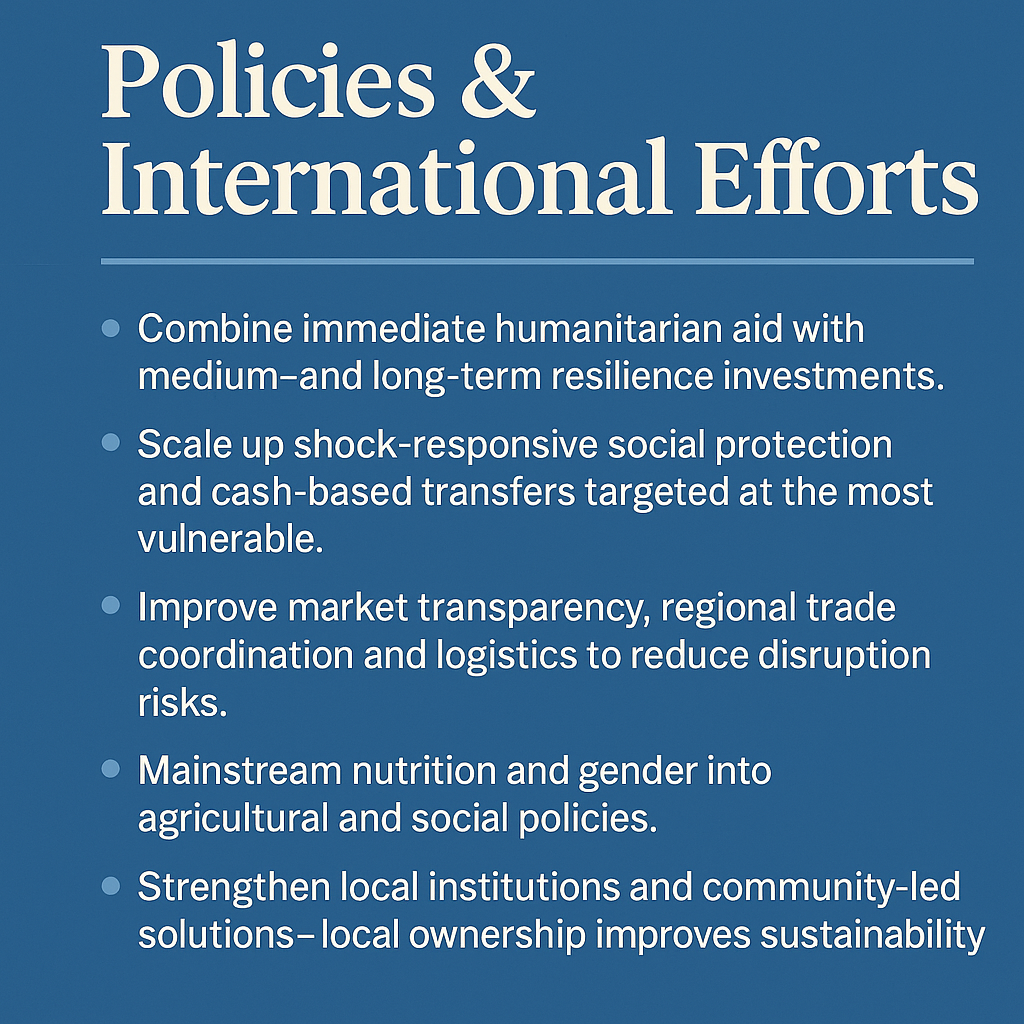
- Combine immediate humanitarian aid with medium- and long-term resilience investments.
- Scale up shock-responsive social protection and cash-based transfers targeted at the most vulnerable.
- Improve market transparency, regional trade coordination and logistics to reduce disruption risks.
- Mainstream nutrition and gender into agricultural and social policies.
- Strengthen local institutions and community-led solutions—local ownership improves sustainability.
In summary, international efforts must prioritize flexible funding, smarter social protection, market and trade coherence, and investments in climate- and shock-resilient food systems. Policies work best when global commitments translate into locally led programs—combining top-down support with bottom-up innovation to ensure that gains in food security are durable and equitable.

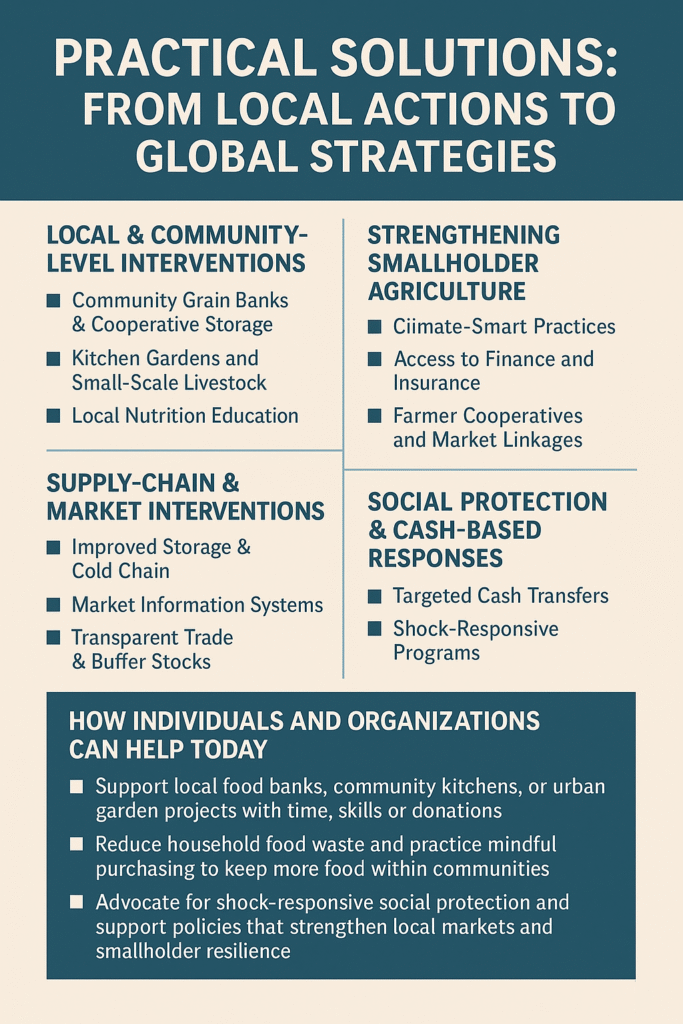
Practical Solutions: From Local Actions to Global Strategies
Addressing food insecurity requires a mix of immediate, practical actions and longer-term structural changes. Solutions that work are those which bridge local realities with national policy and international support—combining fast relief with investments that increase resilience. Below are concrete, scalable approaches organized by level of action, each rooted in evidence-based practice and community engagement.
Local & Community-Level Interventions
Community-driven measures are often the fastest and most adaptive responses during crises. These interventions are low-cost, culturally appropriate and can be implemented quickly by local leaders, volunteers and NGOs.
- Community Grain Banks & Cooperative Storage: Collective storage managed transparently helps households access affordable grain during lean seasons and reduces reliance on predatory loans.
- Kitchen Gardens and Small-Scale Livestock: Promoting home gardens, backyard poultry or small fish ponds improves dietary diversity and offers a reliable source of fresh food.
- Local Nutrition Education: Simple training on low-cost, nutrient-dense recipes, infant feeding and hygiene practices improves health outcomes without large budgetary needs.
- Local Supply Hubs: Creating neighborhood distribution points reduces transport costs and ensures equitable access, especially for the elderly and disabled.
Urban Solutions: Making Cities Food-Secure
Rapid urbanization demands tailored solutions for dense, low-income neighborhoods where market access may exist but affordability and nutritional quality are lacking.
- Mobile Nutrition Kitchens: Mobile units provide cooked, nutritious meals at low cost and can be deployed to hotspots such as informal settlements and worker camps.
- Urban Agriculture & Vertical Farming: Rooftop gardens, community allotments and vertical systems increase local supply and create green jobs.
- Subsidized Healthy Food Vouchers: Targeted vouchers for fruits, vegetables and protein help households choose nutritious options while supporting local vendors.
Strengthening Smallholder Agriculture
Smallholder farmers produce a large share of the world’s food but are also among the most vulnerable to shocks. Empowering them increases supply stability and rural livelihoods.
- Climate-Smart Practices: Promote drought-tolerant seeds, water-efficient irrigation (e.g., drip systems) and soil conservation methods to reduce production risk.
- Access to Finance and Insurance: Microcredit, input subsidies, and index-based insurance help farmers invest in productivity and recover from losses.
- Farmer Cooperatives and Market Linkages: Collective marketing and shared storage reduce transaction costs and improve bargaining power.
Supply-Chain & Market Interventions
Reducing post-harvest loss and improving market functioning stabilizes prices and improves availability for consumers.
- Improved Storage & Cold Chain: Investing in low-cost, locally appropriate storage reduces spoilage and extends shelf life of perishables.
- Market Information Systems: Real-time price and availability data enable better planning by farmers, traders and policymakers.
- Transparent Trade & Buffer Stocks: Well-managed public or regional stocks and clear trade rules can reduce volatility without undermining farmer incentives.
Social Protection & Cash-Based Responses
Shock-responsive social protection—including cash transfers, vouchers and public works—immediately restores purchasing power and supports local markets when scaled appropriately.
- Targeted Cash Transfers: Provide immediate relief while allowing households to prioritize their needs; coupling cash with nutrition programs yields stronger health outcomes.
- Shock-Responsive Programs: Automatically scale benefits during price spikes or climate shocks to protect vulnerable groups.
Technology, Data & Innovation
Digital tools lower transaction costs, improve targeting and speed up response times—making interventions more effective and accountable.
- Digital Payments & ID Systems: Enable rapid, transparent transfer of aid and reduce leakage.
- Early-Warning Systems: Use weather, market and crop data to trigger preventative action before crises escalate.
- Agri-Tech Platforms: Connect farmers to buyers, inputs and extension services to increase incomes and reduce waste.
How Individuals and Organizations Can Help Today
- Support local food banks, community kitchens or urban garden projects with time, skills or donations.
- Reduce household food waste and practice mindful purchasing to keep more food within communities.
- Advocate for shock-responsive social protection and support policies that strengthen local markets and smallholder resilience.
Combining these solutions—grounded in local knowledge and scaled through smart policy and technology—creates a resilient system that can both prevent crisis and respond rapidly when shocks occur. Practical solutions are most powerful when communities lead implementation, governments enable with smart policy, and international partners provide flexible support where needed.
Lessons Learned and a Motivational Call-to-Action
After years of witnessing food insecurity firsthand—within villages, urban neighborhoods and emergency settings—several clear lessons stand out. These are practical insights that combine lived experience with evidence-based practice. They are not abstract theories but actionable guideposts for individuals, communities and policymakers who want to make a measurable difference.
Key Lessons
- Food is about access and dignity, not just production: The world often produces enough calories, yet distribution, affordability and access determine who eats well.
- Local leadership multiplies impact: Community-run grain banks, kitchen gardens and neighborhood distribution points are fast, relevant and sustainable when locals lead.
- Empower women and smallholder farmers: Evidence shows that when women control resources and decisions, household nutrition improves markedly.
- Combine nutrition, livelihoods and markets: Programs that integrate health, education, income and market access deliver longer-lasting results than single-focus interventions.
- Use technology wisely: Digital payments, early-warning systems and market information reduce leakage, improve targeting and speed up responses.
Motivational Call-to-Action (What You Can Do Today)
Meaningful change begins with small, consistent actions. Below are practical steps individuals, groups and organizations can take immediately to help prevent hunger and strengthen resilience.
- Join or start a local initiative: Support a neighborhood food pantry, community garden, or school-feeding volunteer group—your time matters.
- Reduce food waste at home: Plan meals, store leftovers, and share surplus with community kitchens or food banks.
- Support cash-based programs: Donate to trusted organizations that use cash or voucher systems to restore dignity and support local markets.
- Advocate for policy change: Contact your local representatives to promote shock-responsive social protection, school meals, and farmer support programs.
- Share knowledge: Educate peers about food systems, nutrition and local volunteering opportunities—awareness multiplies action.
If everyone reading this article takes one small action today—whether planting a kitchen garden, volunteering one hour a week, or signing a policy petition—the combined effect can be transformative. Hunger is solvable when communities act together, when policies protect the vulnerable, and when compassion is paired with practical solutions. Start now.
Frequently Asked Questions (FAQ)
1. Is food insecurity the same as hunger?
No. Hunger refers to the physical sensation of not having enough food, while food insecurity means a lack of reliable access to sufficient, safe and nutritious food that meets daily needs.
2. Does food insecurity occur only in poor countries?
No. Food insecurity exists in both developing and developed countries. In low-income nations it is often due to limited production or access, while in wealthier nations it is largely driven by affordability, inequality and rising living costs.
3. Can increasing food production alone solve the problem?
Not entirely. While production matters, the real challenges lie in distribution, affordability, market stability and policy support. Food insecurity requires a holistic approach, not just higher yields.
4. What can individuals do to help reduce food insecurity?
You can support local food banks or community kitchens, reduce food waste, volunteer with trusted NGOs, donate to nutrition programs and advocate for stronger social protection policies.
5. Are school feeding programs effective?
Yes. School feeding initiatives significantly improve children’s nutrition, attendance and learning outcomes, especially in vulnerable communities.
6. Where can I find more information or support?
Reliable sources include international organizations like FAO, WFP, UNICEF and trusted local NGOs. Community centers and local government bodies can also provide guidance and assistance.
References
- FAO — Food and Agriculture Organization of the United Nations https://www.fao.org
- WFP — World Food Programme, Global Hunger & Emergency Response Reports https://www.wfp.org
- UNICEF — Child & Maternal Nutrition Data and Report