

Understanding the Geography of India’s Western Coast: A Personal Perspective
When I first attempted to understand the geography of the Western Coast of India, the subject appeared to be limited to the Arabian Sea, coastal plains, and mountain ranges. At that stage, it seemed like a simple study of physical features. However, as my understanding deepened, I gradually realized that the geography of the Western Coast of India is far more complex and meaningful than it initially appeared.
The Western Coast of India is not merely a description of landforms and natural boundaries. Instead, it represents a living relationship between nature, climate, human settlements, and economic activities. Through this article, I have attempted to present the geography of the Western Coast of India as a story shaped by both academic study and personal reflection. The objective is to help readers not only understand geographical facts, but also to experience the Western Coast of India as a powerful example of how geography shapes life and development.

Premium Study Material for Exam Preparation
- ✔ Structured & exam-focused content
- ✔ Easy explanations & smart layout
- ✔ Trusted by aspirants nationwide
- ✔ Ideal for competitive exams
Geographical Introduction of the Western Coast of India
The western coast of India extends parallel to the Arabian Sea and is one of the most significant natural regions of the country. This coastal belt plays an important role in shaping India’s climate, economic activities, trade, and human settlements.
A defining feature of the western coast is its narrow coastal plains and the close proximity of the Western Ghats, which clearly distinguishes it from the eastern coastal region.
Location and Extent of the Western Coast
The western coast of India stretches from the state of Gujarat in the north to Kerala in the south, running continuously along the Arabian Sea. The total length of this coastline is approximately 1,600 kilometers, extending in a north–south direction.
It passes through the states of Gujarat, Maharashtra, Goa, Karnataka, and Kerala. On the map of India, the western coast appears as a narrow strip of land between the Arabian Sea and the Western Ghats, which lie very close to the coastline.

Physical Structure of the Western Coast of India
The physical structure of the western coast of India is one of its most distinctive geographical features. It is characterized by narrow coastal plains, the close presence of the Western Ghats, short rivers, and an efficient drainage system. These physical features have a strong influence on the climate, natural vegetation, agriculture, and human settlement of the region.
Due to its unique geomorphological characteristics, the western coast holds great importance in geographical studies and is frequently asked in competitive and board examinations.
Relationship Between the Western Ghats and the Coastal Plains
The Western Ghats and the western coastal plains are closely interconnected. The Western Ghats run almost parallel to the Arabian Sea and are located very close to the coastline. As a result, the coastal plains of the western coast are generally narrow compared to the eastern coastal plains of India.
The average elevation of the Western Ghats ranges between 900 and 1,600 meters. The western slopes of the Ghats are steep, while the eastern slopes are comparatively gentle. This steep western slope plays a major role in receiving heavy rainfall during the southwest monsoon season.
Based on regional variations, the western coastal plains are divided into the Konkan Coast, the Kannad Coast, and the Malabar Coast, all of which lie between the Western Ghats and the Arabian Sea.
Rivers and Drainage System of the Western Coast
Most rivers of the western coast are short in length but have a fast flow due to the steep slope of the land. These rivers originate in the Western Ghats and flow directly into the Arabian Sea.
Because of their high velocity and short course, these rivers are not suitable for long-distance navigation. However, they possess significant potential for hydroelectric power generation.
Important rivers of the western coast include the Mandovi, Zuari, Sharavathi, Periyar, Netravati, and Bharathapuzha. Instead of forming large deltas, these rivers generally form estuaries at their mouths, which is a distinctive feature of the western coast.
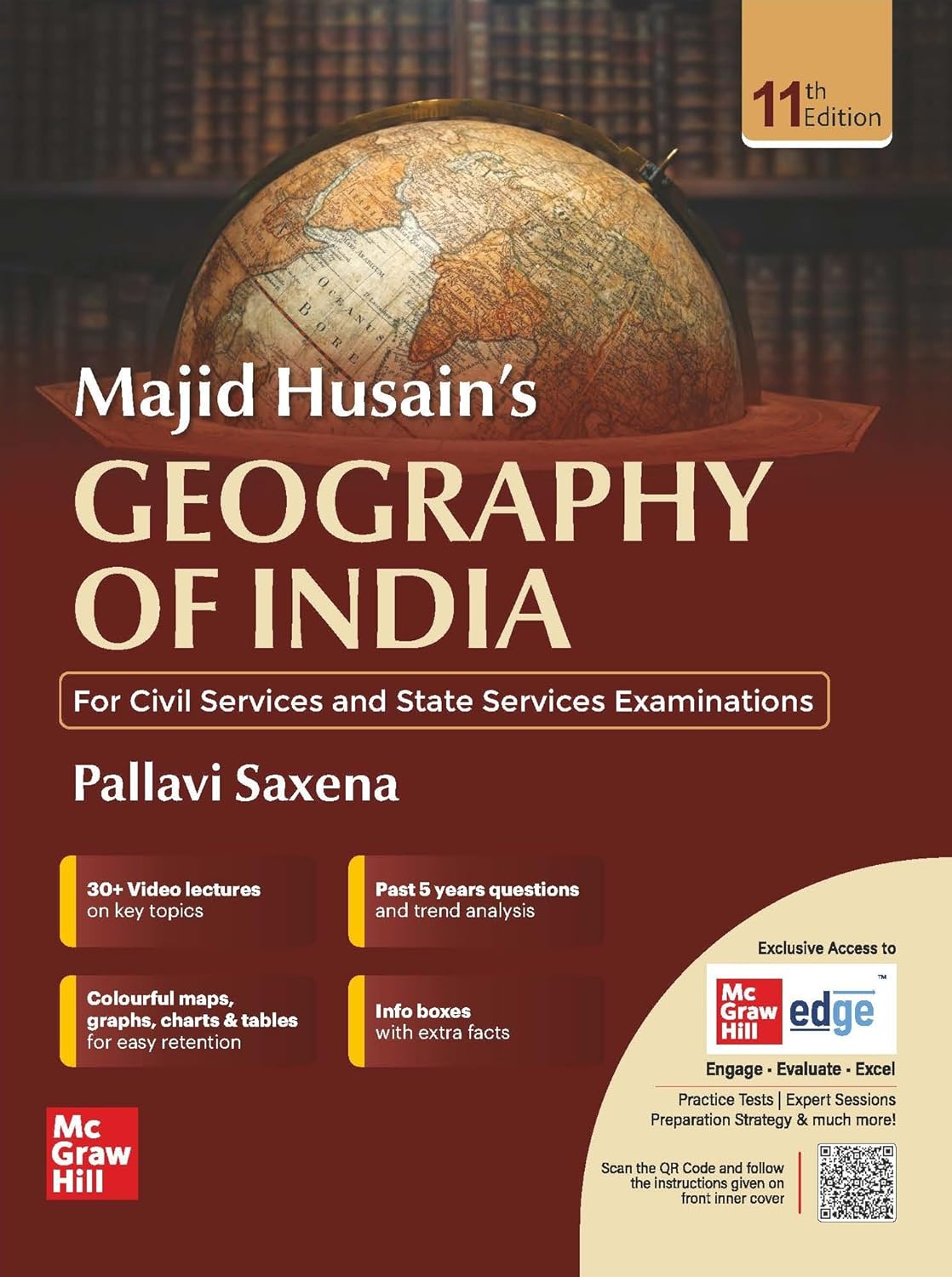
Premium Study Material for Exam Preparation
- ✔ Structured & syllabus-focused content
- ✔ Clear explanations & easy learning
- ✔ Trusted by competitive exam aspirants
- ✔ Ideal for long study sessions
Climate and Monsoon Influence on the Western Coast of India
When I began to view the monsoon not merely as seasonal rainfall but as a powerful geographical force, the true importance of the western coast became much clearer to me. The climate, natural vegetation, agriculture, and daily life of this region are deeply influenced by monsoon winds.
The western coast of India experiences a tropical maritime climate. Due to its close proximity to the Arabian Sea, the region has relatively moderate temperatures throughout the year and high levels of humidity. Extreme variations in temperature are rarely observed.
During the southwest monsoon season, moisture-laden winds originating from the Arabian Sea strike the Western Ghats and are forced to rise, resulting in heavy orographic rainfall along the western coast. This makes the region one of the highest rainfall-receiving areas in India.
Abundant rainfall ensures the presence of perennial rivers, dense evergreen forests, and fertile agricultural land. Crops such as rice, coconut, rubber, and spices thrive in this climate. Thus, the monsoon acts as the backbone of the ecological and economic life of the western coastal region.

Human Life and Economic Activities on the Western Coast of India
The geographical environment of the western coast has a strong influence on human life and economic activities in the region. The presence of the Arabian Sea, heavy monsoon rainfall, fertile coastal plains, and natural harbours has made this area one of the most economically developed coastal regions of India.
A large section of the population depends on agriculture, fishing, trade, transportation, and sea-based industries for their livelihood. The coastal environment has shaped settlement patterns and occupational structure across the region.
Major Ports and Their Trade Importance
The western coast of India is well known for its natural and artificial ports, which play a vital role in India’s foreign trade. Through the Arabian Sea, the western coast provides direct maritime links with the Middle East, Africa, and European countries.
Important ports along the western coast include Mumbai, Kandla, Marmagao, Kochi, and New Mangalore. These ports handle the export and import of petroleum, machinery, cotton textiles, spices, iron ore, and other industrial goods.
The depth, shelter, and strategic location of these ports make them suitable for large ships, thereby enhancing the trade and commercial importance of the western coastal region.
Agriculture, Coconut Cultivation, and Fishing Industry
The tropical climate and abundant monsoon rainfall of the western coast create favourable conditions for agriculture. Rice is the main food crop of the region, while coconut, areca nut, cashew, rubber, and various spices are widely cultivated.
Coconut is considered the lifeline of the western coast, as it is extensively used for food, oil extraction, coir production, and household industries.
Fishing is one of the most important occupations of the coastal population. The long coastline and rich marine resources have led to the growth of a strong fishing industry. Cities such as Kochi, Mangalore, and Mumbai have emerged as major centres of fish production and marine trade.

Premium Study Material for Competitive Exams
- ✔ Structured & exam-ready content
- ✔ Clear explanations & easy revision
- ✔ Trusted by serious aspirants
- ✔ Ideal for long study sessions
My Learning: Geographical Life Lessons from the Western Coast
Studying the western coast was not just an academic exercise for me, but a meaningful journey of understanding the deep relationship between nature and human life. This region taught me that geography is not limited to maps and facts; it is a living subject that silently shapes civilizations, economies, and everyday decisions.
Importance of Balance with Nature
The western coast taught me a powerful lesson: progress does not come from fighting nature, but from living in harmony with it. The monsoon rains, the sea, the mountains, and the forests do not restrict human life; instead, they support and protect it when their natural limits are respected.
Natural events such as heavy rainfall, coastal erosion, and landslides clearly show that ignoring geographical realities can lead to serious consequences for human society.
Geography Is Not Just a Subject, but a Way of Life
The geography of the western coast helped me realize that geography is more than an examination subject. The steady flow of rivers, the stability of mountains, and the continuity of the sea teach us patience, adaptability, and balance in life.
When geography is understood as a part of real life, it becomes a guiding philosophy that influences our thoughts, choices, and future planning.
Conclusion
The geography of the western coast of India is not merely a study of mountains, seas, and coastal plains, but a comprehensive understanding of the close relationship between natural environments and human life. Its physical features, climate, monsoon system, rivers, and economic activities together form a dynamic geographical system.
This study highlights the significant role of the western coast in India’s agriculture, trade, port development, and cultural growth. It clearly shows that sustainable development is possible only when human activities remain in balance with nature.
For me, the study of the western coast was not limited to academic learning. It became a way to understand life through geography. When geography is viewed beyond examinations and connected with real-world experiences, it helps shape responsible citizens and a society that respects and protects the natural environment.
Frequently Asked Questions (FAQ)
Question 1: Which sea is the western coast of India located along?
Answer: The western coast of India is located along the Arabian Sea. It extends from Gujarat in the north to Kerala in the south.
Question 2: What is the most important physical feature of the western coast?
Answer: The most important physical feature of the western coast is the close proximity of the Western Ghats to the coastline, resulting in narrow coastal plains.
Question 3: Why does the western coast receive heavy rainfall?
Answer: The western coast receives heavy rainfall because moisture-laden southwest monsoon winds from the Arabian Sea are forced to rise when they strike the Western Ghats, causing orographic rainfall.
Question 4: Why are the rivers of the western coast short and fast-flowing?
Answer: The Western Ghats are located very close to the sea, which creates a steep slope for rivers. As a result, rivers of the western coast are short in length but have a rapid flow.
Question 5: What are the major economic activities on the western coast?
Answer: Major economic activities on the western coast include agriculture, coconut and spice cultivation, fishing, port-based trade, and marine-related industries.
Question 6: Name some major ports on the western coast of India.
Answer: Major ports on the western coast include Mumbai, Kandla, Marmagao, Kochi, and New Mangalore.
References
- NCERT, Classes IX–XII, Geography of India (India: Physical Environment), National Council of Educational Research and Training, New Delhi.
- Majid Husain, Geography of India, Tata McGraw-Hill Publishing Company.
- Khanna and Gupta, Physical and Human Geography, K.K. Publications.
- Government of India, Geographical Profile of India, Survey of India.
- Various academic articles, maps, and study materials consulted from reliable and authoritative geographical sources.