

Introduction: When the Constitution Became a Guide for Life
When I first read the Preamble of the Indian Constitution, it felt like a collection of powerful words. But as I grew older and gained life experience, I realized that the Constitution is not just a legal document—it is the soul of Indian democracy.
The Indian Constitution is the longest written constitution in the world. It is built on the noble ideals of justice, liberty, equality, and fraternity. These values give every citizen the right to live with dignity and shape a strong, united, and fair society.
In this article, I will share my personal experiences and learning in a storytelling style while explaining the Features of the Indian Constitution in simple language. The aim is not only to inform, but also to inspire readers to understand and respect the Constitution as a living guide for everyday life.

Historical Making of the Indian Constitution
India’s independence was not only the end of colonial rule, but also the beginning of building a new nation. One of the biggest challenges after independence was to create a Constitution that could unite a country full of diversity. The making of the Indian Constitution was a long and thoughtful process involving deep discussion, debate, and vision, which later shaped the important Features of the Indian Constitution.
The Constitution of India is not merely a collection of laws. It reflects the history, struggles, values, and future aspirations of the Indian people. Every provision was carefully designed to ensure justice, liberty, equality, and dignity for all citizens.
Formation of the Constituent Assembly
The Constituent Assembly was formed in 1946 with the purpose of framing a democratic Constitution for independent India. It consisted of representatives from different provinces, communities, and social groups, ensuring wide participation in nation-building.
The first meeting of the Constituent Assembly was held on 9 December 1946. Dr. B. R. Ambedkar was appointed as the Chairman of the Drafting Committee and played a central role in shaping the Constitution.
Time Taken in the Making of the Constitution
The framing of the Indian Constitution took nearly 2 years, 11 months, and 18 days. During this period, the Assembly held 11 sessions and met for more than 165 days.
This long duration shows the seriousness and depth of discussion that went into creating a stable and balanced Constitution.
Inspiration from Other Countries’ Constitutions
The makers of the Indian Constitution studied many Constitutions of the world. Parliamentary system from Britain, Fundamental Rights from the United States, Directive Principles from Ireland, and the federal system from Canada greatly influenced the Indian Constitution and contributed to the unique Features of the Indian Constitution.
These features were adapted to suit Indian conditions and needs.
Challenges Faced by India After Independence
At the time of independence, India faced serious problems such as poverty, illiteracy, social inequality, and the trauma of partition. Building unity and establishing democracy were major challenges.
The Constitution addressed these issues by guaranteeing equal rights and opportunities to all citizens, helping India move forward as a strong and inclusive nation.
Preamble: Soul of the Indian Constitution
The Preamble is called the soul of the Indian Constitution because it contains the basic ideals and objectives on which the entire Constitution is built. It declares India to be a Sovereign, Socialist, Secular, and Democratic Republic, ensuring justice, liberty, equality, and fraternity for all citizens, which form the core Features of the Indian Constitution.
The Preamble is not just an introductory statement. It reflects the philosophy, vision, and direction of the nation. It shows that the real source of power in India lies with the people, and every law and policy must work for their welfare.
We, the People of India – Its True Meaning
The Preamble begins with the words “We, the People of India.” This signifies that the ultimate authority rests with the citizens. The people are the true makers and guardians of the Constitution.
These words highlight the spirit of democracy and remind every citizen that they are an important part of the nation-building process.
Inspiration Drawn from the Preamble
The Preamble inspires us to follow a just, fair, and inclusive way of life. It teaches us to respect the rights of others and to maintain harmony and peace in society.
Justice, Liberty, Equality, and Fraternity
The Preamble mentions four core values: Justice, Liberty, Equality, and Fraternity. Justice means social, economic, and political justice. Liberty ensures freedom of thought, expression, belief, faith, and worship.
Equality means equal status and opportunity for all citizens, while Fraternity promotes brotherhood, unity, and a sense of national integration.
Impact of the Preamble on My Life
Understanding these values changed my perspective. I realized that the Constitution is not only meant for the government but for every citizen. It also helped me appreciate the deeper Features of the Indian Constitution and their relevance in everyday life.

Written and Lengthiest Constitution in the World
One of the most important Features of the Indian Constitution is that it is a written Constitution and also the lengthiest Constitution in the world. Unlike many countries that have brief Constitutions, India adopted a detailed Constitution to address its vast diversity and complex social structure.
A written Constitution means that all fundamental rules related to governance, rights, and duties are clearly documented. This brings clarity, stability, and transparency to the political system.
Importance of a Written Constitution
A written Constitution ensures that no individual or authority can exercise power arbitrarily. The Constitution is the supreme law of the land, and every organ of the government must function within its limits.
It also gives citizens confidence that their rights are protected and that they can approach courts in case of any violation.
Written Constitution and Democracy
A written Constitution strengthens democracy by limiting power and placing the people at the center of governance. It makes the government accountable to the citizens.
Articles and Schedules
The Indian Constitution contains a large number of Articles and Schedules that deal with different subjects in detail. These include provisions related to fundamental rights, powers of government, role of the judiciary, and relations between the Centre and the States.
Because of these detailed provisions, the Constitution serves as a complete guide for governing the country and highlights the practical Features of the Indian Constitution in action.
What Are Articles?
Articles are the individual provisions of the Constitution that explain laws and rules in a systematic manner. Each Article deals with a specific subject.
Role of Schedules
Schedules are supplementary parts of the Constitution that contain important lists and details, such as division of powers, languages, and administrative arrangements.
Directive Principles of State Policy
The Directive Principles of State Policy, mentioned in Part IV of the Indian Constitution, are guidelines for the State to follow while governing the country. Although these principles are not enforceable by courts, they form the foundation of India’s policy-making process and reflect important Features of the Indian Constitution.
The main objective of the Directive Principles is to establish social and economic justice and to build a welfare state where the well-being of all citizens is ensured.
Objectives of the Directive Principles
These principles aim to create a society in which every citizen has access to a dignified life, employment opportunities, education, and healthcare.
They remind the government that true development is not only about economic growth but also about inclusive and balanced social progress.
Provisions for the Poor and Weaker Sections
The Directive Principles guide the State to take special steps for the welfare of the poor, Scheduled Castes, Scheduled Tribes, and other disadvantaged groups.
Spirit of Social Welfare
The Directive Principles include important matters such as establishment of village panchayats, equal pay for equal work, protection of children, and improvement of public health.
Their goal is to build a society based on equality of opportunity and social justice, which further strengthens the democratic Features of the Indian Constitution.
Principles Related to Education and Health
The State is directed to provide free and compulsory education and to strengthen public health services for all citizens.

Federal System: Balance Between Centre and States
The Indian Constitution establishes India as a federal state with a clear division of powers between the Centre and the States. The main purpose of the federal system is to maintain national unity while giving adequate autonomy to the States, which is one of the key Features of the Indian Constitution.
This system ensures that both the Centre and the States can function independently in their respective spheres, while cooperating with each other for national interest.
Powers of the Centre and the States
The Constitution divides powers through three lists – the Union List, the State List, and the Concurrent List.
The Union List includes subjects such as defence, foreign affairs, currency, and communication. The State List covers police, public health, agriculture, and local government. The Concurrent List includes education, forests, marriage, and labour.
Union List, State List, and Concurrent List
These three lists help avoid confusion regarding authority and ensure smooth functioning of the government.
Need to Maintain Balance
Maintaining a balance between the Centre and the States is essential for a vast and diverse country like India.
If the Centre becomes too powerful, state autonomy may suffer. If States become too powerful, national unity may be threatened.
Experience from My State
When I observed the Centre and State governments working together on a development project, I truly understood how the federal structure reflects the balanced Features of the Indian Constitution in practice.
Parliamentary System
The Indian Constitution adopts the Parliamentary System of government, in which real executive power lies with the Council of Ministers and the Prime Minister is the head of the government. This system is inspired by the British model and is based on democratic principles, forming one of the essential Features of the Indian Constitution.
The main objective of the parliamentary system is to ensure that the government remains responsible and accountable to the people.
Role of the Prime Minister and Council of Ministers
The Prime Minister is the real executive head of the country. He or she leads the Council of Ministers and plays a key role in policy-making and administration.
The Council of Ministers is collectively responsible to the Parliament. This means that if the Parliament withdraws its confidence, the entire ministry must resign.
Principle of Collective Responsibility
Collective responsibility is the soul of the parliamentary system. According to this principle, the entire Council of Ministers is accountable to Parliament for all its decisions.
Powers of Parliament
Parliament is the supreme law-making body of the country. It passes laws, approves the budget, and exercises control over the functioning of the government.
The Parliament consists of two Houses – the Lok Sabha and the Rajya Sabha, which together demonstrate the democratic Features of the Indian Constitution in action.
Importance of Lok Sabha and Rajya Sabha
The Lok Sabha is directly elected by the people and represents their will. The Rajya Sabha represents the States and Union Territories.

Independent Judiciary: The Guardian of Justice
The Indian Constitution establishes an independent and impartial judiciary, which is considered the backbone of democracy. An independent judiciary means that courts can deliver justice without any pressure or interference, making it one of the vital Features of the Indian Constitution.
The judiciary acts as the guardian of the Constitution and ensures that all actions of the government are in accordance with constitutional provisions.
Independence of the Judiciary
Judicial independence means that judges are free to make decisions based on law and conscience, without influence from the executive or the legislature.
To ensure this independence, the Constitution provides safeguards related to the appointment, tenure, salary, and removal of judges.
Security of Judges
The process for the removal of judges is deliberately made difficult so that they can perform their duties without fear or bias.
Judicial Review
Judicial review refers to the power of the judiciary to examine the constitutionality of laws and executive actions.
If any law or action is found to be against the Constitution, the judiciary can declare it invalid.
Judiciary and the Common Citizen
Whenever the fundamental rights of a citizen are violated, the judiciary provides a platform to seek justice and protection, reflecting the protective Features of the Indian Constitution in real life.
Flexibility and Rigidity of the Constitution
One of the unique Features of the Indian Constitution is that it is neither completely rigid nor completely flexible. Instead, it maintains a balance between stability and change.
This balanced nature allows the Constitution to remain relevant while adapting to the needs of society and changing times.
Amendment Procedure
The Indian Constitution provides a clear procedure for amendment. Some provisions can be amended by a simple majority of Parliament, while others require a special majority.
In certain cases, approval of more than half of the State Legislatures is also required.
Need for Constitutional Amendments
With the passage of time, new challenges and social realities emerge. The amendment process helps the Constitution respond effectively to these changes.
Stability of the Constitution
Although amendments are possible, the core values and spirit of the Constitution remain protected.
This ensures that the fundamental philosophy of the Constitution is never destroyed, thereby preserving the essential Features of the Indian Constitution.
Doctrine of Basic Structure
The Doctrine of Basic Structure states that certain fundamental features of the Constitution cannot be altered under any circumstances.
Role of the Constitution in Modern India
In modern India, the Constitution is not only the foundation of governance but also the soul of democracy and a strong pillar of national unity. Although society has changed with time, the Constitution continues to guide the nation toward justice and progress, reflecting the enduring Features of the Indian Constitution.
The Constitution ensures that India remains a sovereign, democratic, and secular nation where every citizen enjoys equal rights and opportunities.
Strengthening of Democracy
The Constitution provides for free and fair elections, freedom of expression, and a system of accountable governance, which together strengthen democracy.
It empowers citizens to question authority and protect their rights.
Digital Age and the Constitution
In the digital era, the scope of information and expression has expanded greatly. The Constitution guides us to use technology responsibly and ethically.
Responsibility of the Youth
India’s youth are the architects of the nation’s future. It is their duty to understand the values of the Constitution and practice them in daily life.
Only aware and responsible youth can build a strong and developed India by upholding the democratic Features of the Indian Constitution.
Future Challenges
Challenges such as population growth, environmental issues, and social inequality can be effectively addressed by following constitutional principles.
Conclusion: The Constitution as a Living Document
The Indian Constitution is not merely a collection of laws; it is the soul and identity of the nation. The values enshrined in it—justice, liberty, equality, and fraternity—shape India into a strong, democratic, and inclusive country, reflecting the enduring Features of the Indian Constitution.
Through my experiences and learning, I have realized that the Constitution is not only meant for the government but for every citizen. It grants us rights, but it also reminds us of our duties.
If we truly follow the spirit of the Constitution in our daily lives, India will grow not only as an economic power but also as a moral and social leader in the world.
Ultimately, understanding and respecting the Features of the Indian Constitution will help us preserve democracy and build a brighter future for the nation.
Frequently Asked Questions (FAQ)
What is the most important feature of the Indian Constitution?
The most important feature among the Features of the Indian Constitution is its democratic, secular, and welfare-oriented nature, which ensures equality and justice for all citizens.
When did the Indian Constitution come into force?
The Indian Constitution came into force on 26 January 1950, marking the formal implementation of the key Features of the Indian Constitution in independent India.
Who drafted the Indian Constitution?
The Indian Constitution was drafted by the Constituent Assembly, and the Drafting Committee was chaired by Dr. B. R. Ambedkar.
Why are Fundamental Rights important?
Fundamental Rights protect citizens’ freedom and equality and safeguard them from arbitrary actions of the state.
What are Directive Principles of State Policy?
They are guidelines for the state to promote social and economic welfare and to establish a just society.
Can the Indian Constitution be amended?
Yes, the Constitution can be amended according to the procedure laid down in the Constitution, which shows the flexible Features of the Indian Constitution while preserving its core values.
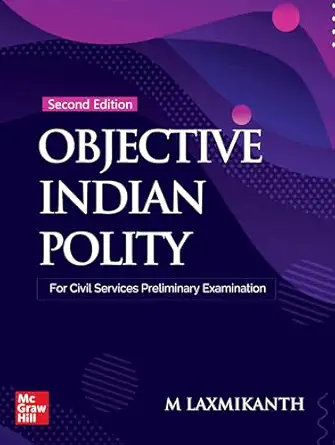
Featured Amazon Product
A reliable and well-built everyday product designed for strong performance and usability. Excellent choice for users seeking quality, value, and trusted satisfaction.
- Premium build quality
- Easy everyday use
- Highly rated by customers
- Great value for money
References
- Constitution of India, Government of India.
- Indian Polity by M. Laxmikanth, McGraw Hill Education.
- Introduction to the Constitution of India by D. D. Basu.
- Official Website of the Parliament of India.
- Supreme Court of India – Official Publications.
- National Portal of India (india.gov.in).