
What is Energy Transition?
Energy transition refers to the fundamental shift in the way energy is produced, distributed, and consumed — moving away from fossil fuel–based energy sources such as coal, oil, and natural gas toward renewable and clean energy sources. This transition is not only a technological change, but also a transformation in policies, economic structures, and human behavior aimed at building a more sustainable future.
As global energy demand continues to rise, relying solely on traditional energy systems creates serious environmental, economic, and social challenges. Energy transition seeks to establish a balanced energy system that is reliable, affordable, and environmentally friendly, while ensuring long-term energy security for present and future generations.
Limitations of Fossil Fuel–Based Energy Systems
Fossil fuel–based energy systems have powered industrial growth for decades, but they come with major limitations. Coal, oil, and natural gas are finite resources, meaning they will eventually be depleted. Heavy dependence on these fuels increases energy import costs and exposes countries to price volatility and geopolitical risks.
Moreover, burning fossil fuels releases large amounts of greenhouse gases, which contribute to climate change, global warming, and air pollution. These impacts harm ecosystems, human health, and agricultural productivity, making it clear that fossil fuel–based systems are not sustainable in the long term.
Concept of Renewable Energy
Renewable energy is derived from natural sources that are continuously replenished, such as sunlight, wind, flowing water, and organic materials. Solar power, wind power, hydropower, and bioenergy are among the most widely used renewable energy sources today.
The key advantage of renewable energy is that it produces little to no harmful emissions, reducing environmental damage while supporting economic growth. It also enhances energy security, creates employment opportunities, and empowers communities to generate their own power. For these reasons, renewable energy forms the foundation of a successful energy transition.

- Durable and high-quality build
- Ideal for daily use
- Trusted Amazon seller
- Great value for money
The Turning Point That Changed My Perspective
Every person experiences a moment in life that reshapes the way they look at the world. For me, that moment came when I realized that energy is not just a convenience, but a critical factor that determines the future of our planet and our society. Until then, I had taken electricity for granted, assuming it would always be available. However, a series of experiences forced me to question this assumption and reflect on how deeply our energy choices affect the environment and future generations.
Frequent power cuts, rising electricity bills, and growing concerns about pollution made me aware that the existing energy system was neither reliable nor sustainable. I began to wonder whether there was a better way to meet our energy needs—one that could provide clean, affordable, and dependable power. This realization marked the true beginning of my journey toward understanding energy transition.
Real Energy Conditions in Rural Areas
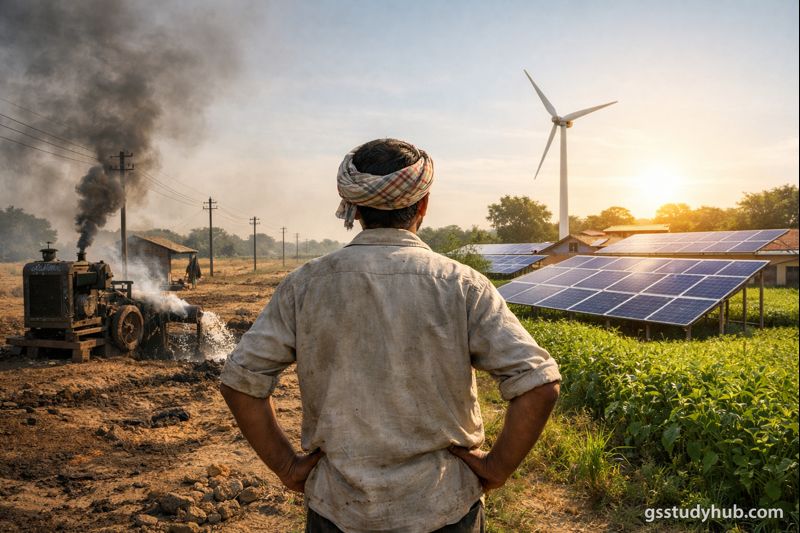
Living in a rural area allowed me to witness the energy challenges firsthand. Long hours without electricity were common, disrupting education, agriculture, and small businesses. Many households depended on diesel generators as a backup, which were expensive to operate and contributed significantly to air and noise pollution.
High electricity costs and unreliable supply placed a heavy burden on farmers and local entrepreneurs. Diesel-powered pumps were widely used for irrigation, increasing production costs and reducing profits. These realities made it clear to me that rural communities urgently need access to affordable, clean, and reliable energy solutions.
When I Saw a Solar Panel for the First Time
One day, I noticed solar panels installed on the rooftop of a village school. It was my first close encounter with a renewable energy system in action. I learned that these panels were generating electricity directly from sunlight and were able to power classrooms, fans, and lights throughout the day.
That moment left a deep impression on me. I realized that it is possible to produce energy without harming the environment. This simple yet powerful observation changed my mindset and inspired me to learn more about renewable energy and explore ways to adopt it in my own life.
Current Status of Energy Transition in India
India is currently at a crucial stage of its energy transition. Rapid population growth, urbanization, and industrial expansion have significantly increased the country’s energy demand. To meet these needs sustainably, India is actively reducing its dependence on fossil fuels and expanding the use of renewable energy sources. Supportive government policies, private sector participation, and technological advancements are driving this transformation toward a cleaner energy future.
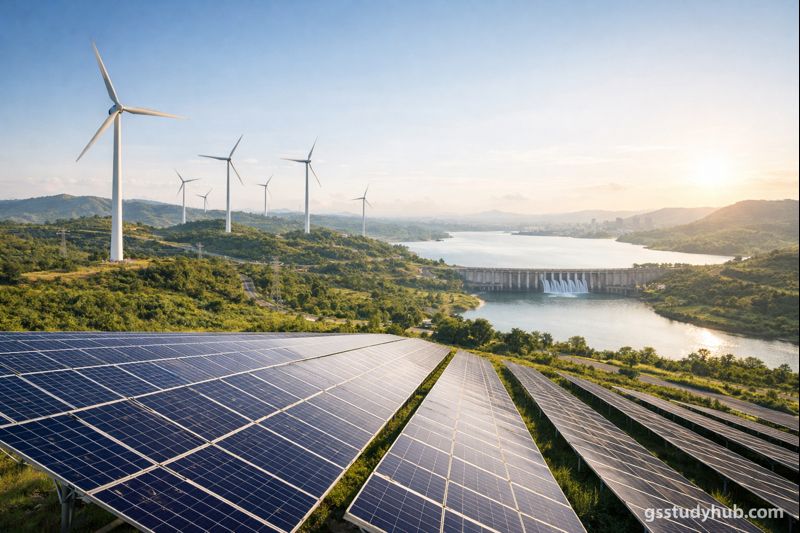
Today, India is among the leading countries in terms of growth in renewable energy capacity. Solar, wind, hydropower, and bioenergy are playing an increasingly important role in the national energy mix. This shift not only helps lower carbon emissions but also strengthens energy security and promotes economic self-reliance.
India’s Role in Solar Energy
India has placed solar energy at the center of its energy transition strategy. Large-scale solar parks have been developed across several states, generating thousands of megawatts of clean electricity. At the same time, rooftop solar systems are being encouraged so that homes, schools, hospitals, and industries can produce their own power.
Government incentive schemes and subsidies are motivating individuals and businesses to adopt solar energy. As a result, electricity costs are decreasing for consumers, and the use of clean power is expanding. The solar sector is also creating significant employment opportunities across the country.
Potential of Wind and Hydropower
India has vast potential for wind energy, especially in coastal regions and areas with high wind speeds. Large wind farms are being installed to harness this natural resource, providing an environmentally friendly and sustainable source of electricity.
Similarly, hydropower remains an important part of India’s energy system. Electricity generated from rivers and dams has supported the country’s development for decades. Small hydropower projects are now being promoted to supply clean and reliable electricity to remote and hilly regions.
Why Is Energy Transition Necessary?
Energy transition is no longer just an option—it has become a global necessity. While fossil fuel–based energy systems have supported economic growth for decades, they have also created serious environmental, economic, and social challenges. The purpose of energy transition is to address these challenges by building a cleaner, more sustainable, and inclusive energy system.
By shifting toward renewable energy, we can reduce pollution, create new employment opportunities, stabilize energy costs, and expand access to electricity for underserved communities. Therefore, energy transition is essential not only for protecting the environment but also for achieving long-term social and economic development.
Climate Change and Energy
The burning of fossil fuels releases large amounts of greenhouse gases into the atmosphere, which are the primary drivers of climate change and global warming. Rising temperatures have led to more frequent and intense natural disasters such as floods, droughts, heatwaves, and cyclones.
Using renewable energy sources can significantly reduce carbon emissions. Clean energy technologies like solar, wind, and hydropower generate electricity without releasing harmful pollutants, helping to slow global warming and protect ecosystems.
Energy Security and Self-Reliance
Energy security is critically important for countries that depend heavily on imported oil and gas. Such dependence puts pressure on national budgets and makes economies vulnerable to global price fluctuations and geopolitical tensions.
By expanding domestic renewable energy production, countries can become more self-reliant. Local energy generation reduces import dependence, improves long-term cost stability, and strengthens national resilience—paving the way for a secure and sustainable energy future.
My Learning: Small Steps, Big Change
Through my journey toward energy transition, I learned one powerful lesson: meaningful change does not always begin with grand actions, but with small, consistent steps. When I started paying attention to how much energy I was using in daily life, I realized that our habits play a major role in shaping the future. Small changes, when practiced regularly, can collectively create a significant positive impact.
I also understood that change is not only about adopting new technology—it is about transforming our mindset and behavior. When we lead by example, others naturally feel inspired to follow.
Actions Taken at Home
I decided to begin at home by making simple and practical improvements. These small actions helped reduce electricity consumption and demonstrated that energy conservation is both easy and effective.
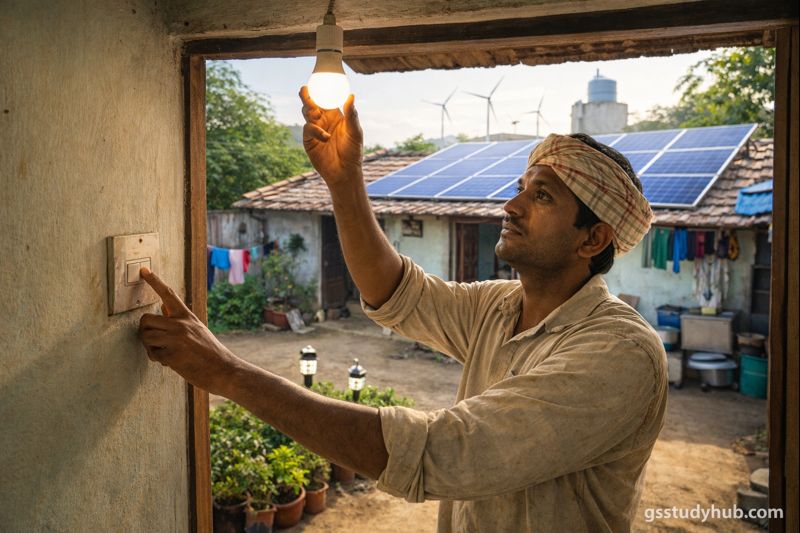
- LED Bulbs: Replaced traditional bulbs with LED lights, which consume less electricity and last much longer.
- Solar Lights: Installed solar lights in the courtyard and on the rooftop, reducing dependence on grid electricity during the night.
- Energy-Saving Habits: Turning off unused lights and appliances, using natural daylight whenever possible, and being mindful of overall power consumption.
These steps showed me that saving energy not only benefits the environment but also lowers household expenses.
Efforts to Spread Awareness in the Community
After experiencing positive results, I began sharing my journey with others. Through conversations with family members, friends, and neighbors, I explained how simple actions can lead to meaningful change.
By giving real-life examples—such as reduced electricity bills and better lighting from solar and LED solutions—people became more interested. Gradually, several community members started adopting these practices themselves. This experience taught me that spreading awareness is a vital part of the energy transition.
- Durable and high-quality build
- Ideal for daily use
- Trusted Amazon seller
- Great value for money
Benefits of Energy Transition
Energy transition is not limited to changing how electricity is produced; it brings wide-ranging benefits for society, the economy, and the environment. Moving from fossil fuels to renewable energy creates positive impacts that improve everyday life and secure a healthier future for generations to come.
- Lower Electricity Bills: Renewable energy sources such as solar and wind have very low operating costs once installed. This helps reduce long-term electricity expenses for households, businesses, and communities.
- Cleaner Environment: Renewable energy produces little to no air pollution or harmful emissions. This reduces environmental damage, slows climate change, and protects natural ecosystems.
- New Employment Opportunities: The growth of renewable energy projects creates jobs in manufacturing, installation, maintenance, and research, supporting economic development.
- Better Public Health: Lower pollution levels lead to fewer respiratory and heart diseases, improving overall quality of life and reducing healthcare costs.
Looking Toward the Future
When I imagine India and the world 10 to 20 years from now, I see a future where energy is clean, sustainable, and accessible to all. Renewable energy sources such as solar, wind, and hydropower will become the backbone of everyday life. Rooftop solar panels, community microgrids, and smart energy systems will be common in both rural and urban areas.
I strongly believe that India will play a leading role in this transformation. With its large population, growing technological capacity, and innovative spirit, the country has the potential to become a global hub for renewable energy. This progress will not only reduce carbon emissions but also create millions of new jobs and strengthen economic growth.
At the global level, nations will increasingly cooperate to share clean energy technologies and best practices. Instead of competing over limited fossil fuel resources, countries will focus on partnerships that promote sustainability and peace.
If we make the right choices today and take consistent small steps, we can ensure that future generations inherit a planet where development and nature exist in harmony.
Conclusion
Energy transition is not the responsibility of governments and large corporations alone—it is a shared responsibility of every individual. My journey has taught me that meaningful change always begins with ourselves. When we make small, positive changes in our daily habits, they gradually come together to create a powerful and lasting impact.
Today, we have the technology, knowledge, and resources needed to adopt clean and sustainable energy solutions. What we need most is awareness, willingness to choose better options, and the commitment to inspire others to do the same.
By adopting simple measures such as solar lighting, LED bulbs, and energy-saving practices, you can help secure your own future while contributing to a healthier planet for generations to come.
Take one small step today—because that single step can become the foundation of a much bigger change tomorrow.
Frequently Asked Questions (FAQ)
What is the biggest benefit of energy transition?
The biggest benefit of energy transition is that it creates long-term positive impacts on the environment, the economy, and society. By shifting to renewable energy sources, air pollution and carbon emissions are significantly reduced, which helps slow down climate change and protect natural ecosystems.
From an economic perspective, energy transition reduces dependence on imported fossil fuels, saving foreign exchange and improving national energy security. It also stimulates investment in clean technologies and creates new job opportunities at local, regional, and national levels. Over time, renewable energy systems can lower electricity costs for consumers, making energy more affordable and accessible.
Can ordinary people also contribute to energy transition?
Yes, ordinary people play a crucial role in the success of energy transition. This process is not limited to governments or large corporations—individual actions matter greatly.
Simple steps such as using LED bulbs, installing solar lights or rooftop solar panels, choosing energy-efficient appliances, and turning off unused devices can significantly reduce energy consumption and promote clean energy.
In addition, when people share their experiences and raise awareness within their families, workplaces, and communities, the impact multiplies. Together, these small individual efforts build strong momentum toward a cleaner and more sustainable energy future.
References
The following books, reports, research papers, and reliable online sources were consulted during the preparation of this article. These sources provide valuable insights into energy transition, renewable energy, and climate change.

- Trusted by thousands of readers
- High-quality content
- Ideal for exam preparation
- Great value for money
- International Energy Agency (IEA) – Global energy outlook reports
- Ministry of New and Renewable Energy (MNRE), Government of India
- United Nations Environment Programme (UNEP)
- World Bank – Energy transition reports
- Academic journals on clean energy technologies
Readers are encouraged to explore the official publications and websites of these organizations for the most recent and detailed information.