
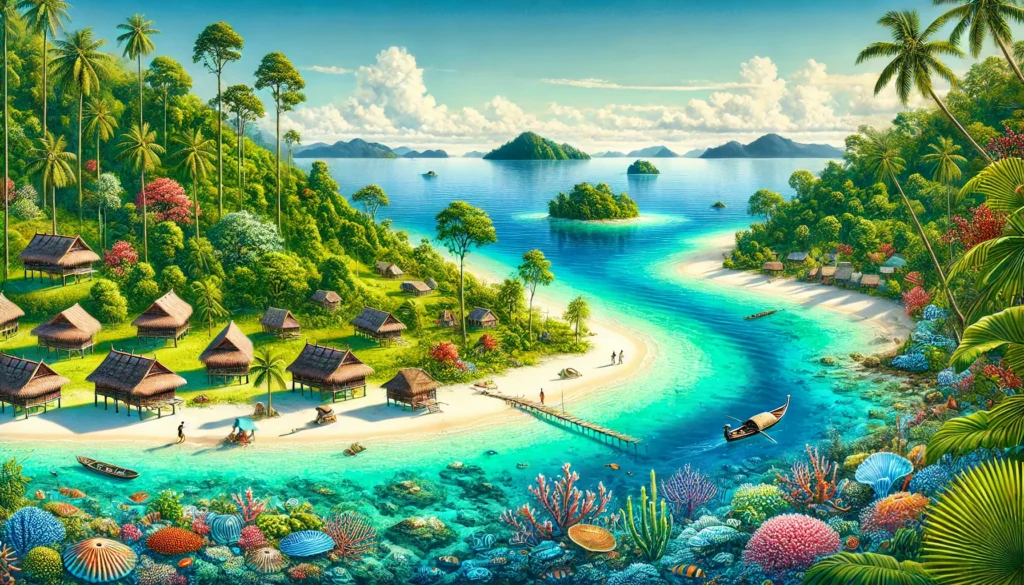
Andaman and Nicobar Islands — A Jewel of Nature, Culture & History
Introduction
The Andaman and Nicobar Islands are a union territory of India located between the Bay of Bengal and the Andaman Sea. Known for unique natural beauty, rich cultural diversity and significant history, these islands are a living reminder of nature’s grandeur and our responsibility to protect it.
Geographical Location
Situation
This archipelago lies to the south-east of the Indian subcontinent. It is composed of 572 islands, of which only 37 are inhabited.
Division
- Andaman Islands: North, Middle and South Andaman.
- Nicobar Islands: A group of about 19 islands.
Area & Capital
The total area is approximately 8,249 square kilometres. The administrative capital of the territory is Port Blair.
History
Ancient Period
The islands are among the oldest sites of human habitation in the region. Several tribal groups have lived here for thousands of years with distinct cultures and lifeways.

Colonial Period
The British established their presence in the islands from the late 18th century. The infamous Cellular Jail (Kala Pani) in Port Blair was used to imprison many freedom fighters.
Contribution to the Freedom Movement
In 1943, Netaji Subhash Chandra Bose hoisted the tricolour in the islands and declared them part of free India — an event remembered as an important chapter in the islands’ modern history.
Demographics & Culture
Population & Languages
As per the 2011 census the total population is roughly four lakh. Major languages spoken include Hindi, Bengali, Tamil, Telugu, Malayalam and indigenous Nicobarese languages.
Indigenous Communities
The islands are home to several tribal groups such as the Great Andamanese, Onge, Jarawa and Shompen. These communities have traditional lifestyles and cultural practices that are both ancient and fragile.
Religion
The religious fabric includes Hinduism, Christianity, Islam and other faiths, reflecting a multicultural population.
Natural Resources & Biodiversity
Forests & Environment
Around 86% of the islands’ area is covered by forests, including tropical rainforests that support complex ecosystems.
Unique Flora & Fauna
The islands host unique species such as sea turtles, salt-water crocodiles and many endemic birds and plants. Several marine and terrestrial protected areas conserve these species.
National Parks & Sanctuaries
- Mahatma Gandhi Marine National Park
- Rani Jhansi Marine National Park
Tourism
The Andaman and Nicobar Islands are internationally famous for pristine beaches, clear waters, sea sports and historic sites.
Major Tourist Places
- Radhanagar Beach
- Cellular Jail
- Chidiya Tapu
- Baratang Island
Water Sports
Popular activities include scuba diving, snorkeling and kayaking — experiences that showcase rich marine life and coral reefs.
Major Islands to Visit
- Havelock Island (Swaraj Dweep)
- Neil Island (Shaheed Dweep)
Economy
Main Industries
The economy depends largely on tourism, agriculture and fishing.
Agricultural Products
Common agricultural products include coconut, betel nut (areca) and rice.
Primary Income Sources
Tourism and sustainable use of natural resources are the major sources of income for the islands.
Key Challenges
Natural Disasters
The islands are vulnerable to earthquakes and tsunamis. The 2004 tsunami caused severe damage and remains a stark reminder of the region’s geophysical risks.
Tribal Protection
Preserving the integrity and safety of indigenous communities is a major challenge as outside influences increase.
Environmental Protection
Tourism and development can threaten fragile ecosystems; responsible and regulated tourism practices are essential.
Distinctive Features
Cellular Jail — Historical Importance
Known as "Kala Pani", Cellular Jail is a key monument connected with India’s freedom struggle and is a place of remembrance for many patriots who suffered there.
Ancient Indigenous Culture
The islands host some of India’s most ancient tribal communities whose customs and knowledge are of immense anthropological value.
Natural Beauty
Lush forests, blue seas, coral reefs and tranquil beaches together create an almost pristine natural environment that attracts travellers and researchers alike.
My Learnings & Reflections
Visiting and studying the Andaman and Nicobar Islands repeatedly emphasizes three lessons: (1) the urgency of conserving fragile ecosystems, (2) the need to respect and protect indigenous communities, and (3) that sustainable tourism — when properly managed — can support local livelihoods while safeguarding nature. These learnings shape how I view travel and environmental responsibility.
Conclusion
The Andaman and Nicobar Islands are a precious jewel of India for their natural, cultural and historical heritage. It is our collective responsibility to preserve and enhance this region so that its beauty and uniqueness remain for future generations.
Further Reading & Internal Link
Explore more on travel, conservation and India’s island destinations:
FAQ — Frequently Asked Questions
What is the best time to visit the Andaman and Nicobar Islands?
The best time to visit is generally from October to May when the weather is pleasant and sea conditions are favourable for water sports and island travel.
How many islands are there and how many are inhabited?
The archipelago comprises 572 islands, of which around 37 are inhabited.
Which are the must-visit islands and sites?
Must-visit places include Radhanagar Beach, Havelock Island (Swaraj Dweep), Neil Island (Shaheed Dweep), Cellular Jail in Port Blair, Baratang Island and Chidiya Tapu.
Are the islands safe for tourists?
Generally yes, but visitors should follow local rules, be mindful of ecological restrictions, heed weather advisories (especially during monsoon), and avoid visiting restricted tribal areas to respect indigenous communities and legal protections.
How does tourism impact the local environment and communities?
While tourism is a major income source, it can strain natural resources and affect tribal lifestyles if unregulated. Sustainable tourism practices, strict waste management and respect for protected zones are essential.
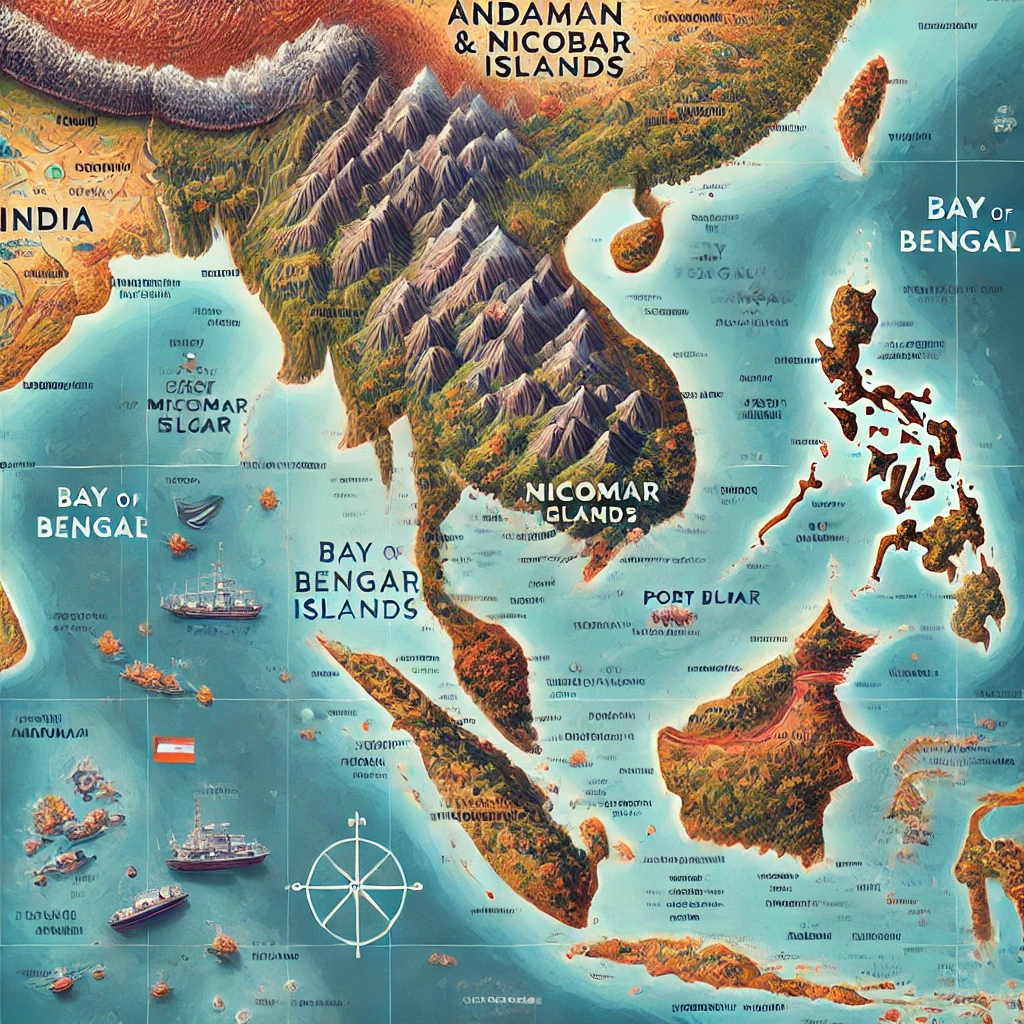
Geographical Location of Andaman and Nicobar Islands
The Andaman and Nicobar Islands are a unique and strategically important part of the Indian subcontinent. Their geographical location makes them not only a center of natural beauty but also crucial in terms of maritime trade, ecology, and national security.
Location and Boundaries
Situation
This vast archipelago is located in the south-east of India between the Bay of Bengal and the Andaman Sea. Geographically, it acts as a natural bridge between South-East Asia and India.
Longitude and Latitude
- Latitudinal extent: 6° N to 14° N
- Longitudinal extent: 92° E to 94° E
- The proximity to the equator results in a tropical climate.
Boundaries
- North: Myanmar (Burma)
- South: Indonesia
- West: Bay of Bengal
- East: Andaman Sea
Major Geographical Features
Group of Islands
Out of the 572 islands of this archipelago, only 37 islands are inhabited. The territory is divided into two major island groups:
Andaman Islands
- Includes North, Middle, and South Andaman.
- Port Blair, the capital, is located in South Andaman.

Nicobar Islands
- Consists of 19 islands.
- Major islands include Car Nicobar and Great Nicobar.
- Indira Point, India’s southernmost tip, lies in Great Nicobar.
Structures of Water
- 10 Degree Channel: Separates the Andaman and Nicobar groups.
- Great Channel: Lies between Great Nicobar and Indonesia.
Beaches and Coral Reefs
The islands are known for their white sand beaches and coral reefs, making them highly attractive to tourists.
Mountain and Geomorphological Features
Mountains and Hills
Formed by ancient volcanic activity, the islands feature several hills and elevated regions.
- Saddle Peak: The highest point in Andaman, located in North Andaman (732 m).
Volcano
India’s only active volcano, the Barren Island Volcano, is located in the Andaman group.
Lakes and Mangrove Forests
These islands contain freshwater bodies and some of India’s most extensive mangrove forests, supporting rich biodiversity.
Climate and Ecology
Climate
- Tropical climate throughout the year
- Hot and humid conditions are common
Monsoon
- South-West Monsoon: May to September
- North-East Monsoon: November to December
Ecology
- One of India’s richest biodiversity zones
- About 86% of the land is covered with dense forests
- Coral reefs and seagrass meadows form important marine ecosystems
Strategic Importance
Geographic Advantage
The islands hold immense strategic value because of their proximity to the Bay of Bengal, the Strait of Malacca, and the South China Sea — some of the world’s busiest maritime routes.
Navy and Security
The islands host India’s only Tri-Services Command, which coordinates operations of the Army, Navy, and Air Force. This makes the region vital for national defense and maritime security.
In Short
The geographical location of the Andaman and Nicobar Islands makes them a strategic and cultural bridge between India and South-East Asia. The region is rich in natural resources, biodiversity, and marine ecology, while also being a critical hub for India's maritime security.
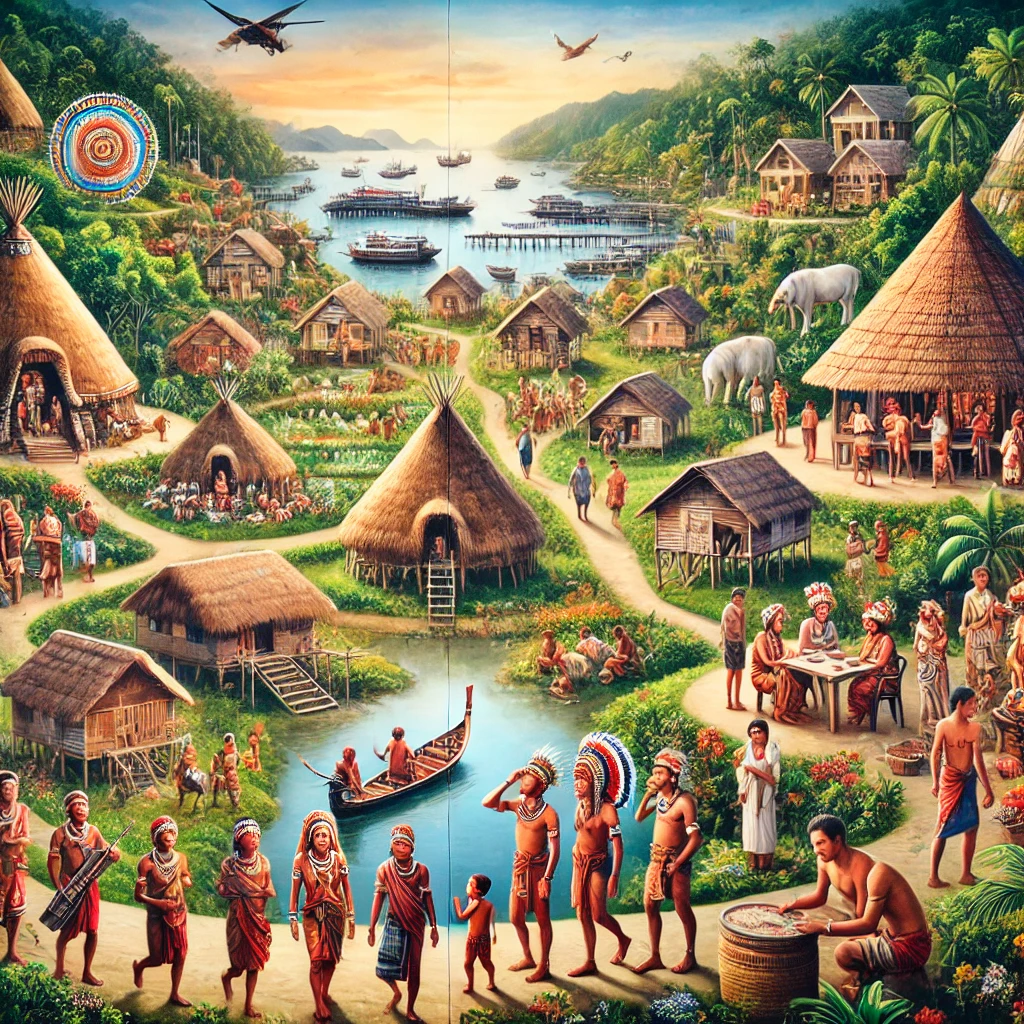
History of the Andaman and Nicobar Islands
The history of the Andaman and Nicobar Islands stretches from ancient human civilization to the freedom struggle of modern India and into the present era. Along with their natural beauty and strategic importance, these islands have witnessed several major historical events over thousands of years.
Ancient History
Beginning of Human Settlement
- Human presence in the Andaman and Nicobar Islands dates back nearly 30,000 years.
- Indigenous tribes such as the Great Andamanese, Onge, Jarawa, and Shompen have inhabited these islands since ancient times.
- These groups traditionally lived as hunter-gatherers.
Indian and Southeast Asian Influences
- Mentions of these islands are found in ancient Indian texts as well as Southeast Asian literature.
- The islands appear in the context of sea expeditions in epics like the Ramayana and the Mahabharata.

Medieval History
Importance on the Maritime Trade Route
- The islands lay along a major maritime route between India and Southeast Asia.
- Arab, Malay, and Chinese traders frequently visited the region.
Foreign Influence
- Malay kingdoms and the Chola Empire had trade and navigational links with these islands.
- The region remained an area of limited but significant external contact.
Colonial Period (17th – 19th Centuries)
Dutch and British Presence
- The Dutch expressed interest in the islands during the 17th century.
- In 1789, the British East India Company attempted to establish a settlement.
British Occupation and Cellular Jail
- In 1858, the British took full control and made Port Blair their administrative centre.
- The infamous Cellular Jail, also called Kala Pani, was constructed to imprison Indian freedom fighters.
- Notable patriots such as Veer Savarkar were jailed here.
Oppression and Tribal Life
- During British rule, many indigenous groups faced exploitation and displacement.
- Their traditional way of life was severely disrupted.
Contribution to the Freedom Struggle
Centre of Nationalist Movement
By the early 20th century, the islands had become a significant centre of India's independence movement. The Cellular Jail emerged as a powerful symbol of the sacrifices of countless freedom fighters.
Subhash Chandra Bose and Azad Hind Fauj
- In 1943, Netaji Subhash Chandra Bose, with the support of the Japanese Army, took control of the islands.
- He hoisted the Indian national flag here, renaming the islands "Shaheed" and "Swaraj".
- This event marked the first territory of India to be declared independent from British rule.
Modern History (After 1947)
India’s Integration
- After Independence in 1947, the islands became part of the Republic of India.
- In 1956, they were officially designated as a Union Territory.
Strategic Importance
- Over the decades, the islands developed into a strategically vital region for India.
- The Indian Navy established major operational bases, enhancing maritime security.
Natural Disasters
- The 2004 tsunami caused massive destruction across the islands.
- Large-scale reconstruction and development efforts followed the disaster.
Importance of Historical Sites
Cellular Jail
The Cellular Jail remains a national monument and a powerful symbol of India's freedom struggle. Its architecture and the stories of sacrifice continue to inspire millions.
Netaji Subhash Chandra Bose Island
Formerly known as Ross Island, this site carries deep historical significance due to Netaji’s role and the establishment of the Azad Hind administration.
Summary
The history of the Andaman and Nicobar Islands reflects human perseverance, cultural evolution, struggle, and sacrifice. These islands played a crucial role in India’s independence movement and today stand as an enduring symbol of pride, heritage, and resilience.
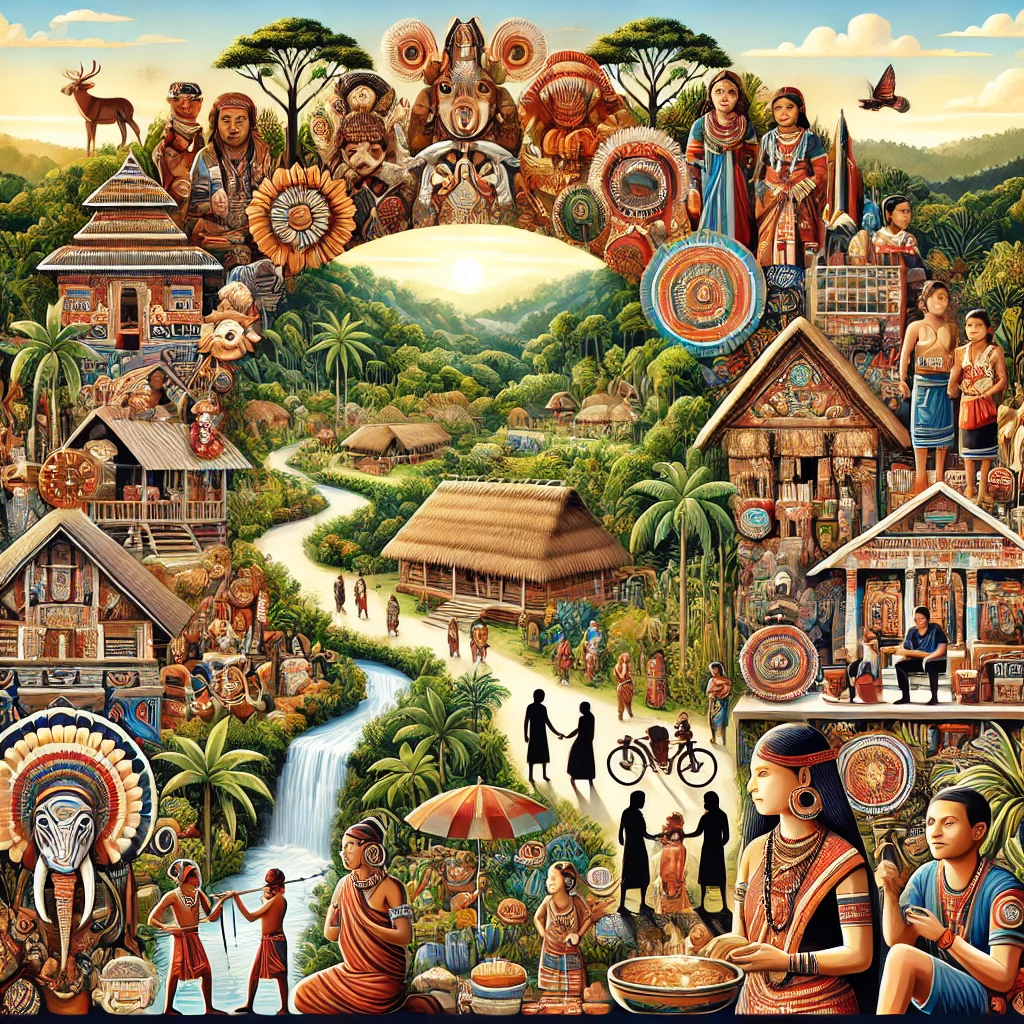
Andaman and Nicobar Islands: Demographics and Culture
The Andaman and Nicobar Islands are known for their diverse population, ancient tribal communities, and unique cultural heritage. The region’s demography includes both indigenous tribes and migrant communities, making it culturally distinct from mainland India.
Demographics
Population
Total Population
- According to the 2011 Census, the total population is approximately 3.8 lakh.
- Most people live in the Andaman Islands, while the Nicobar Islands have comparatively fewer inhabitants.
Density
- Population density: 46 persons per square kilometer, much lower than the national average.
- The low density is due to dense forests, reserves and protected areas.
Sex Ratio
- 878 women per 1000 men — slightly lower compared to many regions of India.
Urban and Rural Population
- About 32% of residents live in urban areas, mainly in and around Port Blair.
- The remaining 68% live in rural regions.
Languages
The islands display rich linguistic diversity.
Official Languages
- Hindi
- English
Other Common Languages
- Bengali
- Tamil
- Telugu
- Malayalam
- Punjabi

Tribal Languages
- Jarawa
- Onge
- Nicobari
- Shompen
Most tribal languages are orally transmitted and have limited written forms.
Religion
Main Religions
- Hindu (about 70%)
- Christian (21%)
- Muslim (8%)
Religion of Tribal Communities
Indigenous communities practice forms of nature worship and traditional belief systems that honor forests, mountains, ancestors and the sea.
Tribes of Andaman and Nicobar Islands
The Andaman and Nicobar Islands are home to some of the world's oldest human populations, with tribal groups whose lineages date back thousands of years.
Tribes of the Andaman Islands
Great Andamanese
Once the largest tribal group, their population has drastically declined and is now only a few dozen.
Jarawa
Live in South and Middle Andaman. Their interaction with the outside world remains restricted.
Onge
A small tribe living primarily in South Andaman.
Sentinelese
Residents of North Sentinel Island, they remain completely isolated and avoid all external contact.
Tribes of the Nicobar Islands
Nicobarese
The largest tribal group in the Nicobar region. Their livelihood is based on agriculture, coconut plantations and fishing.
Shompen
A small, forest-dependent tribe living in Great Nicobar; they rely on hunting and traditional practices.
Culture
Cultural Diversity
With a mix of tribal traditions and migrant communities, the Andaman and Nicobar Islands maintain a vibrant cultural identity.
Tribal Culture
- Traditional dance, music and art
- Deep respect for nature and wildlife
- Use of traditional weapons such as bows and arrows
Diaspora Culture
- Communities from Bengal, Tamil Nadu, Andhra Pradesh, Kerala and Punjab contribute to cultural diversity.
- Cultural practices blend Indian mainland festivals with local customs.
Folk Dance and Music
Dance
Traditional dances reflect tribal lifestyles and their close connection with nature. The Nicobari dance is the most popular, performed during festivals and social gatherings.
Music
Music is based on traditional instruments including drums, flutes and percussion instruments.
Food
Main Dishes
- Rice
- Fish and seafood
- Coconut-based curries and dishes
Tribal Food
- Wild fruits
- Honey
- Non-vegetarian traditional preparations
Festivals and Celebrations
Major Festivals
- Diwali
- Durga Puja
- Eid
- Christmas
Local Festivals
- Nicobari Festival: Celebrated with dance, music and traditional sports.
- Tribal festivals related to harvest, nature and seasonal changes.
Modern Culture and Outside Influences
Education and Modernity
Education, urbanization and modern exposure have gradually influenced tribal life and introduced new cultural elements.
Tribal Protection
The Indian government enforces strict laws to protect tribal communities, their land, and their cultural practices from external interference.
Conclusion
The demography and culture of the Andaman and Nicobar Islands form a unique identity. The region beautifully blends traditional tribal customs with modern cultural elements brought by migrant communities. With such diverse coexistence, the islands represent a true example of India’s unity in diversity.
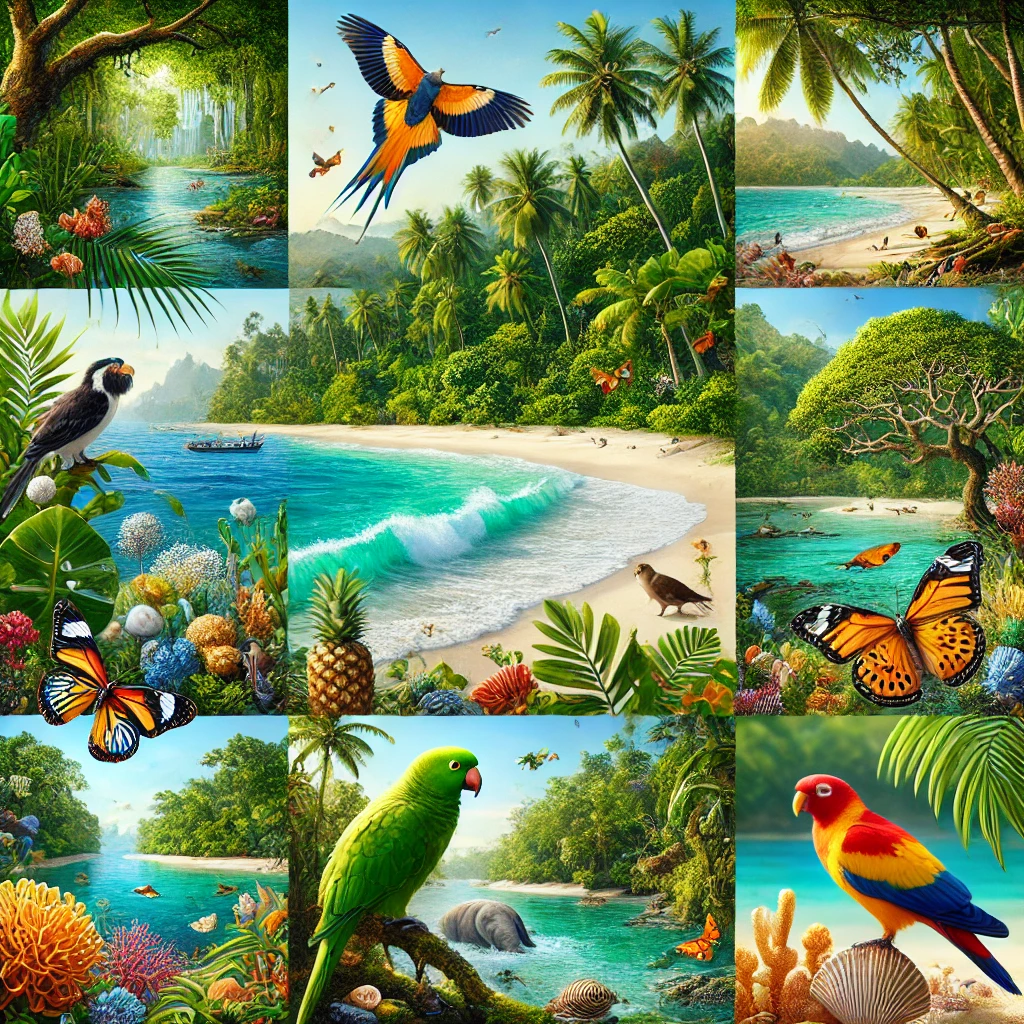
Natural Beauty and Biodiversity of Andaman and Nicobar Islands
The Andaman and Nicobar Islands are a paradise for nature lovers and biodiversity researchers. Dense tropical forests, clear blue seas, coral reefs, rich marine life and unique flora make this region a major attraction for tourists as well as scientists.
Natural Beauty
1. Geography of the Islands
Beaches
- White-sand beaches such as Radhanagar Beach (Havelock Island) are among the most beautiful in the world.
- Calm, clear waters make the beaches ideal for swimming, diving, and snorkeling.
Mountains and Hills
- Saddle Peak (732 m) — the highest point in North Andaman, surrounded by dense forests.
Lakes and Water Sources
- Natural lakes and freshwater streams occur throughout the islands.
- Coral-adorned marine structures enhance the scenic landscape.
10 Degree Channel
The famous 10 Degree Channel divides the Andaman Islands from the Nicobar group.
2. Coral Reefs and Marine Beauty
Coral Reefs
- Some of India’s richest coral reefs are found here.
- Reefs support marine life including fish, sea turtles and seagrass meadows.
Volcanic Islands
- Barren Island: India’s only active volcano, offering a unique natural landscape.
- Narcondam Island: A dormant volcanic island, environmentally significant.
Diving and Snorkeling
The crystal-clear waters of the Andaman Sea provide perfect conditions for scuba diving and snorkeling, allowing visitors to observe vibrant coral reefs and colorful fish species.

Biodiversity
1. Diversity of Forests
Tropical Forests
- About 86% of the land is covered with dense forests.
- Vegetation includes tropical evergreen, semi-evergreen and mangrove forests.
Mangrove Forests
- Andaman and Nicobar have the largest mangrove coverage in India.
- Mangroves are crucial for marine ecosystems and shoreline protection.
Wildlife Conservation Areas
- Mahatma Gandhi Marine National Park
- Saddle Peak National Park
- Great Nicobar Biosphere Reserve
2. Flora
Endemic Species
- Many plant species are unique to the islands.
- Examples include the Pitcher Plant (carnivorous).
Other Major Vegetation
- Coconut trees
- Betel nut trees
- Bamboo
- Rare orchids
3. Fauna
Terrestrial Animals
- Deer, wild boars and rhesus monkeys inhabit forested regions.
Endemic Species
- Andaman turtles
- Andaman wild cats
Bird Life
- Narcondam Hornbill — found only on Narcondam Island.
- White-bellied sea eagle
- Various seabirds and forest birds
Marine Life
- Dolphins, sea turtles and colorful fish species are common around coral reefs.
- Dugongs (sea cows) — a rare marine mammal found in this region.
Reptiles and Amphibians
- Crocodiles
- Sea snakes
- Geckos and lizards
4. Endemic and Threatened Species
Endemic Species
- Andaman Wood Pigeon
- Nicobar Megapode
Threatened Species
Many species are endangered due to deforestation, climate change and habitat loss.
Ecology and Conservation
Environmental Challenges
- The 2004 tsunami and rising sea levels severely affected biodiversity.
- Increasing deforestation and urbanization threaten ecological balance.
Conservation Measures
- Establishment of national parks, biosphere reserves and marine sanctuaries.
- Strict wildlife conservation laws.
- Protection of tribal rights and traditional ecological knowledge.
Summary
The Andaman and Nicobar Islands are world-famous for their natural beauty and exceptional biodiversity. From pristine beaches to volcanic islands and rare wildlife, the region forms a unique ecological system. Conserving these islands is vital not only for India but also for maintaining global environmental balance.
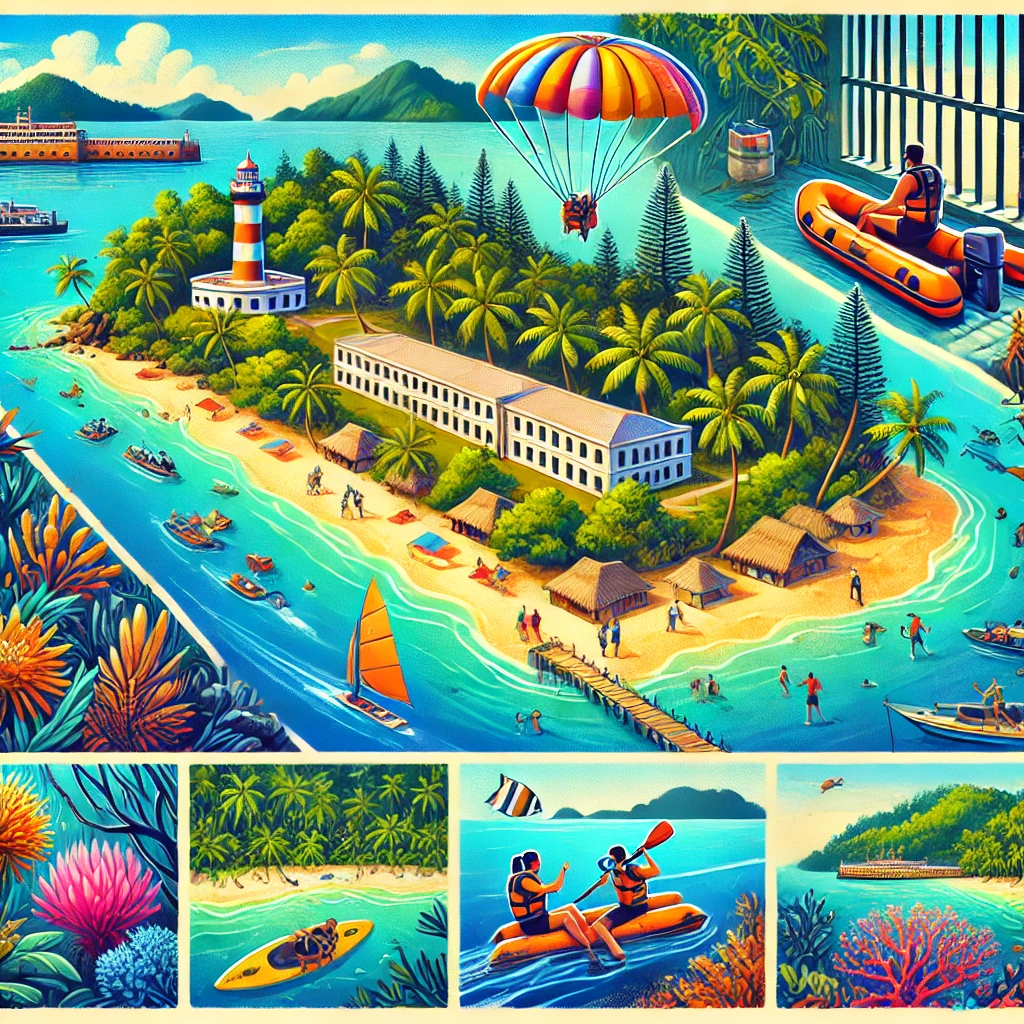
Tourism in Andaman and Nicobar Islands
Tourism in the Andaman and Nicobar Islands is famous for its beautiful beaches, blue seas, dense forests, water sports and rich cultural heritage. The serene atmosphere, historical attractions and adventurous activities make the islands appealing for all categories of tourists.
Tourist Spots
1. Major Sites of Andaman Islands
1.1 Port Blair (Capital)
- Cellular Jail: Also known as “Kala Pani”, it symbolizes India’s freedom struggle. The Light and Sound Show narrates stories of sacrifice.
- Rajiv Gandhi Water Sports Complex: Offers jet skiing, boating and parasailing.
- Chatham Saw Mill: One of Asia’s oldest and largest timber mills.
1.2 Havelock Island (Swaraj Island)
- Radhanagar Beach: Counted among the most beautiful beaches in Asia.
- Elephant Beach: Popular for snorkeling and scuba diving.
- Mangrove Kayaking: Offers a thrilling experience through mangrove forests.
1.3 Neil Island (Shaheed Island)
- Laxmanpur Beach: Famous for its spectacular sunset views.
- Bharatpur Beach: Known for colorful coral reefs and marine life.
1.4 Baratang Island
- Limestone Caves: Naturally formed rock structures.
- Mud Volcano: A rare geological formation.
- Mangrove Creek Safari: Scenic boat ride through mangrove forests.
1.5 Barren Island
- Home to India’s only active volcano.
- Accessible only by sea or air.
2. Major Sites of Nicobar Islands
2.1 Great Nicobar Island
- Indira Point: Southernmost point of India.
- Great Nicobar Biosphere Reserve: Rich in biodiversity.
2.2 Car Nicobar
- Known for serene beaches and lush coconut groves.
- Limited access, preserved tribal culture.
Tourism Activities
1. Water Sports
- Scuba Diving: Experience coral reefs and marine life.
- Snorkeling
- Jet Skiing & Banana Boat Rides
- Glass Bottom Boat Ride: View underwater life without diving.
- Sea Walking: Walk on the seabed with safety gear.
2. Trekking
- Saddle Peak Trek: Passes through dense forests and hills.
- Mangrove Trails: Nature walks through mangrove ecosystems.
3. Kayaking & Bird Watching
Popular around mangrove creeks and forested areas.
4. Fishing
Sport and deep-sea fishing options are available.
5. Light & Sound Show
The Cellular Jail show narrates stories of India's freedom struggle.
Characteristics of Tourism
1. Nature-Based Tourism
White beaches, coral reefs and green forests offer peace and natural beauty.
2. Cultural Tourism
Unique traditions of Nicobari and Shompen tribes, local handicrafts and folk culture.
3. Adventure Tourism
Diving, trekking, kayaking and sea walks.
4. Historical Tourism
Cellular Jail and World War II relics attract history enthusiasts.
Promotion of Tourism by the Government
- Improved road, ferry and air connectivity.
- Visa-on-Arrival for international tourists.
- Plastic ban to protect the environment.
- Conservation of tribal culture and biodiversity.
Summary of Tourism
Tourism in the Andaman and Nicobar Islands is a wonderful blend of natural, cultural and historical attractions. From scuba diving to serene beaches and rare wildlife, the islands appeal to every kind of traveler while promoting environmental awareness.
Economic Condition of Andaman and Nicobar Islands
The economy of the Andaman and Nicobar Islands is mainly based on natural resources and tourism. Despite geographical limitations, the region’s biodiversity, marine resources and tourism industry make it economically significant.
Economic Activities
1. Agriculture
- Main activity: A majority of people depend on agriculture.
- Crops: Coconut, betel nut, rice, bananas, pepper, cloves.
- Challenges: Limited arable land and vulnerability to cyclones.
2. Fisheries
- Major economic activity in the Andaman Sea and Bay of Bengal.
- Products: Fish, shrimp, crabs, oysters.
- Challenges: Limited transport and processing facilities.
3. Tourism
- The largest source of revenue.
- Includes beaches, marine sports, historical sites, hotels, guides and transport.
- Government is improving tourism infrastructure.
4. Forest Products
- 86% of the islands are forest-covered.
- Products: Timber, bamboo, medicinal plants.
- Logging is restricted to protect the environment.
5. Marine Resources
- Activities include seaweed harvesting, pearl collection and coral craft.
- Boat-building is part of local tradition.
6. Industrial Activities
- Few heavy industries; mostly wood-based and coconut-processing units.
- Tourism and cottage industries are emerging sectors.
7. Trade and Commerce
- Local trade is based on agriculture and handicrafts.
- High dependence on mainland imports for food, fuel and construction materials.
- Exports include coconut, betel nut and marine products.
Government Schemes and Development Work
- Infrastructure development: ports, airports, roads.
- Renewable energy projects—solar and mini-hydro plants.
- Tourism promotion at international level.
- Training and modern equipment for farmers and fishers.
Summary of Economy
The economy of the Andaman and Nicobar Islands is primarily supported by agriculture, fisheries, tourism and forest resources. Although geographical challenges limit development, government initiatives and rising eco-tourism offer strong future potential.
Major Challenges of Andaman and Nicobar Islands
Despite natural beauty and strategic position, the islands face several social, environmental, economic and administrative challenges.
1. Geographical Challenges
1.1 Isolated Location
- Hundreds of kilometers away from mainland India.
- High transportation costs and difficulty in supply of essential goods.
1.2 Small and Scattered Islands
- Over 500 islands; only a few are inhabited.
- Uneven distribution of population and resources.
1.3 Natural Disasters
- Frequent cyclones, earthquakes, tsunamis and landslides.
- 2004 tsunami caused massive destruction.
2. Environmental Challenges
2.1 Deforestation
- Clearing land for timber, agriculture and construction.
- Threatens biodiversity.
2.2 Coral Reef Degradation
- Climate change, pollution and tourism-related damage.
- Affects marine life and fisheries.
2.3 Sea Level Rise
- Low-lying coastal villages at risk.
3. Social Challenges
3.1 Protection of Tribal Communities
- Tribes such as Jarawa, Shompen and Onge live in isolation.
- Outside influence can disrupt their traditional lifestyle.
3.2 Health and Education
- Limited hospitals and higher education institutions.
- Difficult to reach remote settlements.
3.3 Employment Opportunities
- Lack of large industries limits job opportunities.
- Youth migration increases.
4. Economic Challenges
4.1 Dependence on Imports
- High transport costs increase the price of essential goods.
4.2 Seasonal Tourism Dependency
- Tourism drops due to bad weather, natural disasters or pandemics.
4.3 Infrastructure Gaps
- Need better ports, roads, internet and electricity.
5. Administrative and Strategic Challenges
5.1 Border Security
- Close to international sea routes; risk of illegal fishing and smuggling.
5.2 Administrative Difficulties
- Geographical isolation complicates governance.
- Maintaining law and order is challenging.
Suggestions to Address Challenges
- Infrastructure Development: Ports, roads, airports, renewable energy.
- Environmental Protection: Strict rules to conserve forests and coral reefs.
- Protection of Tribal Communities: Respect autonomy and reduce outside interference.
- Economic Reforms: Promote agriculture, fisheries, cottage industries, and diversify beyond tourism.
- Education and Health: Build schools, hospitals, telemedicine and online learning.
- Security and Administration: Better maritime surveillance, decentralised services.
Conclusion
The Andaman and Nicobar Islands hold immense geographical, cultural and ecological value. Although the region faces significant challenges, sustainable development, environmental protection and preservation of tribal communities can ensure a bright future for the islands.
References
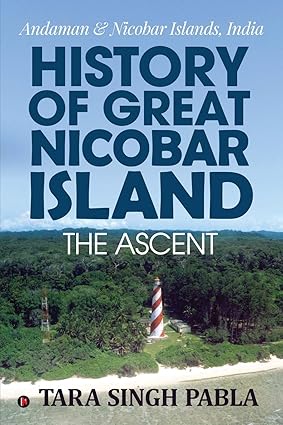
- Khullar, D. R. (2018). India: A Comprehensive Geography. Kalyani Publishers.
- Singh, R. L. (1971). India: A Regional Geography. National Geographical Society of India.
- Spate, O. H. K. & Learmonth, A. T. A. (1967). India and Pakistan: A General and Regional Geography. Routledge.