
Recommended Educational Resource
This resource may help students and readers looking for additional study support, learning material, and topic understanding.
View Details on Amazon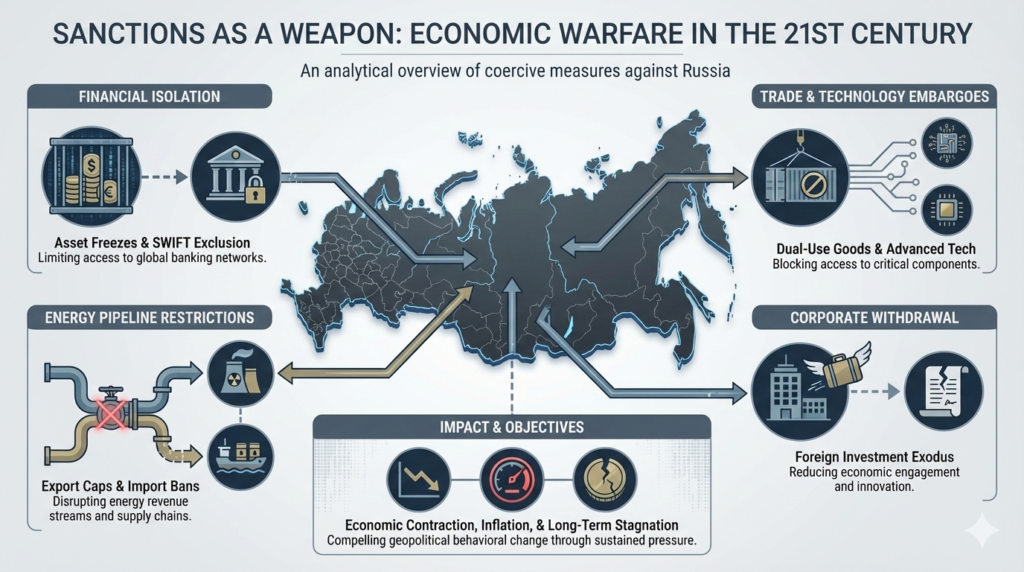
Causes of Russia–Ukraine War UPSC
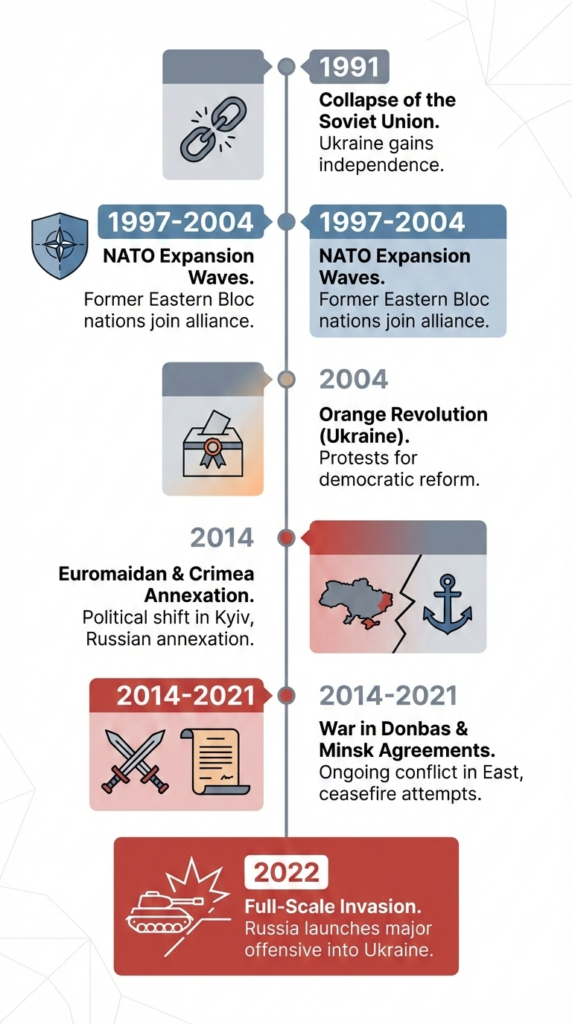
In February 2022, long-standing tensions between :contentReference[oaicite:1]{index=1} and :contentReference[oaicite:2]{index=2} reached a breaking point. What had existed for years as diplomatic confrontation, military posturing, and political warnings suddenly transformed into open warfare. The moment marked not only the beginning of a regional conflict, but also the start of a global geopolitical shock.
February 2022: When the World Stood Still
On 24 February 2022, Russian military forces crossed into Ukrainian territory from multiple directions. Within hours, images of missile strikes, military convoys, and civilians fleeing their homes dominated global media. Major cities such as Kyiv, Kharkiv, and Mariupol became symbols of resistance, fear, and uncertainty.

Recommended Educational Resource
This resource may help students and readers looking for additional study support, learning material, and topic understanding.
View Details on AmazonThe speed and scale of the invasion surprised much of the world. Despite months of warnings and intelligence assessments, many observers had hoped diplomacy would prevail. Instead, the outbreak of war shattered assumptions about European security and the post–Cold War order.
Governments reacted swiftly. Western countries imposed sweeping economic sanctions, froze assets, restricted trade, and increased military assistance to Ukraine. At the same time, global markets responded with volatility, reflecting fears of prolonged instability and escalation.
Media Coverage and the Global Psychological Impact
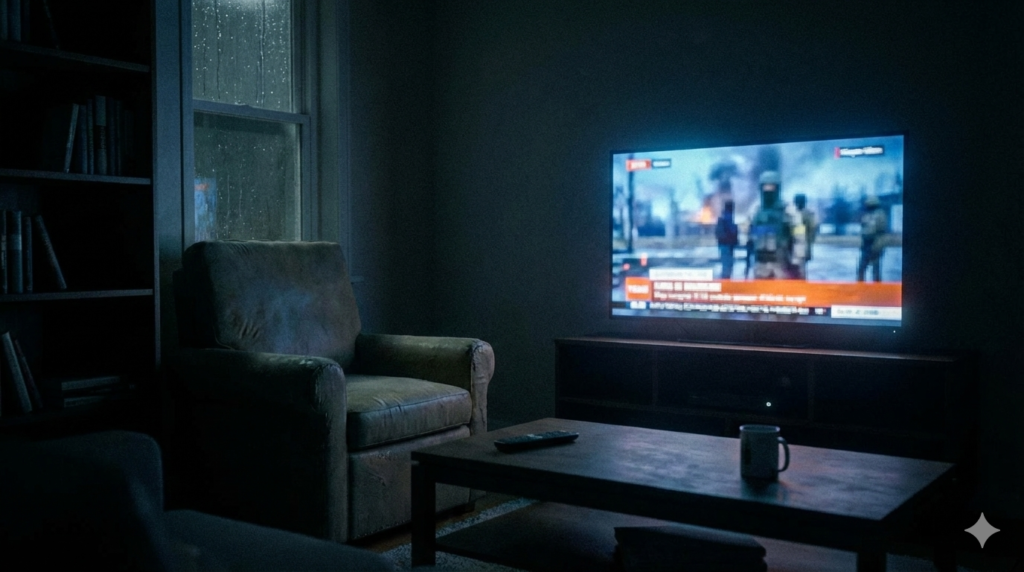
The Russia–Ukraine war unfolded in real time before a global audience. Through 24-hour news cycles, social media platforms, and live battlefield updates, the conflict entered living rooms across continents. For the first time in decades, a large-scale conventional war in Europe was witnessed almost instantly by billions of people.
This constant flow of information created a powerful psychological impact. Images of destroyed neighborhoods, displaced families, and ordinary citizens taking up arms blurred the line between distant geopolitics and personal reality. The war no longer felt abstract; it felt immediate, human, and deeply unsettling.
My Personal Reaction: Witnessing War from Afar
As I followed the news during those early days, I felt a mixture of disbelief and unease. This was not a historical documentary or a textbook chapter — it was happening in the present. The realization that a major war could erupt so suddenly made the world feel smaller and far more fragile.
What struck me most was how quickly normal life could be disrupted by decisions taken far away. I began to understand that war is never confined to borders. Its consequences travel through energy prices, economic uncertainty, political polarization, and a shared sense of anxiety about the future.
In that moment, the Russia–Ukraine war stopped being a distant international event for me. It became a reminder of how deeply interconnected our world is, and how the cost of conflict is ultimately paid not only by soldiers and states, but by ordinary people everywhere.
Global Impact of Russia–Ukraine War UPSC
The outbreak of the Russia–Ukraine war rapidly transformed from a regional conflict into a defining moment in global politics. Major powers across the world were compelled to respond, not only to the immediate military crisis, but also to the broader implications for international order, security norms, and the balance of power.
The United States and Europe: Sanctions, Support, and Strategy
The response of the :contentReference[oaicite:1]{index=1} and its European allies was swift and coordinated. Rather than engaging directly in combat, Western powers chose economic pressure and diplomatic isolation as their primary tools. Wide-ranging sanctions were imposed on Russia, targeting its banking system, energy exports, technology access, and key political elites.

Recommended Educational Resource
This resource may help students and readers looking for additional study support, learning material, and topic understanding.
View Details on AmazonFor the West, sanctions were not merely punitive measures; they were strategic instruments. The goal was to weaken Russia’s capacity to sustain a prolonged war while avoiding a direct military confrontation that could escalate into a wider conflict. At the same time, military and financial assistance to Ukraine increased significantly, reshaping the nature of modern proxy warfare.
Europe, particularly under the framework of the :contentReference[oaicite:2]{index=2}, faced a difficult dilemma. While committed to supporting Ukraine, many European states were deeply dependent on Russian energy supplies. The war forced Europe to rethink its energy security, strategic autonomy, and long-standing assumptions about stability on the continent.
China: Strategic Ambiguity and Long-Term Calculation
China’s response to the Russia–Ukraine war was notably cautious. Rather than openly siding with either party, :contentReference[oaicite:3]{index=3} adopted a position of strategic ambiguity. Chinese leaders emphasized principles such as sovereignty and peaceful resolution, while simultaneously avoiding direct condemnation of Russia.
This careful posture reflected China’s broader strategic calculations. On one hand, China was unwilling to jeopardize its partnership with Russia, which plays a key role in balancing Western influence. On the other hand, Beijing remained mindful of its economic ties with Europe and global markets, where instability and sanctions could have far-reaching consequences.
From a long-term perspective, the war provided China with valuable lessons. It exposed the power of economic sanctions, the vulnerabilities of interdependence, and the growing role of technology and finance in modern conflict. Rather than reacting emotionally, China appeared focused on observing, learning, and preparing for a future shaped by intensified great-power competition.
Together, the responses of the United States, Europe, and China revealed a critical reality: the Russia–Ukraine war was not only about territory or security, but about competing visions of global order. Each major power acted not just in reaction to events on the battlefield, but in alignment with its long-term strategic interests and perception of the world it seeks to shape.
Global Impact of the Russia–Ukraine War
While the fighting between Russia and Ukraine was geographically concentrated in Eastern Europe, its consequences spread rapidly across the world. The war disrupted global systems that had been built on economic interdependence, stable energy flows, and predictable supply chains. What followed was not only a humanitarian crisis, but a series of interconnected global shocks.
Energy Crisis and the Politics of Fuel
One of the most immediate global impacts of the war was the energy crisis. Russia had long been a major supplier of oil and natural gas, particularly to European countries. As sanctions were imposed and energy supplies were restricted, prices surged across international markets.
For Europe, the conflict exposed the risks of energy dependence. Governments were forced to seek alternative suppliers, invest in renewable energy, and reconsider long-term energy strategies. Beyond Europe, rising fuel prices affected transportation, manufacturing, and electricity costs worldwide, making energy a central political and economic issue.

Recommended Educational Resource
This resource may help students and readers looking for additional study support, learning material, and topic understanding.
View Details on Amazonglobal inflation and economic uncertainty
The energy shock quickly translated into global inflation. Higher fuel costs increased production and transportation expenses, which were passed on to consumers. Inflation rates rose sharply across developed and developing economies alike, placing pressure on household budgets and government finances.
Central banks faced difficult choices. Raising interest rates to control inflation risked slowing economic growth, while inaction threatened currency stability and purchasing power. The war highlighted how a regional conflict could destabilize the global economic system within months.
Food Security and the Weaponization of Grain
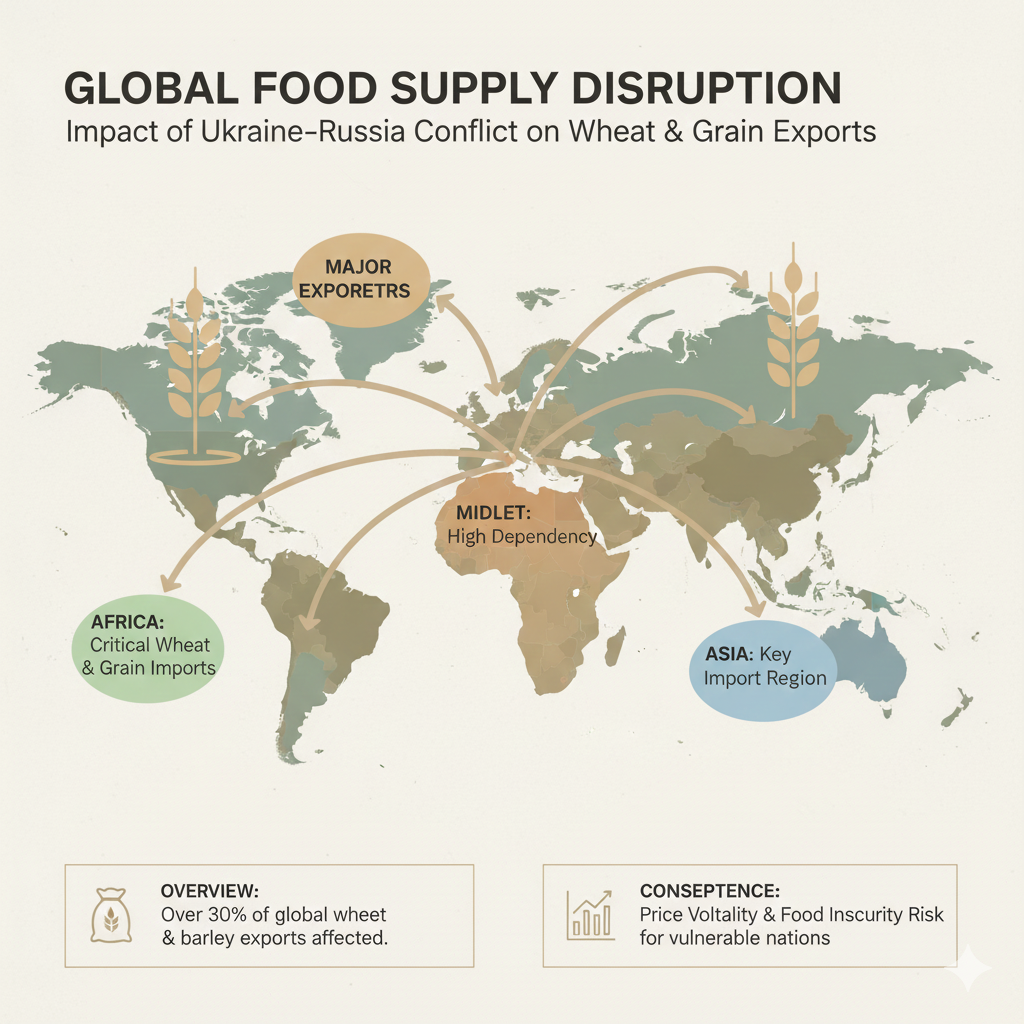
Russia and Ukraine are among the world’s largest exporters of wheat, corn, and sunflower oil. The disruption of agricultural production and export routes triggered a global food security crisis. Grain shortages and rising prices hit import-dependent countries hardest, particularly in Africa, the Middle East, and parts of Asia.
Food, once seen primarily as a humanitarian concern, became a strategic resource. The war demonstrated how control over agricultural supply chains could be used as a tool of geopolitical leverage, with profound consequences for vulnerable populations.
Impact on Developing Countries and the Global South
Many developing nations, including :contentReference[oaicite:1]{index=1}, found themselves navigating complex challenges. Although not directly involved in the conflict, these countries faced higher import bills, currency pressures, and difficult diplomatic choices.
For the Global South, the war reinforced a long-standing reality: global crises often impose disproportionate costs on those least responsible for them. Balancing national interests, economic stability, and diplomatic neutrality became an increasingly delicate task.
Shifts in Globalization and Supply Chains
Beyond immediate economic effects, the war accelerated deeper structural changes. Companies and governments began reassessing global supply chains, prioritizing resilience over efficiency. Concepts such as “friend-shoring” and strategic self-reliance gained renewed importance.
In this sense, the Russia–Ukraine war marked a turning point. It challenged the assumption that globalization alone could guarantee stability. Instead, it revealed a world moving toward fragmentation, where economics, security, and geopolitics are increasingly intertwined.
India’s Position on Russia–Ukraine War UPSC
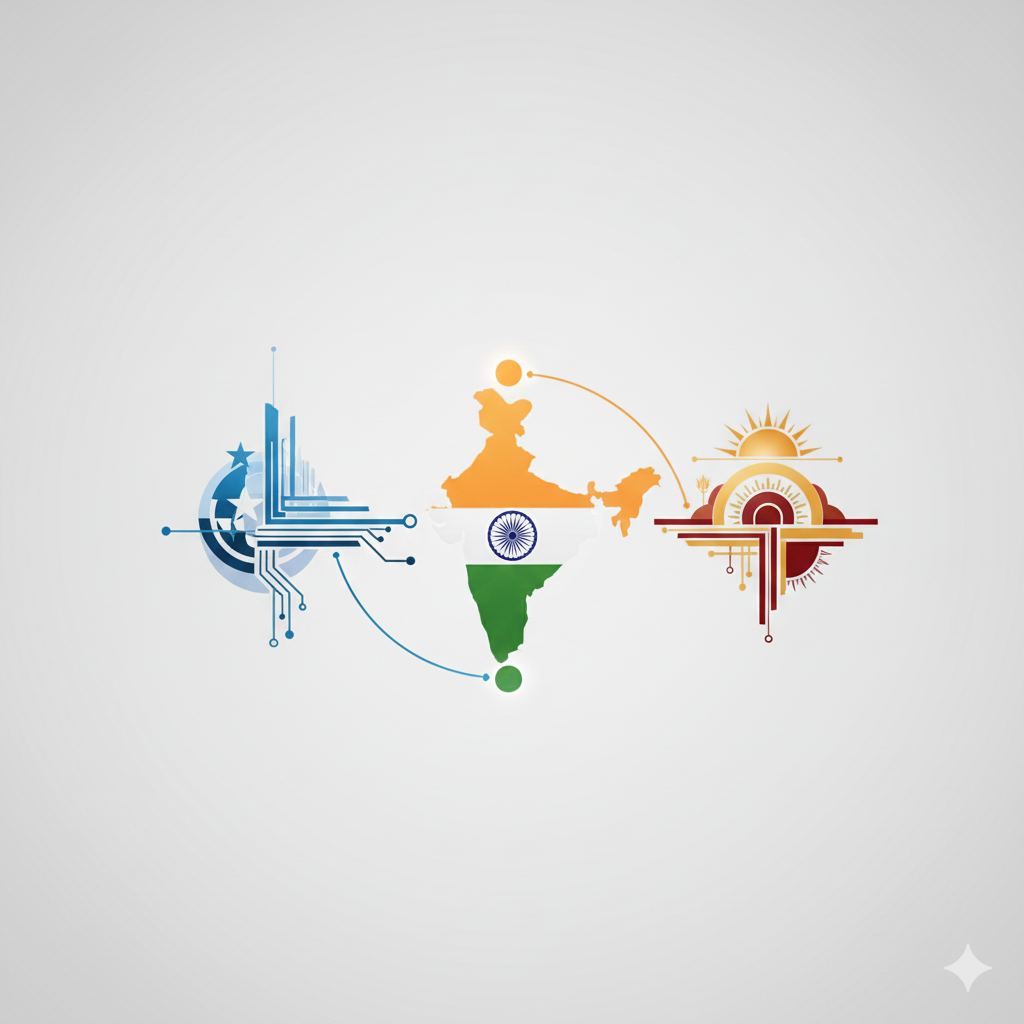
As the Russia–Ukraine war intensified global polarization, India’s response stood out for its balance and restraint. Rather than aligning fully with any single power bloc, India chose a path rooted in strategic autonomy, national interest, and diplomatic flexibility. This approach invited both praise and criticism, yet it reflected a deeper understanding of India’s role in an increasingly fragmented world order.
India’s Strategic Autonomy in a Polarized World
:contentReference[oaicite:1]{index=1} has historically followed a foreign policy tradition that values independence in decision-making. During the Russia–Ukraine war, India refrained from outright condemnation or endorsement, instead emphasizing dialogue, de-escalation, and peaceful resolution.
India’s stance was shaped by multiple realities. Russia has long been a key defense and energy partner, while Western countries remain crucial for trade, technology, and global cooperation. Choosing sides outright would have narrowed India’s strategic space and limited its ability to safeguard long-term national interests.
At international forums, India repeatedly highlighted the humanitarian consequences of the war and called for respect for sovereignty and international law. This measured approach reflected not indecision, but a conscious effort to navigate a complex geopolitical environment without sacrificing autonomy.
My Personal Learnings from India’s Approach
Observing India’s response to the war reshaped my understanding of what leadership means in global politics. I realized that neutrality is not the absence of values, but often the presence of responsibility. In a world driven by pressure and polarization, the ability to remain balanced requires clarity and confidence.
On a personal level, this conflict taught me that moral choices in international affairs are rarely simple or absolute. Idealism must coexist with realism. Just as nations must protect their people and interests, individuals too must learn to think critically rather than emotionally about complex global events.
Most importantly, I learned that silence is not always indifference, and restraint is not weakness. Sometimes, choosing not to escalate, not to provoke, and not to rush into alignment is itself a powerful statement. India’s approach reminded me that long-term wisdom often lies in patience, dialogue, and strategic calm.

Recommended Educational Resource
This resource may help students and readers looking for additional study support, learning material, and topic understanding.
View Details on Amazon