
Mizoram


Mizoram Land of Hills

Mizoram 2026: 15 Important Facts on Geography, Culture, Tourism & Economy

Are you preparing for UPSC, SSC, or other competitive exams and looking for a quick yet complete revision of Mizoram? Questions from North-East India are frequently asked, but finding clear and structured information can be challenging. In this article, we break down Mizoram’s geography, Culture, tourism, and economy into 15 important facts in a simple and easy-to-understand way. This guide will help you revise faster, understand key concepts, and boost your exam performance effectively.

Bihar is an important state of Indian Geography located in eastern India and known for its historical importance and cultural heritage.

Geographical Location of Mizoram

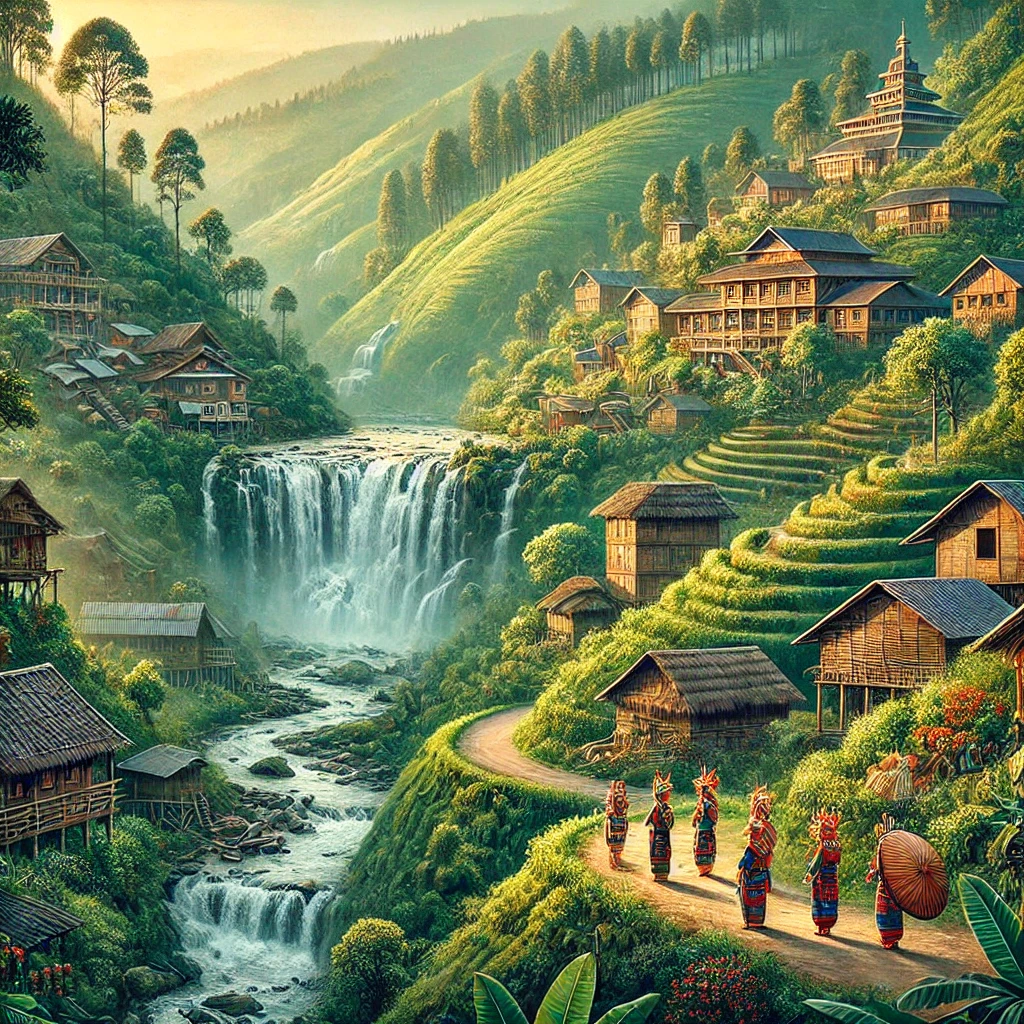
Mizoram is a hilly state located in the northeastern part of India, popularly known as the “Land of Hills”. Its geographical location plays an important role in shaping its climate, biodiversity, agriculture, and lifestyle. Questions related to Mizoram’s location, borders, and physical features are frequently asked in UPSC and SSC exams, so understanding this section is very important.

  • Location: Mizoram is situated in the southern part of the Eastern Himalayas
  • Borders: Assam and Manipur (North), Bangladesh (West), Myanmar (South & East)
  • Area: Around 21,081 sq km
  • Relief Features: Mostly covered with hills and valleys (rugged terrain)
  • Major Rivers (Examples): Tuirial, Tuipui, Chinghil River
  • Example: Aizawl city is located on hilltops, showing its unique terrain
  • Climate: Tropical climate with high rainfall (~2500 mm annually)
  • Vegetation: Dense forests with bamboo as a dominant resource
  • Exam Point (UPSC/SSC): Mizoram shares international borders with Myanmar and Bangladesh
  • Quick Revision Trick: “Mizoram = Hills + High Rainfall + Bamboo”

The geography of Rajasthan includes the Thar Desert and the Aravalli Range, which divide the state into two parts.

👉 Must Read:
Physical Features of India

population and tribes of mizoram cheraw dance

The Culture of Haryana is an important part of Indian Culture, known for its folk dances and festivals.

👉 Explore:
Festivals of India

Population, Tribes and Language of Mizoram

The population of Mizoram is mainly composed of tribal communities, which form the core of its cultural identity. Questions related to Population, major tribes, and languages of Mizoram are frequently asked in UPSC and SSC exams, so this section is very important for quick revision and conceptual clarity.

  • Total Population: Around 12 lakh (2021 estimate); 10,91,014 as per Census 2011
  • Literacy Rate: Around 91% (one of the highest in India)
  • Major Tribes: Lushai (Mizo), Pawi, Ralte, Mara
  • Example: Lushai is the largest tribe, and “Mizo” means “people of the hills”
  • Language: Mizo (Lushai) is the main language; English is widely used for Administration
  • Religion: Around 87–90% Population follows Christianity
  • Other Tribes (Examples): Chakma (Buddhist), Bru/Reang, Hmar
  • Exam Point (UPSC/SSC): More than 90% of Mizoram’s Population belongs to tribal communities
  • Quick Revision Trick: “Mizoram = High Literacy + Tribal Majority + Mizo Language”
  • Extra Fact: The Mizo language is written in the Roman script

The Culture of Assam reflects the diversity of Indian Culture, with festivals like Bihu attracting tourists.

👉 Explore Culture:
Festivals of India

Culture and Traditions of Mizoram

Culture and Traditions of Mizoram

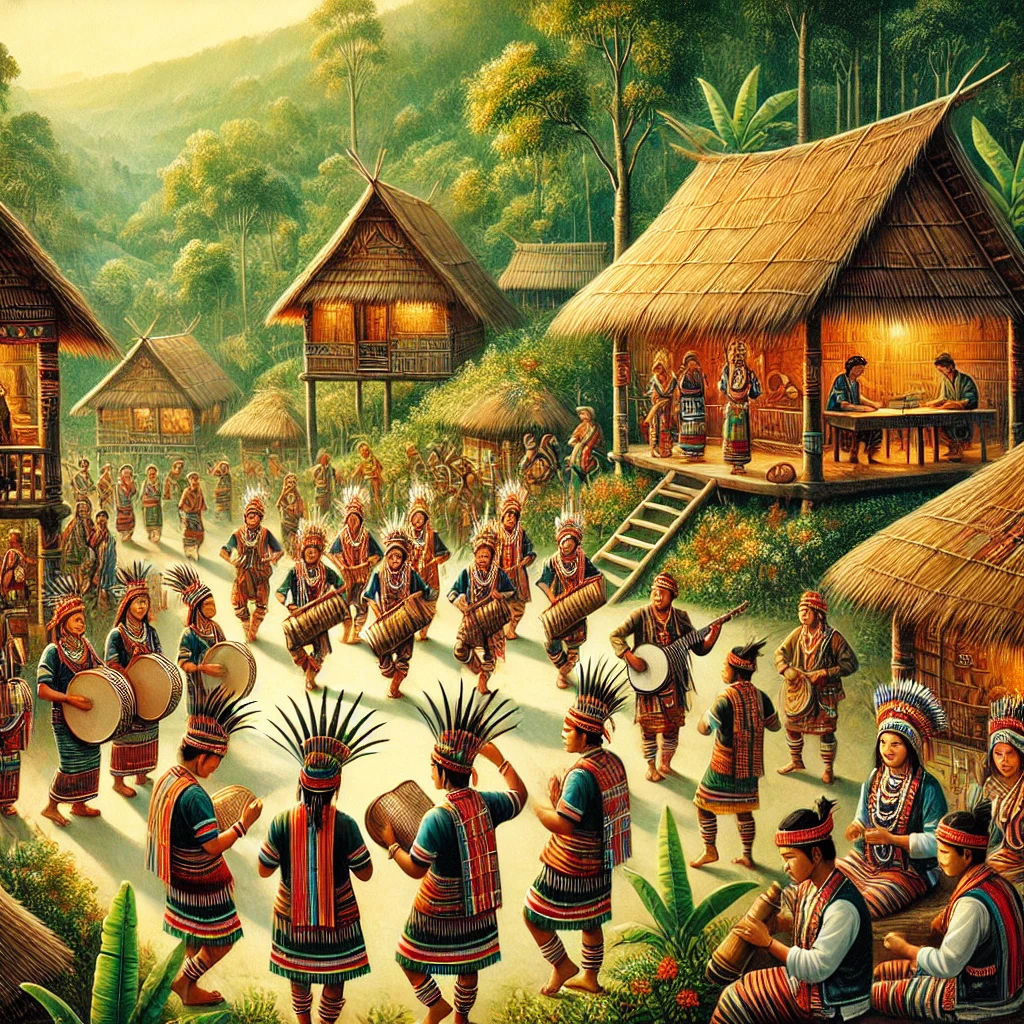
The Culture of Mizoram is deeply rooted in its tribal traditions, community life, and a close connection with nature. The people are known for their discipline, simplicity, and strong social values. Questions related to festivals, dances, and social concepts of Mizoram are frequently asked in UPSC and SSC exams, making this section very important for exam preparation.

  • Core Social Value: “Tlawmngaihna” – meaning selfless service, discipline, and strong community spirit
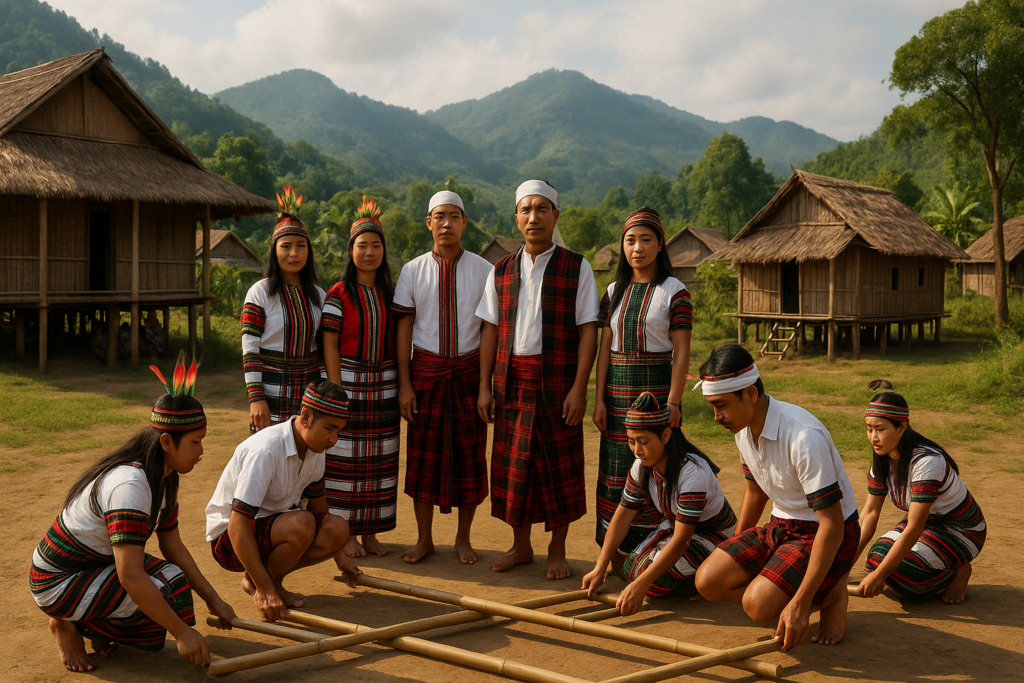
  • Example (Dance): Cheraw (Bamboo Dance) is the most famous traditional dance of Mizoram
  • Major Festivals: Chapchar Kut, Mim Kut, Pawl Kut (linked with the agricultural cycle)
  • Food Examples: Bai (bamboo shoot dish), Champhut (vegetable soup)
  • Social Feature: Strong community life and cooperation among people
  • Religion: The majority of the Population follows Christianity
  • Housing Style: Houses made of bamboo and wood, suited for hilly terrain
  • Exam Point (UPSC/SSC): “Tlawmngaihna” is the most important social concept of Mizoram
  • Quick Revision Trick: “Mizoram = Festivals + Bamboo Dance + Community Life”
  • Extra Fact: Most festivals are related to agriculture and seasonal cycles

The Culture of Tripura reflects a blend of tribal traditions and Indian Culture, with diverse languages and festivals.

👉 Explore:
Festivals of India

Natural Beauty, Tourism, Economy and Politics of Mizoram

Natural Beauty and Tourism of Mizoram

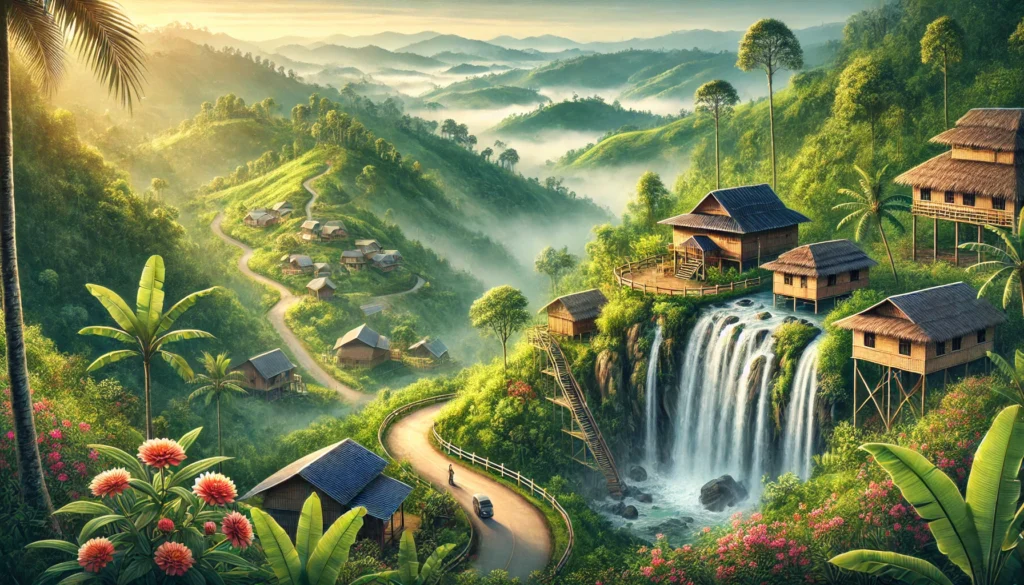
Mizoram is known for its stunning natural beauty, including green hills, forests, waterfalls, and lakes. It is one of the most peaceful and scenic tourist destinations in North-East India. Tourism is important for the state’s economy and is often asked in UPSC and SSC exams.

  • Natural Features: Hills, valleys, dense forests, rivers, and waterfalls
  • Major Tourist Places: Aizawl, Champhai, Saiha, Lunglei
  • Famous Attractions: Phawngpui (Blue Mountain), Vantawng Waterfall, Palak Lake
  • Wildlife Example: Dampa Tiger Reserve is the largest wildlife sanctuary
  • Example: Champhai is called the “Rice Bowl of Mizoram” due to its fertile land
  • Tourism Activities: Trekking, hiking, bird watching, eco-tourism
  • Cultural Tourism: Festivals like Chapchar Kut and dances like Cheraw
  • Importance: Tourism supports the economy and preserves Culture
  • Exam Point: Phawngpui is the highest peak of Mizoram
  • Quick Revision: “Mizoram = Hills + Waterfalls + Bamboo Forests”

Famous places like Tawang Monastery make Arunachal Pradesh an important part of tourism in India.

TopicDetails
LocationNorth-East India borders Assam, Manipur, Myanmar, and Bangladesh
Area21,081 sq km
Nickname“Land of Hills” / Mountainous State
Highest PeakPhawngpui (Blue Mountain)
PopulationAround 12 lakh, more than 90% tribal Population
Literacy Rate~91% (one of the highest in India)
Major TribesLushai (Mizo), Pawi, Ralte, Mara
LanguageMizo (official), English is widely used
ReligionMajority Christianity (~87–90%)
Famous DanceCheraw (Bamboo Dance)
Major FestivalsChapchar Kut, Mim Kut, Pawl Kut
EconomyAgriculture-based; Jhum cultivation is common
Main ResourceBamboo (important for industry and economy)
Tourism HighlightsVantawng Waterfall, Palak Lake, Aizawl, Champhai
Political Feature40-member Legislative Assembly
Special StatusIncluded under the Sixth Schedule of the Indian Constitution
Key ConceptTlawmngaihna (community service & discipline)
Exam TrickMizoram = Hills + Bamboo + Tribal Culture + High Literacy

The economy of Nagaland is mainly agricultural in India, with most people dependent on farming.

It is also part of the broader Indian economy, with a growing focus on handicrafts and tourism.

FAQs

Why is Mizoram called the “Land of Hills”?

Mizoram is called the “Land of Hills” because most of its area is covered with hills, valleys, and forests. This gives it a rugged and scenic landscape.

What are the major tribes of Mizoram?

The major tribes of Mizoram are Lushai (Mizo), Pawi, Ralte, and Mara. Most of the Population belongs to tribal communities.

What is the main language spoken in Mizoram?

The main language is Mizo (Lushai). English is also widely used in education and Administration.

Which festivals are important in Mizoram?

Important festivals include Chapchar Kut, Mim Kut, and Pawl Kut. These festivals are related to agriculture and seasonal cycles.

What is the main occupation in Mizoram?

Agriculture is the main occupation. Jhum cultivation (shifting farming) is commonly practised, along with bamboo-based industries.

Why is Mizoram important for exams like UPSC and SSC?

Mizoram is important because questions are often asked about its geography, tribes, Culture, and special constitutional status.

What is the special constitutional status of Mizoram?

Mizoram comes under the Sixth Schedule of the Indian Constitution, which protects tribal land, Culture, and local governance.

Amazon Product

Premium Amazon Product

High-quality build, reliable performance and excellent everyday value — ideal choice for users.


Buy on Amazon

References

The information presented in this article has been compiled from reliable academic sources,
Government publications, and standard reference materials related to Indian geography,
History, Culture, and polity. The key references include:

  1. Government of India – Constitution of India (Provisions related to the Sixth Schedule)
  2. Census of India 2011 – Office of the Registrar General & Census Commissioner, India
  3. NCERT Textbooks – Geography, History, and Political Science (Classes IX–XII)
  4. Indian Polity – M. Laxmikanth
  5. Indian Culture and Heritage – NCERT Publications
  6. Government of Mizoram – Official reports, statistical handbooks, and policy documents
  7. Department of Tourism, Mizoram – Tourism brochures and official publications
  8. Ministry of Environment, Forest and Climate Change, Government of India – Forest and biodiversity reports
  9. Various academic journals, research articles, and general studies resources

This article is intended for educational and informational purposes.
Every effort has been made to ensure accuracy and authenticity of the content.

Leave a Comment

Your email address will not be published. Required fields are marked *

Scroll to Top