

Introduction: When a Tiny Chip Revealed a Global Reality
The growing importance of Chips and Technological Dependence became clear to me only recently. For a long time, I viewed technology simply as a tool—something that made life faster, easier, and more efficient. That perception changed the moment global supply chains began to collapse. During the semiconductor shortage, factories slowed down, automobiles were delayed, and even everyday electronic devices became scarce. It was then that I realized a powerful truth: a tiny chip holds the ability to influence economies, national security, and global politics.
This personal realization became the starting point of a deeper understanding of technological dependence. What appears to be a matter of innovation and convenience is, in reality, a strategic issue that shapes global power relations. In today’s interconnected world, concerns around Chips and Technological Dependence have emerged as a new form of geopolitical influence.
 Amazon.com/images/I/81QnXPBDDML._SY385_.jpg" alt="Amazon Product Image">
Featured Amazon Product
Stylish design, quality build and reliable performance make this product a great choice for everyday use, gifting, and long-lasting satisfaction.
👉 Buy on AmazonSemiconductor Chips: The Backbone of the Modern World
What Are Semiconductor Chips?
Semiconductor chips are small yet powerful electronic components that process, store, and control information in digital devices. In today’s world, there is hardly any electronic system or technology that functions without the use of semiconductor chips.
Chips in Our Everyday Life
Smartphones, internet services, power grids, banking systems, digital payments, medical equipment, and even modern agricultural technology—all depend heavily on semiconductor chips. Our daily lives are deeply interconnected with chip-based technologies, often without us even realizing it.
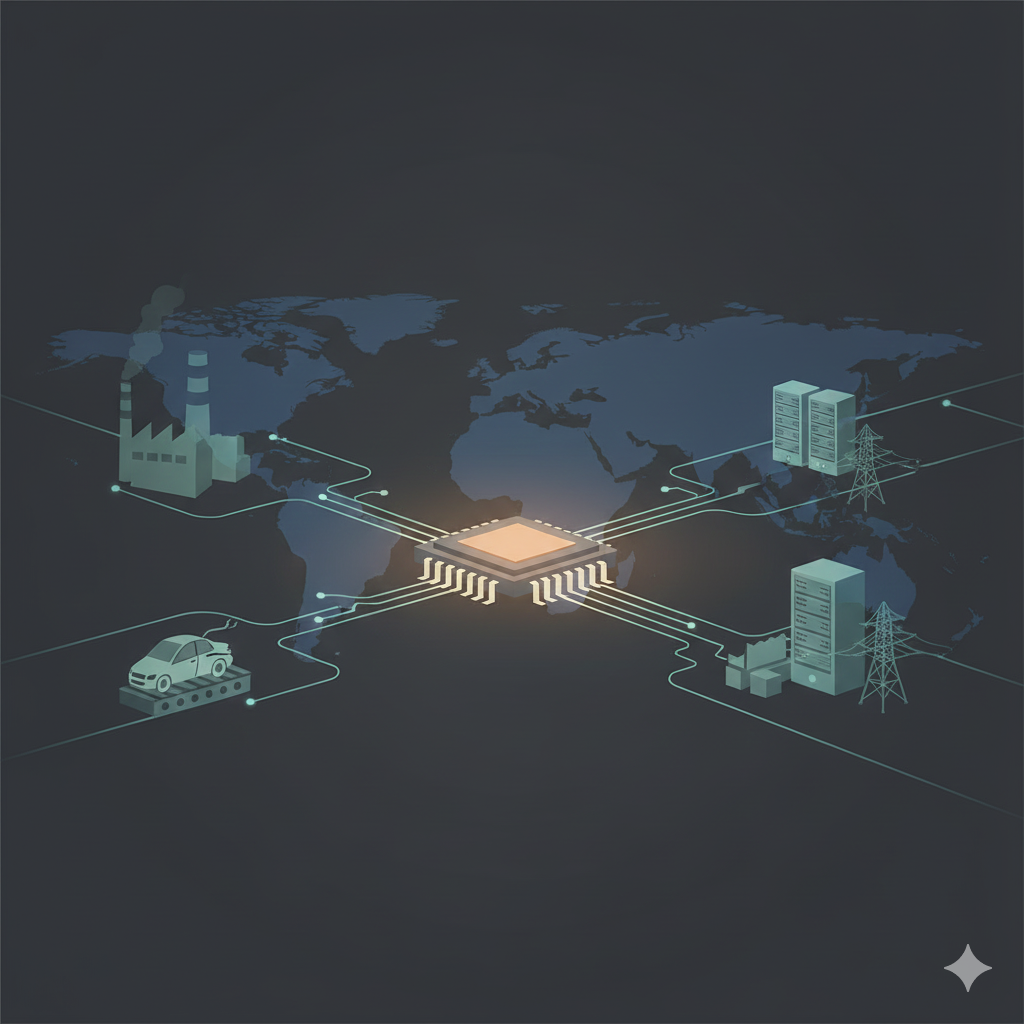
Technological Dependence: Convenience or Strategic Vulnerability?
The Real Meaning of Technological Dependence
Technological dependence goes far beyond trade or imports. In the modern strategic landscape shaped by Chips and Technological Dependence, when a country becomes excessively dependent on other nations for critical and strategic technologies, it does not merely outsource production, but gradually transfers a degree of strategic control. In such situations, technology shifts from being a tool of cooperation to a means of influence and pressure.
My Personal Reflection
I truly understood the seriousness of technological dependence when I witnessed how a disruption in supply chains could bring an entire production ecosystem to a standstill. Factories slowed down, deliveries were delayed, and costs increased overnight. That experience made it clear to me that while dependence offers short-term convenience, it can become a major strategic weakness during times of crisis.
Amazon.com/images/I/51pBlOTyYQL._SY300_SX300_QL70_FMwebp_.jpg" alt="Amazon Product Image">Top Value Amazon Product
Stylish design, reliable performance and excellent user feedback make this product a smart choice for everyday use or gifting.
👉 Buy on AmazonThe Role of Chips in geopolitics
Power in the 21st Century: Not Weapons, but Chips
In the 21st century, the definition of global power is rapidly changing. In the emerging era of Chips and Technological Dependence, military strength alone is no longer sufficient to determine dominance. Control over advanced technology and global supply chains has become far more important in shaping geopolitical influence. Semiconductor chips now stand at the center of this new power structure.
From Soft Power to Strategic Pressure
Technology was once viewed primarily as an instrument of soft power and international cooperation. Today, technological control has increasingly transformed into a tool of strategic pressure. Export restrictions, licensing barriers, and supply chain controls allow countries to exert political and economic influence without engaging in direct military conflict.
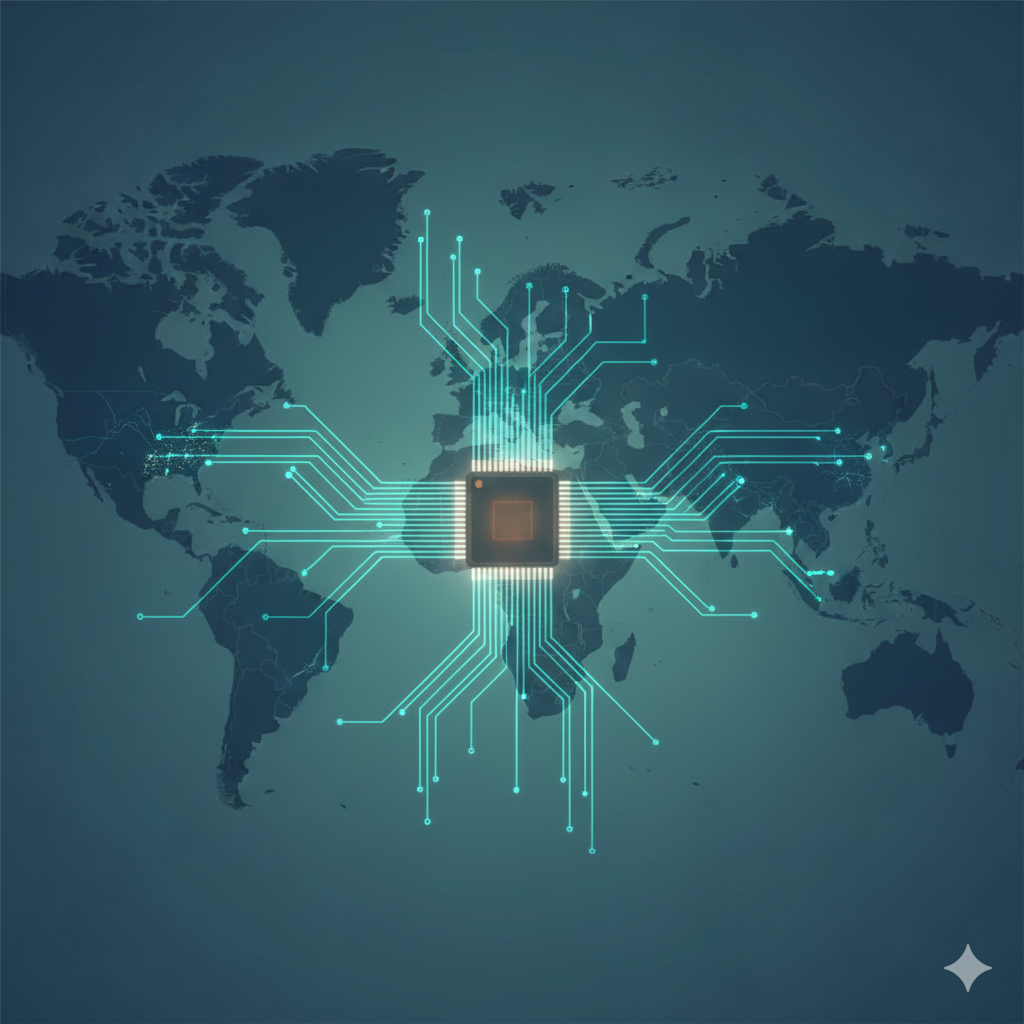
Global Case Studies: When Chips Became Geopolitical Weapons
The United States and China: A Technological Cold War
The growing tension between the United States and China over semiconductor technology represents one of the most significant geopolitical developments of the modern era. In the emerging era of Chips and Technological Dependence, restrictions on advanced chips and manufacturing equipment have demonstrated that technology is no longer just an economic asset, but a powerful instrument of diplomacy, pressure, and strategic competition. These measures have also reshaped global supply chains and technological alliances.
Taiwan: A Small Island with Global Influence
Taiwan occupies a central position in the global semiconductor supply chain. Its chip manufacturing industry plays a decisive role not only in Asia, but in the functioning of the entire world economy. As a result, Taiwan’s importance is no longer defined solely by geography, but by its technological capability and geopolitical significance.
Amazon.com/images/I/41-LCcWKxTL._SX300_SY300_QL70_FMwebp_.jpg" alt="Amazon Product Image">Top Amazon Product Pick
Sleek design and dependable performance make this product an excellent choice for everyday use and gifting — backed by strong user reviews.
👉 Buy on AmazonIndia and Semiconductor Dependence
India’s Current Technological Position
India continues to rely heavily on imports for semiconductor chips. In the evolving global landscape of Chips and Technological Dependence, most of the chips used in critical sectors such as mobile phones, automobiles, defense systems, medical equipment, and digital infrastructure are sourced from foreign suppliers. This high level of dependence makes India vulnerable to global supply chain disruptions and geopolitical pressures.
Atmanirbhar Bharat: A Strategic Necessity
Semiconductor manufacturing is not merely an economic issue; it is a matter of national security, technological sovereignty, and long-term strategic stability. Developing indigenous chip manufacturing capabilities can help India reduce external vulnerabilities, strengthen its position in global geopolitics, and create new opportunities for innovation and employment. In this context, Atmanirbhar Bharat is not just a policy initiative, but a strategic imperative for the future.
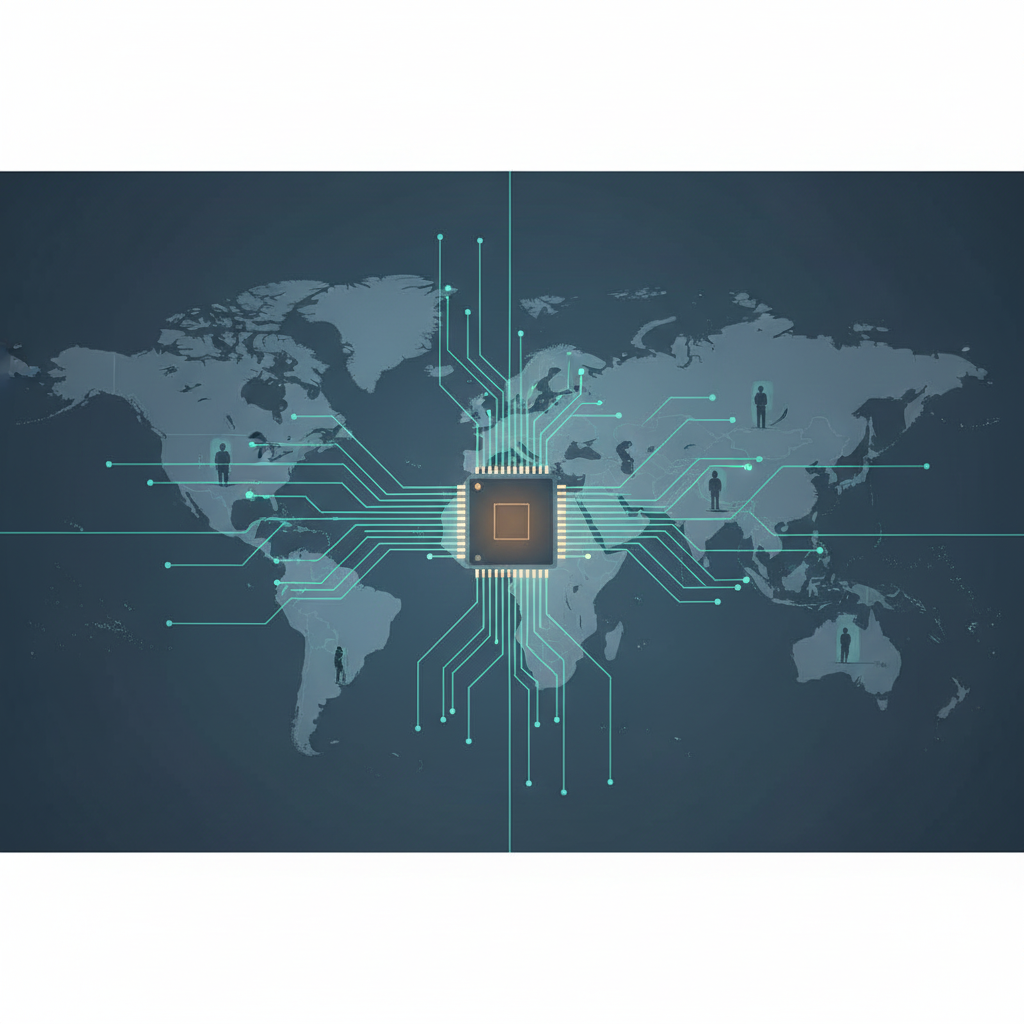
Ethical Questions and Social Impact
One of the most critical debates surrounding semiconductor technology concerns its ethical and social implications. Should technological power remain concentrated within a few countries and corporations, or should it be developed as a shared global resource? When control over advanced technology becomes unevenly distributed, it deepens global inequality, widens the digital divide, and creates new challenges for developing nations seeking equitable growth and technological access.
Conclusion: A Small Chip, a Powerful Message
Semiconductor chips have clearly demonstrated that in the modern world, power is no longer defined solely by military strength or economic size. Control over technology, influence on global supply chains, and the ability to innovate have become the true foundations of geopolitical power in the twenty-first century.
From my personal experience and deeper engagement with this subject, one lesson stands out clearly: technological dependence may offer short-term convenience, but in the long run, it can evolve into a serious strategic vulnerability. In the broader debate on Chips and Technological Dependence, true resilience does not lie in isolation, but in achieving a balanced combination of domestic capability, global cooperation, and strategic foresight.
Ultimately, semiconductor chips are not merely pieces of silicon. They carry a larger message about the future— a future that will belong to nations that treat technology not just as a tool for consumption, but as a foundation for policy, ethics, and long-term national development.
Frequently Asked Questions (FAQs)
The following FAQs help clarify key issues related to Chips and Technological Dependence in the modern global economy.
What are semiconductor chips and why are they important?
Semiconductor chips are small electronic components that process, store, and control information in modern devices. They are essential for smartphones, computers, automobiles, defense systems, medical equipment, and digital infrastructure. Without semiconductor chips, the modern digital economy cannot function.
What risks does technological dependence create for countries?
Excessive technological dependence exposes countries to supply chain disruptions, geopolitical pressure, and strategic vulnerabilities. During global crises or political conflicts, such dependence can threaten economic stability and national security.
How are semiconductor chips linked to geopolitics?
Semiconductor chips have become a key instrument of geopolitical power. Export controls, technology restrictions, and supply chain dominance allow countries to influence global politics without direct military confrontation.
Why is Taiwan so important in the global semiconductor industry?
Taiwan plays a central role in the global semiconductor supply chain. Its advanced chip manufacturing capabilities support industries and economies worldwide, making the island strategically significant far beyond its geographic size.
Why is semiconductor self-reliance important for India?
For India, semiconductor self-reliance is not only an economic goal but also a matter of national security and technological sovereignty. Developing domestic chip manufacturing capabilities can reduce external dependence and strengthen India’s position in global geopolitics.
Amazon.com/images/I/81J+077JeNL._SY425_.jpg" alt="Amazon Product Image">Top Amazon Product Pick
Stylish design, reliable performance and excellent user satisfaction make this product a great choice for daily use or gifting.
👉 Buy on AmazonReferences
- Global Semiconductor Industry Reports and Market Analyses
- Studies on International Relations and geopolitics
- Research Papers on Technology and national security
- Reports by International Organizations on Semiconductor Supply Chains
- Official Policy Documents on Technology and Industrial Development in India