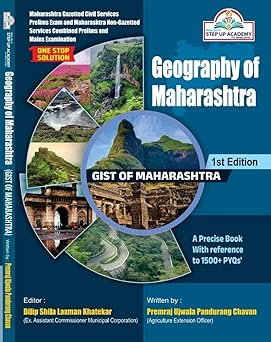
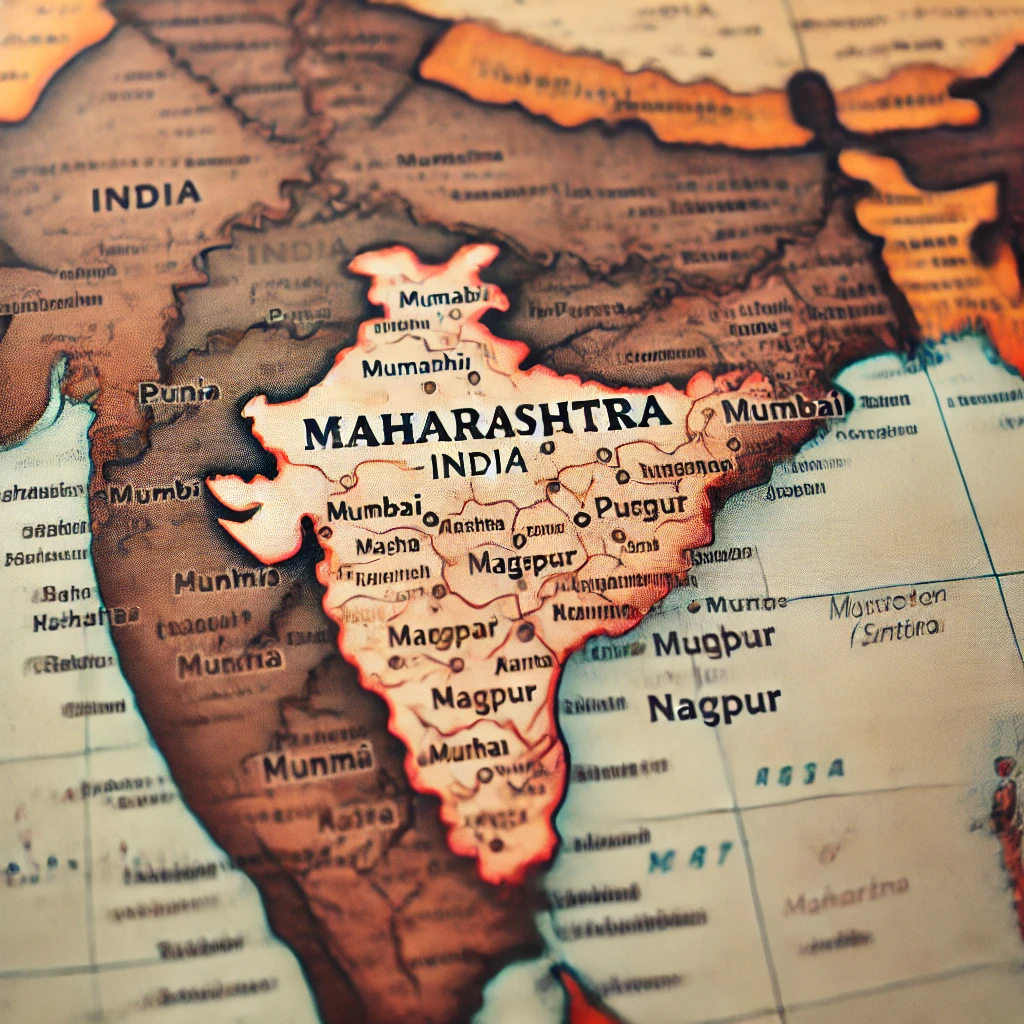
Maharashtra

Maharashtra — My Learnings and Journey Through a State of History, Culture & Growth
Scenic view from Maharashtra - cities and hills

Maharashtra — My Learnings and Journey Through a State of History, Culture & Growth

An inspiring, story-style account with clear facts, travel highlights and practical takeaways.

Introduction — first impressions that lasted

When I first travelled through Maharashtra, I expected to see just busy cities. Instead I discovered a state that balances ancient forts and cave temples with booming industry and innovation. Maharashtra is a major state in western India, rich in cultural heritage, historical importance and industrial progress. It is the second largest Indian state by area and population.

1. Geographical location

Learning the geography helped me understand how Maharashtra became so diverse — coastal ports, fertile river valleys and strategic plateaus all shaped its history and economy.

Key facts

  • Capital: Mumbai
  • Area: 307,713 square kilometres
  • Neighbours:
    • North: Madhya Pradesh
    • East: Chhattisgarh
    • South: Karnataka and Goa
    • West: Arabian Sea
    • North-West: Gujarat and Dadra & Nagar Haveli

2. History — echoes of empire and resilience

I felt humbled walking past forts and hearing stories of Shivaji Maharaj. Maharashtra’s history is ancient — part of the Deccan region in antiquity — and it rose to great prominence under the Maratha Empire founded by Chhatrapati Shivaji Maharaj. The Maratha confederacy played a decisive role in 17th–18th century Indian politics, and the region later contributed strongly to India’s freedom movement.

3. Culture and tradition — colourful, living customs

What struck me most was how traditions remain alive in everyday life — in festivals, food and folk arts.

Language

Marathi is the primary language across the state.

Folk arts & festivals

Traditional dances like Lavani, coastal forms such as Koli, theatrical Tamasha, and community festivities like Dahi-Handi are very popular. Festivals such as Ganesh Chaturthi, Gokulashtami, Diwali and Holi are celebrated with vibrant enthusiasm.

Food

Local dishes left a lasting impression — Vada Pav, Puran Poli, Misal Pav and Pav Bhaji are famous for good reason.

4. Major cities and landmarks

Each city told a different chapter of Maharashtra’s story.

Mumbai

The economic capital of India and the beating heart of Bollywood.

Pune

A centre for education and culture — often called the intellectual hub of the state.

Nagpur

Known for its oranges and political importance.

Aurangabad

Home to the awe-inspiring Ajanta and Ellora caves and the Bibi Ka Maqbara.
Premium Quality Amazon Product

यह एक high-quality और durable product है जो daily use के लिए perfect है। Excellent design, strong build और affordable price इसे best choice बनाते हैं।

Buy on Amazon

Kolhapur

Famous for the Mahalaxmi Temple and traditional Kolhapuri slippers.

5. Tourist spots — places that taught me something

From UNESCO caves to quiet hill stations, these spots showed me the variety of Maharashtra.

  • Ajanta and Ellora caves (UNESCO World Heritage Site)
  • Gateway of India, Mumbai
  • Mahabaleshwar and Panchgani (hill stations)
  • Lonavala and Khandala (scenic hill belts)
  • Shivneri Fort (birthplace of Shivaji Maharaj)

6. Financial condition — an economic powerhouse

During my visits I noticed the scale and diversity of activity. Maharashtra has the largest state economy in India.

Main industries

Films, information technology, automobiles and manufacturing are key sectors.

Agriculture

Important crops include sugarcane, cotton, rice and grapes.

Financial institutions

Institutions like the Bombay Stock Exchange (in Mumbai) and the Reserve Bank of India greatly strengthen the state's financial profile.

7. Natural resources

I learned that natural wealth underpins many industries: Maharashtra holds deposits of coal, iron ore, bauxite and limestone. Major rivers such as the Godavari, Krishna and Bhima are vital for agriculture and water supply.

8. Education and science — centres of learning

Pune’s reputation as the "Oxford of the East" is justified: the state hosts prestigious institutions that shaped many careers I met along the way.

Notable institutions

  • IIT Bombay
  • Tata Institute of Fundamental Research
  • Fergusson College (Pune)

9. Current scenario — modern growth

Maharashtra is rapidly embracing urban development, metro systems, smart city projects and large-scale cleanliness and infrastructure drives. While travelling, I observed modern skylines rising beside centuries-old monuments — a living example of ancient and modern India coexisting.

Conclusion — what Maharashtra taught me

Maharashtra is an important Indian state because of its glorious history, diverse traditions and strong economy. For me, it was the harmony between its ancient heritage and modern ambition that resonated most deeply.

My practical learnings (takeaways)

1. Preserve heritage while embracing modernity

Communities in Maharashtra show how protecting historical sites can coexist with industrial growth.

2. Local culture strengthens identity

Festivals, language and food are not just attractions — they are living cultural capital that supports tourism and local pride.

3. Diversified economy is resilient

A mix of finance, industry, IT and agriculture helps the state manage economic risks and create opportunities.

FAQ — Frequently asked questions

What is the capital of Maharashtra?

Mumbai is the capital of Maharashtra.

Which UNESCO site is located in Maharashtra?

The Ajanta and Ellora caves in Aurangabad are UNESCO World Heritage Sites located in Maharashtra.

What are some must-try foods in Maharashtra?

Try Vada Pav, Puran Poli, Misal Pav and Pav Bhaji — they are regional favourites and widely available.

Which major rivers flow through Maharashtra?

Important rivers include the Godavari, Krishna and Bhima, which support agriculture and water resources.
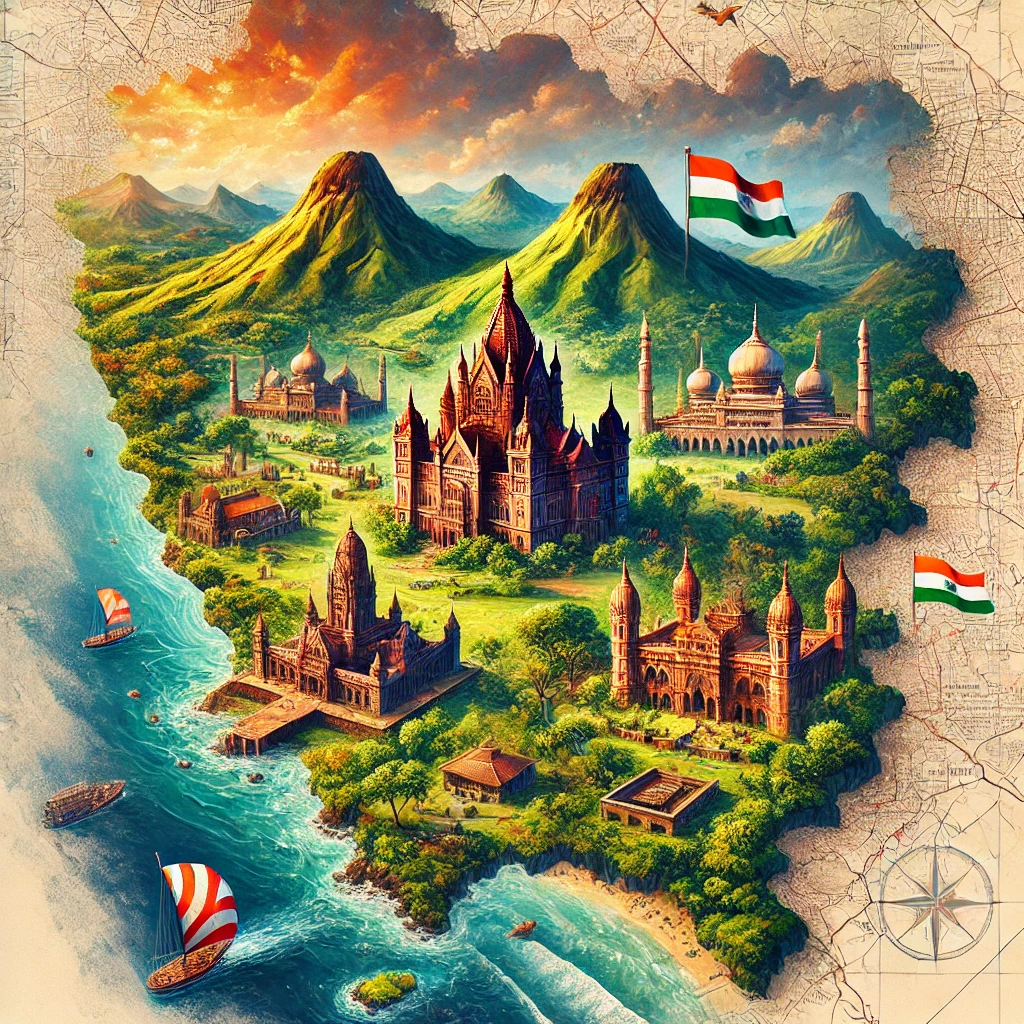
Geographical Location and History of Maharashtra

Geographical Location and History of Maharashtra

Geographical Location of Maharashtra

Maharashtra is located in the western part of India and is known for its geographical diversity and natural beauty. The geography of the state makes it ideal for agriculture, industry, and tourism.

1. Status and Extent

  • Location in the country: Western region of India.
  • Latitude: 15° 40′ N to 22° 00′ N.
  • Longitude: 72° 36′ E to 80° 54′ E.
  • Boundaries:
    • North: Madhya Pradesh
    • North-West: Gujarat and Dadra & Nagar Haveli
    • East: Chhattisgarh
    • South: Karnataka and Goa
    • West: Arabian Sea

2. Area and Structure

  • Total Area: 3,07,713 square kilometers
  • Rank by Area: Third largest state in India
  • Western Ghats: The western part of the state is covered by the Sahyadri (Western Ghats), famous for lush forests and hill stations.

3. Geographical Diversity

(a) Plateau Region

  • Most of Maharashtra lies in the Deccan Plateau.
  • Composed of volcanic rocks and rich black soil (regur soil).
  • Major crops: Cotton and sugarcane.

(b) Sahyadri Mountains (Western Ghats)

  • Located along the western boundary of the state.
  • Characterized by high hills and coastal plains.
  • Popular hill stations: Mahabaleshwar, Lonavala, and Khandala.

(c) Coastal Area (Konkan Belt)

  • Spread along the Arabian Sea.
  • Known for rivers, beaches, greenery, and fertile land.
  • Major districts: Ratnagiri, Sindhudurg, and Raigad.

4. Rivers

  • Godavari River: Known as the "Dakshina Ganga"; longest river of Maharashtra.
  • Krishna River: Important river for South Maharashtra.
  • Bhima River: Major water source for Pune and Solapur.
  • Tapti and Narmada: Flow through the northern region.

5. Climate

  • Tropical Monsoon Climate: Found in most parts of the state.
  • Western Ghats: Receives heavy rainfall.
  • Plateau Region: Experiences low rainfall and dry conditions.

6. Flora and Fauna

Maharashtra is home to various forest types, especially the dense forests of the Western Ghats.

Important National Parks

  • Tadoba–Andhari Tiger Reserve (Chandrapur)
  • Sanjay Gandhi National Park (Mumbai)
  • Navegaon National Park

Conclusion

The geography of Maharashtra plays a vital role in shaping its economy and culture. The Sahyadri hills, Konkan coastline, and the Deccan Plateau together make the state geographically rich and environmentally diverse.

History of Maharashtra

The history of Maharashtra is ancient, glorious, and culturally rich. From early civilizations to the rise of the Maratha Empire and the freedom struggle, the state has played a significant role in Indian history.

Best Selling Amazon Product

यह product शानदार quality, strong build और modern design के साथ आता है। Daily use और gifting दोनों के लिए perfect choice है।

Check Price on Amazon

1. Ancient Times

(a) Vedic and Puranic Age

  • Maharashtra is mentioned as “Maha-Rashtra” in ancient texts.
  • A major center of Aryan culture during the Vedic period.
  • Cities like Nashik and Paithan were important cultural hubs.

(b) Influence of Buddhism and Jainism

  • Buddhism flourished extensively in the region.
  • Ajanta and Ellora caves are masterpieces of Buddhist art and architecture.
  • Jainism also had a significant influence, especially in Western Maharashtra.

2. Early Dynasties — Satavahana Dynasty

The Satavahana dynasty (230 BC–220 AD) was the first major ruling power in Maharashtra.

  • Promoted trade, Buddhism, and urban development.
  • Developed the region as a prosperous trade center.
  • Important ruler: Gautamiputra Satakarni.

3. Medieval History

(a) Rashtrakuta Dynasty

  • Ruled between the 6th–10th centuries.
  • Capital: Manyakheta (in present-day Karnataka).
  • Major contributions: Development of Ellora caves.
  • Prominent king: Amoghavarsha I.

(b) Yadava Dynasty

  • Ruled from the 12th–14th centuries.
  • Capital: Devagiri (Daulatabad).
  • Marathi language and literature flourished during this era.
  • Major ruler: Singhana Yadav.

4. Rise of the Maratha Empire

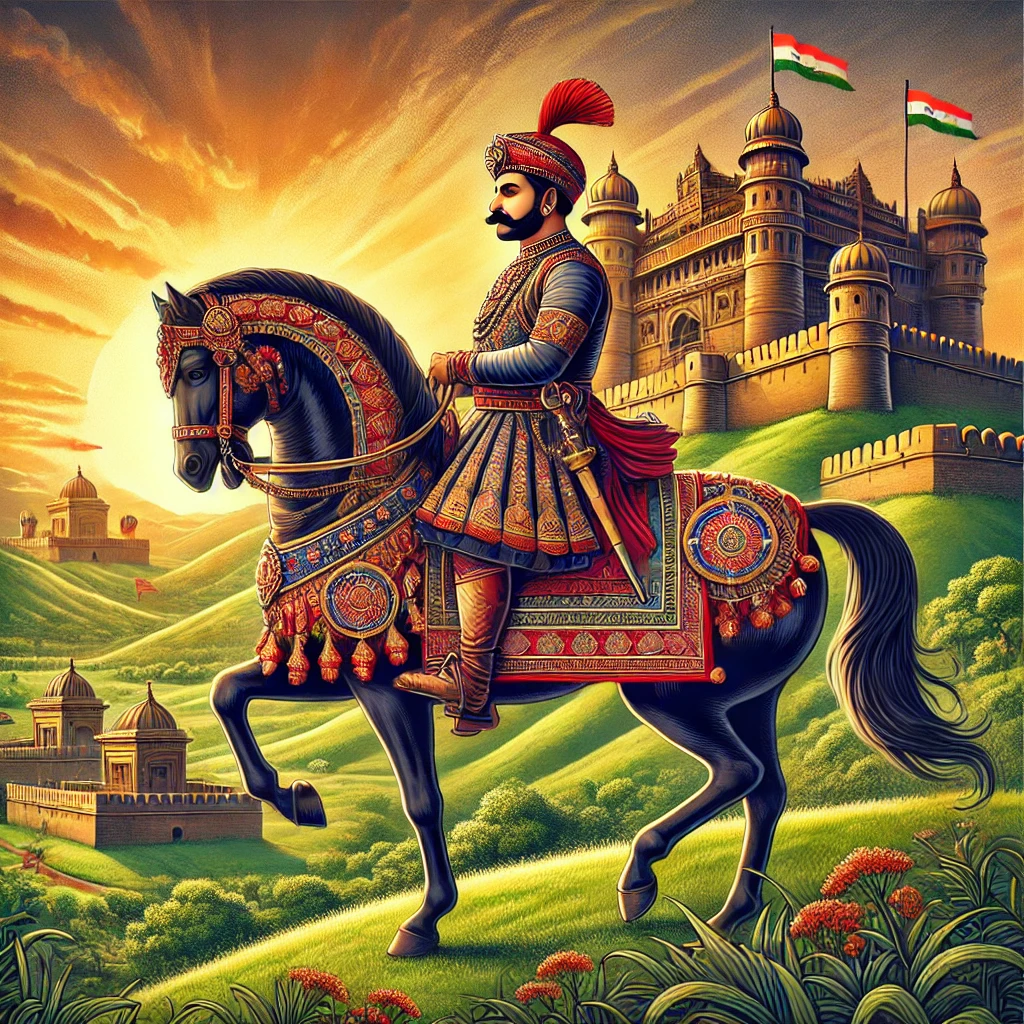
(a) Chhatrapati Shivaji Maharaj

  • Founder of the Maratha Empire (1630–1680).
  • Established Swaraj and fought against Mughals, Adilshahis, and Nizamshahis.
  • Developed a strong navy and built strategic forts.
  • Important forts: Raigad, Sinhagad, Pratapgad.
  • Crowned “Chhatrapati” at Raigad in 1674.

(b) Peshwa Rule

  • The Peshwas expanded the empire after Shivaji Maharaj.
  • Peshwa Bajirao I extended the empire across India.
  • Capital: Pune.
  • The Third Battle of Panipat (1761) was a major historical event.

5. British Period

  • The Maratha Empire ended after the Third Anglo–Maratha War (1818).
  • Mumbai became a major commercial center under British rule.
  • Maharashtra played an active role in India’s freedom movement.

Prominent Leaders

  • Bal Gangadhar Tilak — Freedom fighter and nationalist leader.
  • Dr. Babasaheb Ambedkar — Architect of the Indian Constitution and social reformer.

6. Maharashtra After Independence

  • Maharashtra was formed on 1 May 1960.
  • Separated from the bilingual Bombay State.
  • Mumbai became the capital.

7. Culture and Contribution

  • Language: Marathi saw major development during the Yadava and Maratha periods.
  • Religion: Influences of Hindu, Buddhist, Jain, and Sufi traditions are seen across the state.
  • Arts: Known for architecture, sculpture, literature, and folk arts.

Conclusion

The history of Maharashtra reflects courage, cultural richness, and self-reliance. The legacy of Shivaji Maharaj, the power of the Peshwas, and the contributions to India’s freedom struggle make the state truly remarkable.

Chhatrapati Shivaji Maharaj – Life, Achievements, Administration & Legacy

Chhatrapati Shivaji Maharaj

Chhatrapati Shivaji Maharaj was a great warrior of India, an efficient administrator, and the founder of the Maratha Empire. His life represents valor, freedom, and justice. Shivaji Maharaj not only laid the foundation of a powerful empire but also kept alive the spirit of Swaraj and Dharmaraksha in Indian history.

Early Life

  • Born: 19 February 1630, Shivneri Fort, Pune
  • Father: Shahaji Bhosale (a feudal lord under the Mughals and Adilshahis)
  • Mother: Jijabai (a religious and virtuous woman)
  • Guru: Saint Ramdas Swami

Shivaji Maharaj spent his childhood under the care of his mother Jijabai and his mentor Dadoji Konddev. He was trained in warfare, horse riding, and the strategic importance of forts.

Military and Political Achievements

1. Establishment of Swaraj

Shivaji Maharaj’s primary mission was to establish Swaraj (independent rule). With exceptional leadership and bravery, he challenged the powerful Mughals, Adilshahis, and Nizamshahis.

2. Forts Strategy

He built and rebuilt around 300 forts to defend his kingdom.

Major Forts

  • Raigad (capital)
  • Pratapgarh
  • Sinhagad
  • Lohgarh

3. Guerrilla Warfare (Ganimi Kava)

Shivaji Maharaj adopted and perfected guerrilla warfare. His strategy was to attack suddenly and retreat swiftly. This technique proved highly effective against the Mughals and Adilshahis.

4. Establishment of a Modern Navy

Shivaji Maharaj was the first Indian ruler to create an organised navy. His fleet protected the western coast from foreign invaders and pirates.

Important Ports

  • Sindhudurg
  • Vijaydurg

Important Wars and Agreements

1. Killing of Afzal Khan (1659)

At Pratapgarh Fort, Shivaji Maharaj tactfully defeated the Adilshahi commander Afzal Khan. This victory significantly strengthened the Maratha Empire.

2. Plunder of Surat (1664)

He raided Surat, which was a key Mughal trading city, weakening their economic power and enhancing Maratha resources.

3. Treaty of Purandar (1665)

Shivaji Maharaj signed this treaty with Mughal commander Raja Jai Singh. He agreed to hand over some forts but retained strategic control.

4. Conflict with Aurangzeb

Shivaji bravely confronted Aurangzeb’s massive army. In 1666, he was deceitfully imprisoned in the Agra Fort but managed to escape with intelligence and planning.

Coronation and Expansion of the Maratha Empire

On 6 June 1674, Shivaji Maharaj was crowned at Raigad Fort. He assumed the title “Chhatrapati” and established an independent Maratha Empire.

Under his leadership, the empire expanded rapidly. Shivaji developed a governance system based on justice, equality, and religious harmony.

Administrative System

Shivaji Maharaj was not only a mighty warrior but also a visionary administrator.

Ashtapradhan Mandal

He formed a council of eight ministers to streamline administration.

Top Rated Amazon Product

यह product premium quality, stylish design और long-lasting durability के लिए जाना जाता है। Home use, office और gifting के लिए excellent choice है।

Buy Now on Amazon
  • Peshwa: Prime Minister
  • Senapati: Military Commander
  • Nyayadhish: Chief Justice
  • Other key officials managing finance, diplomacy, and internal affairs

Law and Order

  • Improved tax collection system
  • Strengthened judicial structure

Religious Tolerance

Shivaji Maharaj respected all religions and ensured religious harmony throughout his rule.

Death

Died: 3 April 1680, Raigad Fort.

His death was a major setback for the Maratha Empire, but his successors carried forward his legacy.

Legacy of Shivaji Maharaj

Chhatrapati Shivaji Maharaj is not just a historical figure but a symbol of India’s freedom, dignity, and cultural pride.

  • He awakened the spirit of Swaraj, self-respect, and equality.
  • He is revered across Maharashtra and India for his leadership and vision.
  • His administrative models are still admired for efficiency and justice.

Conclusion

Chhatrapati Shivaji Maharaj not only founded the Maratha Empire but also created a unique and inspiring history through his bravery and administrative excellence. He remains an immortal personality in Indian history who dreamt of Swaraj and turned that dream into reality.
Culture and Tradition of Maharashtra – Language, Festivals, Food, Art & Heritage

Culture and Tradition of Maharashtra

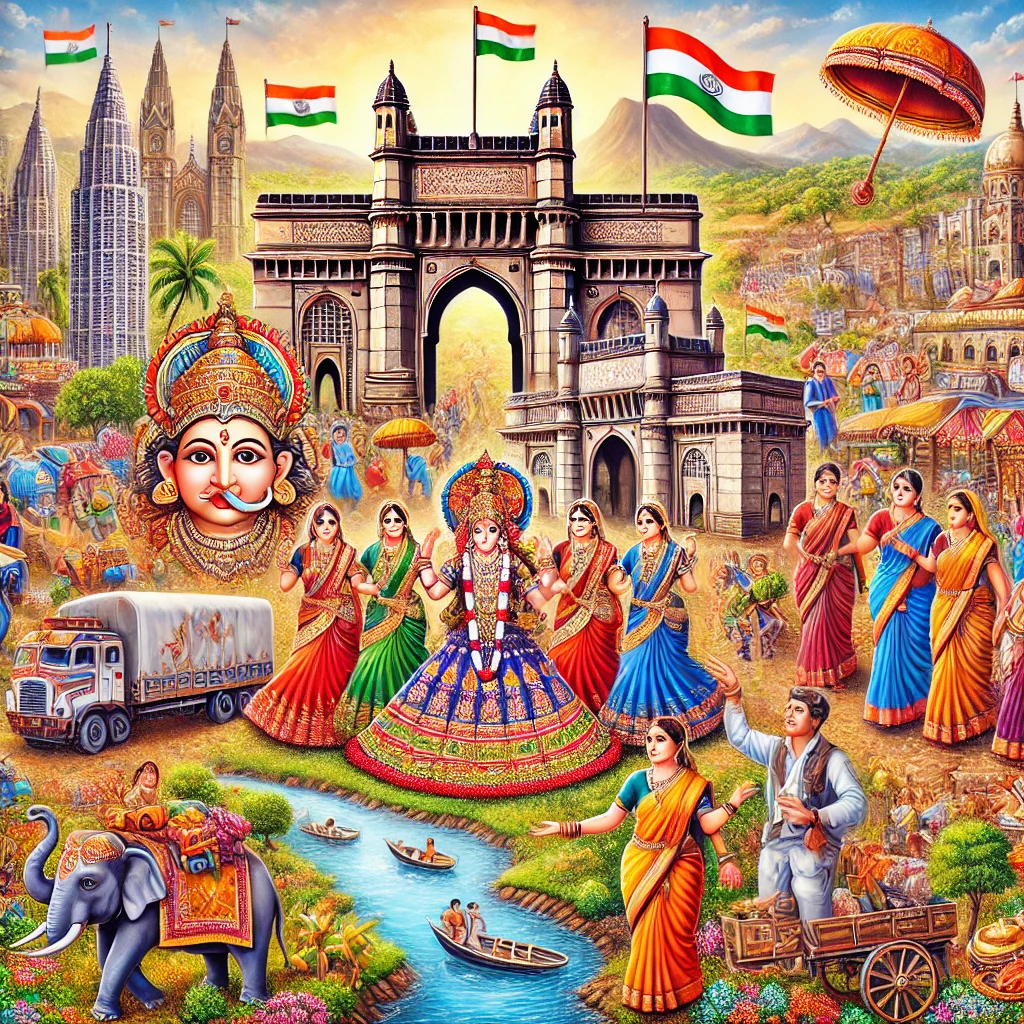
Maharashtra is one of India’s most culturally and traditionally rich states. Its culture is deeply shaped by history, religion, art, music, dance, food, festivals, and folk traditions. The cultural heritage of Maharashtra beautifully reflects unity in diversity.

1. Language and Literature

(a) Marathi Language

  • Marathi is the official language of Maharashtra.
  • It is one of the major Indian languages and has been developing since the 13th century.
  • Sant Tukaram, Sant Dnyaneshwar, and Sant Namdev greatly enriched Marathi literature.

(b) Literature

  • Marathi literature is influenced by devotional (Bhakti) and social reform movements.
  • Dnyaneshwari by Sant Dnyaneshwar and the Abhangas of Sant Tukaram are major literary works.
  • Modern contributors include writers like Kusumagraj and V. S. Khandekar.

2. Religious Traditions

(a) Worship of Lord Vitthal

  • Devotion to Lord Vitthal of Pandharpur is widespread in Maharashtra.
  • Pandharpur Wari Yatra is a major pilgrimage where thousands walk on foot to visit Lord Vitthal.

(b) Saint Tradition

  • Sant Tukaram, Sant Dnyaneshwar, Sant Eknath, and Sant Namdev played major roles in spreading the Bhakti movement.
  • These saints spoke against casteism and social inequality.

(c) Ganeshotsav

Ganesh Chaturthi is the biggest and most celebrated festival in Maharashtra. The festival lasts for 10 days, ending with a grand immersion of Lord Ganesha’s idols.

(d) Diwali, Holi, and Gudi Padwa

  • Gudi Padwa is Maharashtra’s New Year, celebrated on the first day of the Chaitra month.
  • During Diwali, families decorate homes with Akashkandil (traditional lanterns).

3. Art and Folk Music

(a) Dance and Music

  • Lavani: A fast-paced traditional folk dance performed with rhythmic music.
  • Koli Dance: Depicts the lifestyle of fishermen living along the coastal areas.
  • Bhavageet: A Marathi musical form filled with emotion and depth.

(b) Spectacle – Tamasha

Tamasha is a traditional folk theatre form combining music, dance, and storytelling. It is most popular in rural Maharashtra and reflects ancient cultural traditions.

4. Food

Maharashtrian cuisine is known for its spicy, flavorful, and diverse dishes.

Popular Spicy Dishes

  • Vada Pav
  • Misal Pav
  • Pav Bhaji

Traditional Dishes

  • Puran Poli
  • Thecha
  • Thalipeeth

High Quality Amazon Product

यह product premium material, modern design और long-lasting performance के साथ आता है। Personal use और gifting दोनों के लिए perfect choice है।

Check Price on Amazon

Sweets

  • Shrikhand
  • Puran Poli
  • Modak (favourite sweet of Lord Ganesha)

The cuisine of Kolhapur, Pune, and the Konkan region offers a special variety of flavors.

5. Clothing Tradition

  • Saree: Women traditionally wear the Nauvari (nine-yard) saree.
  • Men’s attire: Dhoti, kurta, and turban.
  • Traditional clothing is commonly worn during festivals and special occasions.

6. Festivals

(a) Ganesh Chaturthi

The grandest festival of Maharashtra, celebrated with devotion and large public installations of Lord Ganesha’s idols.

(b) Gudi Padwa

The New Year of Maharashtra, marked by hoisting the Gudi (a symbolic flag) outside homes.

(c) Narali Purnima

Celebrated mainly by fishermen who offer coconuts to the sea for protection and prosperity.

7. Traditional Games

  • Kabaddi
  • Lezim
  • Mallakhamb: A traditional gymnastic sport still practiced widely.

8. Social and Cultural Events

(a) Pandharpur Wari

A devotional pilgrimage associated with Sant Tukaram and Sant Dnyaneshwar, involving lakhs of devotees.

(b) Marathi Sahitya Sammelan

An annual event promoting Marathi language, literature, and culture.

9. Architecture and Crafts

(a) Caves

  • Ajanta and Ellora Caves – masterpieces of Buddhist art and architecture.
  • Kanheri Caves
  • Elephanta Caves

(b) Forts

  • Raigad
  • Sinhagad
  • Pratapgad

These forts reflect the architectural excellence and military strength of the Maratha Empire.

10. Agriculture and Rural Life

Agriculture forms the backbone of rural Maharashtra. Folk culture and traditional practices are deeply rooted in village life.

  • Pola festival
  • Bullock races
  • Seasonal folk celebrations

Conclusion

The culture and traditions of Maharashtra represent its vast and diverse heritage. Its festivals, food, language, arts, and religious customs together give the state a unique cultural identity. These traditions strengthen its cultural roots while enriching its modern lifestyle.
Major Tourist Places in Maharashtra – Complete Travel Guide

Major Tourist Places in Maharashtra

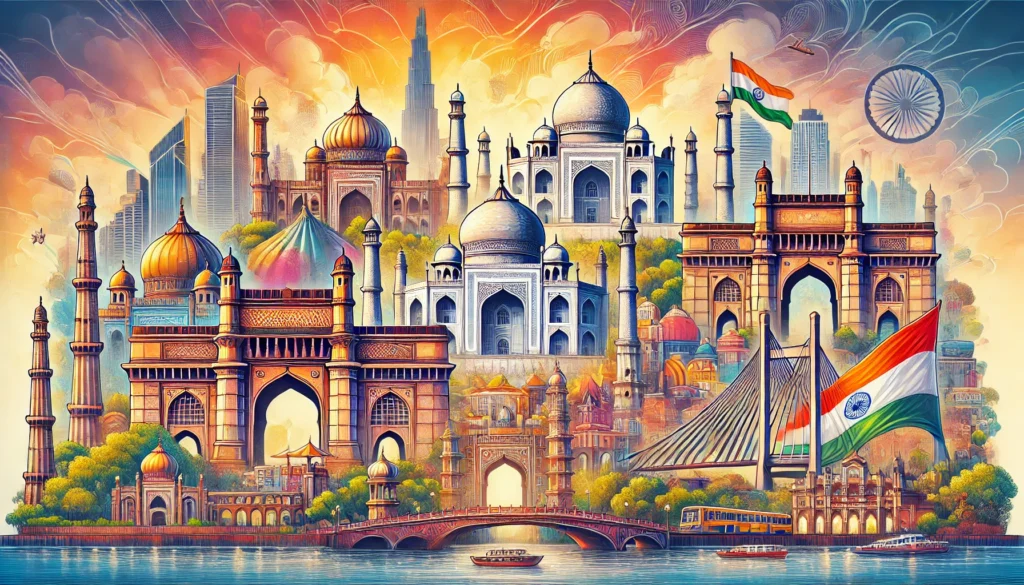
Maharashtra is a state of India famous for its historical, religious, natural, and cultural heritage. Its tourist places attract visitors from all over the world due to their diversity and unique experiences. Below is a detailed overview of the major tourist places in Maharashtra:

1. Ajanta and Ellora Caves (Aurangabad)

(a) Ajanta Caves

  • Buddhist caves listed as a UNESCO World Heritage Site.
  • Known for ancient paintings and sculptures of Mahayana and Hinayana Buddhism.
  • Depict various events from the life of Lord Buddha.

(b) Ellora Caves

  • Caves belonging to Hindu, Buddhist, and Jain traditions.
  • Kailash Temple (Cave No. 16) is the main attraction.
  • It is the largest monolithic (single stone) structure in the world.

2. Gateway of India (Mumbai)

Built in 1924 during British rule, the Gateway of India is one of Mumbai’s most iconic landmarks. It is located on the seashore, attracting thousands of tourists daily.

Nearby attractions include the Taj Mahal Palace Hotel and the Elephanta Caves.

3. Ganpatipule (Ratnagiri)

  • Famous for the ancient temple of Lord Ganesha and a serene beach.
  • Known for its natural beauty and peaceful environment.
  • The Ganesha idol here is believed to be self-manifested (Swayambhu).

4. Mahabaleshwar and Panchgani

(a) Mahabaleshwar

  • A popular hill station known for its cool climate and strawberries.
  • Major spots: Arthur’s Seat, Wilson Point, Venna Lake.

(b) Panchgani

  • Located near Mahabaleshwar, famous for its scenic valleys and clean environment.
  • Sunrise and sunset views from here are spectacular.

5. Lonavala and Khandala

These twin hill stations in the Sahyadri ranges are well-known for breathtaking natural beauty.

  • Bhushi Dam
  • Lonavala Lake
  • Tiger’s Leap

The beauty of these hill stations becomes even more captivating during the monsoon season.

6. Raigad Fort

  • The main fort of Chhatrapati Shivaji Maharaj.
  • Served as the capital of the Maratha Empire.
  • Trekking and ropeway options are available to reach the fort.

7. Marine Drive (Mumbai)

Known as the “Queen’s Necklace” due to its glowing arc-like appearance at night. It is one of the most popular tourist spots for evening walks and sunset views.

8. Tadoba – Andhari Tiger Reserve (Chandrapur)

  • The oldest and most famous tiger reserve in Maharashtra.
  • Home to tigers, leopards, deer, bears, and many bird species.
  • Safari tours attract wildlife enthusiasts from around the world.

9. Shirdi

Shirdi is the holy town of Sai Baba and one of the most visited pilgrimage destinations in India.

  • Dwarkamai
  • Chavadi
  • Gurusthan

Best Choice Amazon Product

यह product शानदार quality, attractive design और reliable performance के लिए जाना जाता है। Daily use और gifting दोनों के लिए एक बेहतरीन विकल्प है।

Buy on Amazon

10. Alibaug (Konkan Coast)

A beautiful coastal town popularly known as “Mini Goa.”

  • Popular beaches: Alibaug Beach, Nandgaon Beach
  • Famous for forts, coconut plantations, and water activities

11. Kolhapur

  • Mahalaxmi Temple
  • Panhala Fort
  • Rankala Lake

Kolhapur is also popular for its traditional Kolhapuri chappals and spicy cuisine.

12. Pune

Pune is known as the cultural capital of Maharashtra.

  • Shaniwar Wada
  • Aga Khan Palace
  • Osho Ashram
  • Various museums and heritage sites

13. Ajantha Caves (Aurangabad)

Ajantha Caves highlight the grandeur of Buddhism. The artwork and sculptures here represent the excellence of ancient Indian craftsmanship.

14. Maval (Pawana Lake and Fort)

  • Pawana Lake is a peaceful and scenic spot ideal for picnics and camping.
  • Nearby forts: Lohagad Fort, Visapur Fort
  • Popular destination for trekking lovers.

15. Nashik

Nashik is an important religious and historical city.

  • Trimbakeshwar Jyotirlinga
  • Panchvati
  • Sula Vineyards

The Kumbh Mela is also organized here every 12 years.

16. Bhimashankar

Bhimashankar is known for the sacred Jyotirlinga Temple of Lord Shiva. It is also famous for its lush green forests, wildlife, and natural beauty.

Conclusion

Maharashtra is known for its diverse tourist destinations—historical caves, religious temples, scenic beaches, wildlife reserves, forts, and vibrant cities. These places beautifully reflect the rich heritage of the state and offer memorable experiences to tourists.

Ajanta and Ellora Caves – History, Architecture, Features & UNESCO Heritage

Ajanta and Ellora Caves

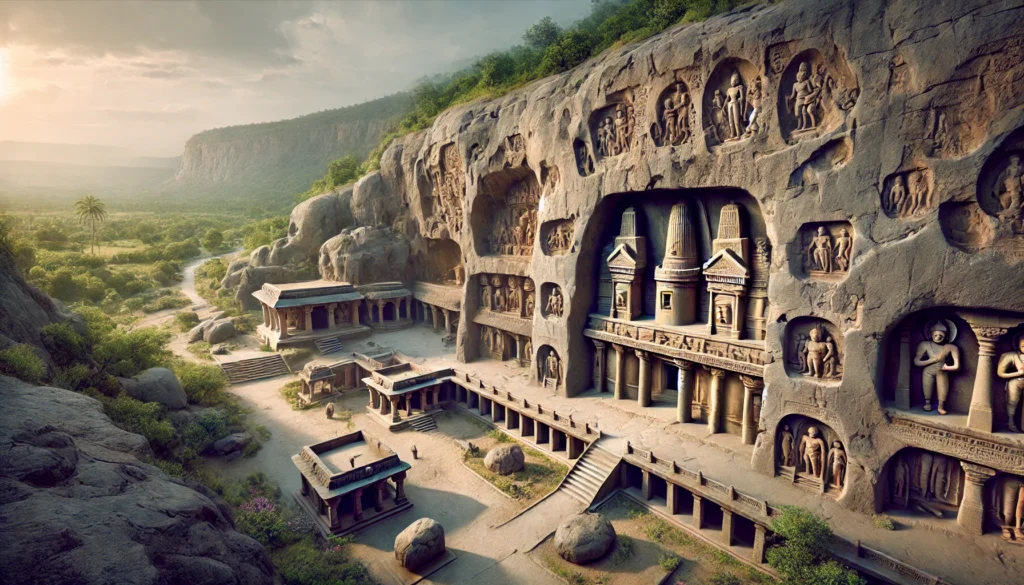
The Ajanta and Ellora Caves are ancient and historical cave complexes located in Maharashtra, India. They represent India’s rich cultural heritage and are recognized by UNESCO as World Heritage Sites. These caves display a unique blend of art, architecture, and religious traditions.

1. Ajanta Caves

Location

Ajanta Caves are located in the Aurangabad district of Maharashtra, near Jalgaon, about 100 km from the Waghora River.

History

  • Constructed over two major periods — first in the 2nd century BCE and later in the 5th century CE.
  • Built as places for meditation, worship, and residence of Buddhist monks.

Features

Paintings and Architecture

  • Famous for extraordinary wall paintings and carvings.
  • Depictions include the life events of Buddha, Bodhisattvas, and Jataka tales.

Caves

  • Total number of caves: 30.
  • Includes Viharas (monasteries) and Chaityas (prayer halls).

Major Caves

  • Cave 1: Chaitya hall.
  • Cave 2: Paintings depicting episodes from Buddha’s life.
  • Cave 17: Famous for detailed murals.
  • Cave 26: Contains a grand Buddha statue.

Art and Paintings

The Ajanta paintings portray Buddhist philosophy, teachings of Buddha, meditation scenes, and intricate artwork. The use of natural colors and fine detailing gives these caves a distinct artistic identity.

Popular Amazon Product

यह product premium build quality, stylish look और reliable performance के लिए जाना जाता है। Personal use और gifting दोनों के लिए एक शानदार विकल्प है।

Check Price on Amazon

2. Ellora Caves

Location

The Ellora Caves are located in the Aurangabad district, about 100 km from Ajanta. They are situated near the village of Ellora and are famous for the Kailash Temple.

History

  • Constructed between the 5th and 10th centuries CE.
  • Represent Buddhist, Hindu, and Jain art, displaying India's diverse religious traditions.

Features

Architecture and Craftsmanship

  • Renowned for massive rock-cut architecture.
  • Kailash Temple is carved from a single mountain and is considered the world’s largest monolithic structure.

Caves Classification

  • Total caves: 34
  • 12 Buddhist caves
  • 17 Hindu caves
  • 5 Jain caves

Major Caves

  • Cave 1: Buddhist Chaitya.
  • Cave 10: Vihara.
  • Cave 16: Kailash Temple.
  • Cave 21: Vishnu sculptures.
  • Cave 32: Jain Tirthankara carvings.

Kailash Temple

This is the world’s only temple carved entirely from a single rock. Its detailed carvings and massive scale make it a marvel of ancient Indian architecture.

Art and Paintings

The Ellora caves beautifully combine Buddhist, Hindu, and Jain artistic traditions. The paintings and carvings depict Lord Shiva, Vishnu, Buddha, and various deities.

Importance of Ajanta and Ellora Caves

  • Cultural Heritage: These caves reflect India's artistic, religious, and cultural traditions.
  • UNESCO World Heritage Sites: Both cave complexes have global recognition.
  • Religious Harmony: Showcases peaceful coexistence of Buddhist, Hindu, and Jain beliefs.

Conclusion

The Ajanta and Ellora Caves are masterpieces of Indian art and architecture. They represent a unique combination of religious devotion, cultural values, and artistic excellence. Visiting these caves is not only a historical exploration but also an opportunity to understand the deeper roots of Indian heritage.

Natural Resources of Maharashtra – Minerals, Water, Forests, Soil & Energy

Natural Resources of Maharashtra

Maharashtra is one of the richest states in India in terms of natural resources. It is blessed with a variety of minerals, forest areas, rivers, fertile agricultural land, and significant energy resources. These resources contribute greatly to the economic and social development of the state.

1. Mineral Resources

Maharashtra has abundant mineral wealth, supporting several major industries such as steel, cement, aluminum, power generation, and chemicals.

(a) Major Minerals

  • Coal: High-quality coal is found in Chandrapur and Nagpur, contributing significantly to power generation.
  • Iron Ore: Large deposits in Gadchiroli support the steel industry.
  • Manganese: Found mainly in Bhandara and Nagpur districts.
  • Bauxite: Located in Kolhapur and Satara, used in aluminum production.
  • Limestone: Essential for cement production; found in many regions.
  • Dolomite & Silica: Useful for glass, chemical, and construction industries.

2. Water Resources

(a) Rivers

Several major rivers flow through Maharashtra, supporting irrigation, drinking water supply, and power generation.

  • Godavari: Also called “Dakshin Ganga”, the largest river in the state.
  • Krishna: Originates from the Western Ghats and is vital for agriculture.
  • Bhima, Tapi, Pench, and Wardha: Important for irrigation and water supply.

(b) Dams and Reservoirs

  • Koyna Dam: Largest dam in Maharashtra; vital for hydropower and irrigation.
  • Ujani Dam: Located on the Bhima River.
  • Jayakwadi Dam: Built on the Godavari River.

The state uses these dams for irrigation, drinking water, and electricity generation.

3. Forest Resources

(a) Forest Area

  • Nearly 20% of Maharashtra is covered by forests.
  • Major forest belts include the Sahyadri (Western Ghats) and Vidarbha region.
  • Important tree species: Teak, Bamboo, Mahua, and Tendu.

(b) Wildlife

  • Tadoba–Andhari Tiger Reserve
  • Melghat Sanctuary
  • Navegaon National Park

These forests are home to tigers, leopards, deer, wild boars, and many bird species.

4. Agricultural Land and Soil

(a) Types of Soil

  • Black Soil (Regur Soil): Found in Vidarbha and Marathwada; ideal for cotton and soybean.
  • Red Soil: Common in the Konkan region; suitable for rice and sugarcane.
  • Sandy & Rocky Soil: Found in the Sahyadri range.

(b) Agricultural Products

  • Main crops: Cotton, soybean, sorghum, millet, sugarcane, and paddy.
  • Horticulture: Grapes, oranges, bananas, mangoes.

Maharashtra is one of India’s leading states in fruit production, especially grapes and oranges.

5. Energy Resources

(a) Hydroelectric Power

The Koyna Hydroelectric Project is one of India’s major hydropower sources. Several other dams also contribute to hydropower generation.

(b) Thermal Power

Thermal power plants at Chandrapur and Parli generate electricity using coal.

(c) Renewable Energy

  • Wind Power: Projects located in Satara, Sangli, and Ahmednagar.
  • Solar Energy: Maharashtra is rapidly expanding solar parks and rooftop solar installations.

6. Marine and Coastal Resources

Maharashtra has a long coastline of approximately 720 km enriched with marine resources.

  • Fishing and salt production are major coastal activities.
  • Coastal districts like Alibaug, Ratnagiri, and Sindhudurg are rich in marine biodiversity.

7. Natural Resources Related to Tourism

Maharashtra’s natural landscapes attract millions of tourists every year.

  • Hill stations: Mahabaleshwar, Lonavala, Khandala, Matheran
  • Trekking spots: Sahyadri mountain range
  • Wildlife safaris: Tadoba, Melghat

Conclusion

Maharashtra is one of India’s richest states in terms of natural resources. Its minerals, forests, water bodies, fertile lands, and renewable energy sources form the backbone of the state’s economy and livelihoods. Proper conservation and sustainable use of these resources will ensure long-term growth and ecological balance.

Education and Science in Maharashtra – Universities, Research, Innovation & Development

Education and Science in Maharashtra

Maharashtra is one of India’s leading states in the fields of education and scientific development. The state is known for its high-quality institutions, research centres, and contributions to national progress. Through advancements in education, science, and technology, Maharashtra has played a significant role in India’s social and economic development.

1. Education System

(a) School Education

  • Several government and private schools operate across the state.
  • The government has introduced schemes like the Saraswati Yojana and free textbook programs to improve literacy and attendance.
  • Education is offered in Marathi, Hindi, and English mediums.
  • E-learning initiatives have expanded digital access in rural areas.

(b) Higher Education

Maharashtra has some of India’s leading universities and colleges.

Major Universities

  • University of Mumbai
  • Savitribai Phule Pune University
  • Rashtrasant Tukadoji Maharaj Nagpur University
  • Dr. Babasaheb Ambedkar Marathwada University
  • Marathwada University

(c) Technical & Vocational Education

  • IIT Bombay: One of India’s premier technical institutes.
  • COEP Pune & VIT Pune: Renowned engineering colleges.
  • Large network of polytechnics and Industrial Training Institutes (ITIs).

(d) Education Reforms

  • Mid-Day Meal Scheme: Encourages school attendance.
  • E-learning Programs: Promote digital education.
  • Women’s Education: Special schemes to support girls’ education.

2. Science and Research

(a) Scientific Institutions

  • Tata Institute of Fundamental Research (TIFR), Mumbai: World-class centre for physics, mathematics, and biology.
  • Bhabha Atomic Research Centre (BARC), Mumbai: India’s major centre for nuclear research and technology.
  • National Chemical Laboratory (NCL), Pune: Leadership in chemical and industrial research.
  • CSIR laboratories contribute significantly to scientific innovation.

(b) Technological Research

  • Research in Artificial Intelligence, Data Science, Robotics, and Software Development.
  • Pune and Mumbai are major hubs of IT and high-tech research.

3. Medical and Health Education

(a) Medical Institutions

  • KEM Hospital, Mumbai
  • BJ Medical College, Pune
  • Teaching of Homeopathy, Ayurveda, and Unani is also widespread.

(b) Biotechnology & Pharmaceuticals

  • Pune and Mumbai are major biotech and pharma research hubs.
  • The National Institute of Virology (NIV), Pune plays a vital national role.

4. Innovation and Startup Culture

  • Mumbai and Pune are emerging as major startup ecosystems in India.
  • The state has introduced the Maharashtra Startup Policy to encourage entrepreneurship.
  • Pune, Navi Mumbai, and Mumbai are major hubs for IT, fintech, and e-commerce innovation.

5. Contribution to Science and Technology

(a) Nuclear Energy

  • BARC and the Tarapur Atomic Power Plant are located in Maharashtra.
  • The state is a major contributor to India’s nuclear power generation.

(b) Space Research

Scientists from Maharashtra contribute significantly to ISRO’s missions and research programs.

(c) Green Energy Research

  • Solar and wind energy projects are rapidly expanding.
  • Research in sustainable and renewable energy is increasing.

6. Spread of Rural Education and Science

  • Various NGOs and institutions work to promote science and education in rural areas.
  • Ralegan Siddhi, led by Anna Hazare, is an example of rural development through education, science, and environmental management.

7. State Government Initiatives

  • Gyanarjan Abhiyan: Focus on providing quality education.
  • Digital India Mission: Promotion of e-learning across the state.
  • Mission Shakti: Encouraging women's participation in science and technology.

Conclusion

Maharashtra has established itself as a leader in education and scientific development. The presence of top universities, research centres, and technological hubs promotes innovation and modern scientific thinking. By combining education with science and technology, Maharashtra continues to contribute significantly to India’s social and economic progress.

Current Scenario of Maharashtra – Political, Economic, Social, Cultural & Environmental Overview

Current Scenario of Maharashtra

Maharashtra is emerging as a rapidly developing and socially dynamic state. It plays a major role in India’s economy, politics, culture, and technological growth. The current scenario reflects both progress and ongoing challenges across multiple sectors.

1. Political Scenario

(a) Present Government

  • The political landscape has undergone major shifts due to the split within Shiv Sena.
  • Shiv Sena (Eknath Shinde faction) formed a government in alliance with the Bharatiya Janata Party (BJP).
  • Political changes influence development speed and stability in the state.

Trending Amazon Product

यह product शानदार quality, attractive design और reliable performance के लिए जाना जाता है। Daily use और gifting दोनों के लिए एक बेहतरीन विकल्प है।

Buy Now on Amazon

(b) Elections and Voting

  • State Assembly elections are held every five years.
  • The upcoming elections will significantly impact the political climate.
  • Key issues include unemployment, development, agrarian distress, and secularism.

2. Economic Scenario

(a) GSDP of the State

  • Maharashtra contributes nearly 15% to India’s total GSDP, making it one of the strongest state economies.
  • Key sectors: Automobiles, pharmaceuticals, agriculture, IT, and services.
  • Mumbai and Pune remain the biggest economic and IT hubs.
  • Cities like Nagpur, Nashik, and Aurangabad are also growing industrial centres.

(b) Agricultural Crisis

  • Regions like Vidarbha and Marathwada face drought and water scarcity.
  • Government initiatives include loan waivers, drought relief packages, and irrigation projects.
  • Efforts are being made to boost agricultural productivity using modern technology.

(c) New Industrial Policy

  • The state has introduced new industrial and startup policies to attract domestic and foreign investments.
  • Special incentives are offered for MSMEs, IT parks, and manufacturing units.

3. Social Scenario

(a) Education and Health

  • Education is improving through e-learning, especially after the COVID-19 pandemic.
  • Health infrastructure has been strengthened with new schemes and digital systems.
  • Special initiatives support women, children, and backward communities.

(b) Women's Rights and Gender Equality

  • The state has strengthened Women’s Commissions and Nari Suraksha initiatives.
  • Programs support women’s education, employment, and entrepreneurship.

4. Environmental and Climate Issues

(a) Lack of Rainfall

  • Several regions suffer from low rainfall leading to water shortages.
  • The government promotes rainwater harvesting and water recycling projects.

(b) Natural Disasters

  • Floods and droughts frequently affect regions such as Kolhapur, Sangli, Nashik, and coastal areas.
  • Climate change has intensified coastal erosion in Ratnagiri, Sindhudurg, and Alibaug.

5. Cultural and Tourism Scenario

(a) Religious Tourism

  • Shirdi, Pandharpur, and Trimbakeshwar attract millions of devotees every year.
  • Ajanta and Ellora Caves remain major global tourist attractions.

(b) Cultural Events

  • Ganesh Utsav, Diwali, and Gudi Padwa are celebrated with immense enthusiasm.
  • Mumbai and Pune host numerous cultural, art, and music festivals.

6. Challenges and Opportunities

(a) Challenges

  • Agricultural crisis in drought-prone regions.
  • Unemployment and rapid urban migration.
  • Environmental problems and climate change impacts.
  • Pressure on urban infrastructure due to population growth.

(b) Opportunities

  • Expansion in IT, services, renewable energy, and tourism sectors.
  • Growing startup ecosystem in Mumbai, Pune, and Nagpur.
  • Development of new industrial corridors and ports.

Conclusion

The current scenario of Maharashtra reflects a balance of development and challenges. With its strong cultural, economic, and scientific foundations, the state continues to progress. However, issues such as agricultural distress, climate change, and political instability require strategic planning and effective governance. Maharashtra has immense potential for future growth through innovation, industrial expansion, and sustainable development.

Leave a Comment

Your email address will not be published. Required fields are marked *

Scroll to Top