
The Maurya Empire (321–185 BCE): A Story of Unification, Governance and Lasting Legacy
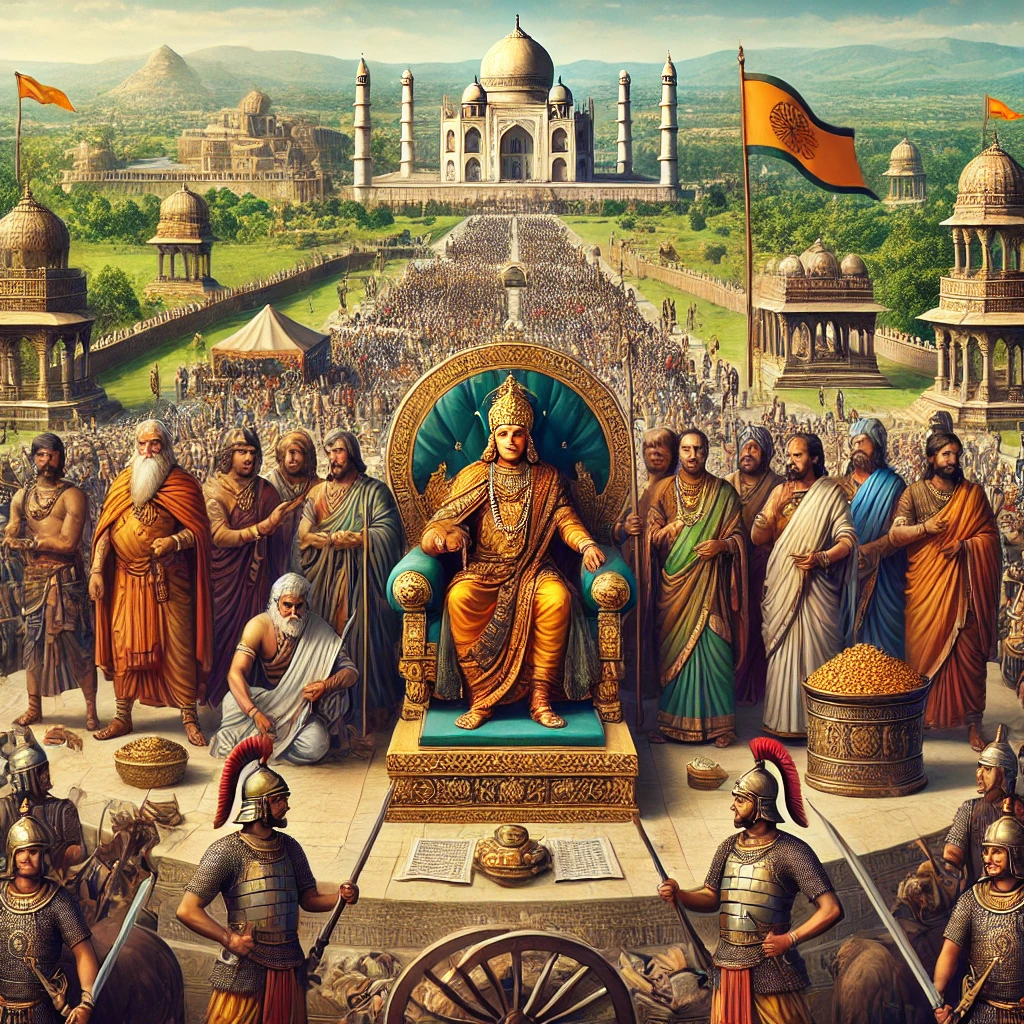
The Maurya Empire was a powerful and extensive ancient Indian empire founded by Chandragupta Maurya. This account preserves the original facts while presenting them as an inspiring and informative narrative for readers and search engines alike.
Topics: Maurya Empire • Chandragupta Maurya • Ashoka • Chanakya • Administration • Cultural contributions
Overview
The Maurya Empire (321–185 BCE) emerged as one of the most influential and far-reaching empires of ancient India. Founded by Chandragupta Maurya, it covered a vast portion of the Indian subcontinent and is remembered for its administrative ingenuity, cultural growth, and economic achievements. The empire’s expansion, governance and contributions form a crucial chapter in Indian history.
Establishment of the Maurya Empire
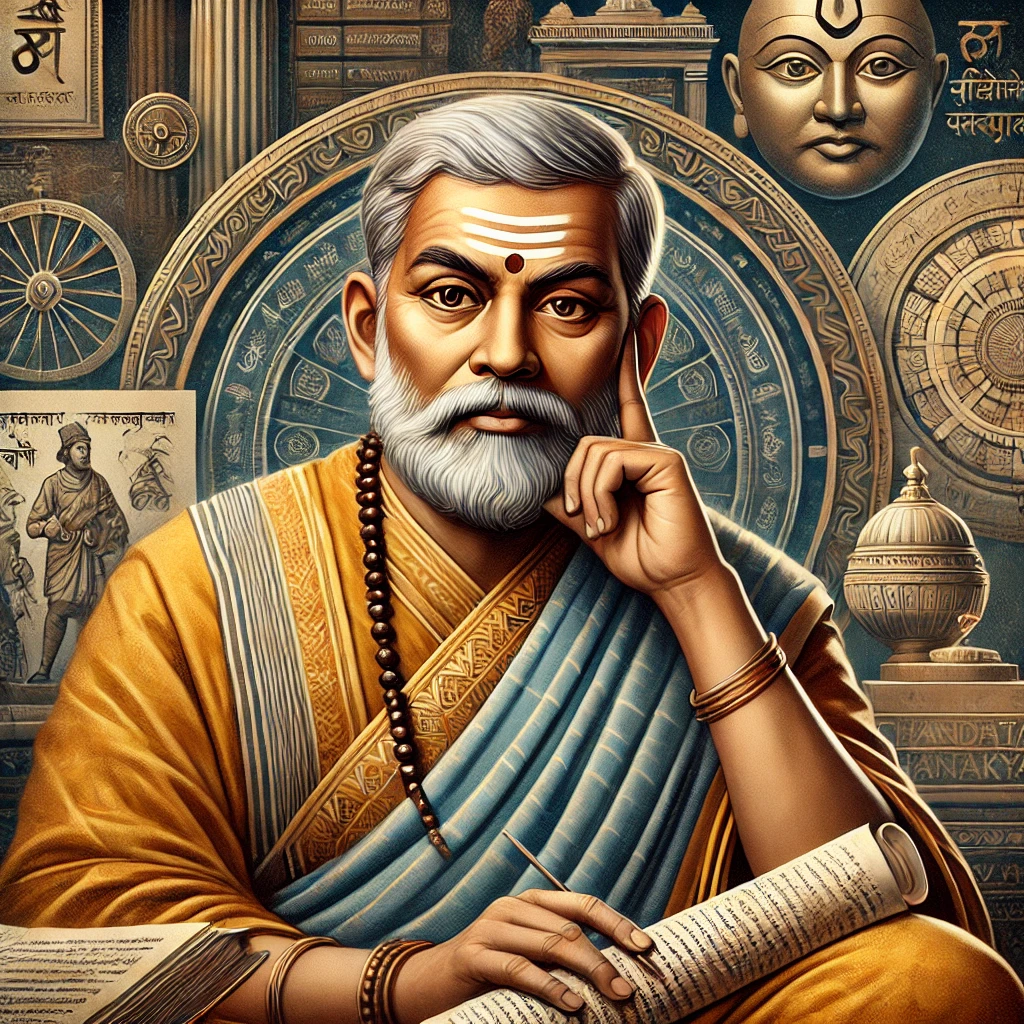
Chandragupta Maurya established the Maurya Empire by defeating the Nanda dynasty in 321 BCE. With the guidance of his advisor Acharya Chanakya (Kautilya), Chandragupta created a firm political and administrative foundation. Chanakya’s treatise on statecraft — often translated as Arthashastra or broadly referred to here as the work on "economics" and governance — became a vital guide for policy and administration.
Background of the Establishment
Fall of the Nanda Dynasty
Before the rise of the Mauryas, Magadha was ruled by the Nanda dynasty. The Nanda ruler Dhanananda was considered oppressive by many. Chandragupta, supported by Chanakya, overthrew the Nandas, captured Magadha, and established a new political order centered at Pataliputra.
Impact of Alexander’s West Asian Campaign
Alexander’s invasion of northwestern India in 326 BCE created a power vacuum after his departure. The regions controlled by his generals experienced instability. Chandragupta seized this opportunity to expand westward and incorporated several northwestern territories into his burgeoning empire.
Contribution of Chanakya
Chanakya (also known as Kauṭilya or Vishnugupta) played a pivotal role as strategist, advisor and administrator. His teachings on political and military strategy provided Chandragupta with the tools to build and stabilize the empire.
Victory of Chandragupta Maurya
Capture of Magadha
Chandragupta defeated the formidable army of the Nanda dynasty and captured Pataliputra, the capital of Magadha. This decisive victory marked the beginning of the Maurya Empire.
Expansion into Northwestern India
Chandragupta successfully confronted Seleucus Nicator, one of Alexander's successors. Around 305 BCE, an agreement between Chandragupta and Seleucus granted Chandragupta control over regions that include parts of modern Afghanistan, Balochistan and western Pakistan. In return, Chandragupta is said to have given Seleucus 500 war elephants.
Unification of Northern and Central India
Through a series of campaigns against smaller kingdoms and tribal polities, Chandragupta unified much of northern and central India under centralized rule — a major political achievement of the era.
Prominent Rulers of the Maurya Dynasty
Chandragupta Maurya (321–297 BCE)
Founder of the Maurya Empire, Chandragupta consolidated power in Magadha and expanded the realm. He confronted the successors of Alexander and extended Mauryan influence into the northwest. In the later years of his life, tradition holds that Chandragupta embraced Jainism and retired to Shravanabelagola in present-day Karnataka.
Bindusara (297–273 BCE)
Bindusara, son of Chandragupta, maintained the unity of the empire and continued territorial consolidation. His reign also saw diplomatic contacts with Hellenistic kingdoms to the west.
Ashoka the Great (273–232 BCE)
Ashoka is the most celebrated Mauryan emperor. After the brutal Kalinga War in 261 BCE, he embraced Buddhism and adopted a policy of non-violence and moral governance. Under Ashoka, the empire reached its zenith. His edicts — carved on pillars and rock surfaces — promoted ethical rule and remain crucial historical evidence. Ashoka’s influence extended beyond India to regions such as Sri Lanka and parts of Central Asia.
Mauryan Administration
The Maurya administration was highly centralized and well organized. Its capital at Pataliputra (modern-day Patna) served as the administrative heart.
Administrative Structure
- The empire was divided into provinces governed by appointed officials often called kumars or governors.
- A structured tax system supported the state’s revenue needs and public works.
- There were formal judicial procedures and careful management of the army and civil services.
Role of Pataliputra
Pataliputra functioned as a political, economic and cultural hub. Its strategic location facilitated control over trade routes and communication across the empire.
Fall of the Empire
After Ashoka’s death, the Maurya Empire gradually weakened due to political fragmentation and administrative challenges. In 185 BCE, the last Mauryan ruler, Brihadratha, was overthrown by his general Pushyamitra Shunga, who founded the Shunga dynasty. This event effectively ended Mauryan dominance.
Importance & Legacy
The Maurya Empire was the first to bring almost the entire Indian subcontinent under a unified administration. Its achievements shaped the foundations of Indian politics, administration and culture for centuries to come.
Why the Maurya Empire Matters
- It established a model for centralized governance across a vast territory.
- Chanakya’s political thought influenced later statecraft and administration.
- Ashoka’s edicts and patronage of Buddhism had far-reaching cultural and religious consequences.
- The empire fostered trade, arts and architectural innovations that left a lasting heritage.
Conclusion
The story of the Maurya Empire — from Chandragupta’s rise to Ashoka’s moral transformation and the empire’s eventual decline — is a powerful chapter in India's past. It blends military achievement, sophisticated administration, cultural patronage, and moral governance into a narrative that continues to inspire historians and readers alike.
Acharya Chanakya (Kautilya or Vishnugupta)
Acharya Chanakya was a great statesman, economist, philosopher, and strategist of ancient India. He was the chief architect behind the establishment of the Maurya Empire and the guiding force of Chandragupta Maurya. His ideas shaped Indian politics of his time and continue to influence economics, governance, and leadership even today.
Biography of Acharya Chanakya
Birth and Early Life
- Chanakya was born around 375 BCE in Takshashila (modern Pakistan).
- He belonged to a Brahmin family and was known for his sharp intellect from childhood.
- He studied politics, economics, philosophy, and diplomacy at Takshashila University.
Chanakya and the Nanda Dynasty
Chanakya took a vow to overthrow Dhanananda, the last ruler of the Nanda dynasty of Magadha, due to his tyranny and arrogance. Using his strategic brilliance, he prepared Chandragupta Maurya and paved his way to the throne.
Contribution to the Establishment of the Maurya Empire
- Chanakya trained Chandragupta and helped form a strong army to defeat the Nanda dynasty.
- He taught him military strategy, diplomacy, and statecraft.
- His policies helped the Maurya Empire become India’s first large, organized, and powerful empire.
Compositions of Chanakya
1. Arthashastra
Arthashastra is Chanakya’s most influential work. It is a comprehensive treatise on governance, state administration, political diplomacy, justice, taxation, economy, military organization, and “Rajdharma.”
Key Features of Arthashastra
- Explains structure of the state and duties of the king.
- Covers tax system, agriculture, trade, and economic management.
- Describes internal security, military strategy, and espionage.
- Contains more than 6000 verses in 15 books (Adhikarana).
2. Chanakya Niti
Chanakya Niti is a collection of practical wisdom describing life, ethics, leadership, society, and political principles. It provides guidelines for morality, success, and personal development.
Policies of Chanakya
Political Diplomacy
- “The enemy’s enemy is a friend.”
- “Wait like a snake and strike at the right time.”
- Use of spies to gather information and weaken enemies.
Empire Expansion
- Strategic guidance on military campaigns and territorial expansion.
- Protection and management of kingdom boundaries.
Economic Policies
- Tax and revenue system to strengthen state finances.
- Promotion of agriculture, trade, and market regulation.
Governance
- The king must prioritize public welfare above personal luxury.
- Just, knowledgeable, farsighted, and disciplined leadership.
Historical Role of Chanakya
- He not only established but also stabilized the Maurya Empire.
- His ideas shaped Chandragupta into an efficient and powerful ruler.
- His vision ensured political unity and administrative strength.
Importance of Chanakya
Chanakya is often regarded as the “Father of Indian Politics.” His teachings hold relevance in modern management, economics, diplomacy, and leadership. His life is a symbol of how strategy, intellect, and determination can change the direction of history.
Arthashastra – The Great Treatise by Chanakya
Arthashastra is an important Sanskrit text written by Acharya Chanakya (Kautilya) explaining governance, economics, diplomacy, and social administration in ancient India. Written during Chandragupta Maurya’s reign, it became the foundation of the Mauryan administrative system.
Purpose of Arthashastra
The main purpose of Arthashastra was to present principles of administration, economic management, social order, and the establishment of a powerful, organized state. It emphasizes the duties of the king, governance, security, and welfare of the people.
Major Topics in Arthashastra
1. Establishment and Administration of the State
The state’s primary goal is the security and welfare of its people.
The Seven Parts of the State (Saptanga)
- Swami (King)
- Amatya (Minister)
- Janapada (People & Territory)
- Durg (Fort)
- Kosha (Treasury)
- Danda (Justice/Military Power)
- Mitra (Allied States)
2. Economy
- Agriculture, trade, and taxation form the backbone of the state economy.
- Encourages trade and revenue strengthening measures.
- Taxation must be organized and not burdensome.
3. Justice System
- Justice is essential for social stability.
- Strict laws against crime.
- Detailed explanation of Danda Niti (Policy of Punishment).
4. Diplomacy & Military Strategy
- Use of “Sam, Daam, Dand, Bhed.”
- War strategy, preparation, and espionage system.
- Expansion of political influence through diplomacy.
5. Duties of the King
- The king must be knowledgeable in dharma, economics, and politics.
- Should be just, disciplined, and welfare-oriented.
6. Internal & External Security
- Forts, army structure, and spy network.
- Policies to counter internal rebellions and foreign invasions.
Nature of Arthashastra
- Written in Sanskrit.
- 15 books (Adhikarana).
- Over 6000 verses.
- Practical and realistic approach.
Modern Relevance of Arthashastra
Management & Leadership
Chanakya’s principles support organizational leadership, planning, and problem-solving.
Economic Policies
Taxation, trade promotion, and economic management remain relevant even today.
Politics & Diplomacy
The principles of “Sam, Daam, Dand, Bhed” still guide modern diplomacy.
Security & Intelligence
The concept of internal security and intelligence networks forms the basis of modern security systems.
Importance of Arthashastra
Arthashastra is the first systematic treatise on Indian administration and politics. It shaped the foundation of the Mauryan Empire and continues to inspire governance, leadership, and political science globally.

Major Rulers of the Maurya Empire
The Maurya Empire (321 BC – 185 BC) was one of the largest and most organized empires in Indian history. Its rulers contributed greatly to the political, cultural, and economic development of the Indian subcontinent. Three major rulers are especially significant for their achievements and vision.
1. Chandragupta Maurya (321–297 BC)
Establishment of the Empire
- Defeated the Nanda dynasty and laid the foundation of the Maurya Empire.
- Established a strong centralized administration with guidance from Chanakya.
Military Campaigns
- Defeated Alexander’s generals in northwestern India.
- In 305 BC, annexed modern Afghanistan, Balochistan, and western Punjab.
Administration & Religion
- Created a well-structured administrative machinery.
- In his later years, adopted Jainism and took *sanyasa* at Shravanabelagola (Karnataka).
2. Bindusara (297–273 BC)
Consolidation of the Empire
- Bindusara, son of Chandragupta, expanded the empire further.
- Added several regions of South India to the Mauryan territory.
Greek Relations
- Established diplomatic relations with Greek rulers.
- Encouraged exchange of philosophical and religious ideas.
Religious Inclinations
Bindusara was a follower of the Ajivika sect.
3. Ashoka the Great (273–232 BC)
Peak of the Maurya Empire
Ashoka, son of Bindusara, took the Mauryan Empire to its greatest extent — from the Himalayas to Karnataka, and from Afghanistan to Bengal.
Kalinga War (261 BC)
The massive loss of life in the Kalinga War led Ashoka to abandon violence and adopt Buddhism.
Religion & Administration
- Promoted nonviolence, peace, and religious tolerance.
- His inscriptions and pillars reflect Buddhist teachings and state policies.
- Spread Buddhism in India and abroad (Sri Lanka, Central Asia).
Art & Architecture
- Many stupas and monuments, including the Sanchi Stupa, were constructed during his reign.
- Ashoka’s rock and pillar edicts are historical treasures.
Other Mauryan Rulers
Dasharatha Maurya
- Grandson of Ashoka.
- Patronized Buddhist stupas and continued Ashoka’s policies.
Brihadratha Maurya
- The last ruler of the Maurya dynasty.
- Assassinated in 185 BC by his commander Pushyamitra Shunga, who founded the Shunga dynasty.
Significant Contributions of Maurya Rulers
- Chandragupta laid the foundation.
- Bindusara expanded the empire.
- Ashoka gave it moral, cultural, and spiritual glory.
The Maurya Empire is considered one of the golden eras of Indian history due to its unity, governance, cultural achievements, and administrative brilliance.
Mauryan Administration
The Maurya Empire (321–185 BC) had one of the most organized, efficient, and centralized administrative systems in ancient India. Much of this system was influenced by the teachings of Chanakya and the principles of the Arthashastra.
Main Features of Mauryan Administration
1. Central Administration
The King
- The king was the supreme authority in administrative, military, and judicial matters.
- Expected to rule based on justice and righteousness.
- Ashoka made “Dhamma” the foundation of his governance.
Council of Ministers (Mantri Parishad)
- Assisted the king in decision-making.
- Included Amatyas (ministers), Senapatis (army chiefs), and Purohitas (religious advisors).
Officer Class
- Different departments such as finance, agriculture, security, and intelligence.
- Mahamatya – Chief administrative officer.
- Sannidhata – Head of the treasury.
- Samaharta – Head of tax collection.
- Yukta – In charge of accounts and documentation.
2. Provincial Administration
The empire was divided into four main provinces:
- Eastern Province (Magadha) – Capital: Pataliputra
- Western Province – Capital: Taxila
- Southern Province – Capital: Suvarnagiri
- Northern Province – Capital: Ujjaini
Each province was governed by a Kumara (prince) representing the king. Officers such as Mahamatras and Yuktas assisted in administration.
3. District & Village Administration
District Administration
- Each district had a Rajuk responsible for land survey, tax collection, and law enforcement.
Village Administration
- Gramik was the head of village administration.
- Village councils (Gram Sabha) assisted in daily governance.
4. Justice System
- The king acted as the supreme judge.
- Local courts settled disputes at village and district levels.
- Emphasis on crime control and punishment under “Danda Niti.”
- Ashoka integrated his “Dhamma” into judicial policies.
5. Military System
- The Mauryan army was vast and well-organized.
- Components included infantry, cavalry, chariots, and elephants.
- Army commanders oversaw its functioning.
- A special military commission inspected military departments.
6. Intelligence System
- The Mauryan spy network was extremely sophisticated.
- “Guptcharas” (spies) monitored internal and external threats.
- This system helped prevent rebellions and invasions.
7. Economic Administration
Revenue System
- Land tax was the primary source of revenue.
- Other taxes included trade tax, water tax, and income from forests and mines.
Agriculture & Trade
- Agriculture was the backbone of the economy.
- Roads, irrigation systems, and ports were developed to promote trade.
Public Works
- Infrastructure development such as roads, canals, and urban planning was prioritized.
8. Religious & Cultural Administration
- Ashoka emphasized religious tolerance and ethical conduct.
- Appointed “Dhamma Mahamatras” to spread moral teachings.
Characteristics of Mauryan Administration
- Highly centralized governance.
- Efficient and structured bureaucracy.
- Rule based on justice and religion.
- Strong military and intelligence networks.
- Focus on welfare and economic development.
The Mauryan administration was one of the most advanced systems of its time, ensuring the empire remained powerful, stable, and united.

Maurya Empire – Social and Cultural Contribution
The Maurya Empire (321 BC – 185 BC) holds a significant place in the history of the Indian subcontinent. It not only unified the region politically but also enriched the social and cultural fabric of ancient India.
Social Contributions of the Maurya Empire
1. Social Organization and Class Divisions
- Society was divided into four varnas: Brahmins, Kshatriyas, Vaishyas, and Shudras.
- Social structure was guided by religion, cultural traditions, and economic roles.
2. Status of Women
- Women enjoyed respect but most roles were centered around family and household responsibilities.
- During Ashoka’s reign, moral teachings for women were promoted.
- Women participated in Buddhist Sanghas and religious-social activities.
3. Religion and Social Harmony
- Multiple religions coexisted peacefully during the Mauryan period.
- Ashoka promoted Buddhism but respected all religions equally.
- Compassion, morality, and non-violence became social values.
4. Public Welfare Measures
- Construction of roads, wells, and rest houses for travelers.
- Establishment of hospitals and medical facilities.
- Development of infrastructure to support trade and travel.
5. Control of Slavery
- Slavery existed but was regulated.
- Ashoka’s edicts ordered humane treatment of slaves and servants.
Cultural Contributions of the Maurya Empire
1. Religion and Philosophy
Buddhism
- Ashoka adopted Buddhism and promoted it as state policy.
- Construction of Viharas, Stupas, and support for Buddhist Sanghas.
Jainism
- Chandragupta Maurya embraced Jainism in his final years.
- The empire helped spread Jain values and traditions.
Ajivika Sect
- Bindusara was devoted to the Ajivika sect.
2. Architecture and Art
- The Mauryan era is considered a golden age of Indian art and craftsmanship.
- Stupas: Sanchi and Bharhut are famous examples.
- Inscriptions: Ashoka’s edicts written in Brahmi and Kharosthi scripts.
- Palaces & Forts: The palace of Pataliputra showcased superior wood and stone architecture.
3. Literature and Education
- Takshashila and Nalanda were major educational centers.
- Texts such as Arthashastra guided administration and economics.
- Buddhist scriptures like the Tripitaka and Jataka tales were developed.
4. Language and Script
- Brahmi and Kharosthi were widely used scripts.
- Ashoka’s inscriptions helped spread Brahmi script across India.
5. Music and Drama
- Music and theatre flourished during this period.
- Art forms were used to spread Buddhist teachings.
Cultural Impact of Ashoka’s Dhamma
Ashoka introduced “Dhamma,” a moral and ethical code promoting social harmony.
Key Elements of Dhamma
- Non-violence and compassion.
- Respect for all religions.
- Kindness towards animals and human beings.
Ashoka appointed “Dhamma Mahamatras” to spread ethical teachings and welfare activities across the empire.
International Cultural Influence
- Ashoka sent his children Mahendra and Sanghamitra to Sri Lanka to spread Buddhism.
- Buddhism spread further to Central Asia, China, Tibet, and Southeast Asia.
- Mauryan trade and diplomacy helped Indian culture reach global prominence.
Summary of Social & Cultural Contribution
The Maurya Empire laid the foundation for social unity, religious tolerance, public welfare, and cultural growth. Its achievements in art, literature, architecture, and ethical governance enriched India’s heritage for centuries.
Importance of the Maurya Empire
The Maurya Empire (321 BC – 185 BC) is one of the most important chapters in Indian history. It was the first large empire to unify most of the Indian subcontinent and left long-lasting impacts in every field.
1. Political Significance
National Unity
- Unified the subcontinent from the Himalayas to Karnataka and from Afghanistan to Bengal.
Centralised Administration
- Developed an organised and powerful administrative structure.
- Strengthened law, order, and governance.
Military Power
- Maintained a vast, well-organized army.
- Enabled expansion and strong defense.
2. Social Significance
Religious Tolerance
- Coexistence of Buddhism, Jainism, and Vedic traditions.
- Ashoka promoted harmony among religions.
Social Reform
- Ashoka’s Dhamma emphasized morality, non-violence, and compassion.
- Encouraged humane treatment of servants and slaves.
Public Welfare
- Development of wells, roads, hospitals, and rest houses.
3. Economic Importance
- Growth in internal and external trade.
- Major trade centers: Takshashila, Pataliputra, Ujjaini.
- Well-organized revenue and taxation system.
- Expansion of agriculture through irrigation and land reforms.
4. Cultural Significance
- Buddhism spread to Sri Lanka, China, Tibet, and Southeast Asia.
- Development of Buddhist and Jain philosophy.
- Mauryan stupas, inscriptions, and pillars enriched Indian art.
- Widespread use of Brahmi and Kharosthi scripts.
5. International Importance
- India gained cultural identity worldwide due to spread of Buddhism.
- Diplomatic relations with Greeks and other foreign rulers.
- Megasthenes visited Pataliputra during Chandragupta’s reign.
6. Environmental and Animal Welfare
- Ashoka restricted hunting and animal slaughter.
- Established shelters and sanctuaries for animals.
7. Administrative Importance
- Advanced administrative system based on Chanakya’s Arthashastra.
- Efficient governance from province to village levels.
- Strong intelligence network prevented rebellions.
8. Long-term Historical Impact
- Influenced later empires such as the Guptas and Mughals.
- Promoted ethical governance and cultural development.
The Maurya Empire was India’s first great empire, leaving an indelible mark through political unity, cultural richness, and social progress.
Fall of the Maurya Empire
The fall of the Maurya Empire marked the end of one of the most powerful and influential empires in Indian history. After flourishing for approximately 136 years, the empire declined due to a combination of internal weaknesses, administrative failures, economic issues, and external invasions.
Reasons for the Fall of the Maurya Empire
1. Ashoka’s Policies and Influence
Policy of Dhamma
- Ashoka ruled according to “Dhamma” (Buddhist ethics), renouncing war and violence.
- This weakened the military strength and made defense difficult.
- Successors of Ashoka failed to continue or implement Dhamma effectively, resulting in political instability.
Overemphasis on Religion
- Ashoka focused more on spreading Buddhism than strengthening the military or economy.
2. The Problem of Succession
- Ashoka’s successors were weak and inefficient.
- Internal rebellions and power struggles increased.
- Leadership quality declined, weakening central authority.
3. Challenges of Governing a Vast Empire
- The large size of the empire made control difficult.
- Distant provinces drifted toward autonomy.
- Central authority weakened in frontier regions.
4. Administrative Weaknesses
- The efficient administration established by Chanakya and Ashoka deteriorated under later rulers.
- Corruption, inefficiency, and negligence increased.
- Provincial governors began asserting independence.
5. Financial Problems
- Ashoka’s welfare programs and propagation of Dhamma strained the treasury.
- Maintaining a huge army and administration became expensive.
- Deterioration of the taxation system weakened finances.
6. Military Weakness
- The military declined after Ashoka's reign.
- Non-violence policies reduced military enthusiasm and preparedness.
- Insufficient preparation to face invasions and revolts.
7. External Aggressions and Revolts
- After Ashoka, the borders weakened significantly.
- Greek and Saka invasions increased in the northwestern regions.
- Rebellions occurred in South India and Central India.
- Provincial rulers demanded autonomy and broke away.
8. Assassination of Brihadratha & Rise of Shunga Dynasty
- Brihadratha, the last Mauryan ruler, was weak.
- In 185 BCE, his general Pushyamitra Shunga assassinated him and founded the Shunga dynasty.
- This event marked the formal end of the Maurya Empire.
Consequences of the Fall of the Maurya Empire
1. Political Fragmentation
- After the fall, India was divided into many regional kingdoms.
- Dynasties such as the Shunga, Satavahana, and Kushan rose to prominence.
2. Continued Influence of Buddhism
- Despite the fall, Buddhism continued to spread in India and Southeast Asia.
3. Rise in External Attacks
- Northwestern India came under frequent invasion from Greeks, Shakas, and Kushans.
4. Influence of the Administrative Model
- The Mauryan administrative and revenue system inspired later kingdoms, including the Gupta Empire.
Summary
The fall of the Maurya Empire resulted from weak successors, administrative failures, financial decline, and external pressures. However, its legacy remained strong.
- The empire became a symbol of political unity and cultural harmony.
- Its administration, art, and religious ideas influenced future generations.
- The decline marked the end of an era but laid foundations for the coming ages.
Conclusion
The fall of the Maurya Empire marked the end of one of the greatest political powers of ancient India. Although the decline resulted from weak successors, administrative failures, economic strain, and external invasions, the legacy of the Mauryas continued to shape Indian civilization for centuries. Their contributions to political unity, ethical governance, public welfare, art, architecture, and religious tolerance laid a strong foundation for future kingdoms. The Maurya Empire may have ended, but its influence remained alive in India's cultural, social, and administrative traditions, making it a timeless chapter in Indian history.
References
- Romila Thapar — Aśoka and the Decline of the Mauryas, Oxford University Press.
- R. K. Mookerji — Chandragupta Maurya and His Times, Motilal Banarsidass.
- D. D. Kosambi — An Introduction to the Study of Indian History.
- Upinder Singh — A History of Ancient and Early Medieval India, Pearson.
- Mauryan Inscriptions and Ashokan Edicts — Archaeological Survey of India (ASI).
- Megasthenes — Indica (Greek ambassador’s account of Mauryan administration).
- Arthashastra of Kautilya — Translated editions, various publishers.

Social and Cultural Contributions
The Mauryan era witnessed notable developments in religion, art, architecture and language.
Religion
Buddhism and Jainism both received patronage and spread significantly during this period. Ashoka’s conversion to Buddhism especially accelerated the religion’s propagation.
Language, Inscriptions & Architecture
Ashoka’s inscriptions (edicts) on pillars and rocks are among the earliest epigraphic records of Indian languages and scripts. Architecturally, the period saw the construction of stupas, viharas and stone pillars — many of which survive as archaeological treasures.