
What Are International Relations?
International Relations (IR) is the study that develops an understanding of the political, economic, cultural, and social relationships between different countries. It examines the events and interactions that occur among nations, governments, international organizations, and even non-political institutions.
In a world where borders exist but challenges are shared, international relations helps us understand how countries connect, cooperate, compete, and sometimes conflict with one another.
Purpose of Studying International Relations
The main purpose of international relations is to understand how countries interact with each other and why cooperation and conflict arise between them. It also explains how global issues—such as war, peace, human rights, trade, and environmental crises—require collective action from multiple nations.
From diplomatic negotiations to global summits, international relations provides the framework to analyze how decisions made in one country can influence the entire world.
My Learning Experience: Understanding the Global System
While studying international relations, I realized that global politics is not just about powerful nations or military strength. It is equally about dialogue, perception, historical experiences, and economic realities. Each country operates with its own priorities, fears, and aspirations.
This perspective helped me understand why the same global issue—such as climate change or human rights—can be viewed differently by different nations. International relations taught me patience, critical thinking, and the importance of seeing the world through multiple lenses.
Major Theories of International Relations
To understand global interactions systematically, scholars use different theories and approaches. These theories explain why states behave the way they do on the international stage.
1. Realism
Realism believes that the primary objective of countries is to protect their national security and interests. According to this theory, power—especially military and economic power—plays the most important role in international relations.
2. Liberalism
Liberalism emphasizes cooperation between countries. It argues that international institutions, trade, and diplomacy can reduce conflict and help solve global problems through collective efforts.
3. Marxism
Marxism views international relations through the lens of economic inequality and class struggle. It focuses on how capitalism and global economic systems shape power relations between developed and developing nations.
4. Constructivism
Constructivism highlights that the behavior of countries is influenced by ideas, culture, social norms, and historical experiences. It argues that material power alone does not determine international actions.
Key Areas Covered in International Relations
The study of international relations aims to understand how global policy is conducted and how the international system functions. Major areas include:
- War and peace
- International trade and economics
- Human rights and humanitarian issues
- Environmental challenges and climate cooperation
- Role of international organizations like the UN and WTO
These topics show how interconnected the modern world has become and why no country can act in complete isolation.
Why International Relations Matters Today
In today’s globalized world, international relations is more relevant than ever. From pandemics to cybersecurity threats, global challenges demand shared solutions. Understanding international relations helps citizens, students, and policymakers make informed decisions and promote peaceful coexistence.

⭐ Editor's Choice
Discover a highly rated product selected for its quality, functionality, and positive customer feedback.
View Details & Reviews →It also encourages responsible global citizenship by reminding us that actions at the national level often have international consequences.
Frequently Asked Questions (FAQs)
What is International Relations in simple words?
International Relations is the study of how countries interact with each other in areas such as politics, economics, culture, security, and diplomacy.
Why is International Relations important?
It is important because it helps us understand global conflicts, cooperation, international laws, and how countries work together to solve shared problems.
What are the main theories of International Relations?
The main theories are Realism, Liberalism, Marxism, and Constructivism, each offering a different explanation of global political behavior.
Who studies International Relations?
International Relations is studied by students, researchers, diplomats, policymakers, journalists, and anyone interested in global affairs.
Is International Relations useful for competitive exams?
Yes, it is highly relevant for competitive exams such as UPSC, State PCS, and other exams related to political science and global studies.
Internal Reading Suggestions
- India–US Relations: Strategic Partnership and Challenges
- Importance of Bureaucracy in Governance
- Globalization and World Politics Explained
Conclusion
International Relations provides a structured way to understand the complex web of global interactions. By studying its theories, issues, and real-world applications, we gain deeper insight into how the world functions and how cooperation can shape a more stable and peaceful future.
History of International Relations
The history of International Relations (IR) is closely linked to the early stages of human civilization, when different societies and empires began interacting with one another. While contact between civilizations existed in ancient times, the theoretical and institutional foUNdations of modern international relations developed mainly after the 17th century.
The evolution of international relations can be understood through major historical periods and key global events that shaped how states interact today.
1. Ancient Period
In ancient times, interactions between civilizations were limited in scope. Civilizations such as Egypt, Mesopotamia, China, and India engaged in trade, warfare, and occasional diplomatic exchanges. These interactions were mostly regional and localized in nature.
Although treaties, trade agreements, and political alliances existed, the concept of international relations as a structured and systematic field had not yet developed.
2. Medieval Period
During the Middle Ages, Europe was dominated by feudal systems and the influence of the Church. Despite internal fragmentation, states continued to interact through war, trade, and diplomacy.
Key Developments
- The Crusades increased contact between Europe and Arab countries.
- The Silk Road connected China with Central Asia and Europe, promoting trade and cultural exchange.
Diplomacy during this period largely focused on dynastic politics and internal power struggles. A global understanding of international relations remained limited.
3. Peace and War Periods (16th–17th Centuries)
The 16th and 17th centuries witnessed frequent wars in Europe, most notably the Thirty Years’ War (1618–1648). This conflict was driven by religious and political tensions and significantly disrupted the European balance of power.
Treaty of Westphalia (1648)
The war ended with the Treaty of Westphalia, which is widely regarded as the foundation of modern international relations. It introduced:
- The principle of state sovereignty
- Recognition of state independence
- The idea of a balance of power
This treaty laid the groundwork for the modern nation-state system.
4. 18th and 19th Centuries: Industrial Revolution and Imperialism
The late 18th and early 19th centuries marked a major transformation in international relations due to the Industrial Revolution and Imperialism.
European powers such as Britain, France, and Spain expanded their empires across Asia, Africa, and Latin America. This expansion widened the scope of International trade, diplomacy, and conflict.
Congress of Vienna (1815)
After the Napoleonic Wars, the Congress of Vienna aimed to restore stability and establish a balance of power in Europe, helping maintain relative peace for several decades.
However, by the end of the 19th century, growing rivalries and militarism eventually led to World War I, reshaping global power relations.
5. 20th Century: Development of Modern International Relations
The 20th century dramatically changed the nature of international relations.
World Wars
- World War I (1914–1918)
- World War II (1939–1945)
These wars transformed global politics and highlighted the need for collective security and cooperation.
Formation of International Organizations
After World War II, countries established institutions such as the United Nations (1945) to promote peace and prevent future conflicts.
Cold War Era (1947–1991)
During the Cold War, the world was divided into two major blocs led by the United States and the Soviet Union. Military alliances like NATO and the Warsaw Pact emerged, and global politics was dominated by ideological rivalry and nuclear tension.
6. Institutional Approach and Global Organizations
In the post–Cold War period, international institutions gained greater importance. Organizations such as:
- United Nations (UN)
- World Trade Organization (WTO)
- International Monetary Fund (IMF)
- World Bank
These institutions aimed to promote global development, economic stability, and international cooperation.

⭐ Editor's Choice
Discover a highly rated product selected for its quality, functionality, and positive customer feedback.
View Details & Reviews →New global concerns such as human rights, environmental protection, terrorism, and global security became central to international relations.
Regional Organizations
Regional bodies like the European Union also emerged, creating new forms of economic and political cooperation.
7. 21st Century: Globalization and New Challenges
In the 21st century, international relations has expanded beyond traditional diplomacy and warfare.
Key Influencing Factors
- Globalization and information technology
- Environmental crises and climate change
- Terrorism and global security threats
- Global health crises such as COVID-19
- Advances in modern military technologies
The rising global influence of countries like China and India, along with competition among traditional powers such as the USA, Russia, and the European Union, has further complicated international politics.
Frequently Asked Questions (FAQs)
What is the history of International Relations?
The history of International Relations traces how interactions between states evolved from ancient civilizations to modern global institutions and globalization.
Why is the Treaty of Westphalia important?
The Treaty of Westphalia (1648) introduced the principles of state sovereignty and independence, forming the foundation of the modern nation-state system.
How did World Wars change International Relations?
World Wars led to the creation of international organizations, collective security systems, and new approaches to diplomacy and global governance.
What role does globalization play in modern International Relations?
Globalization has increased interdependence among countries, expanding international relations to include technology, health, environment, and global economics.
Internal Reading Suggestions
- What Are International Relations?
- India–US Relations: Cooperation and Challenges
- Globalization and World Politics
Conclusion
The history of international relations has evolved continuously, shaped by civilizations, wars, treaties, and institutions. Today, international relations not only define political and economic interactions between states but also address global challenges such as environmental crises, human rights, and global security. Understanding this historical evolution helps us better navigate the complexities of the modern world.
Major Theories of the Study of International Relations
The study of International Relations (IR) involves various theories and perspectives that help us understand global politics, diplomacy, conflict, and cooperation. These theories explain why international relationships between countries are formed, how they function, and what objectives they serve.
Each theory provides a unique lens through which global events and state behavior can be interpreted. Below is a structured explanation of the major theories of International Relations.
1. Realism
Realism is the oldest and most influential theory of International Relations. It views international politics primarily as a struggle for power, security, and national interest. According to realists, the international system is anarchic, meaning there is no central authority above states.
In the realist perspective, world politics is characterized by minimum cooperation and maximum competition, where survival is the primary goal of every state.
Key Points of Realism
- Human nature tends to seek power, leading naturally to conflict and war.
- The primary objective of states is to protect national security and political independence.
- Sovereignty and state autonomy are of utmost importance.
- The balance of power helps prevent dominance by any single state.
Key Thinkers of Realism
- Thucydides
- Niccolò Machiavelli
- Hans Morgenthau
2. Liberalism
Liberalism (also known as classical liberal theory) stands in contrast to realism. It argues that cooperation, trust, and mutual benefits are possible in international relations. Liberalism believes that conflicts are not permanent and can be reduced through institutions, law, and diplomacy.
This theory emphasizes global peace, economic interdependence, and democratic governance.
Key Points of Liberalism
- international cooperation and institutions (such as the UN and WTO) are essential.
- Wars and conflicts can be overcome through dialogue and institutional mechanisms.
- The spread of trade and democracy promotes peace and prosperity.
- International law and legal frameworks support global stability.
Key Thinkers of Liberalism
- Immanuel Kant
- Woodrow Wilson
- Robert Keohane
3. Marxism
Marxism analyzes international relations through the lens of economic structures, class struggle, and capitalism. It argues that global politics is shaped by economic exploitation and inequality between rich and poor countries.
According to Marxists, powerful capitalist states and multinational corporations dominate and exploit underdeveloped countries.
Key Points of Marxism
- International politics is driven by economic inequality and exploitation.
- Capitalist states exploit underdeveloped and developing countries.
- Global relations reflect international class struggle.
- Change occurs through the dialectical process of conflict and transformation.
Key Thinkers of Marxism
- Karl Marx
- Friedrich Engels
- Vladimir Lenin
4. Constructivism
Constructivism is a relatively modern theory of International Relations. It argues that international politics is shaped not only by material power and economic interests but also by ideas, identity, culture, and social norms.
This theory emphasizes that state behavior is influenced by how states perceive themselves and others.

⭐ Editor's Choice
Discover a highly rated product selected for its quality, functionality, and positive customer feedback.
View Details & Reviews →Key Points of Constructivism
- Society and culture significantly influence international relations.
- State behavior is shaped by national identity and social constructs.
- Global structures are influenced by shared ideas and beliefs.
- Reality in international relations is socially constructed.
Key Thinkers of Constructivism
- Alexander Wendt
- Peter Katzenstein
5. Feminism
Feminism is a contemporary approach to International Relations that focuses on gender, equality, and social justice. It challenges traditional theories for ignoring the role of women and gender-based inequalities in global politics.
Feminist scholars argue that international relations have historically been dominated by male perspectives, which has shaped policies and institutions.
Key Points of Feminism
- Gender-based inequality affects diplomacy, security, and global politics.
- Focus on women’s representation and equal rights.
- Emphasis on social justice and inclusive governance.
- Highlights overlooked experiences in war, peace, and development.
Key Thinkers of Feminism
- J. Ann Tickner
- Cynthia Enloe
Internal Reading Suggestions
Conclusion
Theories of International Relations provide diverse perspectives to understand global politics. Realism and Liberalism focus on power and cooperation, while Marxism and Constructivism highlight economic and cultural dimensions. Feminism brings attention to gender and equality in world affairs.
Studying these theories helps us better understand why states behave the way they do and offers insights into the future direction of global politics.
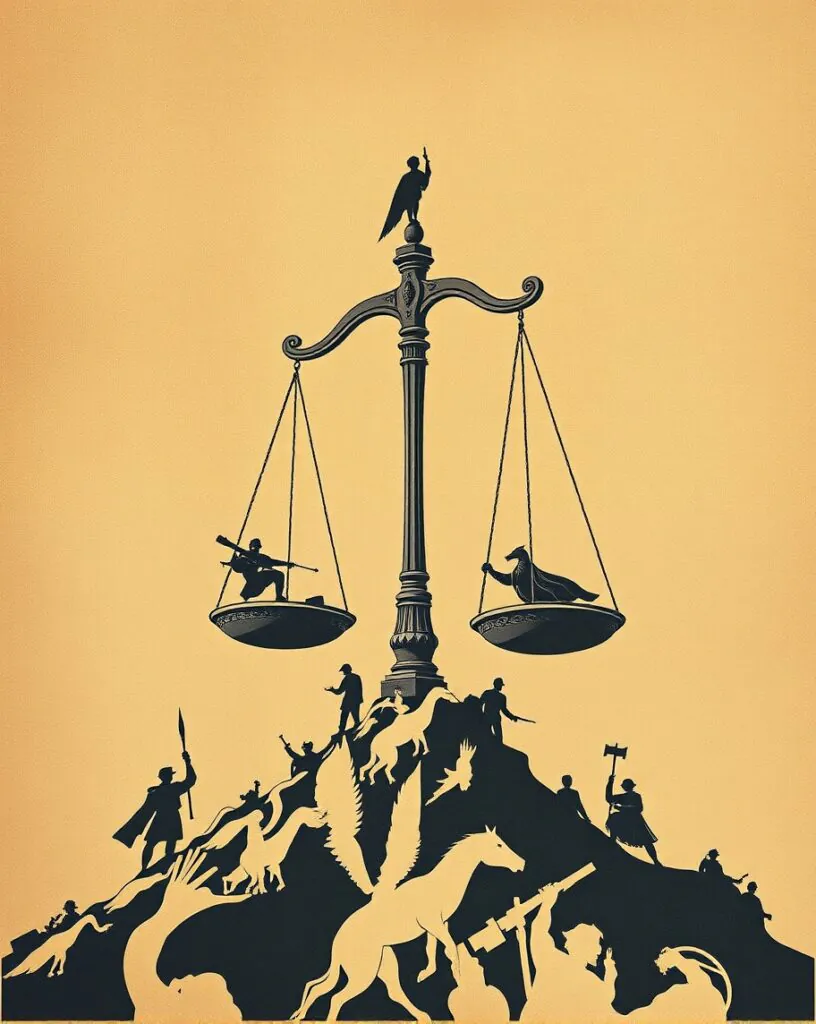
Institutions and Agreements in International Relations
Institutions and Agreements are a vital part of International Relations. They promote cooperation among coUNtries, help resolve disputes, and provide collective solutions to global problems. Together, they ensure that international politics functions in a systematic, rule-based, and predictable manner.
While institutions provide platforms for dialogue, monitoring, and enforcement, agreements define the rules, obligations, and commitments that states accept at the global level.
International Institutions
International institutions are formal organizations created by states to promote cooperation, maintain peace and security, and support global development. TheIR primary objective is to address international challenges through collective decision-making.
Major International Institutions
United Nations (UN)
The United Nations (UN), established in 1945, aims to maintain global peace and security. It serves as the most important global forum for dialogue and cooperation among countries.
- United Nations Security Council (UNSC): Responsible for dealing with war and conflict. It has five permanent members—United States, Russia, China, United Kingdom, and France—and ten non-permanent members.
- United Nations General Assembly: Includes representatives of all member states and discusses major global issues.
- United Nations High Commissioner for Refugees (UNHCR): Provides assistance and protection to refugees and displaced persons.
World Trade Organization (WTO)
The World Trade Organization (WTO) promotes International trade by setting rules and procedures governing trade relations between countries. It also resolves trade disputes and monitors trade agreements.
International Monetary Fund (IMF)
The International Monetary Fund (IMF) works to maintain global economic stability. It provides financial assistance and loans to countries facing balance-of-payment or currency crises.
World Bank
The World Bank focuses on economic development in developing countries. It finances projects related to infrastructure, education, health, and poverty reduction.
European Union (EU)
The European Union is an economic and political union of European countries. It promotes cooperation, trade, peace, and prosperity among its members and has its own legal framework and common currency (Euro).
Regional Institutions
- African Union (AU): Promotes cooperation and development among African countries.
- South Asian Association for Regional Cooperation (SAARC): Encourages economic and cultural cooperation in South Asia.
- Organization of American States (OAS): Promotes political, economic, and social cooperation in the Americas.
International Agreements
International agreements, also known as treaties, are formal and legally binding documents agreed upon by states. These agreements regulate relations in areas such as security, trade, environment, and human rights.
Major International Agreements
Paris Climate Agreement (2015)
Signed by 195 countries at COP21 in Paris, this agreement aims to limit global warming to below 2°C by reducing greenhouse gas emissions and promoting sustainable development.
Nuclear Non-Proliferation Treaty (NPT)
The NPT seeks to prevent the spread of nuclear weapons and promote peaceful uses of nuclear energy. Its three pillars are:
- Preventing nuclear proliferation
- Promoting nuclear disarmament
- Encouraging peaceful nuclear energy use
Geneva Conventions
The Geneva Conventions protect human rights during armed conflicts. They ensure the safety of civilians, wounded soldiers, and prisoners of war.
World Trade Agreements
Under the WTO framework, agreements such as GATT regulate global trade, reduce barriers, and manage trade-environment relations.
Boundary and Territorial Agreements
These agreements resolve border and territorial disputes between countries. A notable example is the Indus Water Treaty between India and Pakistan.
International Human Rights Conventions
The Universal Declaration of Human Rights (1948) is the foundation of international human rights law. Other treaties protect refugees, eliminate discrimination, and ensure civil and political rights.
Relationship Between Institutions and Agreements
Institutions and agreements are closely interconnected and complementary in nature.
- Institutions help implement, monitor, and enforce international agreements.
- The UN Security Council can take action if peace-related agreements are violated.
- The WTO supervises trade agreements and resolves disputes between member states.
In essence, institutions provide the operational platforms, while agreements define the rules and commitments that guide state behavior.

⭐ Editor's Choice
Discover a highly rated product selected for its quality, functionality, and positive customer feedback.
View Details & Reviews →Frequently Asked Questions (FAQs)
What are international institutions?
International institutions are organizations created by states to promote cooperation, peace, security, and development at the global or regional level.
What is the role of international agreements?
International agreements establish legally binding rules and obligations that regulate relations between countries.
How do institutions and agreements work together?
Institutions monitor, implement, and enforce agreements, while agreements provide the legal framework for cooperation.
Why are institutions and agreements important?
They ensure stability, reduce conflict, promote cooperation, and help address global challenges such as climate change, trade disputes, and human rights violations.
Internal Reading Suggestions
- How International Relations Work
- Major Theories of International Relations
- History of International Relations
Conclusion
Institutions and agreements together form the backbone of modern International Relations. Institutions provide platforms for dialogue and cooperation, while agreements establish shared rules and responsibilities. Their combined functioning ensures global stability, peace, and prosperity, making them indispensable for managing today’s interconnected world.

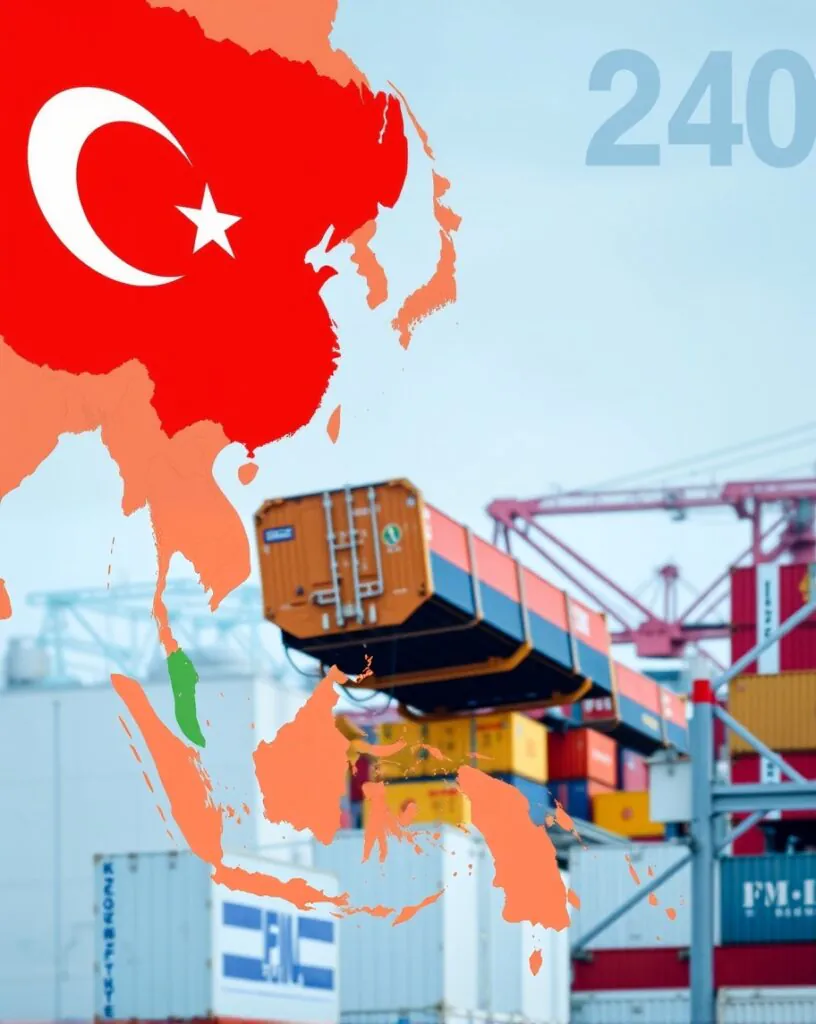
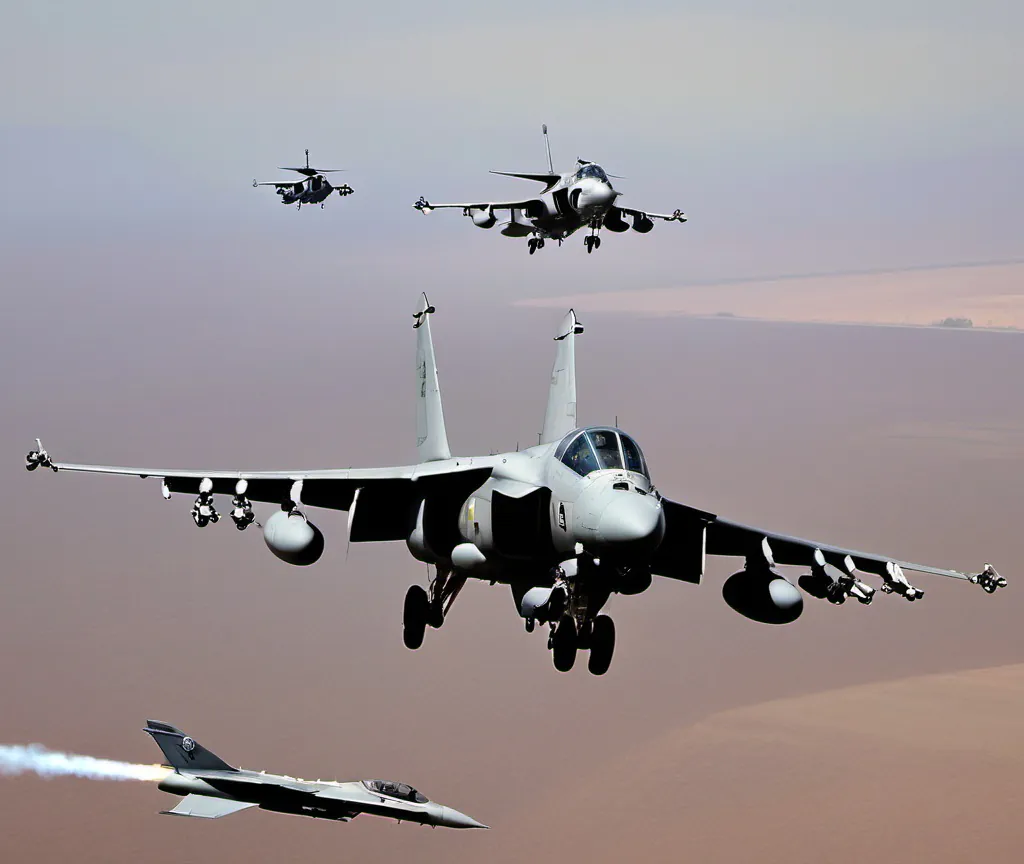
Conflicts and Wars in International Relations
Conflict and War are among the most serious and complex issues in International Relations. They have been an integral part of human history and have deeply influenced global politics, security, economy, and development. Conflicts and wars pose major challenges to peace and stability at national, regional, and global levels.
Understanding the meaning, types, causes, consequences, and resolution of conflicts and wars is essential for comprehending how international politics operates.
What Is Conflict?
Conflict refers to a situation of opposition, disagreement, or competition between different parties. It may arise between countries, groups, or individuals due to differences in interests, ideologies, identities, or resources.
Conflicts do not always lead to war. They can be resolved through peaceful means such as diplomacy, negotiation, or mediation, but if left unresolved, they may escalate into violence.
Types of Conflict
1. Political Conflict
Political conflict arises due to disagreements over power, governance, or leadership. It often occurs between states or political systems with opposing ideologies.
Example: Conflict between democratic and authoritarian regimes.
2. Economic Conflict
Economic conflict involves disputes over resources, trade routes, markets, or economic dominance.
Example: Trade wars or conflicts over access to raw materials.
3. Cultural Conflict
This type of conflict emerges from differences in culture, religion, ethnicity, or identity. Issues such as religious intolerance, racial discrimination, and cultural protection often fuel such conflicts.
4. Strategic Conflict
Strategic conflict occurs when states or military forces disagree over strategic positions, military bases, or security policies.
5. Regional and Territorial Conflict
These conflicts arise due to disputes over territory or borders.
Examples: The Kashmir dispute and the South China Sea dispute.
What Is War?
War is an extreme and violent form of conflict in which two or more parties engage in armed combat. War involves the use of military force and often includes diplomatic, economic, psychological, and cultural dimensions.
Wars usually result in large-scale destruction, loss of life, displacement of populations, and long-term instability at national and global levels.
Types of War
1. Civil War
Civil war occurs within a single country between different ethnic, political, or social groups. It is often a struggle for power or control of the state.
Examples: Syria Civil War, Afghanistan Civil War.
2. International War
International war takes place between two or more sovereign states and often has global implications.
Examples: World War I, World War II, wars between India and Pakistan.
3. Proxy War
Proxy wars occur when major powers support opposing sides in another country without directly engaging in combat.
Examples: Proxy wars during the Cold War, such as the Vietnam War and the Afghan War.
4. Military Intervention
This occurs when a country intervenes militarily in the internal affairs of another state.
Examples: US and Soviet interventions during the Cold War.
5. New Wars
New wars are modern forms of conflict involving non-state actors, terrorist organizations, and irregular forces rather than traditional armies.
Examples: Terrorist conflicts and wars involving groups such as ISIS.
Causes of Conflict and War
1. Political and Strategic Causes
Power struggles, strategic competition, and ideological rivalry often lead to conflict and war.
Example: The Cold War between the United States and the Soviet Union.
2. Economic Causes
Conflicts may arise over control of natural resources, markets, and trade routes.
Example: The Iraq War (2003) and disputes over oil resources.
3. Cultural and Religious Causes
Differences in religion, ethnicity, and culture can escalate into violent conflicts when intolerance and inequality prevail.
Examples: The Crusades, the Bosnian War.
4. Geopolitical and Regional Causes
Territorial expansion, border disputes, and strategic positioning often lead to regional conflicts.
Examples: Kashmir issue, South China Sea dispute.
5. National Identity and Self-Determination
Conflicts arise in the name of nationalism, identity, independence, and freedom movements.
Examples: India’s freedom struggle, decolonization movements in Africa.
Consequences of Conflict and War
1. human rights Violations
Wars lead to serious human rights abuses, including war crimes, genocide, civilian casualties, and refugee crises.
2. Economic Destruction
Prolonged conflicts destroy infrastructure, disrupt production, and reduce living standards.
Example: Economic devastation in Iraq after the Iraq War.
3. Political Instability
Post-war societies often face political instability, regime changes, and the rise of extremist forces.
Examples: Libya crisis, ongoing instability in Syria.
4. Environmental Damage
Wars damage ecosystems through pollution, destruction of land, and contamination of water resources.

⭐ Editor's Choice
Discover a highly rated product selected for its quality, functionality, and positive customer feedback.
View Details & Reviews →Ways to Resolve Conflict and War
1. Diplomacy and Dialogue
Diplomatic negotiations, peace talks, and bilateral agreements are essential tools for resolving conflicts peacefully.
Example: Diplomatic dialogue between North Korea and South Korea.
2. Role of International Institutions
International organizations play a critical role in conflict prevention and resolution.
- United Nations (UN)
- International Court of justice (ICJ)
- UN Peacekeeping Missions
These institutions promote peace, mediate disputes, and help rebuild post-conflict societies.
Frequently Asked Questions (FAQs)
What is the difference between conflict and war?
Conflict is a broader term that includes disagreements and disputes, while war is an armed and violent form of conflict.
Are all conflicts violent?
No, many conflicts are resolved peacefully through diplomacy, negotiation, or mediation.
Why do wars still occur in the modern world?
Wars continue due to power struggles, resource competition, ideological differences, and unresolved conflicts.
How can wars be prevented?
Through diplomacy, international cooperation, economic interdependence, and strong global institutions.
Internal Reading Suggestions
Conclusion
Conflicts and wars remain central challenges in International Relations. While conflicts are sometimes unavoidable, their violent escalation into war causes immense human, economic, and environmental damage. Effective diplomacy, strong international institutions, and global cooperation are essential to prevent conflicts and build a more peaceful and stable international system.
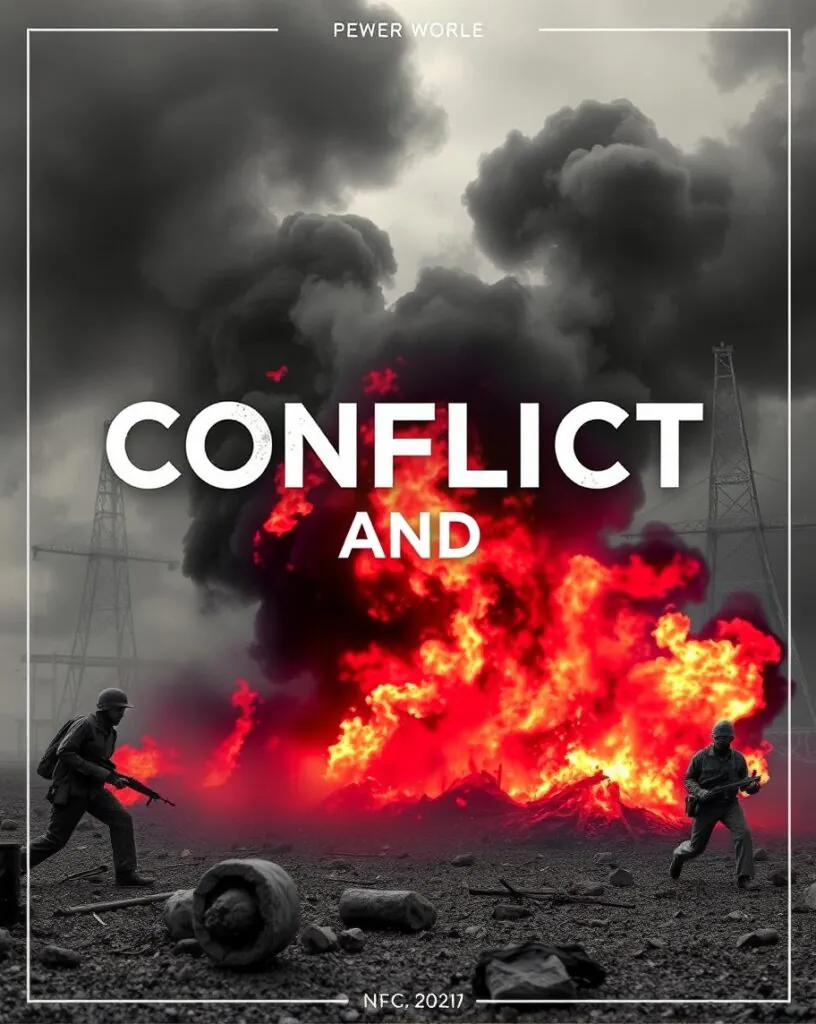
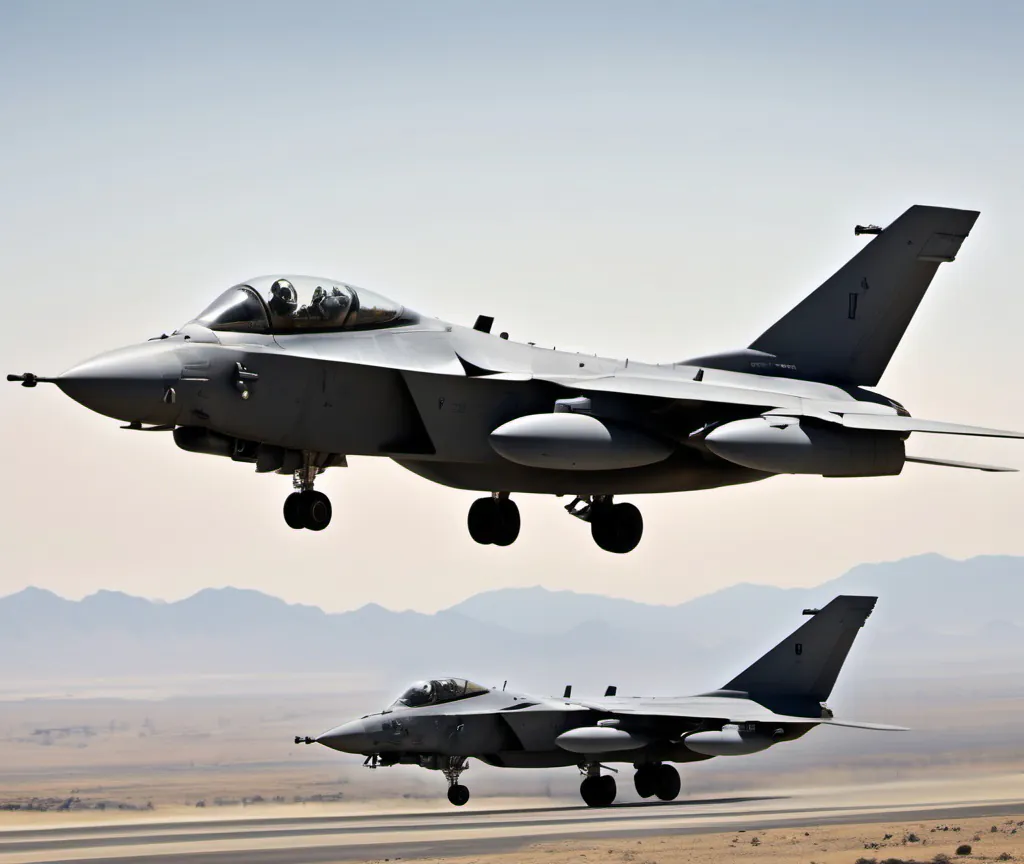
Military Power and Security in International Relations
Military power and security are closely interconnected components of International Relations. They play a decisive role in shaping a coUNtry’s foreign policy, strategic objectives, national stability, and global standing. Decisions related to military strength and security directly affect not only a nation’s defense but also its economic growth, diplomacy, and international influence.
What Is Military Power?
Military power refers to the total military resources, capabilities, and strategic strength available to a country. It enables a nation to protect its sovereignty, defend national interests, and enhance its position in global politics.
Military power is generally understood through three major components.
1. Military Force
This includes the Army, Navy, Air Force, Special Forces, and other defense branches. It represents the most visible and traditional form of power.
Example: The armed forces of the United States are considered among the largest and most technologically advanced in the world.
2. Military Equipment and Technology
Military strength depends heavily on modern weapons, tanks, aircraft, warships, missile systems, and advanced defense technologies. Technological superiority enhances combat effectiveness.
Example: Countries such as China and Russia have invested heavily in advanced military technologies, including hypersonic missiles.
3. Military Strategy and Preparedness
Beyond numbers and weapons, military power also relies on strategic planning, training, readiness, and coordination with allies.
Example: Military alliances like NATO enhance collective security through shared strategies and preparedness.
Types of Military Power
1. Tactical Military Power
Tactical military power is used for limited and short-term operations such as border conflicts, counter-terrorism, and localized military actions.
Example: Limited military operations during border tensions.
2. Strategic Military Power
Strategic military power involves long-term and large-scale capabilities, including nuclear weapons, intercontinental ballistic missiles (ICBMs), and strategic bombers.
Example: Countries like India, Pakistan, and North Korea possess nuclear arsenals as part of their strategic deterrence.
What Is Security?
Security refers to a condition in which a nation, society, or individual is protected from internal and external threats. national security involves safeguarding a country’s political system, economy, and citizens.
Types of Security
1. National Security
National security focuses on protecting a nation from war, terrorism, and external aggression through defense policies and strategic planning.
Example: India’s defense policies aimed at addressing security challenges from neighboring countries.
2. Human Security
Human security emphasizes the protection of individuals rather than states. It includes food security, health security, employment, and protection from disasters.
Example: Assistance provided by the United Nations to refugees affected by war or natural disasters.
Relationship Between Military Power and Security
Military power is one of the primary tools to ensure national security. However, true security is achieved not only through force but also through diplomacy, economic stability, and social development.

⭐ Editor's Choice
Discover a highly rated product selected for its quality, functionality, and positive customer feedback.
View Details & Reviews →1. Military Power and Diplomacy
Military strength often acts as a diplomatic tool. It can deter aggression, strengthen negotiation positions, and help maintain peace.
Example: The global military presence of the United States has influenced diplomatic outcomes in conflicts such as the Gulf War.
2. Military Power and Terrorism
Military action is used to counter terrorism, but intelligence sharing, development policies, and diplomacy are equally important to address its root causes.
Example: The Afghanistan War highlighted the need for development and governance alongside military efforts.
3. Military Power and International Relations
Military power shapes international relations through alliances, peacekeeping missions, and strategic interventions.
Example: UN Peacekeeping Operations help restore stability in conflict-affected regions.
Various Dimensions of Security
1. Military Security
Concerned with defending borders, strengthening armed forces, and preparing for war.
Example: Military preparedness along the India–Pakistan border.
2. Internal Security
Includes measures to deal with terrorism, extremism, insurgency, and internal unrest.
Example: Security operations against Naxalism and insurgency in India.
3. Economic Security
Focuses on protecting economic resources, infrastructure, and supply chains from disruption.
Example: Ensuring energy security and managing trade wars.
4. cybersecurity
Cybersecurity protects digital infrastructure and information systems from cyber threats and attacks.
Example: Cyber attacks attributed to state and non-state actors affecting global security.
Solutions for Strengthening Military Power and Security
1. Military Alliances
Alliances such as NATO and the Shanghai Cooperation Organisation (SCO) promote collective defense and shared security responsibilities.
2. Diplomacy and Peace Efforts
Military power should complement diplomatic initiatives. Peace talks, agreements, and confidence-building measures reduce the likelihood of conflict.
3. Military Innovation and Technology
Continuous advancement in defense technology and innovation enhances security and preparedness.
Frequently Asked Questions (FAQs)
What is military power in international relations?
Military power refers to a country’s ability to use armed forces and defense capabilities to protect its interests and security.
Is security only about military strength?
No, security also includes economic stability, internal order, human security, and cybersecurity.
Why are military alliances important?
They provide collective security, deter aggression, and strengthen cooperation among member states.
Is military power still relevant in a globalized world?
Yes, but it must be balanced with diplomacy, economic cooperation, and international norms.
Internal Reading Suggestions
Conclusion
Military power and security are fundamental pillars of International Relations. While military strength is essential for defending against external threats, genuine security goes beyond weapons and armies. Diplomacy, internal stability, economic resilience, and global cooperation are equally important. A balanced approach ensures sustainable peace, national safety, and global stability.