Why is Lucknow called the “City of Nawabs”? From royal history to world-famous cuisine, Lucknow is one of India’s most culturally rich cities.
This complete guide covers history, culture, tourism, economy and modern development of Lucknow in a simple and exam-focused way.
If you are preparing for UPSC/SSC or planning to visit, this article gives you everything in one place.
Lucknow City – History, Culture, Tourism & Development
Lucknow, the heart of Uttar Pradesh, is a city where tradition meets modernity. Known for its Nawabi elegance, rich heritage, and fast-paced development, the city reflects both cultural depth and a progressive future.
1. Historical Background
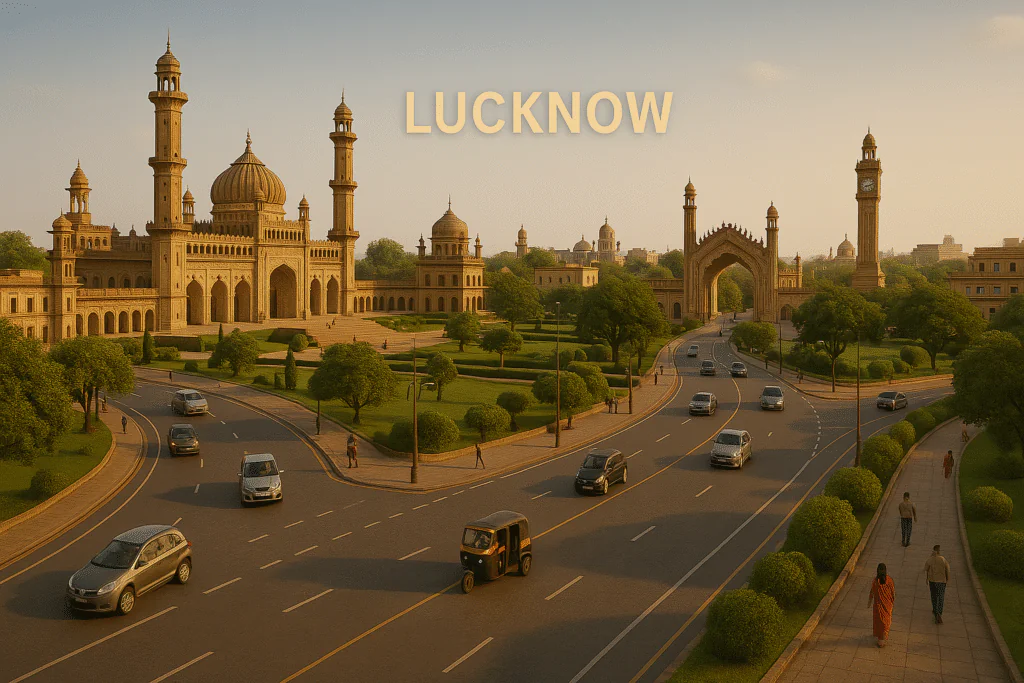
The history of Lucknow is closely connected with the ancient Awadh state. Popular as the “City of Nawabs,” it rose to prominence in the 18th century when the Nawabs of Awadh, especially Nawab Asaf-ud-Daula, made it their capital. The city has been a magnificent center of Mughal, Nawabi, and British architecture, along with flourishing art, music, and culture.
2. Geographical Location and Climate
Location
Lucknow is the capital of Uttar Pradesh, situated on the banks of the Gomti River.
Climate
The region experiences a subtropical climate with three major seasons:
- Summer (March to June): Temperature may rise up to 45°C.
- Monsoon (July to September)
- Winter (November to February): Temperature may drop to around 5°C.
3. Administrative Structure
- State: Uttar Pradesh
- District: Lucknow
- Current Mayor: (Update required)
- Assembly Constituencies: Lucknow West, Lucknow Central, Lucknow East and others
- Parliamentary Constituency: Lucknow Lok Sabha Constituency
4. Economic Structure
The economy of Lucknow is driven by services, government institutions, tourism, education, and healthcare.
Major Industries
- Chikankari Embroidery (Handicraft)
- Apparel Industry
- IT and Business Process Outsourcing
- Real Estate Development
5. Education and Research Institutes
Lucknow is a major educational center, home to various national and state-level institutions:
- Lucknow University
- Dr. A.P.J. Abdul Kalam Technical University
- IIM Lucknow
- SGPGI
- King George’s Medical University (KGMU)
- CDRI (Central Drug Research Institute)
6. Culture and Heritage
Language
The primary language is Hindi, while Urdu and English are also widely spoken.
Music and Dance
Lucknow has a historical connection with Kathak dance and classical music traditions.
Food
The Nawabi cuisine of Lucknow is world-famous, including dishes like Galawati Kebab, Tunday Kebab, Biryani, and Nihari.
7. Major Places and Tourism
- Bada Imambara
- Chota Imambara
- Rumi Gate
- Residency
- Husainabad Clock Tower
- Ambedkar Memorial
- Gomti River Front
- Janeshwar Mishra Park (Asia’s Largest Park)
8. Traffic and Transportation
Roads
Lucknow is well-connected through National Highways and Expressways.

Awesome Amazon Product
Buy on AmazonRailways
Major stations include Charbagh Railway Station, Gomti Nagar, and Badarka Station.
Airport
Chaudhary Charan Singh International Airport serves both domestic and international flights.
Metro
Lucknow Metro currently operates on the North–South Corridor.
9. Society and Population
- Population: Over 3 million (2021 estimate)
- Religion: A diverse mix of Hindus, Muslims, Sikhs, Christians, and others
- Culture: Famous for etiquette, refinement, and the Ganga-Jamuni tehzeeb
10. Political Importance
As the capital of Uttar Pradesh, Lucknow houses the Legislative Assembly, Secretariat, Chief Minister’s residence, and various state-level headquarters. The city also has a strong political legacy — former Prime Minister Atal Bihari Vajpayee represented Lucknow as a Member of Parliament several times.
11. Modern Development and Future Plans
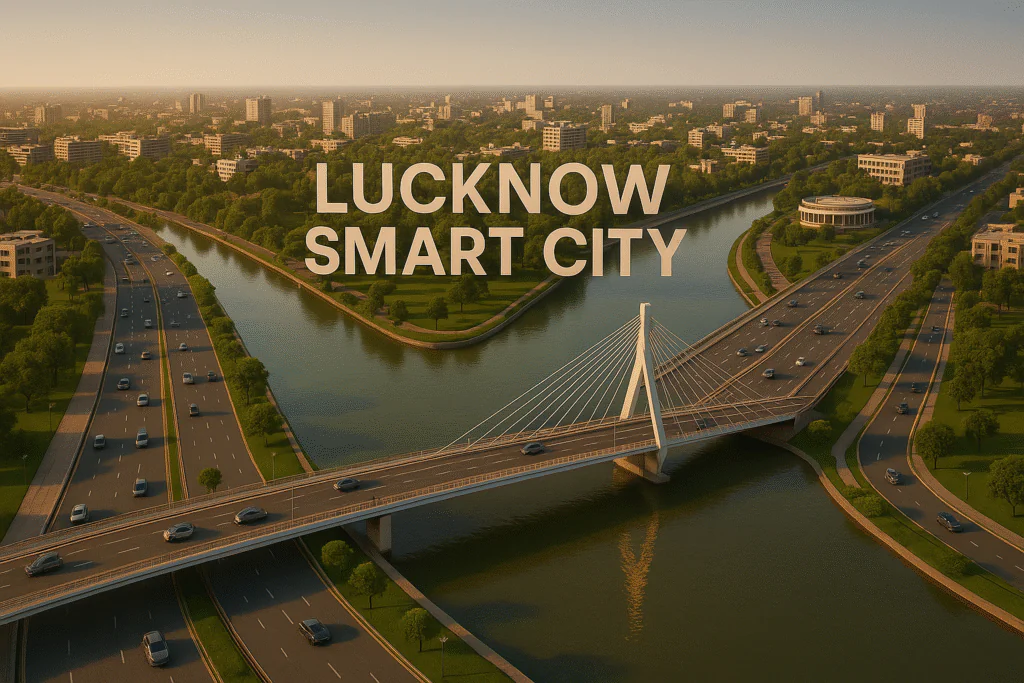
Under the Smart City Mission, Lucknow is undergoing rapid urban transformation. Important projects include:
- IT City
- Amul Plant
- Mega Food Park
- International Convention Centre
Conclusion
Lucknow is a city where history, culture, modernity, and political importance coexist beautifully. It stands as a significant part of India’s cultural and political identity and continues to move forward with constant development and innovation.
5. Education and Research Institutes – Lucknow
Lucknow, apart from being the capital of Uttar Pradesh, is also a leading center for education and research in North India. The city hosts a wide range of traditional universities as well as advanced institutions in science, medicine, engineering, management, and research. Its academic ecosystem is diverse, rich, and known for delivering high-quality education.
1. Universities
Lucknow University
- Founded: 1921
- Courses: Arts, Science, Commerce, Law, Education, Management
- One of the oldest and most prestigious universities in North India.
Dr. Ram Manohar Lohia National Law University (RMLNLU)
- A premier National Law University.
- Offers LLB, LLM, and advanced legal research programs.
Baba Saheb Bhimrao Ambedkar University (BBAU)
- A Central University located in Lucknow.
- Offers education in Social Sciences, Science, Biotechnology, Education, etc.
Amity University, Lucknow Campus
- A private multidisciplinary university.
- Courses: Management, Law, Engineering, Fashion, Journalism, and more.
2. Engineering and Technology Institutes
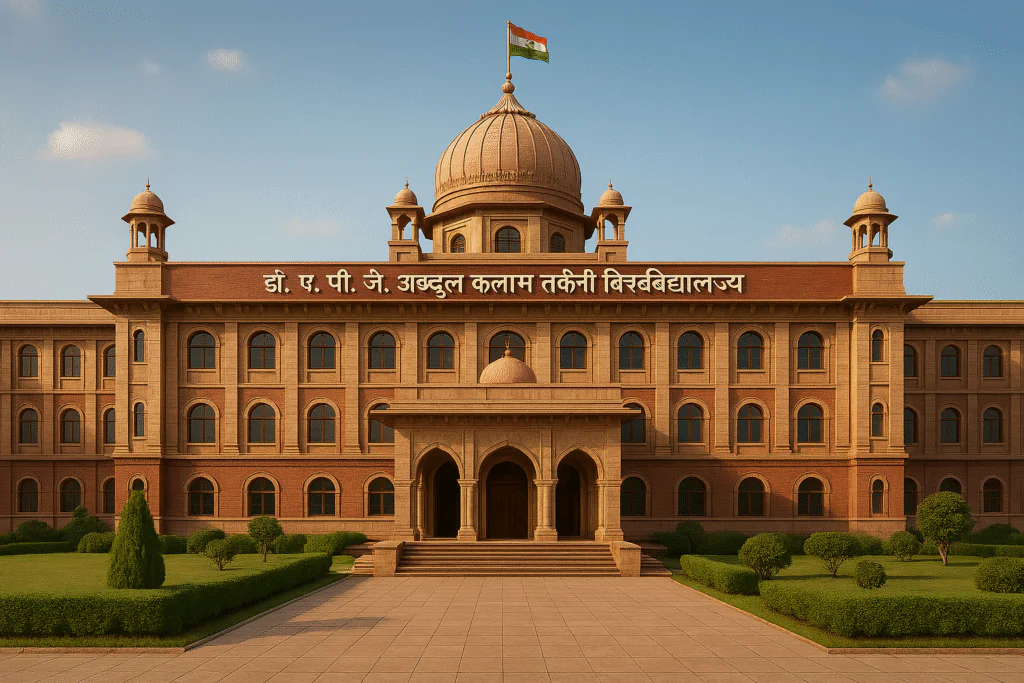
Dr. A.P.J. Abdul Kalam Technical University (AKTU)
- Controlling university for engineering colleges across Uttar Pradesh.
- Headquarters located in Lucknow.
IET Lucknow (Institute of Engineering & Technology)
- One of the top government engineering institutes in UP.
- Affiliated with AKTU.
3. Medical and Health Education Institutes
King George’s Medical University (KGMU)
- One of India’s top government medical universities.
- Courses include MBBS, BDS, MDS, MD, MS, and medical research programs.
Sanjay Gandhi Postgraduate Institute of Medical Sciences (SGPGI)
- A super-specialty hospital and advanced research center.
- Renowned for Neurology, Cardiology, Gastroenterology, and high-end medical research.
Dr. Shyama Prasad Mukherjee Civil Hospital
- A major medical education and treatment center.
- Affiliated with KGMU.
4. Management and Administrative Institutions
IIM Lucknow
- One of the top Indian Institutes of Management.
- Offers MBA, Executive Programs, Leadership Training, and Research Degrees.
Administrative Training Institute (ATI)
- A premier institute for training government officials and administrators.
5. Science and Research Institutes
CIMAP (CSIR – Central Institute of Medicinal and Aromatic Plants)
- Operated by CSIR.
- Conducts research on medicinal and aromatic plants.
National Botanical Research Institute (NBRI)
- Conducts research in botany, biotechnology, and environmental sciences.

Awesome Amazon Product
Buy on AmazonBiotechnology Park, Lucknow
- A center promoting biotechnology research, training, and biotech startups.
6. Other Major Educational Institutions
| Institute | Area / Specialization |
|---|---|
| Central Drug Research Institute (CDRI) | Drug and Pharmaceutical Research |
| National Seed Research Institute | Agricultural and Seed Science |
| Indian Institute of Toxicology Research | Chemicals, Environment & Human Health |
| Government Inter College (GIC), Lucknow | Prominent Secondary Education Institute |
| La Martiniere College (Boys & Girls) | Historic English Medium School |
Conclusion
The education and research ecosystem of Lucknow is strong, diverse, and advanced. Institutions like Lucknow University preserve traditional academic excellence, while modern institutes such as IIM, SGPGI, AKTU, and CSIR research centers lead India’s innovation and scientific progress. It is rightly said that Lucknow is emerging as an “academic and research capital” of North India.
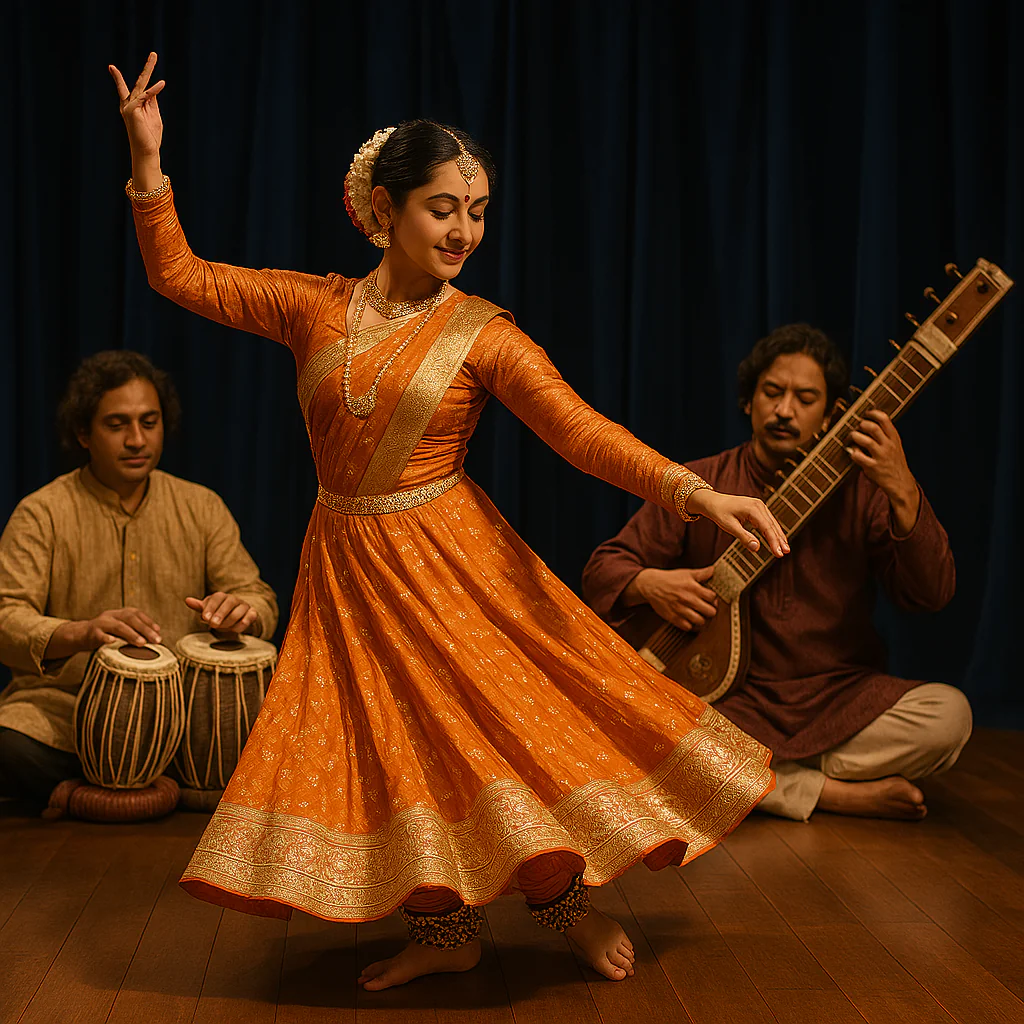
6. Culture and Heritage – Lucknow
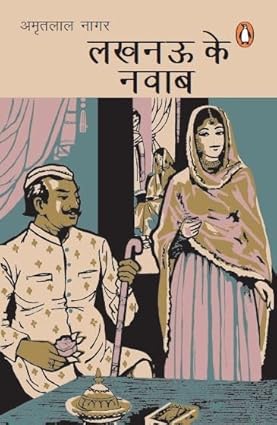
The culture of Lucknow is world-famous for its Nawabi elegance, soft-spoken language, skilled craftsmanship, and the Ganga-Jamuni civilization. It is a cultural melting pot where Hindu and Muslim traditions have flourished together for centuries. Lucknow’s heritage is reflected in its language, music, dance, architecture, cuisine, and attire, which are still vibrantly alive today.
1. Nawabi Tehzeeb and Ganga-Jamuni Culture
- The foundation of Lucknow’s culture lies in the Nawabi tradition of Awadh.
- The Ganga-Jamuni Tehzeeb represents the peaceful, respectful coexistence of Hindu and Muslim cultures.
- This unique cultural blend is evident in Lucknow’s language, food, etiquette, and festivals.
2. Language and Literature
- Both Urdu and Hindi are major languages spoken in Lucknow.
- The city has been a stronghold of Urdu poetry and literature.
Famous Urdu Poets
- Mir Taqi Mir
- Mir Anees (famous for Marsiya)
- Amir Meenai
- Mohsin Khan
- Ghulam Hamdani Mushafi
Contributors to Hindi Literature
- Upendranath Ashk
- Shivani
- Yashpal
3. Architectural and Historical Heritage
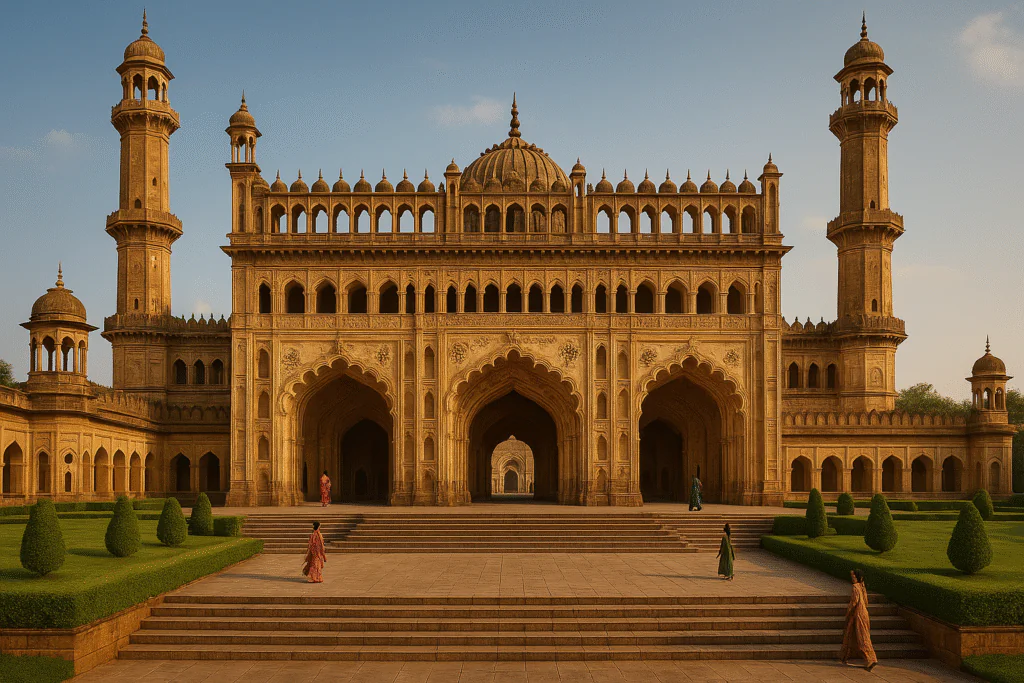
The architecture of Lucknow is a harmonious blend of Nawabi, Mughal, and British styles.
| Building | Speciality |
|---|---|
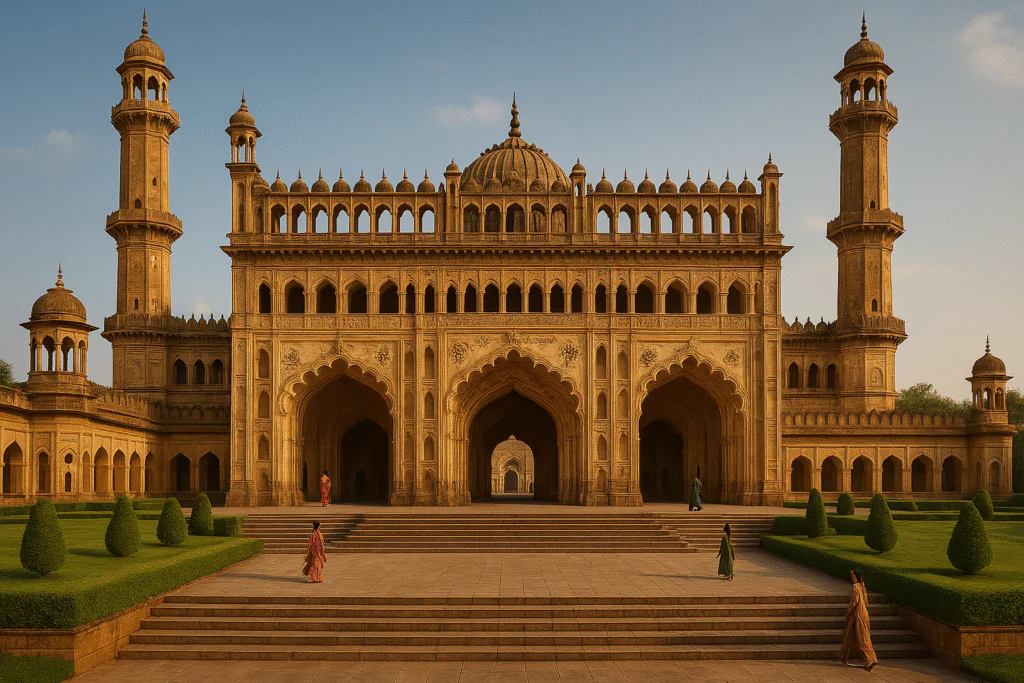
| Bada Imambara | Large beamless hall built by Asaf-ud-Daula |
| Chota Imambara | Decorative chandeliers and Mughal carvings |
| Rumi Gate | Symbol of Lucknow; inspired by Ottoman architecture |
| Hazratganj Market | Example of colonial architecture |
| Residency | Historic site associated with the 1857 revolt |
4. Music, Dance and Theatre
- Lucknow Gharana (Kathak): A major Kathak style patronised by Nawab Wajid Ali Shah.
- Thumri, Dadra, Ghazal, and Qawwali form the core of Lucknow’s music culture.
Drama and Theatre
- Bharatendu Natya Academy
- Strong traditions of Bhojpuri and Urdu theatre
5. Cuisine (Awadhi Cooking)
Lucknow’s culinary culture is renowned globally. Its Nawabi cuisine is known for rich flavour, unique presentation, and royal heritage.
| Dish | Speciality |
|---|---|
| Kebabs (Galawati, Shami, Boti) | Soft, juicy and aromatic |
| Nihari–Kulcha | Royal breakfast combination |
| Biryani | Prepared in authentic Awadhi style |
| Kulcha-Korma | Popular during festivals |
| Sheermal, Firni, Kalakand | Traditional sweets |
6. Handicrafts and Traditional Arts
- Chikankari: World-famous fine hand embroidery—the identity of Lucknow.
- Zari-Zardozi: Gold and silver thread embroidery on garments.
- Attar (Perfumes): Traditional fragrances still popular today.
- Bronze utensils, paandaan and traditional craft items reflect royal heritage.
7. Festivals and Traditions
| Festival | Speciality |
|---|---|
| Eid, Muharram | Processions and rituals in Imambaras |
| Holi, Diwali | Symbol of Ganga-Jamuni cultural harmony |
| Barawafat, Shab-e-Barat | Strong Nawabi cultural influence |
| Ramlila, Dussehra | Traditional folk celebrations |
Conclusion
The culture of Lucknow is its true soul. More than just buildings and streets, the city represents a living legacy of etiquette, dialogue, music, art, and hospitality. While embracing modernity, Lucknow has preserved its heritage and charm, making it unique from other cities of India.
7. Major Places and Tourism – Lucknow
Known as the “City of Nawabs,” Lucknow is a wonderful tourist destination rich in historical, cultural, and architectural heritage. From Mughal and British monuments to modern parks, markets, and cuisine, the city offers a complete blend of old and new experiences.
1. Historical Places
| Place | Speciality |
|---|---|
| Bada Imambara | Built in 1784; famous bhool-bhulaiya and large beamless hall |
| Chota Imambara | Silver thrones, chandeliers, intricate architecture |
| Rumi Gate | Iconic Ottoman-style gateway |
| Residency | Historic British settlement; witnessed 1857 revolt |
| Dilkusha Kothi | British-style garden and architectural remnants |
Awesome Amazon Product
Buy on Amazon2. Religious Places
| Place | Religion | Speciality |
|---|---|---|
| Telibagh Gurdwara | Sikh | Dedicated to Sikh Gurus |
| Hanuman Setu Temple | Hindu | Popular shrine on the banks of Gomti River |
| Jama Masjid | Islam | Majestic Mughal architecture |
| Chandrika Devi Temple | Hindu | Ancient temple with strong devotional significance |
| Hussainabad Burial Grounds | Islam | Nawabi-era graves and heritage structures |
3. Parks and Recreational Places
| Place | Speciality |
|---|---|
| Gomti Riverfront | Beautiful walkway and greenery along the river |
| Ambedkar Memorial Park | Grand marble structures and monuments |
| Janeshwar Mishra Park | One of Asia’s largest parks; lake and cycle tracks |
| Lucknow Zoo | Natural habitat with diverse wildlife |
| Botanical Garden | Rare plants and lush greenery |
4. Museums and Cultural Sites
| Archive / Museum | Speciality |
|---|---|
| Uttar Pradesh State Museum | Archaeology, paintings, ancient sculptures |
| 1857 War Museum | Depicts the freedom struggle and 1857 revolt |
| Lohia Park Art Gallery | Blend of modern and traditional art |
| Bharatendu Natya Academy | Major centre for theatre training and performances |
5. Shopping and Marketplaces
| Market | Speciality |
|---|---|
| Hazratganj | Royal-meets-modern shopping; cafes and theatres |
| Aminabad | Chikankari, traditional clothing, footwear, sweets |
| Chowk | Chikankari, Zardozi, Attar, traditional cuisine |
| LBDA Malls | Modern malls, multiplexes, branded stores |
6. Other Notable Sites
| Place | Speciality |
|---|---|
| IT City, Lucknow | Advanced technology hub |
| Lucknow University Campus | Historical buildings and academic environment |
| Dr. Bhimrao Ambedkar Memorial | Massive marble monument symbolizing social justice |
7. Food Tourism
- Tunday Kababi (Aminabad): Famous for Galawati Kebabs
- Wahid Biryani (Chowk): Authentic Awadhi Biryani
- Rahmatullah House: Korma, Nihari, Kulcha
- Prakash Kulfi (Aminabad): Iconic traditional kulfi
- Makhan Malai (Winter): Popular seasonal sweet
Conclusion
Lucknow’s tourism offers a rare blend of History, culture, religion, and modern entertainment. While its monuments take visitors back in time, its parks, malls, and cuisine provide a taste of vibrant modern life. This unique balance makes Lucknow an unforgettable destination.
8. Traffic and Transportation – Lucknow
Lucknow is one of the major cities of North India where traditional and modern systems of transportation function together. The city is well connected to major cities of Uttar Pradesh and the rest of India through road, rail, air, and metro. Multiple intra-city travel options also make movement convenient for residents and visitors.
1. Road Transport
National and State Highways
- NH 27 and NH 30 pass through Lucknow.
- The city is well connected to Kanpur, Varanasi, Prayagraj, Gorakhpur, Delhi, and other major cities.
Buses
- Operated by Uttar Pradesh State Road Transport Corporation (UPSRTC).
- Major bus stations include Krishna Nagar, Charbagh, and Alambagh.
- Availability of Volvo, AC, and ordinary buses.
2. Rail Transport (Railways)
Lucknow is one of the busiest railway junctions in India, with two major stations:
- Lucknow Charbagh Junction (LKO): Under Northern Railway; operates several long-distance trains.
- Lucknow Junction (LJN): Under North Eastern Railway.
Major Trains
- Shatabdi Express
- Rajdhani Express
- Gomti Express
- Various Mail/Express Trains
3. Air Transport
Chaudhary Charan Singh International Airport (Amausi Airport – LKO)
- Lucknow’s main international airport, connected to major Indian and global destinations.
- Domestic Flights: Delhi, Mumbai, Bengaluru, Kolkata, Hyderabad.
- International Flights: Dubai, Abu Dhabi, Sharjah, Jeddah, and more.
4. Lucknow Metro
- Operated by Uttar Pradesh Metro Rail Corporation (UPMRC).
- Metro services began in 2017.
Major Corridor
- Red Line: Chaudhary Charan Singh Airport to Munshipulia.
- Fast, accessible, and eco-friendly mode of transport within the city.
5. Local (Intra-City) Transport
| Resource | Description |
|---|---|
| Auto Rickshaw | Available widely; metered or ride-based. |
| E-rickshaw & Tempो | Popular for short distances and local travel. |
| City Bus Services | AC and Non-AC buses operated by Lucknow Nagar Nigam. |
| Ola/Uber Taxi | Convenient app-based cab services. |
| Bike Taxi | Affordable and fast local transport option. |
6. Future Plans and Developments
- Metro Expansion: Work underway for new routes including the East–West Corridor.
- Electric Buses: Expansion to reduce pollution.
- Smart Traffic Systems: Use of modern signals, cameras, and sensors.
- Railway Station Redevelopment: Charbagh and Gomti Nagar stations being modernised.
Conclusion
Lucknow’s traffic and transportation system is continuously improving. With modern facilities such as metro, airport, and smart traffic networks, along with traditional means like rickshaws and tempos, the city offers a convenient, accessible, and passenger-friendly experience.
9. Society and Population – Lucknow
Lucknow’s society is diverse and vibrant, reflecting a blend of tradition, culture, Religion, language, and modernity. The city is one of the major social and cultural centers of North India, where the Ganga-Jamuni Tehzeeb is still visible in daily life.
1. Population – Statistics and Estimates
| Description | Statistics (2021 estimate / updated to 2023) |
|---|---|
| Total Population | More than 39 lakh |
| Urban Population | About 90% (mainly in Lucknow Municipal Corporation area) |
| Rural Population | About 10% in Lucknow tehsils and development blocks |
| Population Growth Rate | Moderate to high (around 2% annually) |
| Population Density | Approx. 1,850 persons per sq km |
2. Social Structure
Religion-Based Distribution
| Religion | Percentage (Approx.) |
|---|---|
| Hindu | ~70% |
| Muslim | ~26% |
| Christians, Sikhs, Jains, Others | ~4% |
Lucknow is known for its communal harmony and mutual respect among religious communities — a hallmark of its Ganga-Jamuni Tehzeeb.

Awesome Amazon Product
Buy on AmazonEthnic Composition
- Brahmin, Kayastha, Kurmi, Yadav, Dalit, and Muslim communities form a major part of the population.
- The ethnic structure influences politics, governance, and social mobility.
3. Linguistic Structure
| Language | Status |
|---|---|
| Hindi | Main language; used in administration and education. |
| Urdu | Used in cultural, literary and family communication. |
| Awadhi | Common in rural areas and traditional conversations. |
| English | Increasing relevance among youth and professionals. |
4. Education Level
- Literacy Rate: Approximately 84% (Male: ~88%, Female: ~79%).
- The society gives significant importance to education.
- Presence of many universities and private institutions for higher studies.
5. Social Life and Values
- Family System: Joint and nuclear families coexist.
- Women’s Status: Educational and professional participation is rising, though traditional roles still exist.
- Social Tolerance: Communities live with mutual respect and cooperation.
6. Social Challenges
| Challenge | Description |
|---|---|
| Urbanisation & Population Growth | Unplanned expansion leading to traffic and water issues. |
| Urban–Rural Disparity | Differences in infrastructure and resources. |
| Class Distinctions | Lower-income areas lack basic services. |
| Youth Unemployment | Limited job opportunities despite degrees. |
7. Civic Participation and Social Organisations
- NGOs, Mahila Mandal, Youth Groups, and Cultural Institutions actively participate in social development.
- Awareness initiatives include cleanliness, health, women empowerment, and education.
Conclusion
Lucknow’s society represents a perfect blend of tradition and modernity. Despite its diverse religious and ethnic composition, the city remains a symbol of unity, harmony, and cultural richness. Even with growing population pressure, Lucknow’s social fabric continues to remain vibrant, stable, and progressive.